
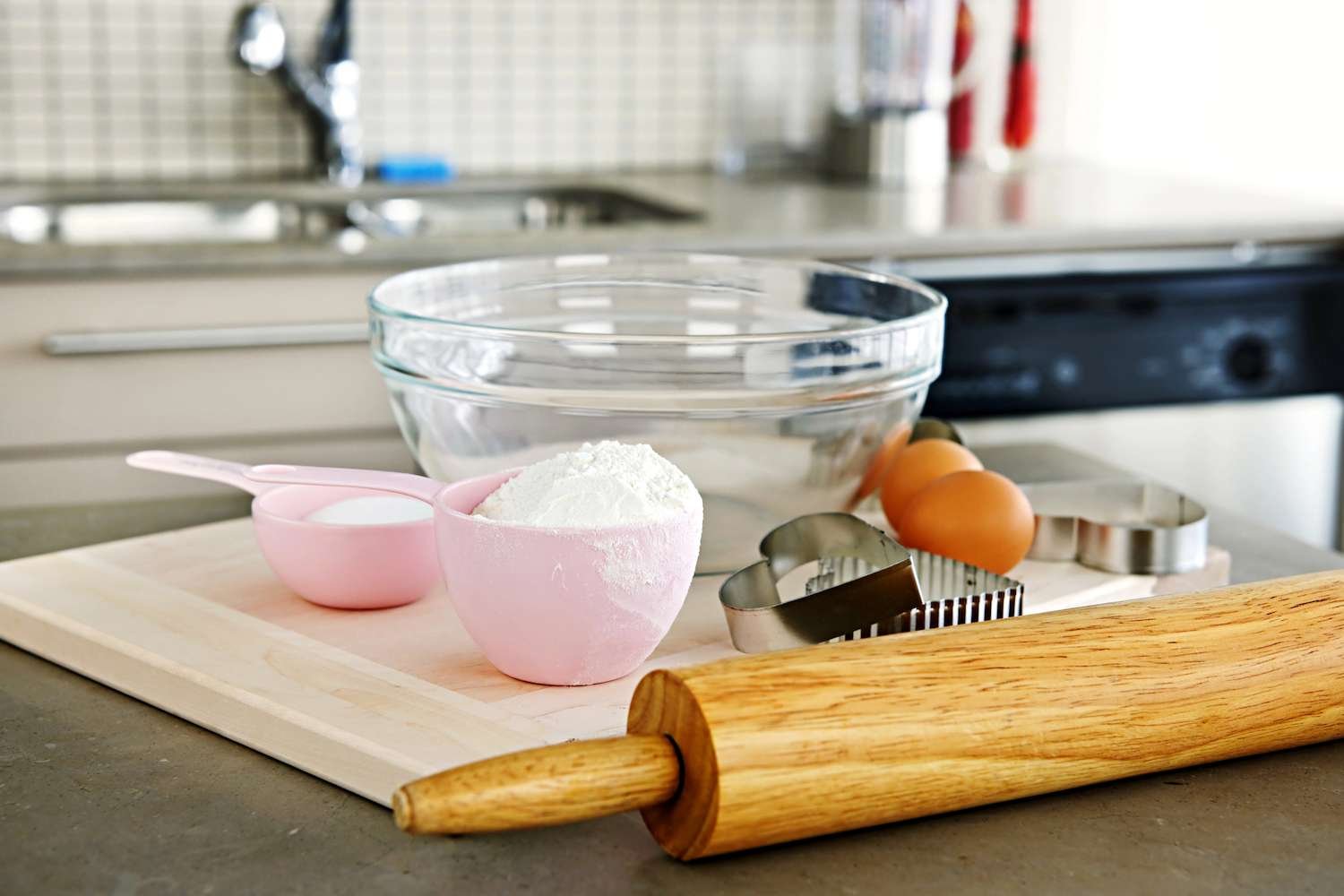
In the baking industry, having the right bakery equipment is essential for creating delicious treats and running a successful business. From ovens to mixers and dough preparation tools, each piece of equipment plays a crucial role in the baking process. In this comprehensive guide, we will explore the basics of bakery equipment, different types of equipment, how to select the right ones, and the importance of maintenance and upgrades.
Understanding the Basics of Bakery Equipment
The Importance of Quality Bakery Equipment
Quality bakery equipment is the foundation of any successful bakery. Investing in high-quality equipment ensures that your bakery operates efficiently and produces consistent products. With durable and reliable equipment, you can meet customer demands while maintaining the integrity of your baked goods.
When it comes to selecting bakery equipment, it’s essential to consider factors such as the type of products you will be baking, the volume of production, and the space available in your bakery. By choosing the right equipment that aligns with your specific needs, you can enhance the overall productivity and quality of your baked goods.
Essential Equipment for Every Bakery
While each bakery’s equipment needs may vary, there are a few essential pieces that every bakery should have:
- Oven: The heart of any bakery, ovens come in various types and sizes to accommodate different baking needs.
- Mixer: An indispensable tool for mixing dough and batter evenly and efficiently.
- Dough preparation tools: These tools include dough sheeters, dough dividers, and dough rounders, which streamline the process of preparing dough for baking.
- Baking utensils and accessories: From baking pans to measuring spoons, having a range of utensils and accessories ensures that you have everything you need to create your signature baked goods.
Additionally, investing in equipment that offers energy efficiency can help reduce operating costs in the long run. Modern bakery equipment often comes with advanced features that not only improve productivity but also contribute to sustainability efforts by conserving energy and resources.
Different Types of Bakery Equipment
Ovens and Their Varieties
Ovens are one of the most critical investments for any bakery. Convection ovens, deck ovens, and rotary ovens are among the popular types available. Consider your bakery’s size, production volume, and baking requirements when selecting the right type of oven.
Convection ovens are known for their efficient and even baking, thanks to the circulation of hot air inside the oven. Deck ovens, on the other hand, are favoured for their ability to produce artisanal bread with a crispy crust and soft interior. Rotary ovens are ideal for high-volume production, as they can continuously rotate trays of baked goods for consistent results.
Mixers and Their Uses
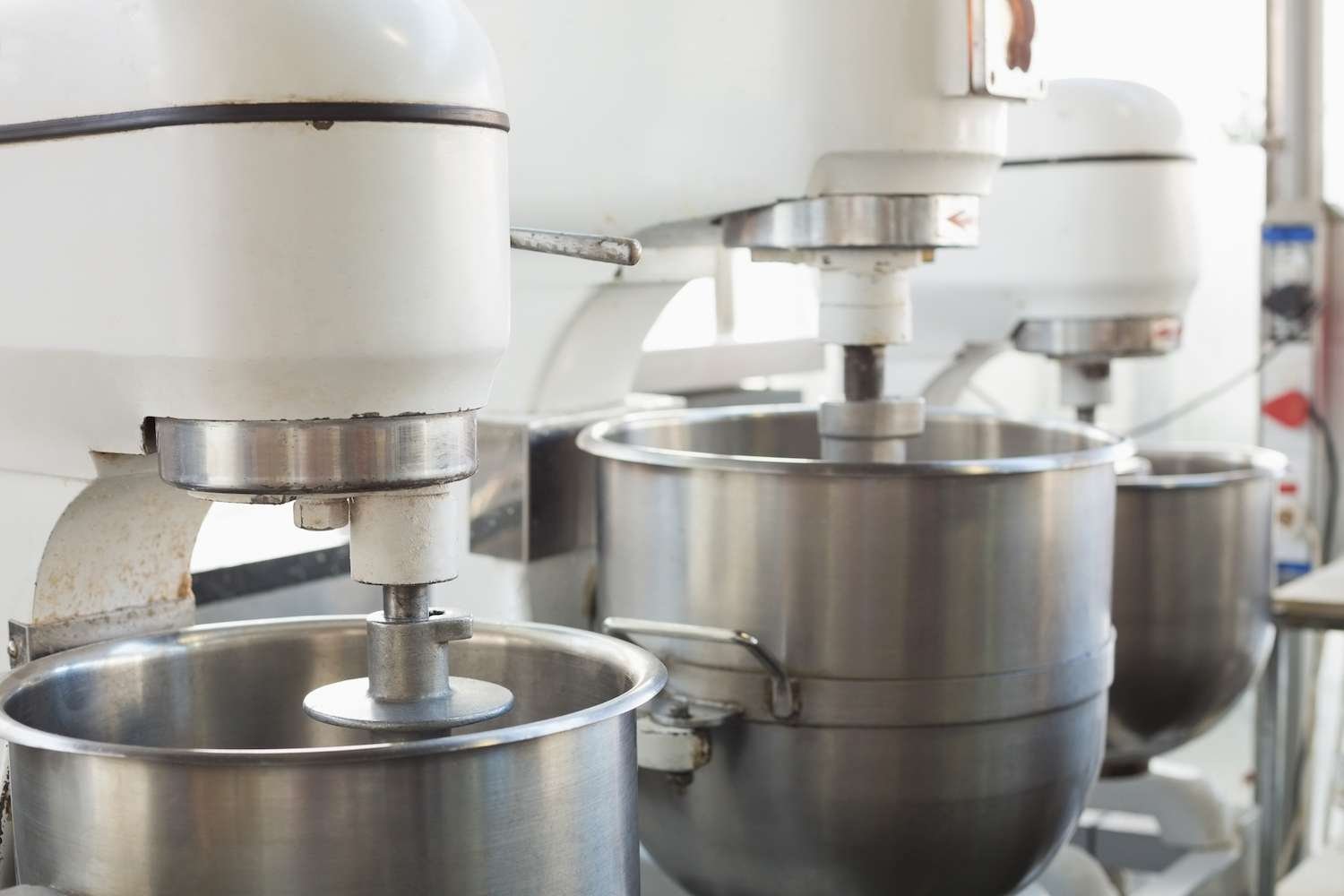
Mixers are a versatile tool used in a bakery. From kneading dough to blending ingredients, mixers come in different sizes and capacities, such as planetary and spiral mixers. Understanding your bakery’s needs will help you determine the appropriate mixer for your operations.
Planetary mixers are commonly used for mixing batters, whipping cream, and blending ingredients, offering versatility in a compact design. Spiral mixers, on the other hand, are designed for heavy-duty dough mixing, making them ideal for bakeries that specialise in bread and pizza production.
Dough Preparation Tools
Efficiently preparing dough is essential for any bakery. Dough sheeters, dough dividers, and dough rounders are invaluable tools that streamline the process, ensuring consistent and uniform results. These tools save time and effort, allowing bakers to focus on other essential tasks.
Dough sheeters are used to roll out dough to a consistent thickness, essential for pastries and croissants. Dough dividers help portion dough accurately, ensuring uniformity in product size and baking time. Dough rounders shape dough into perfect balls, ready for proofing and baking.
Baking Utensils and Accessories
Having the right baking utensils and accessories is crucial for a bakery’s day-to-day operations. Baking pans, silicone mats, cooling racks, and measuring tools are just a few examples of essential items that contribute to the success of your bakery. Invest in quality items that will withstand the demands of a professional kitchen.
Silicone mats are non-stick and heat-resistant, perfect for baking cookies and pastries without the need for parchment paper. Cooling racks allow baked goods to cool evenly, preventing sogginess. Quality measuring tools ensure precision in recipes, leading to consistent and delicious results every time.
Selecting the Right Bakery Equipment
Factors to Consider When Buying Bakery Equipment
When purchasing bakery equipment, several factors should be taken into consideration:
- Budget: Determine your budget and ensure you find the best equipment within your price range.
- Space: Evaluate your bakery’s available space to ensure your equipment fits comfortably.
- Capacity: Consider your bakery’s production demands and select equipment that can handle the required volume.
- Energy Efficiency: Opt for energy-efficient equipment to reduce operating costs and minimise environmental impact.
Moreover, it’s crucial to consider the versatility of the equipment. Some bakery equipment can perform multiple functions, saving space and costs in the long run. Additionally, think about the ease of maintenance and cleaning. Equipment that is easy to clean and maintain will ensure smooth operations and longevity.
New vs. Used Bakery Equipment
Deciding between new or used equipment is a common dilemma for bakery owners. While new equipment comes with the latest features and warranties, used equipment offers considerable cost savings. Carefully evaluate the condition and reliability of used equipment before making a purchase. Remember, well-maintained used equipment can be just as effective as new equipment.
Another aspect to consider is the technological advancements in newer equipment. New bakery equipment often comes with updated technology that can enhance efficiency and quality. However, used equipment that has been retrofitted with modern upgrades can also offer similar benefits at a lower cost. Ultimately, the decision between new and used bakery equipment should be based on your specific needs, budget, and long-term goals.
Maintenance and Care of Bakery Equipment
When it comes to the maintenance and care of bakery equipment, attention to detail is key. Proper maintenance and regular cleaning are not just tasks but essential practices that can make a significant difference in the performance and lifespan of your equipment. By following the manufacturer’s guidelines diligently and establishing a comprehensive maintenance schedule, you can ensure that your bakery equipment runs smoothly and efficiently.
Aside from routine cleaning, it’s crucial to pay attention to lubrication and inspection of key components. Lubrication helps reduce friction and wear on moving parts, while regular inspections can help identify potential issues before they escalate. Remember, a well-maintained piece of equipment not only functions better but also contributes to the overall quality and consistency of your baked goods.
Regular Cleaning and Maintenance Tips
Proper maintenance and regular cleaning are essential to keep bakery equipment running smoothly and ensure longevity. Follow the manufacturer’s guidelines and establish a maintenance schedule that includes cleaning, lubrication, and inspection of key components. Regularly cleaning and sanitising equipment prevents contamination and maintains the quality of your baked goods.
Furthermore, investing in high-quality cleaning products and tools can make the cleaning process more effective and efficient. Consider using food-safe sanitisers and degreasers to maintain a hygienic environment in your bakery. Remember, cleanliness is not just about aesthetics but also about food safety and customer satisfaction.
Troubleshooting Common Equipment Problems
Even with well-maintained equipment, occasional problems may arise. Understanding how to troubleshoot common issues can save time and prevent disruptions to your bakery’s operations. Familiarise yourself with common problems like faulty thermostats, electrical issues, and mechanical failures. In some cases, calling a professional for repairs may be necessary.
It’s also beneficial to keep a detailed log of maintenance activities and any issues encountered. This log can help you track patterns of problems and identify areas where additional training or equipment upgrades may be necessary. Remember, proactive maintenance and troubleshooting can go a long way in ensuring the smooth operation of your bakery.
Upgrading Your Bakery Equipment
When to Consider Upgrading
As your bakery grows and evolves, upgrading your equipment becomes necessary to meet increased production demands and keep up with industry trends. Consider upgrading when you experience frequent breakdowns, your equipment no longer meets your production needs, or new technology can significantly enhance your operations.
It’s important to note that upgrading your bakery equipment is not just about replacing old machines with new ones. It’s also an opportunity to streamline your processes, improve product quality, and increase overall efficiency. By investing in modern equipment, you can reduce downtime, minimise waste, and ultimately boost your bottom line.
Choosing the Right Upgrades for Your Bakery
When considering upgrades, research the latest trends and technological advancements in the baking industry. Look for features that improve efficiency, reduce labour costs, and enhance the quality of your products. Consult with equipment experts to find the right upgrades that align with your goals and budget.
Furthermore, when selecting upgrades for your bakery, consider not only the immediate benefits but also the long-term impact on your business. For example, investing in energy-efficient equipment may require a higher initial investment but can lead to significant cost savings on utility bills over time. It’s essential to weigh the pros and cons of each upgrade to make informed decisions that benefit your bakery in the long run.
Ready to take your baking to the next level? Find other great tips at https://bbb.aykay.co/blog/ and revolutionise your kitchen today!

About the Author
Kaylene Grieve, a passionate baker and culinary educator, carries on a rich family legacy in the world of pastries and confections that began with her grandfather’s successful bakery. With over two decades of experience in business and marketing, Kaylene combines her baking heritage with digital expertise as the founder of Bake Batter & Beyond. This comprehensive baking resource reflects her mission to make the joy and science of baking accessible to all.
Dedicated to empowering both novice and experienced bakers, Kaylene’s website offers practical knowledge and tools including measurement converters, substitution guides, troubleshooting tips, and baking rescue techniques. Her special focus on the intricate world of cake making, coupled with her unique blend of family tradition and modern savvy, has established Kaylene as a trusted voice in the baking community.



0 Comments