
Choosing the right commercial baking equipment is crucial for your bakery’s success. Whether you’re launching a new bakery or upgrading your existing operation, this comprehensive guide will help you make informed decisions about the essential equipment you need.
Understanding Commercial Bakery Equipment
Before diving into the specifics, it is essential to understand why quality commercial bakery equipment is vital for your business. Having reliable equipment not only ensures efficient production but also contributes to the overall quality and consistency of your baked goods. Investing in high-quality equipment also increases productivity, reduces downtime, and ultimately saves costs in the long run.
When it comes to commercial bakery equipment, precision and durability are key factors to consider. Quality bakery equipment is designed to withstand the rigorous demands of a busy bakery environment. With precise temperature control and durable construction, these machines ensure that your baked goods turn out consistently perfect every time. This level of reliability not only saves you time and money but also helps in maintaining a loyal customer base.
Essential Commercial Baking Equipment for Modern Bakeries
Commercial bakery equipment is foundational for efficient, large-scale production in today’s bakeries. Here’s an in-depth look at the equipment every modern bakery needs for streamlined operations and high-quality output.
1. Commercial Mixers
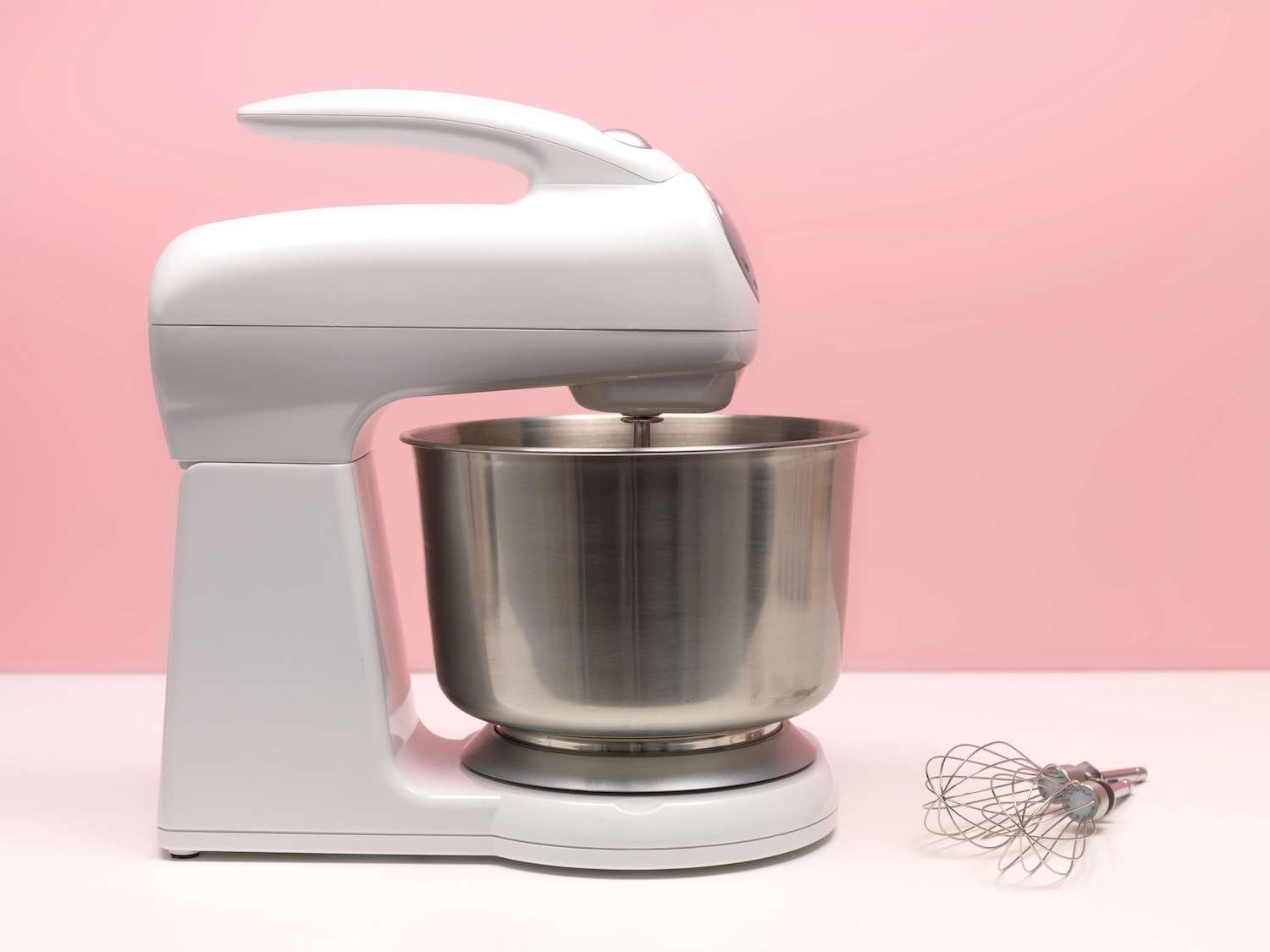
For any commercial bakery, equipment like heavy-duty mixers are indispensable. These mixers are designed to manage the demands of high-volume baking while ensuring consistent results:
- Capacity: Commercial mixers come in a variety of sizes, ranging from compact 20-quart models for small batches to massive 140-quart mixers ideal for large-scale production.
- Power: These mixers pack a punch, with motor options from 1/2 HP up to 3 HP to handle even the densest doughs without straining.
- Features: Look for mixers with variable speed settings, bowl guards, and timer functions to enhance safety and control.
- Price Range: Depending on specifications, commercial mixers range between $2,000 and $20,000.
- Top Brands: Well-established brands like Hobart, KitchenAid Commercial, and Globe offer reliability and durability in commercial bakery equipment.
2. Commercial Ovens
The oven is the heart of any bakery, and investing in quality commercial bakery equipment in this category is essential for producing top-notch products:
- Deck Ovens: Known for creating the perfect crust and texture, deck ovens are ideal for artisan bread and pizzas, bringing a unique quality to each batch.
- Convection Ovens: Convection ovens circulate hot air, making them a perfect choice for items like cookies, pastries, and cakes, ensuring even baking and efficiency.
- Rack Ovens: High-volume bakeries benefit from rack ovens, which can bake multiple racks of products simultaneously, maximizing throughput.
- Steam Injection: For that signature crusty texture in artisan breads, steam injection ovens are a must.
- Energy Efficiency: Opting for ENERGY STAR-rated ovens helps control energy costs while contributing to sustainable baking practices.
3. Refrigeration Systems
Temperature-sensitive ingredients and finished products require precise cooling, and commercial bakery equipment in refrigeration is crucial for freshness and food safety:
- Walk-In Coolers: These large, enclosed refrigerators provide ample storage for perishable goods, ideal for keeping dough and fillings at safe temperatures.
- Reach-In Refrigerators: Great for smaller ingredients and items that need quick access during busy production times.
- Proof Boxes: Proof boxes ensure consistent temperature and humidity levels, optimizing dough rising for quality and consistency.
- Blast Chillers: Essential for rapid cooling, blast chillers lock in freshness, especially useful for items requiring quick freeze or controlled cooling post-baking.
- Average Investment: The cost of commercial refrigeration systems can vary, typically ranging between $5,000 and $30,000, depending on the model and capacity.
4. Preparation Equipment
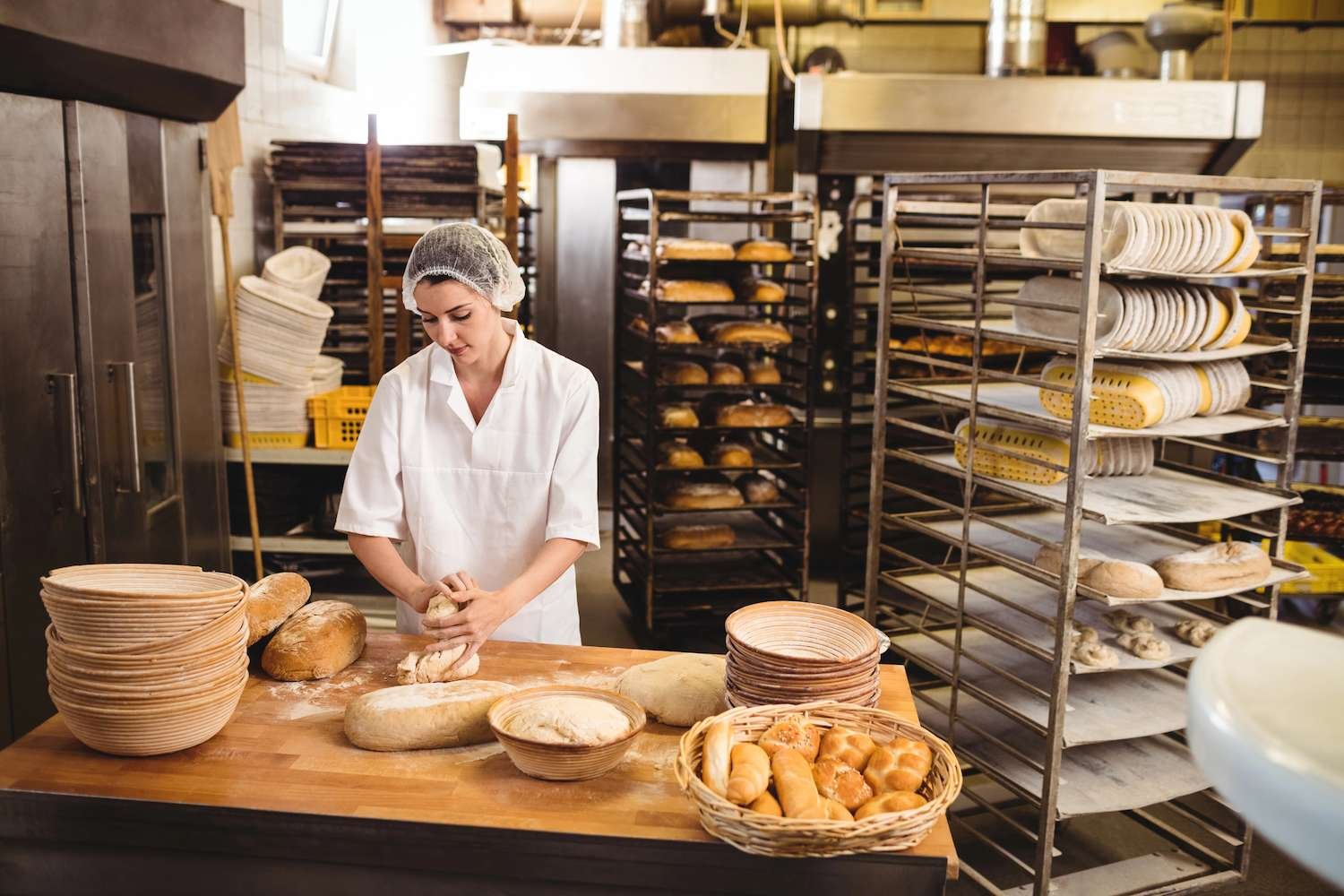
Efficient, high-output bakeries require preparation equipment that can handle constant use. Quality commercial bakery equipment for prep areas can dramatically enhance productivity:
- Dough Sheeters: Essential for rolling dough evenly, dough sheeters save time and ensure consistent thickness, ideal for pastries, pizzas, and laminated doughs.
- Work Tables: Durable stainless-steel tables provide a hygienic, easy-to-clean surface for rolling, shaping, and assembly.
- Storage Racks: These racks are crucial for organized storage and quick access, keeping the kitchen orderly and ingredients accessible.
- Scales: Accurate measurement is essential in commercial baking, so investing in digital scales guarantees consistency and precision.
- Ingredient Bins: High-quality ingredient bins keep bulk ingredients fresh and accessible, minimizing preparation time and ensuring that ingredients are stored safely.
Incorporating the right commercial bakery equipment into a bakery setup enhances workflow, ensures product consistency, and meets the demands of high-volume baking. Investing in quality equipment from the start is an investment in the bakery’s longevity and quality production.
Commercial Bakery Equipment vs. Home Baking Equipment: Key Differences
Commercial bakery equipment is built for durability, high volume, and efficiency, unlike standard home baking tools designed for occasional use. It can operate continuously, featuring larger capacities, more powerful motors, and specialized functions like steam injection in ovens, which enhance product quality and consistency. These capabilities enable professional bakeries to produce at a scale and speed that home equipment cannot achieve.
The Importance of Quality Bakery Equipment
Commercial bakery equipment is designed to withstand the demands of commercial baking. From precision temperature control to durable construction, quality equipment ensures consistent baking results. It also allows you to offer a wide range of products, from bread and pastries to cakes and cookies, ensuring versatility and customer satisfaction.
Moreover, investing in top-notch bakery equipment can also have a positive impact on the working environment. Modern equipment is often designed with user-friendly features that make operation smoother and more efficient. This not only benefits your staff by reducing physical strain and effort but also enhances overall workplace productivity.
Selecting the Right Commercial Bakery Equipment
When it comes to selecting commercial bakery equipment, there are several factors to consider. These include your specific needs, production volume, available space, budget, and energy efficiency. Furthermore, striking the right balance between cost and quality is crucial.
Before making a decision, it’s important to assess the layout of your bakery to determine the best placement for each piece of equipment. Consider factors such as workflow efficiency, proximity to power sources, and ventilation requirements. Planning the equipment layout strategically can optimise productivity and create a seamless baking process.
Factors to Consider When Choosing Equipment
When selecting commercial bakery equipment, several crucial factors can significantly impact your operations and overall success. First and foremost, size and capacity are paramount. Depending on your bakery’s production goals, you should assess how much output you need and choose equipment that can handle those demands without strain. For instance, if you’re a small bakery focusing on artisan products, a compact mixer may suffice. However, larger operations may require industrial-scale mixers and ovens to meet high production levels.
Ease of use is another critical consideration. The more user-friendly your equipment is, the smoother your baking processes will be. Look for features like intuitive controls, ergonomic designs, and straightforward assembly. Equipment that’s easy to operate not only improves workflow but also minimizes training time for new staff, ensuring that your team can hit the ground running.
Maintenance requirements should not be overlooked either. Regular upkeep is essential to prolong the lifespan of your equipment. Research the maintenance needs of different machines; some may require more frequent servicing or specific cleaning procedures, which can add to your operational costs. Choosing durable, low-maintenance equipment can help streamline your operations, allowing you to focus more on baking and less on repairs.
Reliability of suppliers is equally important. Partnering with reputable suppliers who offer excellent customer support can make a significant difference in your bakery’s efficiency. Consider suppliers who provide comprehensive warranties and responsive service teams. This assurance can help you feel more secure in your investment and can minimize downtime in case of equipment issues.
Lastly, don’t forget about future scalability. Your bakery may be starting small now, but if you’re aiming for growth, select equipment that can adapt to increased demand. For example, opting for a modular oven that can expand as your production needs rise can save you from the hassle and costs associated with purchasing new equipment down the line.
Cost vs. Quality in Bakery Equipment
When it comes to acquiring commercial bakery equipment, the age-old debate of cost versus quality takes centre stage. While it’s tempting to choose the lowest-priced option to stay within budget, doing so can lead to costly consequences down the road. Compromising on quality may result in frequent breakdowns, lower efficiency, and the need for premature replacements, which can disrupt your production schedule and impact your bottom line.
Investing in high-quality equipment is essential for maintaining operational efficiency. Durable machinery is often constructed with superior materials and advanced technology, which translates into better performance and reliability. Although high-quality equipment might come with a higher upfront cost, it typically results in better long-term returns on investment. Equipment that functions well and lasts longer ultimately reduces the total cost of ownership.
In addition to the initial purchase price, consider the energy efficiency of the equipment. Energy-efficient models may require a larger investment initially but can lead to significant savings on your utility bills over time. Look for machines with Energy Star ratings or similar certifications that indicate low energy consumption. These models not only help in minimizing operational costs but also contribute to your bakery’s environmental responsibility, aligning with the growing consumer preference for sustainable practices.
Lastly, factor in potential maintenance and repair costs when evaluating equipment options. Equipment that is energy-efficient and made from quality materials often incurs lower maintenance costs, further contributing to overall savings. Therefore, while it might seem advantageous to opt for lower-cost options, investing in reliable, energy-efficient commercial bakery equipment can lead to substantial savings and improved operational performance in the long run.
Maintenance and Care for Commercial Bakery Equipment
Once you have set up your bakery, it is crucial to prioritise regular maintenance and care for your equipment. Neglecting maintenance can lead to breakdowns, decreased productivity, and costly repairs. Implementing a proactive maintenance plan will ensure the longevity and optimal performance of your commercial bakery equipment.
Ensuring the smooth operation of your commercial bakery equipment involves more than just routine maintenance; it also requires a deep understanding of the intricate mechanisms at play. Each piece of equipment, from the dough sheeter to the proofing cabinet, has its own set of maintenance requirements. For example, when cleaning the oven, it’s not just about removing visible debris but also ensuring that the heating elements are free of any obstructions that could affect the baking process.
Regular Cleaning and Maintenance Tips
Develop a cleaning schedule for each piece of equipment and follow manufacturer guidelines for maintenance. Regularly clean and inspect ovens, mixers, and other machinery to remove debris and prevent any potential issues. Lubrication, calibration, and periodic inspections by professionals are also essential.
Moreover, understanding the environmental factors that can impact your equipment is crucial. For instance, high humidity levels can affect the performance of your proofing cabinet, while fluctuating temperatures can put additional strain on your refrigeration units. By monitoring these conditions and making adjustments as needed, you can prolong the lifespan of your commercial bakery equipment.
Troubleshooting Common Equipment Issues
Despite regular maintenance, occasional issues may occur. Being familiar with common equipment problems and their troubleshooting techniques will help you quickly address and resolve them. It is advisable to keep a log of any issues and their solutions, enabling you to identify recurring problems and take preventive measures.
Furthermore, investing in staff training on equipment usage and maintenance can significantly impact the overall efficiency of your bakery operations. By empowering your team with the knowledge and skills to identify early warning signs of equipment malfunctions, you can prevent costly breakdowns and minimise downtime.
Upgrading and Replacing Your Commercial Bakery Equipment
In the fast-paced world of baking, your choice of commercial bakery equipment can significantly influence your efficiency, product quality, and profitability. As your bakery evolves, understanding when and how to upgrade or replace your equipment is crucial. This not only enhances your operational capabilities but also ensures you stay competitive in a dynamic market.
When to Upgrade Your Equipment
Several factors indicate it might be time to consider upgrading your commercial bakery equipment:
- Increased Production Demand: As your bakery gains popularity and orders grow, your existing equipment may struggle to keep up. If you find yourself frequently working overtime or unable to meet customer demand, it’s a sign you may need more advanced machinery or additional equipment to boost your production capacity.
- Changing Customer Preferences: The bakery industry is ever-evolving, with trends shifting towards healthier options, artisanal products, or innovative flavors. If your current equipment cannot support new recipes or production methods that align with customer preferences, it may be time to invest in newer technology that offers versatility and creativity.
- Outdated Technology: Just like any other industry, the baking sector continuously introduces advanced technologies aimed at improving efficiency and consistency. If your equipment is outdated, you may be missing out on features that enhance performance, such as energy efficiency, automation, or precision controls. Upgrading to modern commercial bakery equipment can streamline your processes, reduce waste, and improve the quality of your baked goods.
- Equipment Wear and Tear: Regular use can take a toll on even the best equipment. Signs of wear and tear, such as inconsistent baking results, frequent breakdowns, or difficulty in maintenance, should prompt a thorough evaluation. Upgrading worn-out equipment can lead to significant cost savings by reducing repair expenses and preventing production delays.
How to Upgrade Your Equipment
Once you’ve determined the need for upgrades, it’s essential to plan the process carefully. Here are some key steps to follow:
- Assess Your Needs: Evaluate your current production capacity, identify bottlenecks, and determine what types of commercial bakery equipment will best meet your needs. For instance, if you’re expanding into custom cakes, consider investing in high-quality mixers and ovens that accommodate larger volumes or specialty designs.
- Research Options: Explore various brands and models of commercial bakery equipment that fit your requirements. Read reviews, seek recommendations from industry peers, and consider visiting trade shows to see the equipment in action. Comparing options can help you make informed decisions about which machinery will best serve your bakery.
- Budgeting: Upgrading your equipment can be a significant investment. Create a budget that includes not only the purchase price but also installation costs, maintenance, and potential training for staff. Consider financing options if necessary, such as leasing or loans, to make the upgrade more manageable.
- Disposal of Old Equipment: Proper disposal of your old commercial bakery equipment is crucial. If the equipment is still functional, consider donating it to local culinary schools or non-profit organizations. For broken or unusable machinery, research environmentally responsible disposal methods to minimize your ecological footprint.
- Training Staff: After acquiring new equipment, ensure your team is well-trained in its use and maintenance. Proper training can maximize the benefits of your new machinery, ensuring efficient production and reducing the risk of accidents.
Upgrading or replacing your commercial bakery equipment is a vital part of maintaining a successful bakery. By staying proactive about your equipment needs, you can enhance your production capabilities, adapt to market trends, and ultimately drive your bakery’s success. Regular evaluations and timely upgrades will not only improve efficiency but also ensure you’re providing the best possible products to your customers.
In conclusion, understanding commercial bakery equipment, selecting the right equipment, and ensuring proper maintenance are key to running a successful bakery business. Investing in quality equipment, regularly maintaining it, and knowing when to upgrade or replace it will contribute to efficient production, consistent product quality, and customer satisfaction.
By following this ultimate guide, you are well on your way to equipping your bakery for success. Invest in quality equipment and watch your bakery thrive. Explore Bake Batter & Beyond now for other useful guides!

About the Author
Kaylene Grieve, a passionate baker and culinary educator, carries on a rich family legacy in the world of pastries and confections that began with her grandfather’s successful bakery. With over two decades of experience in business and marketing, Kaylene combines her baking heritage with digital expertise as the founder of Bake Batter & Beyond. This comprehensive baking resource reflects her mission to make the joy and science of baking accessible to all.
Dedicated to empowering both novice and experienced bakers, Kaylene’s website offers practical knowledge and tools including measurement converters, substitution guides, troubleshooting tips, and baking rescue techniques. Her special focus on the intricate world of cake making, coupled with her unique blend of family tradition and modern savvy, has established Kaylene as a trusted voice in the baking community.



0 Comments