
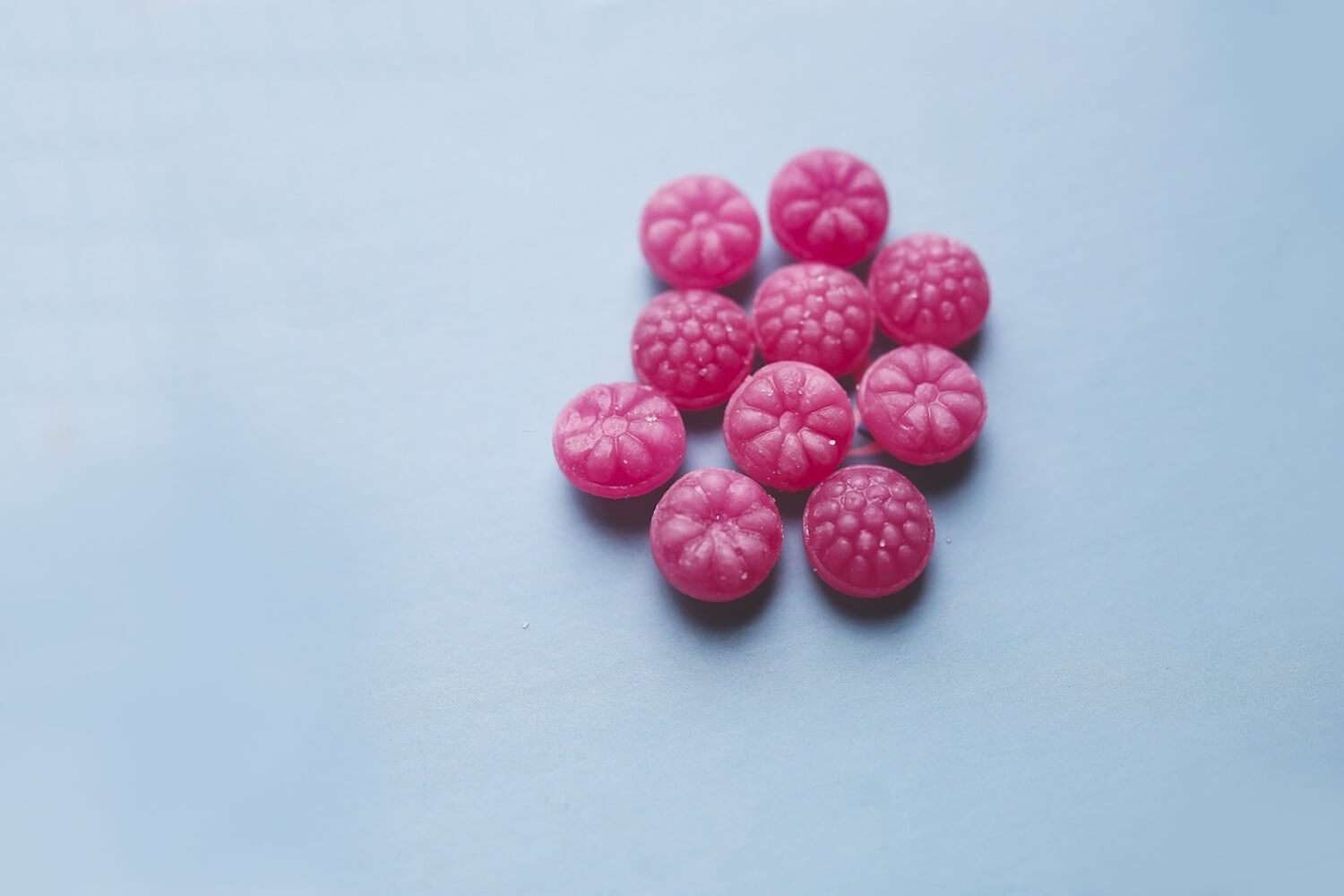
Candy making molds are an essential tool for anyone interested in the art of confectionery. Whether you are a beginner or an experienced candy maker, understanding the different types of molds, their materials, and how to choose the right one for your candies is crucial.
Additionally, knowing how to properly clean and maintain your molds, troubleshooting common issues that may arise, and exploring advanced techniques will elevate your candy making game to the next level. In this comprehensive guide, we will delve into all these aspects and more, equipping you with the knowledge and skills to become a master candy maker.
Understanding Candy Making Molds
When it comes to candy making molds, the options are endless. From classic shapes like hearts and stars to more intricate designs such as animals and flowers, there is a mold to suit every candy maker’s taste. Silicone molds, plastic molds, and metal molds are among the most popular choices.
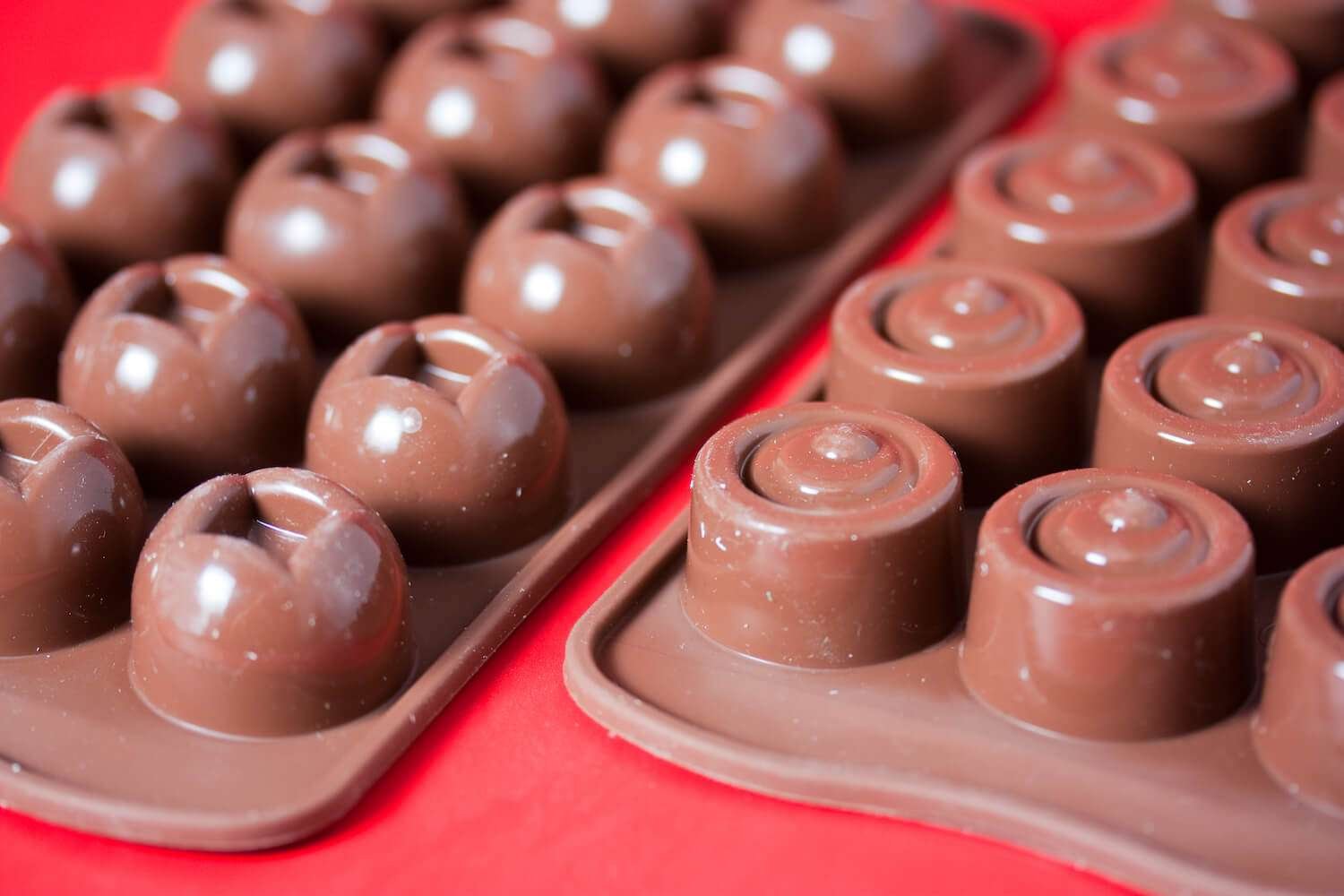
Silicone molds are flexible, non-stick, and easy to clean. They are available in a variety of shapes and sizes, making them ideal for creating detailed candies. Whether you’re looking to make miniature roses or tiny teddy bears, silicone molds can help you achieve intricate designs with ease. The flexibility of silicone molds also makes it effortless to remove the candies once they have been set, ensuring a flawless finish every time.
Plastic molds, on the other hand, are durable and budget-friendly. They come in a range of designs and are perfect for making large quantities of candies. Whether you’re hosting a candy buffet or preparing treats for a special occasion, plastic molds can help you create an abundance of candies in no time. Their sturdy construction ensures that the molds retain their shape, allowing you to produce consistent and professional-looking candies.
Metal molds, typically made from stainless steel or aluminum, are renowned for their exceptional heat conductivity. This makes them ideal for making chocolates, as the even distribution of heat ensures that the candies set properly and have a smooth texture. To achieve a shiny finish on your chocolates, it is important to use tempered chocolate with metal molds. The heat conductivity of the metal helps the chocolate cool and solidify quickly, resulting in a glossy appearance that is sure to impress.
Materials Used in Candy Making Molds
The materials used in candy making molds can significantly impact the candy-making process and the final result. Plastic molds are commonly made from food-grade polyethylene terephthalate (PET), which is safe for use with various types of candies. This material is known for its durability and resistance to high temperatures, ensuring that your plastic molds can withstand repeated use without warping or melting.
Silicone molds are often made from food-grade silicone, a versatile material known for its non-toxic properties and heat resistance. Silicone is an excellent choice for candy making molds as it is flexible, allowing for easy removal of the candies. It is also non-stick, which means you won’t have to worry about the candies sticking to the mold and ruining their shape. Additionally, silicone molds are dishwasher safe, making cleanup a breeze.
Metal candy making molds, as mentioned earlier, are typically made from stainless steel or aluminium, providing superior heat distribution and durability. Stainless steel molds are resistant to corrosion and can withstand high temperatures, making them suitable for both hot and cold candy making processes. Aluminium molds are lightweight and offer excellent heat conductivity, ensuring that your candies set properly and have a professional finish.
Choosing the Right Mold for Your Candy
Choosing the right mold for your candy involves considering factors such as the type of candy you want to make, the level of detail required, and your personal preferences. If you’re making simple candies like basic shapes or solid bars, silicone or plastic molds will suffice. These candy making molds are easy to use and offer a wide range of designs to choose from.
However, for more intricate designs or delicate chocolates, metal molds are recommended. Metal molds allow for precise detailing and ensure that your chocolates come out with a professional finish. They are especially useful when making candies with intricate patterns or designs that require sharp edges and fine lines.
Additionally, it is crucial to consider the size of your candies. Small silicone or plastic molds are ideal for bite-sized candies, while larger molds work well for bigger treats. The size of the mold will determine the portion size of your candies, so choose accordingly to ensure consistency in your final product.
Ultimately, the right mold for your candies is one that suits your needs and allows you to unleash your creativity and imagination. Whether you prefer the flexibility of silicone, the durability of plastic, or the heat conductivity of metal, there is a candy making mold out there that will help you bring your sweet creations to life.
The Role of Molds in Candy Making
The Science Behind Candy Molds
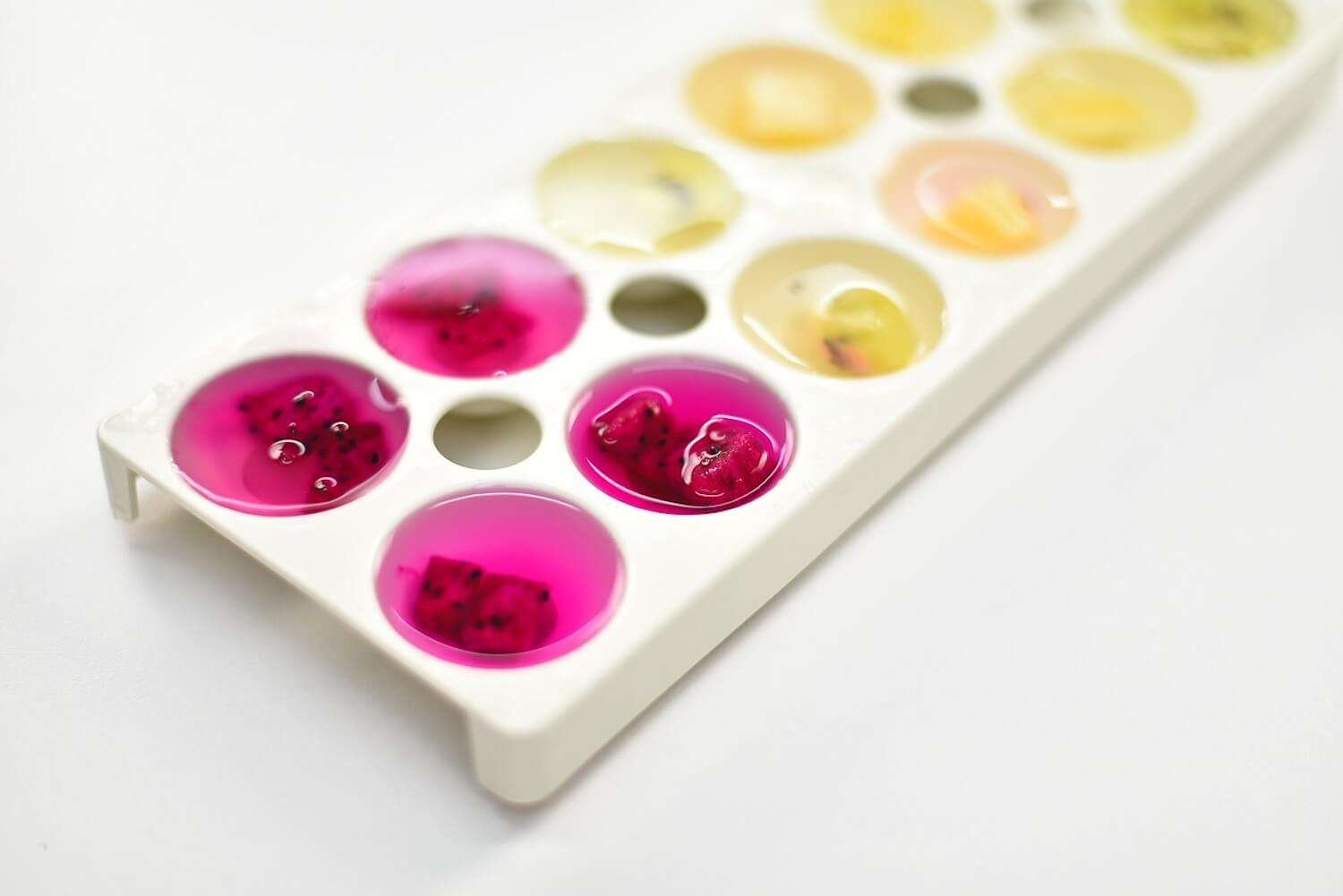
Have you ever wondered why candies take on the shape of the mold they are poured into? The answer lies in the science behind candy making molds. When the liquid candy mixture is poured into a mold, it begins to cool and solidify, taking the shape of the mold as it hardens. This process, known as congealing, allows candies to retain the intricate details and shapes of the molds they are made in. The choice of mold material and the candy mixture’s temperature and consistency play a crucial role in the final outcome.
How Molds Shape the Candy Making Process
Candy molds not only shape candies physically but also influence the candy making process itself. They provide structure to the candies, ensuring they maintain their desired shape and size. The molds also help in achieving uniformity, resulting in visually appealing candies that are consistent in appearance. Moreover, molds can enhance the presentation of candies, making them more enticing and attractive to both children and adults alike.
Maintaining and Cleaning Your Candy Molds
Proper Cleaning Techniques for Candy Molds
To ensure that your candy molds last for years to come, proper cleaning techniques are essential. After each use, gently wash your molds with warm soapy water, ensuring all traces of candy are removed. Avoid using abrasive materials or harsh chemicals, as they can damage the molds. If needed, you can also soak the molds in a mixture of warm water and mild dish soap to help loosen any stubborn candy residue. Once clean, allow the molds to air dry or pat them gently with a clean towel.
Tips for Extending the Life of Your Candy Molds
By following a few simple tips, you can extend the life of your candy molds and ensure they remain in optimal condition. Firstly, avoid exposing your molds to extreme temperatures, as this can cause warping or cracking. Store them in a cool, dry place away from direct sunlight. Secondly, avoid using sharp utensils or knives when removing candies from the molds to prevent scratching or damaging the mold’s surface. Lastly, treat your molds with care and handle them gently to avoid any unnecessary wear and tear.
Troubleshooting Common Issues with Candy Molds
Dealing with Candy Sticking to Molds
One common issue that candy makers may encounter is candies sticking to the molds, making it difficult to remove them cleanly. To prevent this, ensure that your molds are properly greased or coated with cooking spray before pouring in the candy mixture. Additionally, allow the candies to cool and set completely before attempting to remove them from the molds. If you still face sticking issues, try placing the molds in the freezer for a few minutes. The cold temperature often helps in releasing the candies more easily.
Fixing Deformed or Damaged Candy Molds
Over time, candy molds can become deformed or experience damage due to wear and tear. If you notice any deformations or cracks in your molds, it may be time to retire them and invest in new ones. However, minor imperfections can sometimes be rectified. For example, if a mold is slightly misshapen, you can try heating it gently with a hairdryer to reshape it. Just be cautious not to overheat the mold, as this can cause further damage.
Advanced Techniques for Using Candy Molds
Creating Multi-Coloured Candies with Molds
Using candy molds opens up a world of possibilities for creating multi-coloured candies that are visually stunning. To achieve this effect, melt different colours of candy melts or tempered chocolate and carefully pour them into separate sections of the mold. Use a toothpick or a small spoon to swirl the colours together gently, creating beautiful marbled patterns. Once the candy has cooled and set, simply remove the candies from the mold, and you will have an array of multi-coloured treats that are sure to impress.
Using Molds for Layered or Filled Candies
Molds can also be used to create layered or filled candies that add a delightful surprise to every bite. To make layered candies, pour a small amount of melted candy into the mold, allowing it to set partially. Once it has started to harden, pour a different coloured candy on top, creating distinct layers. For filled candies, pour a small amount of melted candy into the mold, press a small piece of your desired filling (such as caramel or nut) into the candy, and cover it with more melted candy. The result is an indulgent candy with a hidden filling that will leave your taste buds wanting more.
With this guide to candy making molds, you are now equipped with the knowledge and tools to create delectable candies in an array of shapes and sizes. So, unleash your creativity, experiment with different molds and techniques, and indulge in the sweet satisfaction of making your very own mouth-watering masterpieces.
Ready to elevate your sweet creations? Discover a range of other sweet treat inspiration here.

About the Author
Kaylene Grieve, a passionate baker and culinary educator, carries on a rich family legacy in the world of pastries and confections that began with her grandfather’s successful bakery. With over two decades of experience in business and marketing, Kaylene combines her baking heritage with digital expertise as the founder of Bake Batter & Beyond. This comprehensive baking resource reflects her mission to make the joy and science of baking accessible to all.
Dedicated to empowering both novice and experienced bakers, Kaylene’s website offers practical knowledge and tools including measurement converters, substitution guides, troubleshooting tips, and baking rescue techniques. Her special focus on the intricate world of cake making, coupled with her unique blend of family tradition and modern savvy, has established Kaylene as a trusted voice in the baking community.

0 Comments