
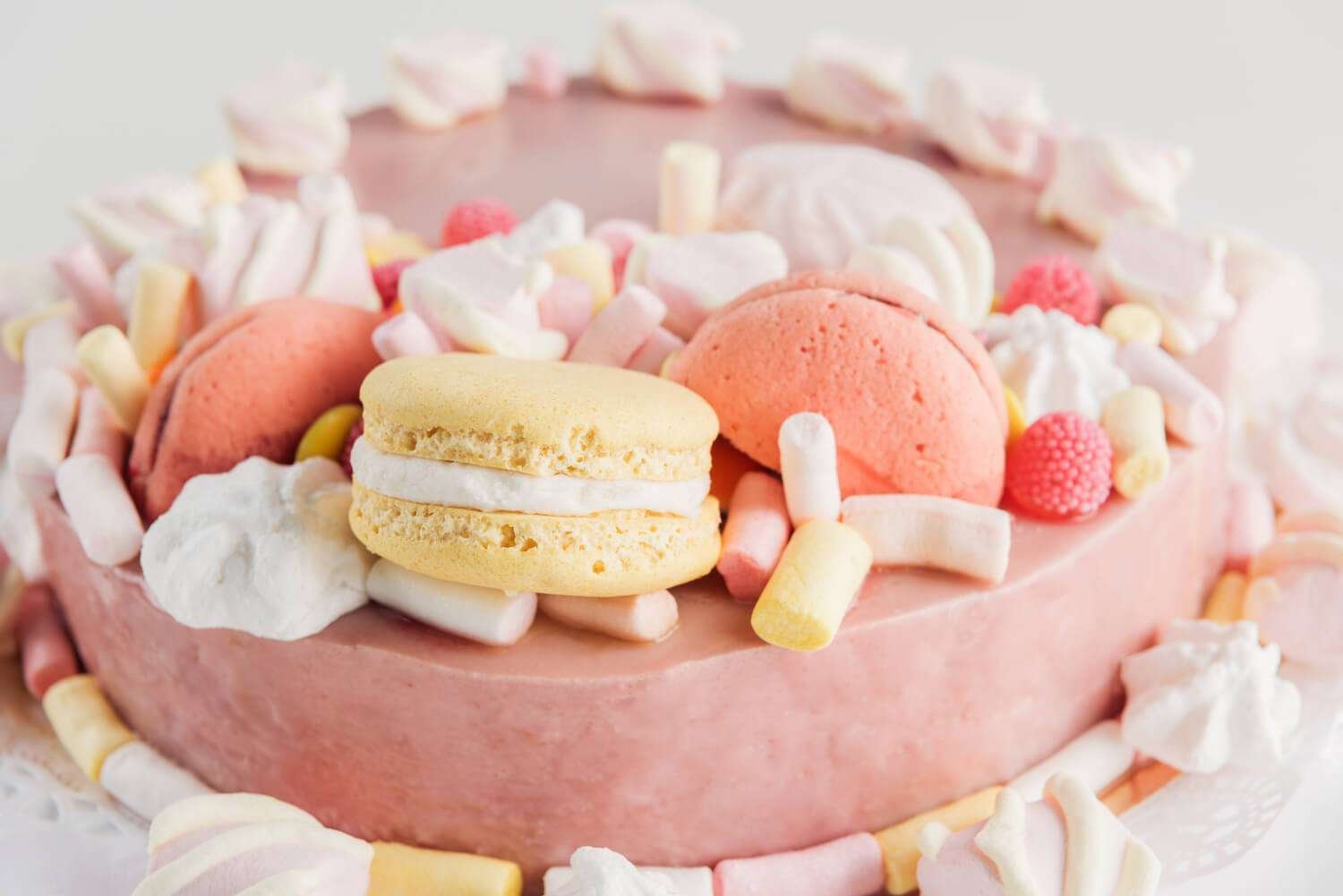
Are you ready to transform ordinary cakes into gorgeous creations? Cake decorating for beginners doesn’t have to be intimidating. In this comprehensive guide, we’ll walk you through everything you need to know to start your cake decorating journey with confidence.
Cake decorating is an enjoyable and rewarding skill to learn, and with the right tools and techniques, beginners can create stunning cakes with ease. Here’s a step-by-step guide to cake decorating for beginners to help you get started.
Essential Tools for Cake Decorating for Beginners
Having the right tools is essential when you’re just starting out with cake decorating.
- Piping Bags and Tips: Piping bags and a variety of tips are essential tools for beginners to create everything from borders and flowers to lettering. Start with basic tips like petal, leaf, and round to experiment with different designs and textures, and build up your skills in cake decorating for beginners.
- Flower Nails and Scissors: Flower nails and scissors are fantastic for creating delicate buttercream flowers. Place a dollop of buttercream on the nail, spin it while piping petals, and carefully use the scissors to transfer the flower to your cake. These tools help you achieve professional-looking results, even as a beginner.
- Palette Knives and Smoothers: Palette knives and fondant smoothers are essential for creating even, smooth layers of frosting or fondant. Palette knives allow you to spread frosting evenly, while smoothers are ideal for working with fondant, helping beginners achieve that professional, polished look.
- Food Coloring Gels: Food coloring gels are more vibrant and less watery than liquid colors, making them perfect for cake decorating for beginners. These gels allow you to achieve deeper, more consistent colors in your frosting and fondant without altering the consistency of the icing.
- Petal Dust and Brushes: Petal dust and brushes bring another level of detail to your cakes, adding depth and realism to sugar flowers and decorations. Simply brush petal dust onto fondant or buttercream to add a lifelike touch to your designs, making it ideal for beginners looking to elevate their cakes.
- Modeling Tools for Fondant: Fondant modeling tools allow you to create intricate designs and details. Tools with small ends are great for adding textures, shaping details, and refining fondant decorations—perfect for cake decorating for beginners who want to explore fondant.
- Wire and Tape (for Sugar Flowers): If you want to create sugar flowers, floral wire and tape are must-haves. The wire allows you to structure each petal, and floral tape keeps stems in place, providing structure and realism to your edible flowers.
- Non-Stick Rolling Pin: A non-stick rolling pin is crucial when working with fondant or gum paste. Its smooth surface prevents sticking, allowing you to roll out even, thin layers, which are essential for smooth, elegant cakes.
- Flower Formers/Drying Foam: Flower formers and drying foam provide structure to your fondant or gum paste flowers as they set. These accessories are helpful for beginners, allowing flowers and other decorations to dry into lifelike shapes and hold their form.
Pro Tip: Don’t feel pressured to buy everything at once. Start with these basics and expand your collection as you grow more comfortable.
Techniques to Practice in Cake Decorating for Beginners
Once you have the essential tools, it’s time to start practising some basic techniques in cake decorating for beginners:
- Basic Piping Techniques: Start by practising foundational piping patterns, such as rosettes, borders, and small dots, which are essential in cake decorating for beginners. Using a piping bag with different tips, work on achieving consistent pressure to control the flow of frosting, which is key to creating smooth and even designs. Practising with these basic shapes will give you a feel for the frosting’s texture and help you develop precision in your hand movements, both of which are crucial for creating beautifully decorated cakes. Gradually, you can experiment with more complex patterns as you gain control and confidence.
- Smoothing and Leveling: Use a palette knife and a cake smoother to perfect the art of creating even, smooth surfaces. Achieving a seamless, polished look is a skill that requires patience, as it forms the foundation for any decoration you’ll add on top. When smoothing, work in small, steady strokes, and use a turntable to make even applications easier. This technique is a must-have in cake decorating for beginners, as it provides the base needed for any cake design, allowing your decorations to stand out against a flawless background. Mastering this step will ensure your cakes have that professional quality from the very beginning.
- Colour Mixing: Working with food colouring gels allows you to explore a wide range of colours and shades, enhancing your creativity. Start by adding small amounts of gel colour to your icing, blending thoroughly, and gradually adding more until you reach the desired hue. Experiment with mixing colours to create unique shades, like a soft pastel gradient or a vibrant ombre effect, which can bring an eye-catching aesthetic to your cakes. Colour mixing is a fantastic skill in cake decorating for beginners and adds an exciting layer of personalization to your cakes that truly sets your designs apart.
- Shaping Fondant Decorations: Using modelling tools with fondant can be a fun way to personalize your cakes with small, handcrafted decorations. Start with simple shapes like stars, hearts, or flowers to get comfortable with the feel of fondant. Begin by kneading the fondant until it’s smooth, then use cutters or tools to shape it into your desired forms. Practising these smaller shapes helps build confidence and develops your skill in cake decorating for beginners as you learn how to handle fondant and understand how it reacts to shaping.
- Using Flower Formers: Once you’ve practised creating fondant flowers, flower formers become a valuable tool for adding realism and dimension to your decorations. Place your fondant flowers in these formers to give them a natural, lifelike curve as they set, which enhances the overall look and adds a dynamic touch. This technique is especially useful for cake decorating for beginners who want to take their fondant work to the next level, as it provides structure and helps each flower maintain its shape while drying, resulting in a more polished and professional appearance on your cakes.
Understanding the Basics of Cake Decorating
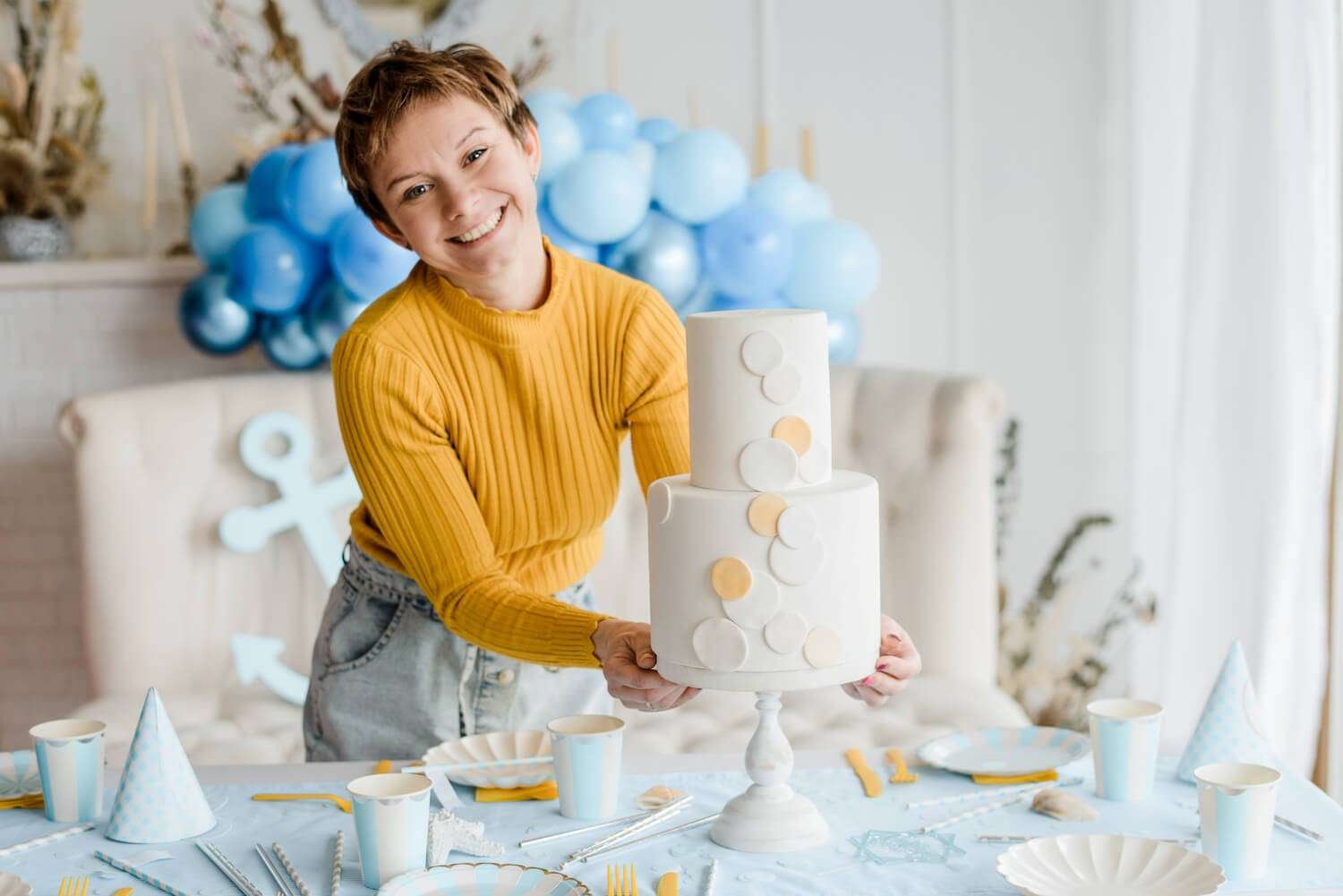
Before diving into the details, it’s helpful to appreciate the importance of cake decorating as a skill. Not only does it enhance the beauty of your cake, but it also adds a personal touch that showcases your creativity and passion. Whether you’re decorating a cake for a special celebration or simply want to enjoy the process of creating something beautiful, mastering cake decorating will take your baking creations to the next level.
Preparing Your Cake for Decoration
In cake decorating for beginners, proper preparation is essential to creating a beautiful, smooth base ready for decorating. This preparation includes baking a perfect cake, cooling and levelling it, and applying a crumb coat to seal in the crumbs. Let’s explore each of these crucial steps in more detail.
Creating a beautifully decorated cake involves much more than the final layer of frosting or fondant; it’s about dedicating time and precision to each stage of the process. By focusing on careful preparation, even beginner decorators can achieve impressive results that taste as good as they look.
Baking the Perfect Cake
The foundation of any well-decorated cake starts with a flavorful, moist base. Cake decorating for beginners often begins with mastering a reliable recipe that yields consistently good results. Follow a tried-and-true recipe or experiment until you find a cake you’re thrilled with. Accurate measurements, proper mixing, and attention to baking times and temperatures are essential to getting the best possible outcome.
Begin experimenting with flavours to elevate your cakes. Try adding ingredients like a touch of citrus zest, vanilla extract, or spices such as cinnamon or cardamom to bring subtle complexity to the flavour. As you become comfortable with these basics, you’ll build a foundation that will improve both your cake and your confidence in cake decorating for beginners.
Cooling and Leveling Your Cake
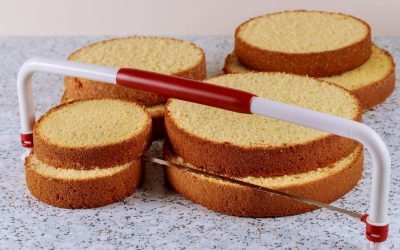
After baking, let your cake cool completely before attempting to decorate. This step may seem simple, but it’s critical because any warmth can cause the frosting to melt, leading to an uneven, messy appearance. Once the cake has fully cooled, use a serrated knife or a cake leveller to remove any domed top, creating a flat surface. A level cake provides a sturdy base and enhances the visual appeal of your decoration.
Ensuring a level surface is particularly important in cake decorating for beginners because it simplifies layering and provides a stable structure for more intricate decorations. A flat, even surface also enables you to apply fillings and icings smoothly, without any dips or bulges. This foundation will make it much easier to achieve clean lines and stunning results that reflect the care you put into each step.
Applying a Crumb Coat
A crumb coat is an essential step in cake decorating for beginners that involves applying a thin layer of icing to seal in any loose crumbs before the final coat. Spread a thin layer of icing evenly over the cake’s surface, trapping all crumbs so they don’t interfere with your final layer. Once applied, chill the cake briefly to set the crumb coat.
This crumb coat creates a smooth, polished base that allows your decorative elements to stand out beautifully. Think of it as priming a canvas; it’s an essential step that enhances the final product and makes achieving flawless results more manageable. The crumb coat adds structure, giving beginners in cake decorating the confidence to experiment with different techniques without worrying about visible crumbs.
Finishing Touches for Cake Decorating for Beginners
By carefully preparing each stage of your cake, you set yourself up for success. Cake decorating for beginners becomes much more manageable when you break down the process and focus on each layer and technique. Every step, from baking to levelling and crumb-coating, contributes to a professional result that’s both delightful to look at and delicious to eat.
With your cake perfectly prepared, you’re ready to explore more decorating techniques and designs, confident that your foundation is solid. Whether adding fondant accents, piping designs, or experimenting with colour, starting with a well-prepared base is key in cake decorating for beginners.
Mastering the Art of Icing
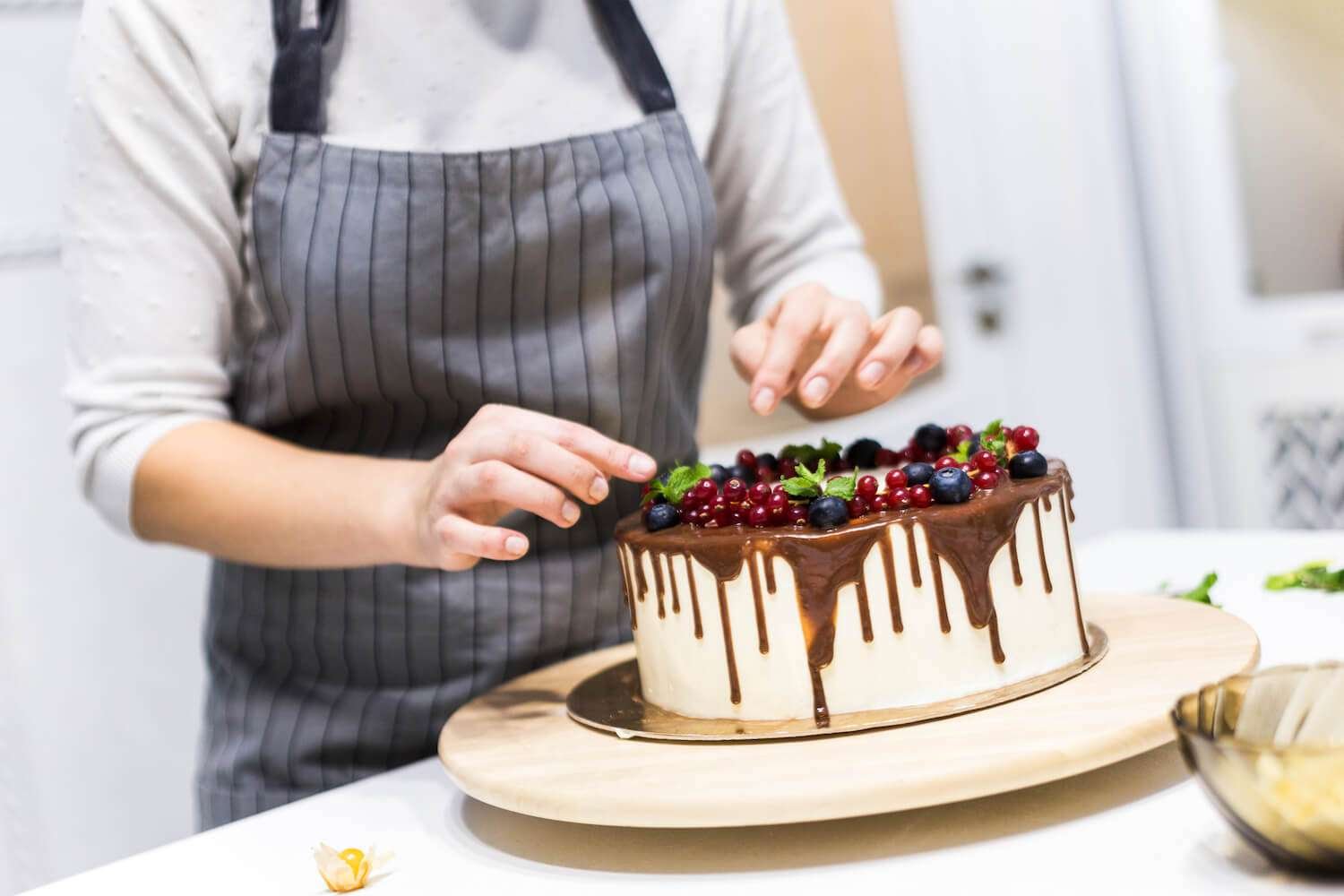
Icing plays a significant role in cake decoration, allowing you to create various designs and textures. Understanding different types of icing, how to Colour it, and techniques for applying it will help you achieve professional-looking results.
Different Types of Icing
In cake decorating for beginners, learning about different types of icing is a key foundation for creating stunning designs. Each type has unique properties that make it ideal for specific decorating techniques. Buttercream icing, for example, is one of the most versatile and popular options, loved for its smooth texture and delicious flavour. Buttercream is excellent for achieving a flawless, smooth finish on cakes and can also be used for intricate piping designs, making it a top choice in cake decorating for beginners.
Royal icing, made from egg whites and powdered sugar, is perfect for creating delicate decorations. It dries hard, which makes it ideal for piping flowers, lace-like designs, and intricate patterns that hold their shape over time. Fondant, another popular choice, is a smooth, pliable icing often used to cover cakes with a sleek finish. Its moldable texture allows bakers to craft three-dimensional decorations, making it a fantastic medium for creating characters, shapes, and textures. Each of these icings offers unique possibilities for cake decorating for beginners who want to explore different styles and effects.
How to Colour Icing
Colouring icing can add a vibrant, creative flair to your cake designs, and cake decorating for beginners wouldn’t be complete without this essential skill. To achieve the best results, gel or paste food colouring is recommended over liquid food colouring. Gel and paste options provide a more concentrated, vibrant colour that doesn’t alter the icing’s consistency. Begin by adding a small amount of colour to your icing, and mix it thoroughly. Gradually add more colour until you achieve the perfect shade, allowing you to control the intensity.
Don’t hesitate to mix different colours for unique hues—this experimentation is part of the creative process in cake decorating for beginners. For example, mixing a little blue with green can create a beautiful teal, or combining red and yellow yields a rich orange. With practice, you’ll become skilled at creating custom shades that perfectly match your cake’s theme or colour scheme, adding a personalized touch to your decorations.
Techniques for Applying Icing
Applying icing smoothly takes patience and practice, especially for cake decorating for beginners. Start by applying a thin “crumb coat,” which helps trap crumbs and creates a clean base for the final layer of icing. Use an offset spatula to spread this layer evenly, working from the centre outward. Once the crumb coat has set, apply a thicker layer, smoothing it with a spatula or icing scraper to achieve a flawless finish.
For decorative elements, piping bags and various tips are invaluable tools in cake decorating for beginners. Piping bags allow for precise control, and different tips can create a range of effects, from ruffles and rosettes to intricate borders. Practising basic piping techniques on parchment paper before decorating your cake can build confidence and help you refine your skills. Experimenting with various patterns and textures, such as basketweaves, scallops, or swirls, can also help beginners in cake decorating discover their personal style.
Cake Decorating for Beginners: Working with Fondant
Fondant is a popular choice for achieving smooth finishes and creating intricate decorations, making it a fantastic medium in cake decorating for beginners. Learning how to roll, apply, shape, and paint on fondant can open up a world of creative possibilities, allowing even novice bakers to create professional-looking cakes.
Rolling and Applying Fondant
Rolling and applying fondant to cake decorating is one of the first skills beginners must master. Begin by dusting your work surface and rolling pin with a light coating of powdered sugar or cornstarch to prevent sticking. Roll out the fondant into a thin, even sheet, ensuring it’s slightly larger than your cake. This extra coverage helps when draping the fondant smoothly over the cake’s edges. Carefully lift the rolled fondant and drape it over the cake, using a fondant smoother or your hands to press it gently against the sides, eliminating air bubbles and wrinkles. Trim away any excess fondant at the base and press the edges firmly to adhere to them for a clean, finished look.
Shaping and Molding Fondant
One of the joys of cake decorating for beginners is experimenting with fondant to create three-dimensional decorations like flowers, bows, and even small figurines. To shape and mould fondant, start by kneading it until it’s soft, pliable, and easy to work with. Use sculpting tools or your hands to shape the fondant into your desired forms, whether you’re crafting simple shapes or more complex details. As fondant dries quickly, be sure to work efficiently and keep any unused portions wrapped or covered to prevent it from hardening prematurely. The ability to create custom decorations with fondant adds a personal touch to your cake decorating that’s especially satisfying.
Painting on Fondant
Adding painted designs to fondant is a great way to elevate your cakes with depth, dimension, and colour—perfect for cake decorating for beginners who want to try new techniques. To paint on fondant, mix food colouring with a clear alcohol-based extract or a touch of lemon juice, creating a paint-like consistency that adheres well to the fondant surface. You can use brushes to paint directly on the fondant or apply stencils for more intricate patterns and designs. Experimenting with different brush sizes, colours, and techniques will allow you to create stunning effects that bring your cake to life.
With these tips and techniques, you have a solid foundation to start your cake decorating for beginners journey. From mastering smooth finishes to creating beautiful decorations and painted designs, fondant offers endless possibilities. Remember, practice and experimentation are essential as you improve your skills. So gather your tools, unleash your creativity, and dive into the wonderful world of cake decorating!
Ready to elevate your cake decorating journey? With these beginner-friendly fondant techniques, cake decorating for beginners has never been more accessible. Dive in and let your creativity shine in the kitchen!

About the Author
Kaylene Grieve, a passionate baker and culinary educator, carries on a rich family legacy in the world of pastries and confections that began with her grandfather’s successful bakery. With over two decades of experience in business and marketing, Kaylene combines her baking heritage with digital expertise as the founder of Bake Batter & Beyond. This comprehensive baking resource reflects her mission to make the joy and science of baking accessible to all.
Dedicated to empowering both novice and experienced bakers, Kaylene’s website offers practical knowledge and tools including measurement converters, substitution guides, troubleshooting tips, and baking rescue techniques. Her special focus on the intricate world of cake making, coupled with her unique blend of family tradition and modern savvy, has established Kaylene as a trusted voice in the baking community.

0 Comments