
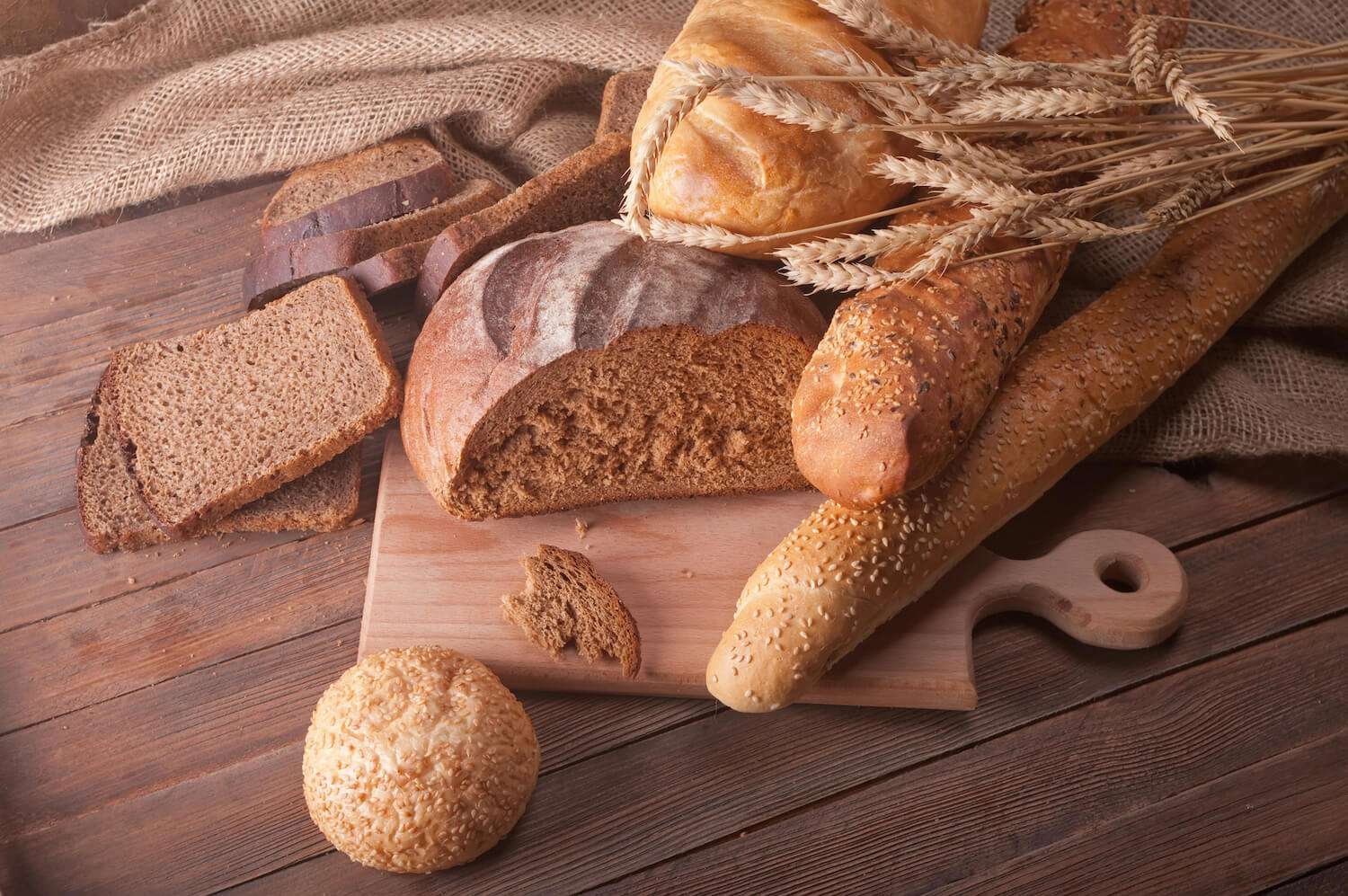
If you’re eager to start making bread at home, it can be overwhelming to sift through the various tools and ingredients available. Whether you’re just starting out or looking to upgrade, knowing which bread making supplies are essential, which are optional, and which are worth investing in as you advance is the key to successful baking. This guide covers everything from essential tools to budget-friendly alternatives, helping you build a bread-making toolkit without overloading your kitchen—or your wallet.
Essential Equipment: The Must-Haves
Here are the bread making supplies that every beginner baker needs to get started:
Mixing Bowls
- Large Stainless Steel or Glass Bowl: A sturdy, generously sized bowl for mixing dough is essential. Stainless steel and glass are particularly useful as they retain consistent temperatures, which is crucial for proper dough development.
- Additional Bowl for Proofing: Having a separate bowl for proofing ensures you don’t have to clean up mid-process, keeping your workflow smooth. Bread making supplies like these can make a huge difference by reducing prep time and aiding in successful dough rises.
Why it matters: The right size and material provide even mixing and temperature control, which is essential for consistent fermentation and rising of the dough.
Measuring Tools
- Digital Kitchen Scale: Accuracy is essential in baking, and a digital kitchen scale is invaluable for weighing ingredients. Unlike measuring cups, a scale eliminates discrepancies in weight, offering consistent results.
- Measuring Cups and Spoons (as backup): Although scales are ideal, measuring cups and spoons are useful for smaller ingredients like salt, yeast, and other additions.
Pro Tip: Professional bakers always weigh ingredients for consistency, making a scale one of the most valuable bread making supplies you can own.
Kneading Surface
- Large Cutting Board or Clean Countertop: A stable, spacious surface is needed for kneading dough. This gives you the room to stretch and fold without disturbing the dough’s structure.
- Dough Scraper (both plastic and metal versions): A scraper helps manage sticky dough and keeps your surface clean during kneading and shaping.
Pro Tip: A silicone mat with measurements is also helpful. This inexpensive tool allows for easy cleanup and helps measure dough sizes accurately.
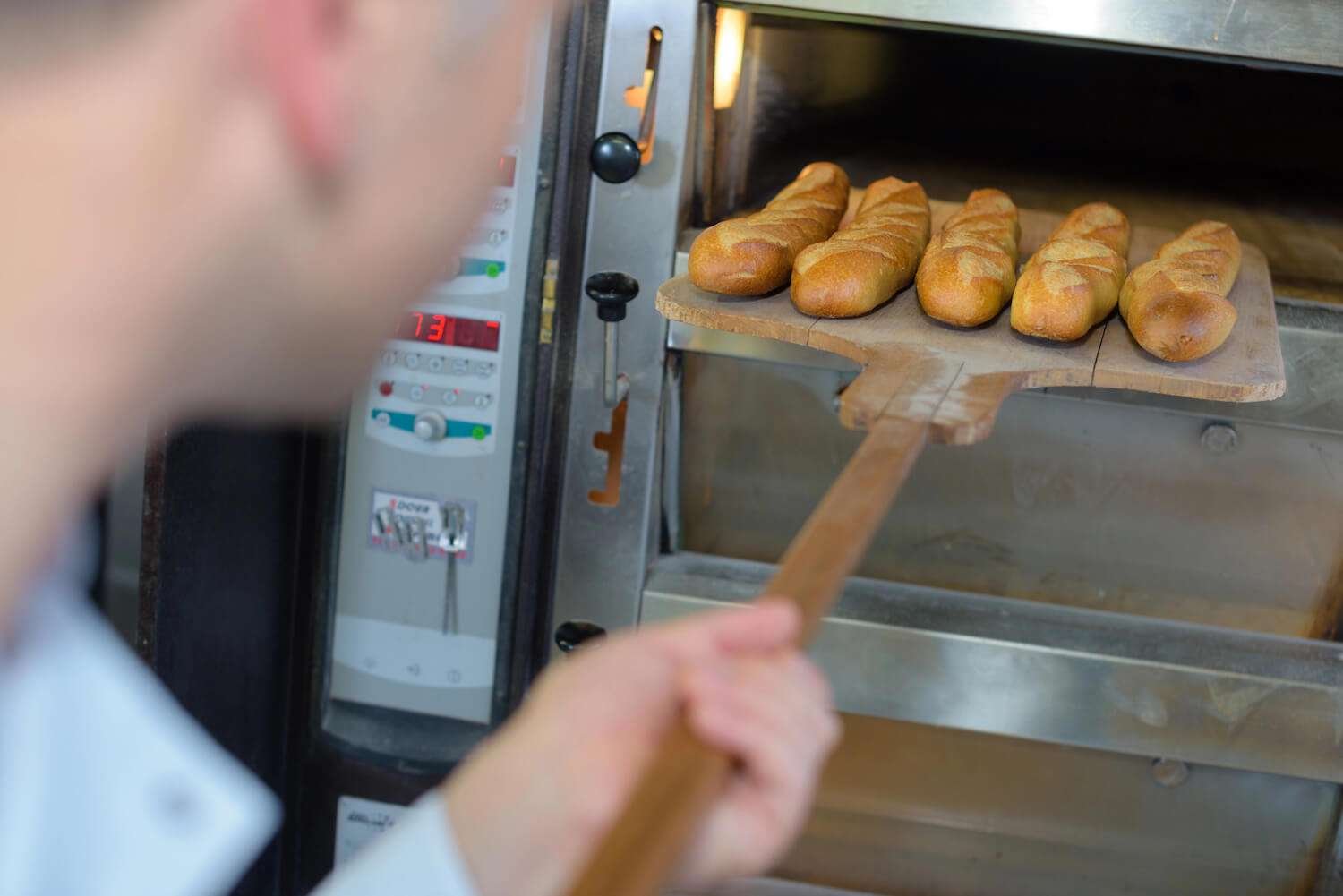
Mid-Level Equipment Upgrades
Once you’ve mastered the basics, these bread making supplies can make baking even easier and improve your results:
Stand Mixer with Dough Hook ($200-$400)
- Ideal for Regular Bakers: If you bake often, a stand mixer with a dough hook attachment can save a lot of time and elbow grease, providing the consistent kneading that makes a great dough.
- Ensures Consistency: The dough hook kneads evenly, producing a smoother, more elastic dough.
Tip: Investing in a stand mixer is worthwhile if you bake bread weekly or in large quantities, as it allows for hands-free mixing while you prep other ingredients.
Proofing Basket (Banneton) ($15-$30)
- Creates Professional-Looking Loaves: A banneton proofing basket is lined with flour and shapes the dough, providing a rustic look with a lovely spiral pattern.
- Helps Dough Maintain Shape: Particularly useful for higher hydration doughs, which tend to spread without support.
Note: A proofing basket is a bread making supply that gives homemade bread an artisanal touch while also aiding in the final rise.
Dutch Oven ($50-$300)
- Produces an Ideal Crust: Baking in a Dutch oven helps retain steam, essential for achieving that crispy, golden crust.
- Multi-Purpose Tool: Beyond bread, a Dutch oven is ideal for soups, stews, and roasts, making it a versatile kitchen addition.
Tip: For many bread bakers, a Dutch oven is one of the most valuable bread making supplies, as it helps replicate professional baking results at home.
Advanced Supplies for Serious Bakers
For those ready to dive deeper into the art and science of bread making, advanced bread making supplies offer the opportunity to elevate your loaves to a new level. These tools help refine texture, enhance crust quality, and add professional touches that make homemade bread as visually appealing as it is delicious. Here’s a closer look at these advanced bread making supplies and why each one is a valuable addition to your kitchen.
Professional Baking Stone
- Why it’s Worth It: A baking stone is an essential tool for serious bakers who want to achieve a more authentic, bakery-quality crust. By providing a steady, intense heat, a baking stone creates an evenly browned, crisp bottom crust while ensuring the dough bakes thoroughly from the inside out. This consistent heat distribution also allows dough to rise more evenly, giving your bread that classic, airy crumb structure.
- Perfect for Pizza and Baguettes: Bread making supplies like a baking stone are especially beneficial for pizza bases, baguettes, and sourdough loaves, which require a high-heat environment to develop the right texture and taste. Investing in a baking stone also means you can bake other items—such as cookies or flatbreads—more evenly, thanks to the enhanced temperature control.
Tip: Preheating the stone for at least 45 minutes before baking will yield the best results, as it ensures the stone reaches the high temperatures needed for optimal crust formation.
Scoring Lames for Decorative Cuts
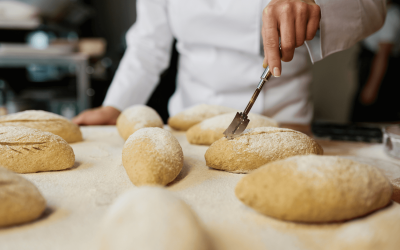
- Enhanced Presentation and Functionality: Scoring lames are specialized tools designed for making precise cuts on the surface of dough, controlling how it expands in the oven. This tool not only allows for an artistic touch but also serves a practical purpose: scoring creates expansion points that prevent the dough from bursting unpredictably. The result is a more controlled rise and a beautiful finish on your bread.
- Artisan Detailing: With a scoring lame, you can experiment with various designs and patterns, giving each loaf a unique and professional appearance. This is one of those bread making supplies that may seem optional at first, but once you see the difference in presentation, it’s hard to go back.
Tip: When using a scoring lame, make quick, confident cuts to avoid dragging the dough. This creates clean, attractive lines and ensures the dough expands smoothly.
Temperature Probe for Precise Water Measurement
- Ensures Accuracy in Dough Hydration: In bread making, water temperature is key, as it influences yeast activity and, in turn, dough rise. A temperature probe helps monitor water temperature precisely, which is particularly helpful with recipes requiring cold fermentation or when the yeast needs specific warmth levels for activation. This level of control ensures consistent results, especially for high-hydration doughs and sourdough recipes.
- Helps with Consistency: Serious bakers understand that slight variations in water temperature can impact yeast and gluten development, leading to significant differences in the final product. By adding a temperature probe to your bread making supplies, you’ll have the accuracy needed to consistently produce your best bread.
Tip: For most bread recipes, using water between 75°F and 85°F (24°C to 29°C) works well for yeast activation. For faster rises, slightly warmer water can be used, while cold water is better for a slower, longer rise.
Spray Bottle for Steam Creation
- Improves Crust Quality: Steam is an essential part of developing a crisp, golden crust on artisan bread. A spray bottle allows you to add moisture to the oven just before and during baking, which slows crust formation in the early stages of baking. This delay allows the dough to fully expand and rise, resulting in a larger loaf with a glossy, crackly crust.
- Versatile and Affordable: Using a spray bottle for steam is an affordable way to mimic the professional steam-injected ovens found in bakeries. Among advanced bread making supplies, this one is simple yet highly effective, making it ideal for bakers who want to create the perfect loaf without expensive equipment.
Pro Tip: Spray the oven walls immediately after placing your dough in, and once again a few minutes later, for optimal crust formation.
Understanding the Basics of Bread Making
Before we delve into the world of bread making supplies, let’s first understand the science behind the art of baking bread. Baking bread involves a process known as fermentation, where yeast consumes the sugars in flour and produces carbon dioxide gas. This gas gets trapped in the dough, causing it to rise and give the bread its airy texture.
The Science Behind Bread Making
When making bread, it’s crucial to understand the role of gluten. Gluten is a protein formed when water is combined with flour, specifically wheat flour. It gives the dough its elasticity and structure. Without gluten, bread would be dense and lack that signature chewiness.
Essential Ingredients for Bread Making
Now that we have a basic understanding of bread making, let’s talk about the essential ingredients you’ll need for your homemade loaves.
- Flour: The backbone of any loaf, choose high-quality all-purpose or bread flour.
- Yeast: This microscopic organism is what gives your bread the rise it needs. Opt for active dry yeast or instant yeast.
- Water: Bread dough requires hydration, so make sure you have clean, lukewarm water on hand.
- Salt: Although it may seem like a small addition, salt plays a vital role in enhancing the flavour of your bread.
- Sugar: Yeast needs food to grow, and sugar provides the perfect fuel. You can also experiment with other sweeteners like honey or molasses.
- Fat: Adding fat to your dough can improve its texture and help with overall moisture retention.
But let’s not forget about another crucial ingredient in bread making: time. Patience is key when it comes to creating the perfect loaf. Allowing the dough to rest and rise properly is essential for developing flavour and achieving the desired texture. So, while you gather your ingredients, don’t forget to factor in the time needed for the dough to ferment and proof.
Furthermore, the temperature at which you let your dough rise can greatly impact the final result. A warmer environment will speed up the fermentation process, while a cooler environment will slow it down. It’s important to find the right balance and create the ideal conditions for your dough to rise to its full potential.
Choosing High-Quality Bread Making Supplies
Now that we have explored the various types of bread making supplies, let’s discuss some factors to consider when selecting the right ones for your baking needs.
Factors to Consider When Buying Bread Making Supplies
When it comes to choosing bread making supplies, it’s important to keep the following factors in mind:
- Quality: Look for well-made, durable tools that will stand the test of time.
- Functionality: Consider how each tool will contribute to the bread making process and whether it aligns with your preferred baking style.
- Budget: Determine a reasonable budget and find supplies that offer the best value for your money.
Recommended Brands for Bread Making Supplies
While there are numerous brands that offer bread making supplies, some reputable names to consider include:
- KitchenAid: Known for their reliable stand mixers and dough hooks.
- Emile Henry: Renowned for their high-quality baking stones and cloches.
- Panasonic: Trusted for their bread machines that take the guesswork out of kneading and rising.
Maintaining Your Bread Making Supplies
Proper maintenance of your bread making supplies is essential for longevity and continued baking success.
Cleaning and Storing Your Bread Making Tools
After each use, ensure that you clean your tools thoroughly. Hand wash them with warm, soapy water and dry them completely before storing. Store your supplies in a clean and dry area, away from excessive heat or moisture.
When to Replace Your Bread Making Supplies
Over time, some bread making supplies may wear out or lose their effectiveness. Here are some signs that indicate it’s time for a replacement:
- Scratched or damaged baking surfaces that affect even heat distribution.
- Broken or worn-out attachments on your stand mixer.
- Excessive rust or corrosion on metal tools.
Enhancing Your Bread Making Experience with Essential Bread Making Supplies
Once you’ve mastered the basics, it’s natural to want to elevate your bread-making skills with advanced tools and techniques. With the right bread making supplies, you can achieve more consistent results, experiment with new textures, and add a professional touch to your loaves. Here’s a guide to some of the advanced supplies that can help you expand your baking toolkit.
Tips for Efficient and Enjoyable Bread Making with the Right Supplies
Baking bread should be as enjoyable as it is rewarding, and using the right bread making supplies can simplify the process. Here are some tips to streamline your baking experience:
Preparation is Key
- Read Through Recipes First: Before beginning, read the recipe in full to ensure you understand each step. Gather all your ingredients and bread making supplies beforehand to avoid interruptions mid-process.
- Mise en Place: The French term for “everything in its place” is essential for baking. Having your bread making supplies, ingredients, and any specialty tools laid out ensures a smooth baking flow.
Planning for Rising and Resting Times
- Allow Ample Time: Some bread recipes require multiple stages of rising and resting, so plan accordingly. Knowing in advance helps you avoid rushing the process, which can impact texture and flavour.
- Optimal Conditions for Rising: If you have a proofing drawer or can create a warm, draft-free area, your dough will rise better and faster. For home bakers, a slightly warmed oven can serve as an alternative.
Experimenting with Ingredients
- Try Different Flours: Whole grain, rye, and even specialty flours like spelt can give unique flavours and textures to your bread. With the right bread making supplies, experimenting with ingredients allows you to personalize each loaf.
- Add Flavors and Textures: Incorporate spices, seeds, nuts, or even dried fruits to add new layers of taste to your bread. These additions can make each loaf unique and interesting.
Keeping a Bread Making Journal
- Track Your Progress: Logging each bake—recording ingredient ratios, dough handling methods, and the final result—can provide invaluable insights over time. This record helps you improve and can be a creative outlet as you develop your bread-making techniques.
- Refine Your Recipes: Using a baking journal alongside your bread making supplies helps you see what worked well and what didn’t, making it easier to refine recipes and adapt new techniques.
Equipping Yourself for a Successful Bread Making Journey
With a well-stocked set of bread making supplies, the possibilities for baking success are endless. Investing in high-quality tools and continuously honing your skills will lead to delicious and satisfying loaves every time. Whether you’re experimenting with proofing baskets for different shapes, using a scoring tool for artistic crusts, or grinding your own grains for ultimate control, having the right supplies makes all the difference.
Embrace the art of bread making by equipping yourself with these essential and advanced bread making supplies. Not only will they enhance the quality of your baked goods, but they’ll also enrich your experience, bringing joy and fulfillment with every loaf you create. So put on your apron, gather your supplies, and let the enticing aroma of freshly baked bread fill your kitchen!
For more bread-related tips and techniques, visit BakeBatterAndBeyond.net. Happy baking!

About the Author
Kaylene Grieve, a passionate baker and culinary educator, carries on a rich family legacy in the world of pastries and confections that began with her grandfather’s successful bakery. With over two decades of experience in business and marketing, Kaylene combines her baking heritage with digital expertise as the founder of Bake Batter & Beyond. This comprehensive baking resource reflects her mission to make the joy and science of baking accessible to all.
Dedicated to empowering both novice and experienced bakers, Kaylene’s website offers practical knowledge and tools including measurement converters, substitution guides, troubleshooting tips, and baking rescue techniques. Her special focus on the intricate world of cake making, coupled with her unique blend of family tradition and modern savvy, has established Kaylene as a trusted voice in the baking community.
0 Comments