
Are you ready to start your baking journey but feeling overwhelmed by all the unfamiliar baking equipment names? Whether you’re setting up your first kitchen or expanding your baking arsenal, understanding essential baking tools is crucial for success. Let’s explore the must-have equipment that every baker needs, organized by category.
Mixing and Preparation Equipment
Stand Mixers and Hand Mixers
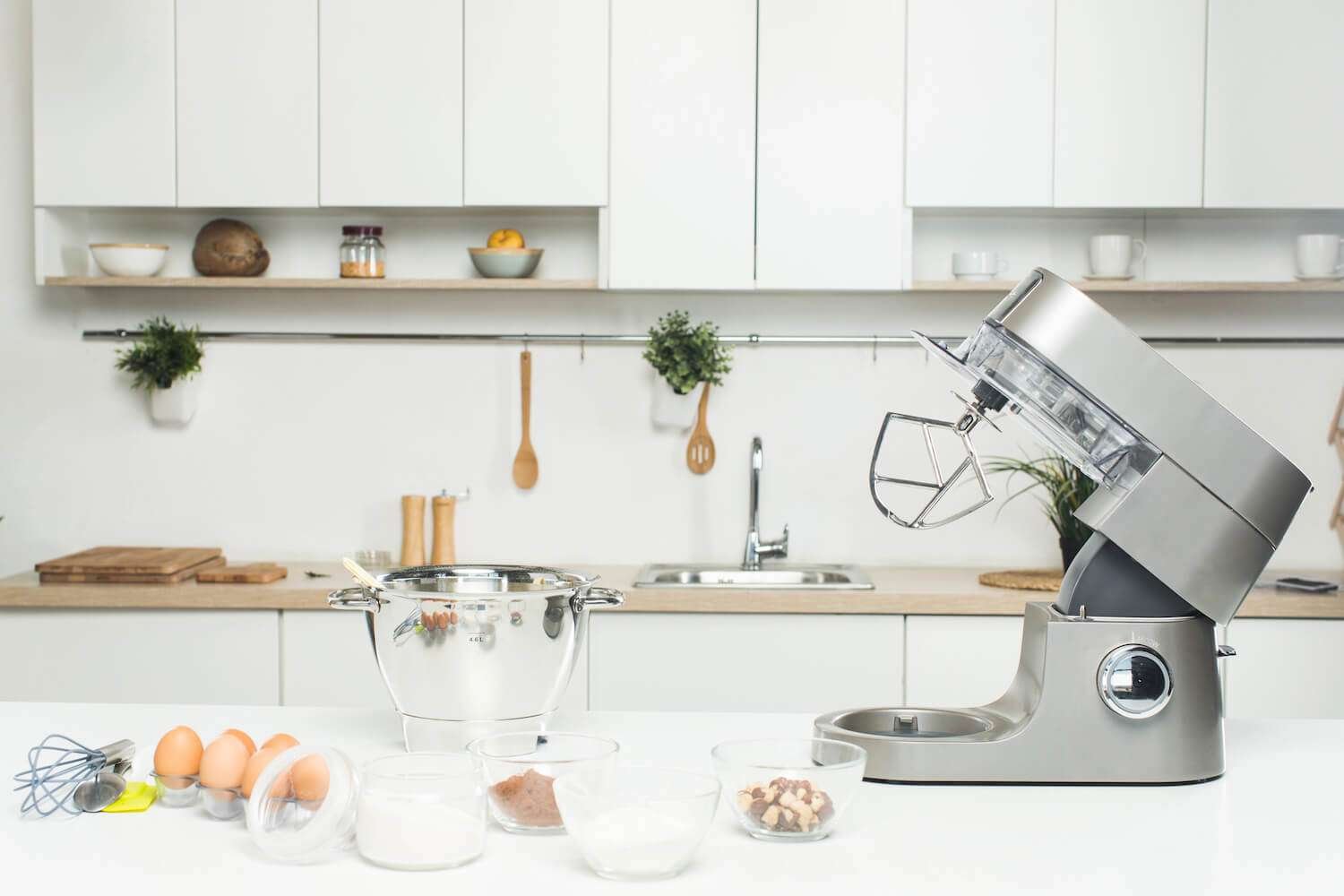
Understanding the big names in baking equipment is essential, especially when it comes to stand mixers and hand mixers. Quality over price is key when choosing these tools, as investing in well-known, trusted baking equipment names can greatly impact your baking results. Stand mixers, for instance, are highly valued for their power, consistency, and ability to handle heavy-duty tasks that can wear out lower-quality alternatives. Among the top baking equipment names, the KitchenAid stand mixer stands out as a reliable industry standard; it’s prized for durability, long-term performance, and the versatility offered by various attachments that can turn it into a multi-functional kitchen appliance.
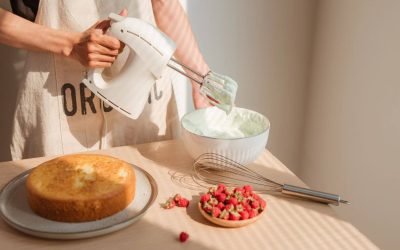
For bakers who don’t need the full power of a stand mixer or are working with limited space, a hand mixer from a reputable brand is a fantastic alternative. While less powerful, hand mixers are portable, easy to store, and are still capable of handling essential mixing needs like whipping cream, mixing batters, or making cookie dough. Choosing big-name brands ensures quality in materials, motor strength, and longevity, ultimately saving money by avoiding frequent replacements. Both stand mixers and hand mixers from top baking equipment names are invaluable in making the baking process efficient, quick, and consistent, crucial elements for achieving professional results in the kitchen.
Mixing Bowls
When searching for baking equipment names, particularly in the realm of mixing bowls, understanding what to look for can make all the difference in your baking setup. A reliable and versatile set of mixing bowls is essential for any baker, as each bowl size has its unique function in the kitchen. Below are some key points to consider when shopping for mixing bowls, so you know exactly which baking equipment names to look for and their specific uses:
- Large Stainless Steel Mixing Bowls (4-6 Quarts)
Look for baking equipment names that specify durable, stainless steel bowls with a capacity of 4 to 6 quarts. These bowls are excellent for mixing larger quantities of dough, batter, or any heavy mixture. They’re also lightweight, easy to clean, and resistant to stains and odours, which is a big advantage when working with ingredients like chocolate or spice-rich batters. - Medium Glass Mixing Bowls (2-3 Quarts)
A medium-sized glass bowl is another key item in the list of baking equipment names you’ll want to explore. These bowls are versatile and can handle everything from mixing cake ingredients to prepping items in advance. The heat-resistant quality of glass bowls also allows you to use them for both hot and cold mixtures, making them ideal for recipes requiring temperature control, like melting butter or preparing a double boiler. - Small Mixing Bowls (1-2 Quarts)
Small mixing bowls are indispensable for handling minor tasks, and when scanning baking equipment names, look for options in the 1-2 quart range. These are perfect for whisking eggs, mixing spices, or even preparing glazes. Small bowls also allow for easy portion control, making them great for prepping ingredients like chocolate chips, nuts, or other add-ins that are added in stages. - Microwave-Safe Mixing Bowls
Among baking equipment names, microwave-safe bowls are important for recipes that require melting chocolate or butter quickly and evenly. Look for “microwave-safe” labelled bowls, which are typically glass or silicone, allowing you to save time and avoid extra dishes by melting ingredients directly in the bowl you’ll be using.
Measuring Equipment
When it comes to selecting quality measuring tools, understanding key baking equipment names is vital. Precision is a cornerstone of successful baking, making measuring equipment indispensable. Here’s what to look for in the most essential measuring tools:
- Dry Measuring Cups: Typically found in 1 cup, ½ cup, ⅓ cup, and ¼ cup sizes, dry measuring cups are a must for any baker. Unlike liquid measuring cups, these allow bakers to level off dry ingredients like flour, sugar, and cocoa powder accurately, ensuring consistent measurements. Look for sturdy materials like stainless steel or durable plastic that won’t warp over time.
- Liquid Measuring Cups: Usually available in 1, 2, and 4-cup sizes, liquid measuring cups are designed for easy, spill-free pouring. These are typically clear, often made of glass or plastic, with measurement lines for precision. The transparency helps prevent over-pouring by allowing you to view the liquid level from the side—a feature unique to liquid measuring equipment.
- Measuring Spoons: Small but essential, measuring spoons typically come in a tablespoon and teaspoon measurements (1 tbsp, 1 tsp, ½ tsp, ¼ tsp). Measuring spoons are critical for smaller quantities, especially for ingredients like salt, baking powder, and flavour extracts. Durable metal or high-quality plastic options will provide long-lasting precision, an important factor in baking.
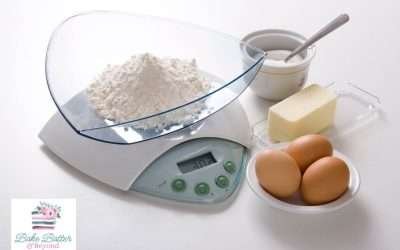
- Digital Kitchen Scale: For recipes that demand accuracy—like bread-making or pastry baking—a digital kitchen scale is highly recommended. With a digital scale, you can measure ingredients by weight, which is far more accurate than volume. A good digital scale will measure in both grams and ounces, offering flexibility for a range of recipes.
Pro Tip: Always keep a separate set of tools for dry and liquid ingredients to ensure you’re measuring each one accurately. Since the density of dry and liquid ingredients varies, using the right tool for each is key to achieving consistent results.
When searching online for these baking equipment names, consider reputable brands known for precision and durability. Well-known names, like Oxo for measuring cups or Escali for digital scales, often have top reviews for accuracy. Investing in quality measuring tools will set a solid foundation for your baking endeavours, ensuring you get dependable results every time.
Baking Pans and Sheets
A variety of baking pans allows you to create diverse baked goods, making them some of the most versatile baking equipment names to know. Each pan type serves a specific function, so here’s what to consider:
- Sheet Pans (half-sheet size recommended): These are multi-functional, handling everything from cookies to roasting vegetables. Look for heavy-gauge sheet pans for even heat distribution.
- Round Cake Pans (8-inch and 9-inch): These are essential for layered cakes. When selecting round cake pans, choose ones with a nonstick finish or consider lining with parchment to ensure easy removal.
- Loaf Pan (typically 9×5 inches): This is the standard size for baking bread, pound cakes, and loaf-style desserts. Heavy-duty, nonstick options are best to prevent sticking and maintain the pan’s longevity.
- Muffin Tins (12-cup standard): While ideal for cupcakes and muffins, muffin tins are versatile enough for small savory items like mini quiches. Nonstick and silicone muffin tins are particularly popular.
- Square Baking Pans (8 or 9-inch): These are great for brownies, bars, and other square-baked treats. Look for square pans with straight edges for clean cuts and even baking.
Investing in quality baking pans ensures even heat distribution, which is crucial for consistent results. Remember, these baking equipment names are foundational tools that every baker will use repeatedly, so it’s worth opting for durable, high-quality options.
Small Tools and Utensils
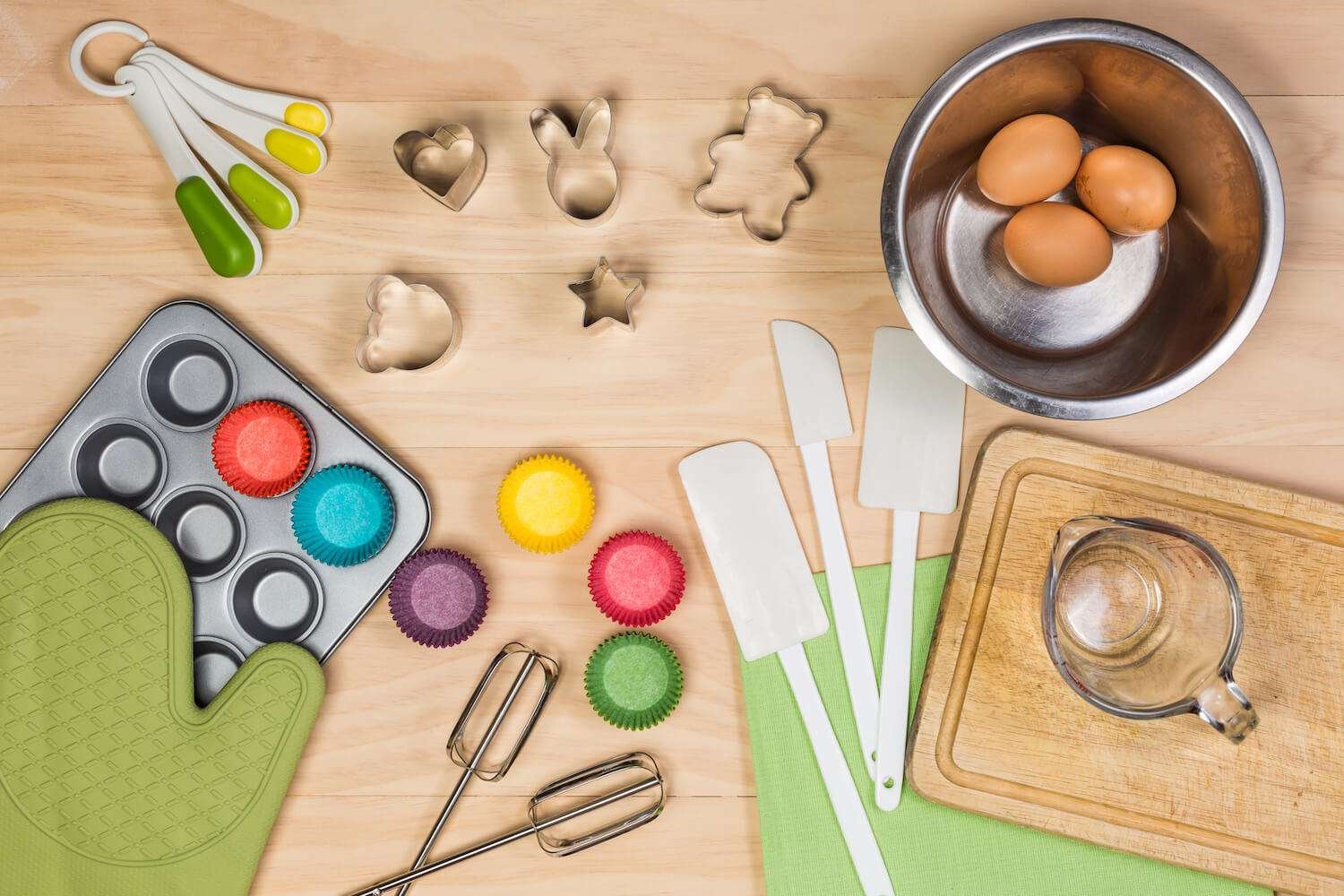
Small tools play a big role in baking precision, making these baking equipment names just as important as the larger pans. Each of these tools has a unique purpose:
- Silicone Spatulas: These are perfect for scraping bowls, folding ingredients, and working with delicate batters. Look for heat-resistant spatulas that can be used for mixing and stirring.
- Wooden Spoons: Ideal for mixing dense batters, wooden spoons are gentle on ingredients and long-lasting. Avoid dishwasher cleaning to keep them in top condition.
- Wire Whisks: Essential for beating eggs and mixing ingredients smoothly. Look for various sizes to match different bowl depths and uses, from thick batters to light creams.
- Pastry Brush: Used for applying egg washes or butter on pastry, a good pastry brush has durable bristles that won’t shed. Silicone options are dishwasher safe and easy to clean.
- Rolling Pin: Whether for pie crusts or cookie dough, rolling pins are essential for evenly rolled dough. Wood or marble rolling pins are popular for their durability and weight, making rolling easier.
- Sifter or Fine-Mesh Strainer: For dusting powdered sugar or sifting flour, these tools help avoid clumps in your mixtures. Choose a sifter that fits comfortably in your hand to make sifting easy.
These baking equipment names should be in every baker’s toolkit to help with everything from mixing and folding to spreading and sifting. High-quality tools last longer and make bakingmore efficient.
Specialty Equipment
Some baking equipment names fall under specialty tools, but these can elevate your baking projects and expand your repertoire. Here’s what to consider for specialty baking:
- Pastry Bags and Tips: For decorating cupcakes and cakes with precision, reusable bags and metal tips are excellent choices. Start with a basic set of round and star tips for versatile designs.
- Cookie Cutters: Perfect for themed bakes, cookie cutters come in various shapes and sizes. Metal cutters tend to hold their shape better and provide cleaner cuts.
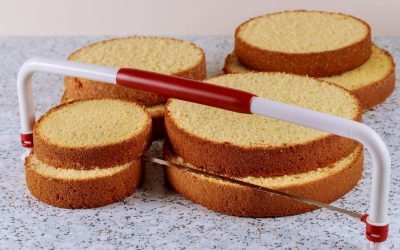
- Cake Leveler: Essential for even cake layers, a cake leveller saves time and ensures professional-looking results. Choose one with an adjustable blade for various cake heights.
- Bench Scraper: This is a versatile tool for portioning dough and keeping your work surface clean. Look for one with measurement markings for easy dough cutting.
- Cooling Racks: These allow baked goods to cool evenly, which prevents sogginess. Stackable racks save space and allow multiple items to cool simultaneously.
- Pastry Wheel: Ideal for precise dough cutting, especially with decorative edges. Some pastry wheels come with multiple blades for a variety of cutting styles.
- Cake Turntable: For decorating cakes, a turntable allows for even frosting application and easy rotation. Non-slip bases are best for keeping the turntable stable.
Understanding the Basics of Baking Equipment
When it comes to baking, understanding what each piece of equipment does and how it contributes to the overall process can be the key to success. Baking is a precise science, and having the right tools—often called by their specific baking equipment names, ensures that every step is performed accurately. From measuring ingredients with precision to achieving the ideal texture and finish, each tool has a purpose, and knowing which to use when can make all the difference in your results.
The Importance of Proper Baking Tools
Proper baking tools help you achieve consistency, which is essential for creating baked goods with the perfect texture and flavor every time. Using the correct equipment isn’t just about convenience; it impacts the taste, structure, and appearance of your baked creations. For example, using a sturdy set of mixing bowls with a smooth inner surface helps prevent any unintentional changes to your batter’s consistency, and a reliable oven thermometer helps ensure your baked goods aren’t affected by fluctuating temperatures. These baking equipment names are worth remembering because they represent tools that can refine your baking process.
Investing in quality baking tools is a wise decision, as durable equipment withstands the rigors of baking, provides consistent results, and, in the long term, proves to be more cost-effective. From measuring cups to stand mixers, the right equipment can elevate your baking skills, making each bake a success and allowing you to experiment with new recipes confidently. For both beginners and seasoned bakers, getting familiar with essential baking equipment names can transform your experience in the kitchen.
Common Misconceptions About Baking Equipment
There are a few common misconceptions surrounding baking equipment that can mislead new bakers. One major misconception is that successful baking requires a wide variety of specialized tools. While specialty tools can be useful, having a few basic, high-quality pieces of equipment is often all you need to handle most baking tasks. For instance, a good-quality set of measuring cups, mixing bowls, and a sturdy spatula can serve multiple purposes and go a long way in creating consistent results.
Another misconception is that high-quality baking tools are always expensive. While top-tier baking equipment may come at a higher cost, there are many budget-friendly options that offer great performance and durability. Learning which baking equipment names to prioritize when purchasing can help you find affordable tools that suit your needs without compromising quality.
Finally, some people assume that using substitute tools will yield the same results as specified baking equipment. For instance, substituting a metal spatula for a rubber spatula when folding delicate ingredients might alter the texture of your batter. Similarly, using a soup spoon instead of a measuring spoon can result in inaccurate ingredient proportions. Using the proper tools is essential for achieving the intended outcome, and the right baking equipment names are worth noting to ensure the best possible results.
Function and Use of Different Baking Tools
Each baking tool serves a specific purpose and contributes to the overall success of your baked goods. Understanding their functions and proper use is essential for achieving the desired results. Let’s take a closer look at some common baking tools:
Maintenance and Care for Baking Equipment
Proper maintenance and care for your baking equipment are crucial for longevity and optimal performance. Here are some tips:
- Clean your tools after each use: Wash baking tools thoroughly with warm water and mild soap to remove any residue.
- Dry them properly: Ensure your tools are completely dry before storing them to prevent rusting or mould growth.
- Store them in a dry and organised manner: Avoid leaving your tools exposed to moisture or sunlight, as it can damage them. Keep them neatly organised in a designated space.
- Follow manufacturer’s instructions: Read and adhere to any specific care instructions provided by the manufacturer for your baking tools.
Choosing the Right Baking Equipment
When it comes to choosing the right baking equipment, there are a few factors to consider. Let’s explore:
Factors to Consider When Buying Baking Tools
- Quality: Invest in high-quality tools that are built to last. Look for tools made with durable materials and backed by positive customer reviews.
- Functionality: Consider the specific tasks you’ll be performing and choose tools that are designed to excel in those areas. Look for tools with multiple functions to maximise their utility.
- Versatility: Opt for tools that can be used for a variety of baking projects. This allows you to make the most of your investment and declutter your kitchen.
- Comfort and ergonomics: Choose tools that feel comfortable in your hand and are easy to manoeuvre. This makes baking a more enjoyable experience.
- Budget: While quality is important, it’s also vital to consider your budget. There are plenty of affordable options available that deliver excellent results.
Investing in Quality Baking Equipment
While it can be tempting to opt for budget-friendly baking tools, investing in quality equipment is a wise decision. High-quality tools offer better performance, durability, and ease of use, which can significantly impact the outcome of your baked goods. By investing in quality baking equipment, you can elevate your baking skills and enjoy better results in the long run.
Organising Your Baking Equipment
Keeping your baking tools organised not only makes your baking area more efficient but also helps prolong the life of your equipment. Let’s explore some effective storage solutions for your baking tools.
Effective Storage Solutions for Baking Tools
- Drawer organisers: Utilise drawer organisers to categorise and separate your baking tools, making them easily accessible and preventing them from getting tangled.
- Hanging racks: Install wall-mounted hanging racks to store larger baking pans and cutting boards. This keeps them within reach and frees up valuable counter and cabinet space.
- Stackable containers: Store smaller baking tools such as measuring spoons and cookie cutters in stackable containers to save space and keep them organised.
- Labelling system: Use adhesive labels or a labelling machine to identify the contents of each storage container or drawer, making it easier to locate specific tools quickly.
Keeping Your Baking Equipment in Top Shape
Maintaining the condition of your baking tools is essential for their longevity. Here are some tips:
- Regularly clean your tools: As mentioned earlier, clean your tools after each use to prevent any residue buildup.
- Check for wear and tear: Inspect your tools periodically for any signs of damage or wear and replace them if necessary.
- Sharpen knives and blades: If you have baking tools with blades or serrated edges, make sure to regularly sharpen them to ensure optimal performance.
- Oil wooden tools: If you have wooden baking tools, periodically apply food-safe oil to keep them hydrated and prevent cracking.
Having the right baking equipment is the foundation of successful baking. Understanding the basics, exploring a comprehensive list of equipment names, and knowing how to choose, organise, and maintain your tools can greatly enhance your baking experience. By investing in quality tools and using them correctly, you can unleash your creativity and enjoy delicious homemade treats. So, grab your baking equipment and let your culinary journey begin!
For more bread-making tips and to explore additional baking equipment, be sure to visit Bake Batter and Beyond. Happy baking!

About the Author
Kaylene Grieve, a passionate baker and culinary educator, carries on a rich family legacy in the world of pastries and confections that began with her grandfather’s successful bakery. With over two decades of experience in business and marketing, Kaylene combines her baking heritage with digital expertise as the founder of Bake Batter & Beyond. This comprehensive baking resource reflects her mission to make the joy and science of baking accessible to all.
Dedicated to empowering both novice and experienced bakers, Kaylene’s website offers practical knowledge and tools including measurement converters, substitution guides, troubleshooting tips, and baking rescue techniques. Her special focus on the intricate world of cake making, coupled with her unique blend of family tradition and modern savvy, has established Kaylene as a trusted voice in the baking community.
0 Comments