

In this comprehensive guide, we will explore the stages of candy making. From understanding the basics to mastering special techniques, you’ll gain the knowledge and skills needed to create delicious candies right at home. So, let’s dive into the fascinating world of candy making and learn about each stage that transforms simple ingredients into delightful sweets!
Understanding the Basics of Candy Making
Before we dive into the actual candy making process, it’s important to understand the science behind it. Candy making is not just an art; it’s also a science that involves careful temperature control and precise timing. By understanding the chemical reactions that take place during each of the stages of candy making, you can create candies with the perfect texture and consistency every time.
Aside from the science, having the right tools is essential for successful candy making. A candy thermometer, silicone molds, a double boiler, and a high-quality saucepan are must-haves. These tools help ensure accuracy when reaching the necessary temperatures for each stage. From the soft ball stage to the hard crack stage, achieving the right temperature in each of the stages of candy making is crucial for success.
The Role of Ingredients in Candy Making
The ingredients you use play a fundamental role in the outcome of your candies. Sugar is the primary ingredient in most candies, and the type of sugar you select, such as granulated sugar or brown sugar, impacts the flavour and texture. Additional ingredients like corn syrup can prevent crystallization, while cream of tartar enhances the smoothness. Flavourings like vanilla extract, mint, or citrus zest can also add unique notes to your creations, adding layers of taste to each stage of candy making.
Mastering Temperature Control and the Stages of Candy Making
Temperature control is critical to achieving the desired texture in each type of candy. The stages of candy making are defined by specific temperature ranges, which correspond to different textures. For example, at the “soft ball” stage, between 235°F and 240°F, you’ll get a pliable texture ideal for caramels. The “hard crack” stage, around 300°F, creates a brittle consistency for lollipops and brittle candies.
Using a candy thermometer and carefully monitoring the temperature throughout the cooking process ensures you hit the exact stages of candy making required for your recipe. Missing these temperature milestones can lead to unexpected results, like candies that are too soft or overly hard. By understanding these temperature stages, you’ll master each type of candy you create, from fudgy textures to crisp, brittle bites.
With a deep understanding of the science, tools, ingredients, and stages of candy making, you’re well-prepared to experiment with and perfect a wide range of candies. Whether you’re crafting chewy caramels or hard candies, each stage is a step toward mastering the art of candy making.
The Initial Stage: Ingredient Selection
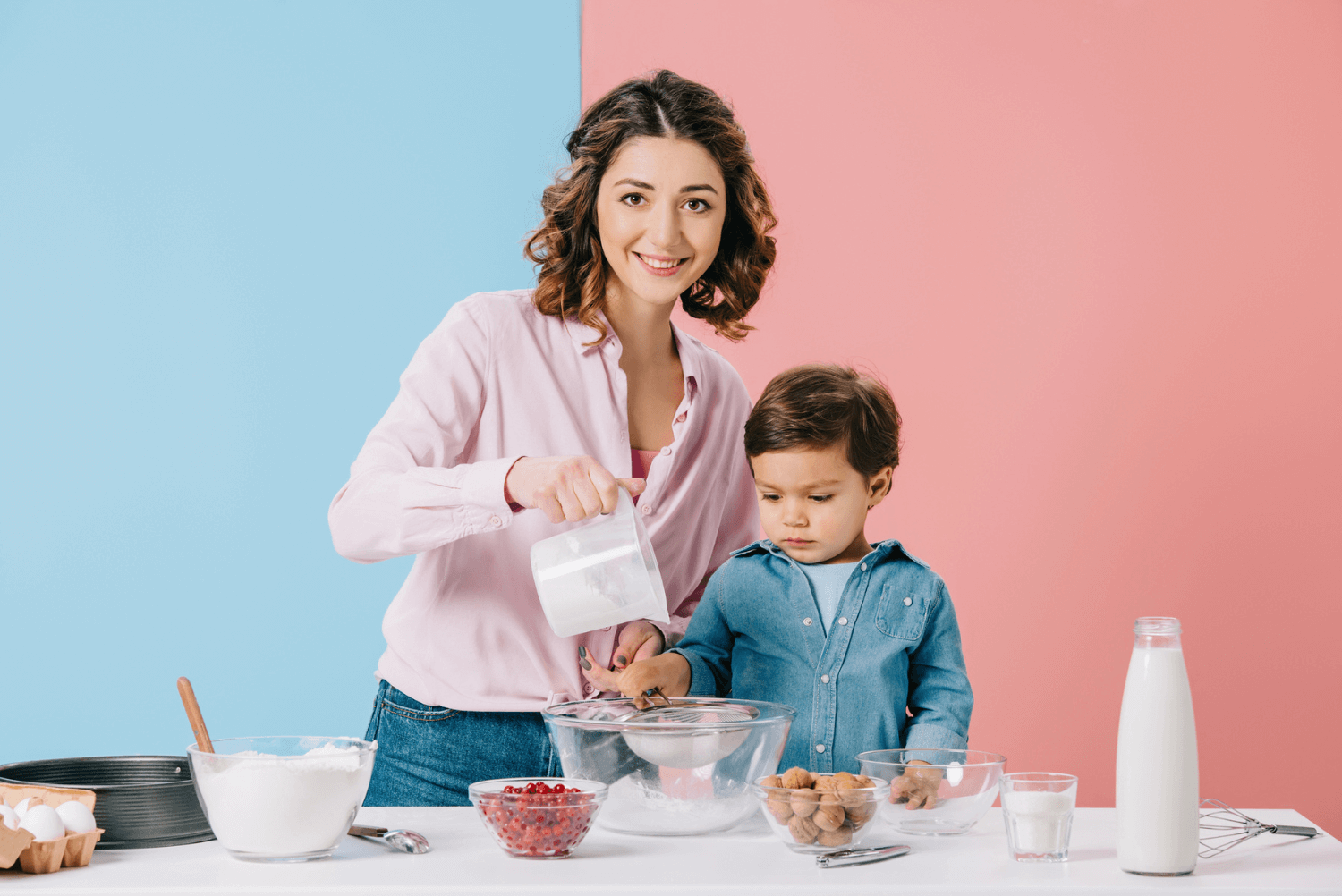
Choosing the right ingredients is crucial to achieving the desired flavour and texture of your candies. The most important ingredient in candy making is sugar. Different types of sugar, such as granulated sugar, powdered sugar, and brown sugar, can yield different results. Granulated sugar, with its larger crystals, is commonly used in many candy recipes to provide structure and sweetness. Powdered sugar, also known as confectioners’ sugar, is ideal for making smooth and creamy icings or fillings. Brown sugar, with its molasses content, adds a rich flavour and chewy texture to caramels and toffees. Understanding the characteristics of each sugar type will allow you to make informed choices in your candy recipes.
Flavourings and colourings are another important aspect of candy making. By selecting high-quality flavourings and colourings, you can enhance the taste and appearance of your candies. Whether you prefer fruity or chocolaty flavours, there are endless options to choose from. Natural extracts like vanilla, almond, and peppermint can add depth and complexity to your candies. Meanwhile, vibrant food colourings in gel or powder form can transform your treats into visually stunning creations. Experimenting with different flavour combinations and colour schemes can elevate your candy-making skills to new heights.
When it comes to selecting ingredients for your candies, consider the texture and consistency you want to achieve. Ingredients like corn syrup, honey, or condensed milk can contribute to the chewiness or creaminess of your confections. Nuts, dried fruits, or candies can also be added to provide crunchy or chewy surprises in every bite. Don’t be afraid to mix and match ingredients to create unique flavour profiles that will delight your taste buds. Remember, the secret to exceptional candies lies in the careful selection and combination of high-quality ingredients.
The Intermediate Stage: Cooking and Temperature Control
The sugar cooking process is a delicate art that demands precision, patience, and a keen understanding of the stages of candy making. As you delve deeper into the world of candy making, you’ll realise that mastering the different stages of candy making is essential for achieving perfect textures and consistencies in your confections. Each stage, from the soft ball stage—where sugar syrup forms a pliable ball when dropped into cold water—to the hard crack stage, where the syrup hardens into a brittle, glass-like texture, offers unique possibilities for crafting a variety of delectable treats.
Temperature control is critical in the stages of candy making, as each temperature range brings about different physical changes in the sugar syrup, resulting in different types of candy. At lower temperatures, you’ll reach the soft ball stage, which is ideal for smooth, chewy candies like caramels and fudges. As the temperature increases, you’ll encounter stages like the firm ball, soft crack, and hard crack, each suitable for a specific type of candy, such as marshmallows, taffies, and brittles.
To achieve precision in the stages of candy making, a candy thermometer becomes your indispensable tool. This thermometer allows you to monitor the temperature with accuracy, helping you stay on track as the syrup reaches each required stage. The thermometer not only tells you the temperature but also assists in understanding how sugar crystallization works, offering a scientific perspective on the candy-making process. Achieving the right temperature at each stage ensures that your candies have the texture and appearance you desire.
Beyond simply following a recipe, temperature control involves an understanding of sugar’s unique properties and the role of each stage in candy creation. With practice, you’ll develop an intuitive sense for adjusting the heat and knowing when to stir or leave the syrup undisturbed, all critical steps in mastering the stages of candy making. As you refine these skills, your candy-making efforts will transform from simple experiments into a sophisticated culinary craft.
The Final Stage: Molding and Cooling
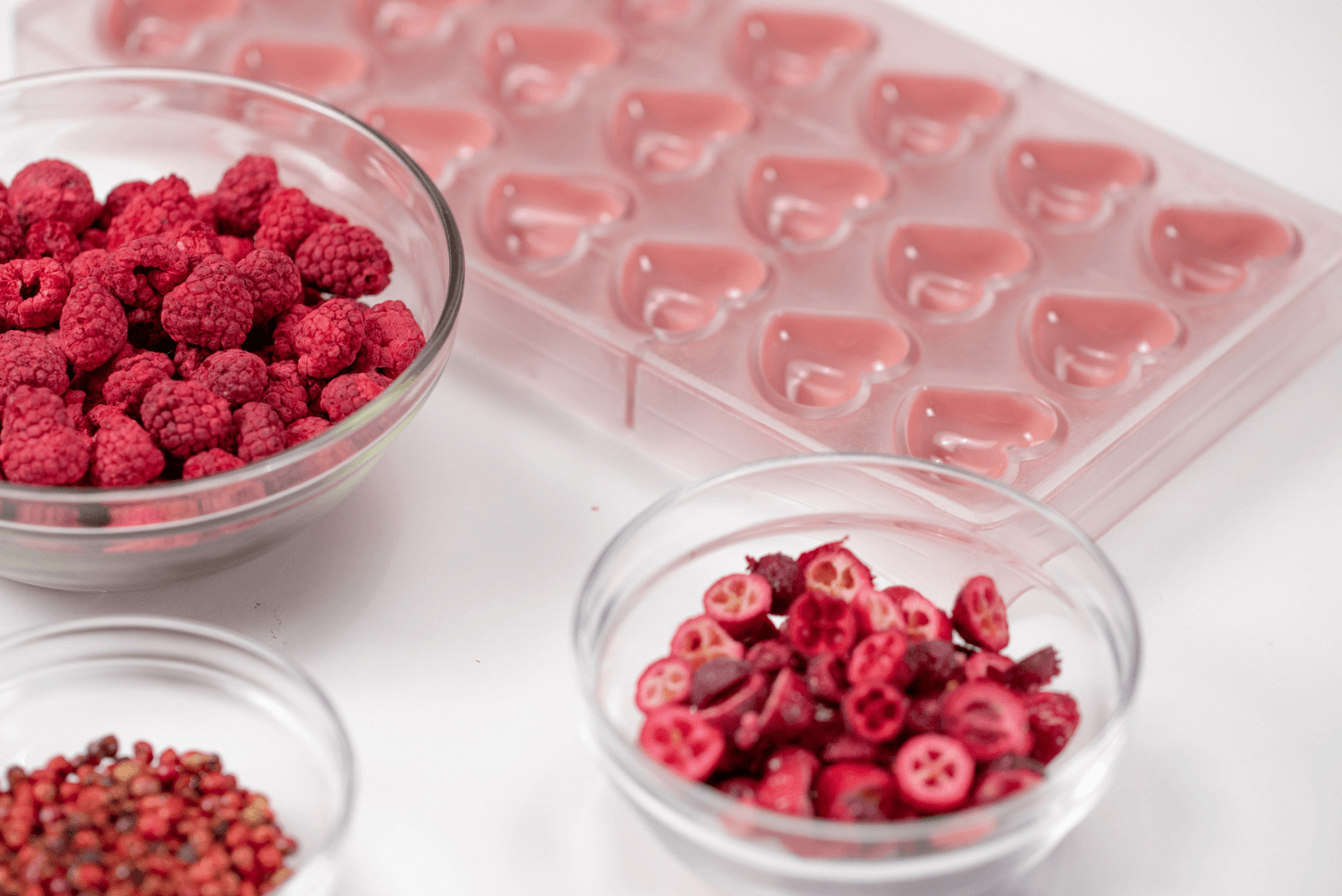
Once your candy mixture has passed through all the stages of candy making and is cooked to perfection, it’s time to mold and cool it. The final stage of candy making requires careful attention, as different types of candies call for different techniques to achieve the desired shape and texture. By using silicone molds, cookie cutters, or even shaping by hand, you can create unique forms and designs, adding a personal touch to your treats.
Proper cooling and storage are crucial to ensure that your candies set correctly and maintain their ideal texture. Depending on the recipe, cooling your candies at room temperature or in the refrigerator helps them harden and become ready for consumption. During these last stages of candy making, it’s important to follow the recommended cooling methods to achieve the best results.
When it comes to molding, creativity knows no bounds. If you’re making gummy bears, for example, using bear-shaped molds gives them that classic look. For lollipops, you’ll want to insert sticks into the hot candy mixture before it cools, creating the perfect handle for your sweet treat.
The cooling process plays a significant role in the outcome of your candy’s texture. For chewy candies like caramels, a longer cooling time at room temperature helps develop that ideal chewiness. In contrast, chocolates benefit from a brief time in the refrigerator to set, achieving the satisfying snap that makes them so enjoyable. Each candy type requires careful attention during these final stages of candy making to bring out its best qualities.
With a bit of patience and creativity, the final stages of candy making allow you to craft delicious treats with a perfect finish, ready to be enjoyed or shared!
Special Candy Making Techniques
Now that you have mastered the basics, it’s time to elevate your candy-making skills by diving into advanced techniques and understanding the stages of candy making. By exploring these stages, you can create candies with various textures and flavours, adding complexity to your creations.
Exploring Filled Candies
One exciting area to explore is filled candies, where you can inject delightful surprises into each bite. Filled candies offer an array of possibilities, from creamy centres to gooey caramel fillings. Understanding the stages of candy making is essential here, as each stage helps achieve the right consistency and flavour for fillings.
To add a unique touch, try incorporating exotic flavours into your filled candies. Imagine infusing creamy centres with lavender, cardamom, or even chilli for a surprising twist on traditional recipes. Experimenting with different flavour combinations will elevate your candy to new levels of sophistication and creativity, impressing anyone who tastes them.
Crafting Lollipops and Hard Candies
Another fun technique to master is making lollipops and hard candies. This requires boiling sugar syrup to precise temperatures, a critical point in the stages of candy making. Reaching the right temperature determines the texture of your final candy, whether it’s chewy, hard, or somewhere in between. Adding flavours and colours at just the right moment in these stages allows you to craft vibrant, flavorful treats that appeal to both children and adults.
For an extra-special touch, consider adding edible glitter or shimmer dust to your lollipops. These additions create a magical and enchanting appearance, perfect for celebrations and special occasions. Sparkling candies not only look beautiful but also add an element of fun and whimsy to your creations.
Practice and Experimentation
Remember, practice makes perfect. Don’t be afraid to experiment with various ingredients, techniques, and flavours as you progress through the stages of candy making. With time and experience, you’ll become a master candy maker, capable of crafting everything from simple lollipops to intricate-filled candies. Delight your family and friends with your homemade treats as you grow your skills and creativity in the art of candy making.
Ready to elevate your candy-making skills? Visit Bake Batter and Beyond’s Candy Making page for more tips, recipes, and sweet inspiration!

About the Author
Kaylene Grieve, a passionate baker and culinary educator, carries on a rich family legacy in the world of pastries and confections that began with her grandfather’s successful bakery. With over two decades of experience in business and marketing, Kaylene combines her baking heritage with digital expertise as the founder of Bake Batter & Beyond. This comprehensive baking resource reflects her mission to make the joy and science of baking accessible to all.
Dedicated to empowering both novice and experienced bakers, Kaylene’s website offers practical knowledge and tools including measurement converters, substitution guides, troubleshooting tips, and baking rescue techniques. Her special focus on the intricate world of cake making, coupled with her unique blend of family tradition and modern savvy, has established Kaylene as a trusted voice in the baking community.


0 Comments