Facebook Pixel

The Best Slabs for Making Pizza or Bread

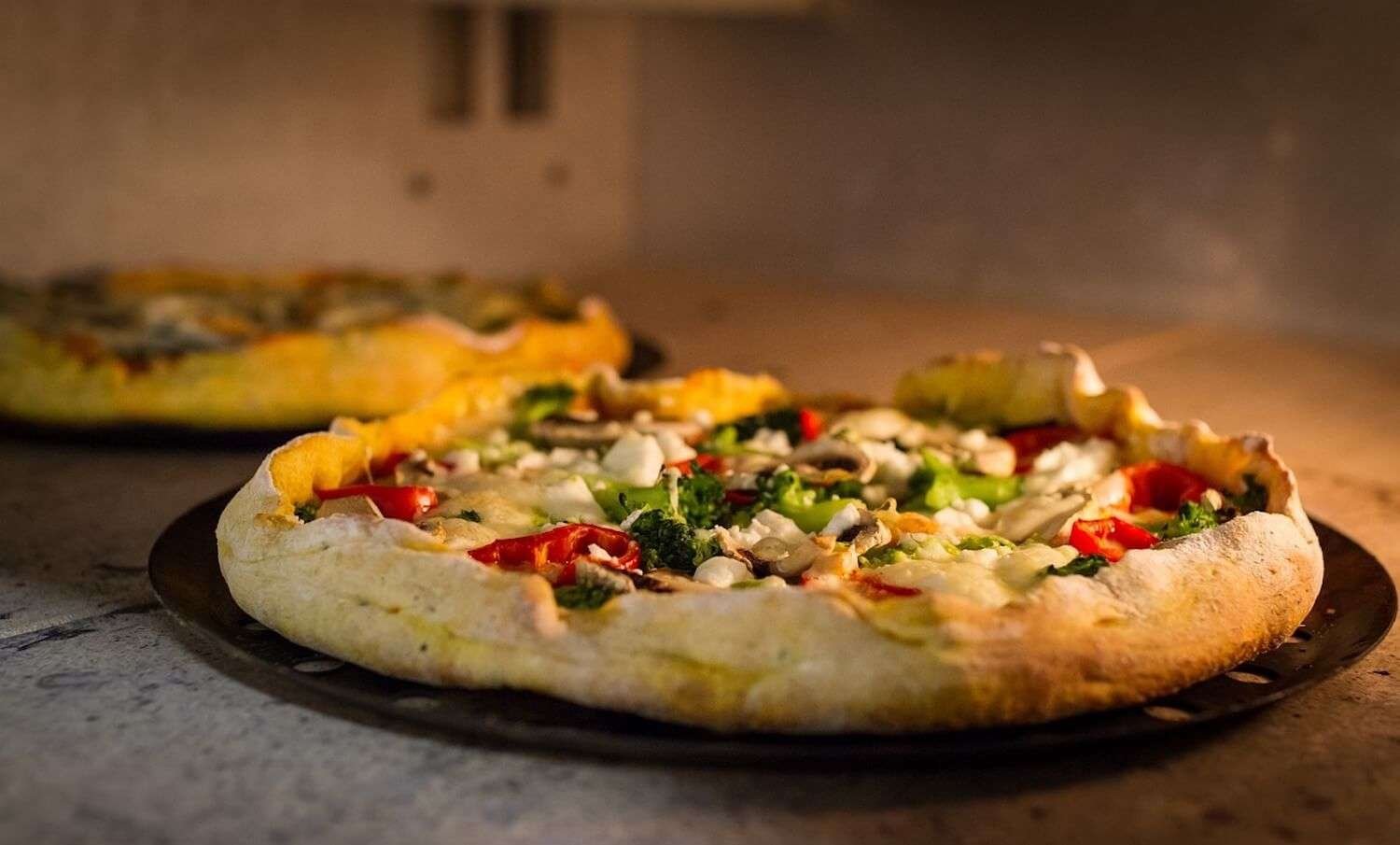
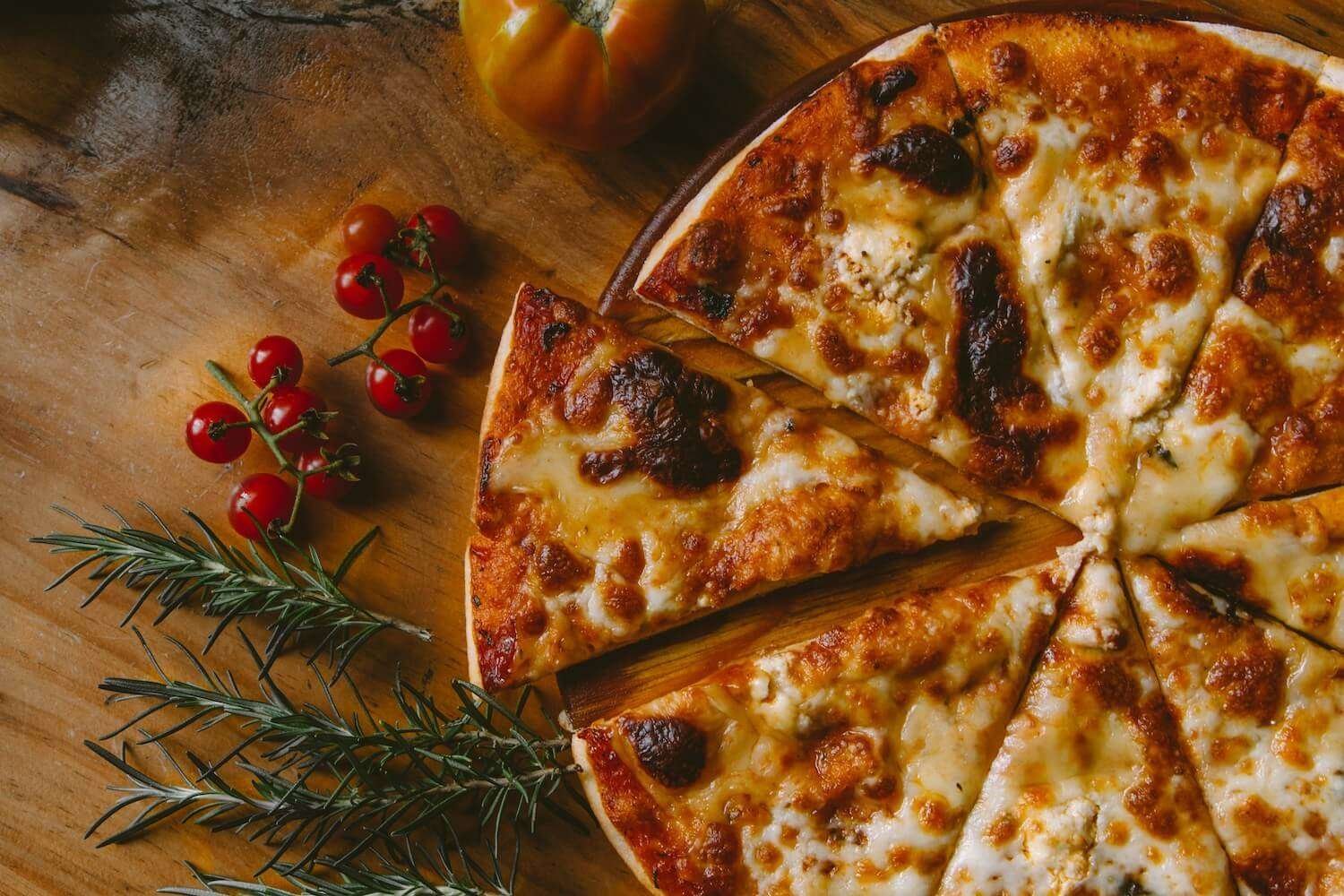
a pizza with vegetables on it

If you’re serious about baking pizza or bread at home, having a high-quality slab can make all the difference. With the right baking slab, you can create a crispy, golden pizza crust and perfectly baked bread with ease. Here’s an in-depth guide on finding the best slabs for making pizza or bread to elevate your home baking experience.

What Are Baking Slabs?

Baking slabs are heat-conducting surfaces, usually made of materials like steel, stone, or ceramic, that provide even heat distribution and high temperatures. By placing your dough on a hot slab, you can replicate the effects of a professional brick oven. Using slabs for making pizza or bread helps create a restaurant-quality finish, as these slabs retain heat longer than standard baking sheets, ensuring evenly baked crusts and beautifully browned bottoms.

Types of Baking Slabs

Choosing the right type of slab depends on the kind of baking you plan to do most often. Each material has its strengths, and knowing the differences can help you make the best choice for your kitchen.

1. Pizza Steel

Pizza steel is one of the most popular slabs for making pizza or bread due to its superior heat conductivity and durability.

  • Superior Heat Conductivity: Pizza steel heats up quickly and maintains consistent, high temperatures. This makes it perfect for achieving a pizzeria-style crust.
  • Durable and Long-Lasting: Unlike stone, steel slabs are practically unbreakable and can withstand high temperatures repeatedly.
  • Excellent for High-Temperature Baking: For those who enjoy high-heat baking, pizza steel is ideal. Its capacity to retain and radiate intense heat makes it excellent for pizzas and artisanal bread with a thick, crunchy crust.
  • Requires Maintenance: Pizza steel must be seasoned occasionally to prevent rust and keep it in good condition. Regular seasoning also enhances its non-stick properties.

2. Pizza Stone

Pizza stones are a traditional choice for slabs for making pizza or bread and offer excellent heat retention, which helps evenly bake both pizza and bread.

  • Traditional Material with Great Heat Retention: Stones maintain heat longer, which is beneficial for maintaining even baking temperatures.
  • Affordable Option: Pizza stones are generally more affordable than steel, making them a popular choice for home bakers looking for an economical way to improve their results.
  • Prone to Cracking: Stones are delicate compared to steel and can crack under extreme temperature changes. Avoid placing a cold stone in a hot oven to prevent thermal shock.
  • Natural Material: Many stones are made from natural materials like cordierite or clay, adding an earthy touch to your baking tools.

3. Ceramic Slabs

Ceramic slabs are an affordable, lightweight option for home bakers looking for slabs for making pizza or bread without a hefty price tag.

  • Lightweight and Easy to Handle: Ceramic slabs are typically lighter than steel and stone, making them easy to maneuver in and out of the oven.
  • Good Heat Distribution: While ceramic doesn’t retain heat as long as steel or stone, it provides a balanced baking surface suitable for home baking.
  • Affordable and Easy to Clean: Ceramic slabs are often more affordable and are safe for washing with gentle soap and water.
  • Prone to Breakage: Though lighter, ceramic slabs can break if dropped or exposed to high temperature fluctuations.

The Best Slabs for Making Pizza or Bread / Bake Batter & Beyond

How to Choose the Right Slab for Making Pizza or Bread

When choosing the best slabs for making pizza or bread, consider your baking style and frequency. For pizza enthusiasts who love a crispy, high-heat crust, pizza steel or a thicker stone is ideal, as it ensures the perfect rise and char. These materials are excellent slabs for making pizza or bread due to their ability to handle high temperatures and deliver that restaurant-quality texture. Meanwhile, for bread bakers, ceramic and stone slabs are top choices. Their superior heat retention allows for even baking and beautifully browned bread bottoms, making them ideal for artisanal loaves.

In addition, assessing your baking goals will help refine your choice further. If you love a thin, crispy pizza crust, a metal slab will be ideal due to its rapid heat transfer, creating a desirable crisp bottom. For those who prefer a rustic, chewy crust with excellent moisture retention, a stone or ceramic slab is a better fit, as these materials absorb excess moisture, enhancing texture. Whether replicating artisanal pizzas or crafting crusty sourdough, choosing the right slab is key to achieving the results you’re after.

Size Matters

When selecting slabs for making pizza or bread, it’s essential to choose a size that fits comfortably in your oven. For a standard-sized home oven, a 16″ x 14″ slab provides ample space, making it ideal for both pizzas and loaves. For compact ovens, however, a smaller 14″ x 14″ slab works well and still offers room for optimal airflow and even heat distribution around the slab’s edges, which is key for consistent baking results.

Size and thickness both play crucial roles in how your slab performs. A larger slab can allow for baking multiple loaves or pizzas at once, providing a stable surface for shaping and kneading dough. Meanwhile, thickness affects heat retention—thicker slabs for making pizza or bread hold heat longer, while thinner slabs heat up more quickly. Whether you need a larger slab for bigger baking batches or a thinner, compact slab for faster heating, choosing the right size and thickness ensures a smooth and efficient baking process.

Thickness Guidelines

The thickness of the slab influences how much heat it can hold, affecting how your pizza or bread turns out.

  • Steel: Look for slabs between ¼” to â…œ” thick, which provide even heat without being too heavy.
  • Stone: Aim for ½” to 1″ thick. Thicker stones retain heat longer, which is beneficial for baking bread.
  • Ceramic: Typically ¾” to 1″ thick. This thickness strikes a good balance between heat retention and weight.

Care and Maintenance Tips for Your Baking Slab

Keeping your slabs for making pizza or bread in top condition is essential for long-lasting performance and consistent results.

General Care for All Slabs

  • Preheat Properly: For best results, preheat your slab for 45-60 minutes to ensure it reaches the correct temperature.
  • Use the Right Tools: Use a pizza peel or dough scraper to transfer dough to and from the slab to avoid burns or damage.
  • Clean After Cooling: Allow the slab to cool completely before cleaning it. Avoid using soap on porous stone slabs, as it can affect the taste of your pizza or bread.

Material-Specific Care

  • Steel: Season steel slabs periodically with a thin layer of oil to prevent rust and enhance non-stick properties.
  • Stone: Brush clean with a dry brush. Avoid water or soap to preserve the stone’s natural qualities.
  • Ceramic: Wash gently with mild soap and water, taking care not to scratch the surface.

Temperature Guidelines for Baking Slabs

Each type of slab has an optimal temperature range for the best baking results.

  • Steel: Ideal at up to 550°F (288°C), making it perfect for high-heat baking and fast pizza cooking.
  • Stone: Generally performs best up to 500°F (260°C) and is ideal for pizzas and slow-baking breads.
  • Ceramic: Performs well at up to 450°F (232°C), which is suitable for most home-baked breads and medium-heat pizzas.

Price Comparison: Slabs for Making Pizza or Bread

Price is an important factor when choosing your baking slab, as quality and material can significantly impact costs.

  • Entry-Level Options:
  • Ceramic: $30-50
  • Stone: $40-60
  • Steel: $80-100
  • Professional-Grade Options:
  • Ceramic: $60-80
  • Stone: $70-90
  • Steel: $120-200

By investing in slabs for making pizza or bread, you’re choosing a versatile tool that enhances your baking results and ensures restaurant-quality texture every time. Whether you’re a pizza lover or a bread enthusiast, a baking slab is a fantastic addition to any kitchen.

The Best Slabs for Making Pizza or Bread / Bake Batter & Beyond

Understanding the Importance of Baking Slabs

When it comes to baking, heat distribution is key to achieving desirable results. Baking slabs play a crucial role in ensuring that heat is evenly distributed throughout the dough, resulting in a crust that is crispy on the outside and tender on the inside.

The Role of Heat Distribution in Baking

The even distribution of heat is essential because it helps cook the dough uniformly. Without proper heat distribution, you may end up with burnt spots or undercooked areas, impacting the overall texture and taste of your pizza or bread.

Material Considerations for Baking Slabs

When choosing a baking slab, it’s important to consider the material it’s made of. Different materials conduct heat differently, which can affect the baking process and the final outcome of your baked goods.

Let’s take a look at some popular materials used for baking slabs:

  1. Ceramic: Ceramic baking slabs are known for their ability to retain heat and provide a consistent temperature throughout the baking process. This helps create a beautifully crisp crust on bread and pizza.
  2. Cordierite: Cordierite baking slabs are durable and can withstand high temperatures without cracking. They are ideal for achieving that perfect crispy bottom on your baked goods.
  3. Steel: Steel baking slabs heat up quickly and are great for achieving a fast bake with a crispy crust. They are also versatile and can be used for a variety of baked goods, from bread to pastries.

The Benefits of Using a Baking Slab

Improved Crust Quality

One of the main benefits of using a baking slab is achieving a superior crust. The even heat distribution and the ability of the slab to absorb moisture helps create a crust that is golden brown, crispy, and delightfully chewy.

Furthermore, the porous nature of a baking slab allows for better air circulation around the dough, resulting in a more uniform rise and texture. This means your baked goods will have a consistent crumb structure and a professional-looking finish that will impress even the most discerning food critics.

Enhanced Flavour Profile

A baking slab can enhance the flavours of your pizza or bread by providing a consistent, even bake. This results in bread with a deep, flavourful crust and an airy interior. Additionally, even cooking helps develop complex flavours and aromas.

Moreover, the thermal mass of a baking slab helps maintain a stable oven temperature, which is crucial for achieving the perfect bake. This consistent heat retention ensures that your baked goods are cooked evenly from edge to centre, allowing the flavours to develop harmoniously for a delicious end result.

Ready to elevate your baking game? Visit Bake Batter and Beyond for more delicious tips and tricks for perfecting your homemade bread!

The Best Slabs for Making Pizza or Bread / Bake Batter & Beyond

Related Topics: baking bread • bread making • bread making equipment • commercial bakery • dough • pizza dough • pizza making

About the Author

Kaylene Grieve, a passionate baker and culinary educator, carries on a rich family legacy in the world of pastries and confections that began with her grandfather’s successful bakery. With over two decades of experience in business and marketing, Kaylene combines her baking heritage with digital expertise as the founder of Bake Batter & Beyond. This comprehensive baking resource reflects her mission to make the joy and science of baking accessible to all.

Dedicated to empowering both novice and experienced bakers, Kaylene’s website offers practical knowledge and tools including measurement converters, substitution guides, troubleshooting tips, and baking rescue techniques. Her special focus on the intricate world of cake making, coupled with her unique blend of family tradition and modern savvy, has established Kaylene as a trusted voice in the baking community.
0 Comments

Submit a Comment

Your email address will not be published. Required fields are marked *

Related Posts