
Are you ready to take your baking to the next level? Well, hold onto your whisks, because silicone baking molds are about to rock your world! Did you know that the global silicone bakeware market is expected to reach $759.8 million by 2028? That’s right – these flexible, colourful molds aren’t just a passing fad. They’re revolutionising the way we bake. From perfect cupcakes to intricate fondant designs, silicone molds are the secret weapon every baker needs in their arsenal. So, let’s dive in and explore the wonderful world of silicone baking molds!
What Are Silicone Baking Molds?
When I first stumbled across these colourful, floppy silicone baking molds in the baking aisle, I was pretty sceptical. I mean, how could something that looks like a rubber toy possibly work in an oven?
Definition and basic characteristics of silicone baking molds
So, what exactly are silicone baking molds? Well, they’re these flexible, non-stick baking tools made from food-grade silicone. They come in all sorts of shapes and sizes, from your standard cupcake trays to fancy shaped cake pans and even those intricate molds for chocolate and candy making. The cool thing is, they’re super bendable but can withstand crazy high temperatures.
I remember the first time I used one. I was trying to make a bundt cake. No more greasing and flouring the pan like a maniac, hoping and praying the cake would come out in one piece. Nope, with the silicone mold, the cake just popped right out, perfect as can be.
Brief history and evolution of baking molds
Now, these nifty little inventions haven’t been around forever. Back in the day (and I’m talking way back), people used to bake in clay pots or over open fires. Can you imagine? Talk about a hassle! Then came metal bakeware, which was a huge step up. Glass followed, and for a long time, that was the gold standard. But silicone? That’s a relatively new kid on the block.
Food grade silicone baking molds started gaining popularity just before the early 2000s. At first, people were kinda hesitant. I mean, baking in plastic? Sounds sketchy, right? But as more people tried them out and realised how awesome they were, they really took off. Now, you can find silicone molds for just about anything you want to bake.
Silicone baking molds, known for their versatility and ease of use, are among the top choices when it comes to the best cake decorating tools.
Comparison with traditional metal and glass bakeware
Speaking of traditional bakeware, let’s compare these silicone wonders to the old-school metal and glass options. Now, don’t get me wrong, I’ve got nothing against a good metal cake pan or a trusty glass casserole dish. They’ve served us well for years. But silicone? It’s got some serious advantages.
First off, the non-stick factor is off the charts. I can’t tell you how many times I’ve had to scrape and soak a metal pan after baking. With silicone, a little soap and water, and you’re done. Plus, they’re way more forgiving if you happen to overbake something (not that I’ve ever done that… ahem).
Flexibility is another big win for silicone. Try twisting a metal pan to get a stuck cake out – yeah, not happening. But with silicone, you can just flip it inside out. It’s pretty cool to watch, actually!
One thing to keep in mind, though – silicone doesn’t conduct heat quite like metal does. I learned this the hard way when I tried to make my grandma’s famous brownie recipe in a silicone pan. They took a bit longer to bake and didn’t get that crispy edge I was used to. But once I adjusted the baking time, they turned out great.
On the flip side, silicone is way more versatile than traditional bakeware. You can use it in the oven, microwave, freezer, and even the dishwasher. Try doing that with your metal pans! And don’t even get me started on storage. These babies stack like a dream, taking up way less space in my already cramped kitchen cabinets.
Benefits of Using Silicone Baking Molds
Silicone baking molds have been a total game-changer in my kitchen. I remember the first time I used one – it was for a batch of muffins, and I was sceptical. Boy, was I in for a surprise!
Non-stick properties and easy release of baked goods
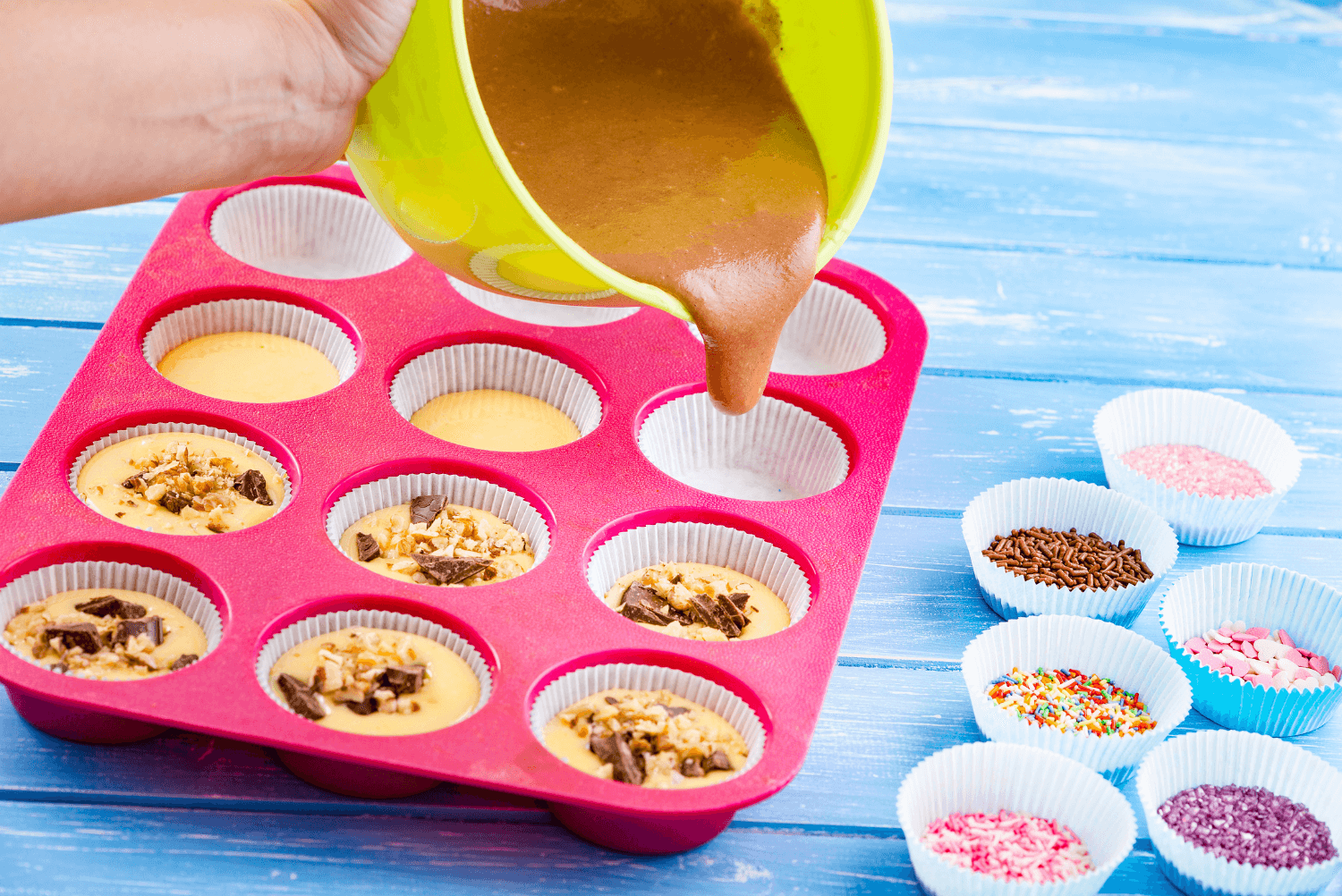
First off, the non-stick properties of these pans are out of this world. You know how frustrating it is when half your cake sticks to the pan? Been there, done that, and it’s the worst. But with silicone molds, it’s like your baked goods are floating on air. I’ve had cupcakes practically jump out of the mold! No more scraping and cursing under my breath – just perfect, intact treats every time.
Flexibility and durability of silicone material
Now, let’s talk about flexibility. I used to be terrified of dropping my glass baking dishes (RIP to my favourite pie plate). But silicone molds? They’re like the rubber duckies of the baking world. I’ve accidentally knocked them off the counter more times than I’d like to admit, and they just bounce right back. Plus, when it comes to getting those tricky-shaped cakes out, you can literally turn these molds inside out. It’s like magic!
Even heat distribution for consistent baking results
But here’s the game changer – the even heat distribution. I used to have this old metal muffin tin that had a hot spot. One muffin would always come out burnt while the others were barely done. Talk about annoying! With silicone, everything cooked evenly, and I finally achieved that perfect golden-brown colour across all my baked goods.
Space-saving storage options
My cabinets used to look like a complicated mess with all those bulky metal pans. Silicone molds, though? So much easier. I’ve stuffed them into the tiniest spaces, and it’s seriously freed up so much room in my kitchen.
Eco-friendly aspects of silicone molds
Last but not least, let’s chat about being eco-friendly. Silicone molds are like the superheroes of the baking world when it comes to sustainability. They last forever (I’ve had some for years and they’re still going strong), and they’re way more energy-efficient to produce than metal. Plus, when they eventually do wear out (which feels like never), they’re recyclable. It’s a win-win!
Now, I’m not saying silicone molds are perfect. They can be a bit floppy when you’re putting them in the oven, and sometimes they hold onto odors if you’re not careful. But honestly? The pros so far outweigh the cons that I’ve become a total convert.
Types of Silicone Baking Molds
Standard shapes (cupcake, muffin, cake pans)
Standard silicone baking molds are essential for any baker’s kitchen. These include classic shapes like a cupcake and muffin trays, as well as round, square, and rectangular cake pans. These versatile molds are perfect for everyday baking needs, from whipping up a batch of cupcakes for a birthday party to creating a multi-layered cake for a special occasion.
Specialty shapes (character molds, holiday-themed)
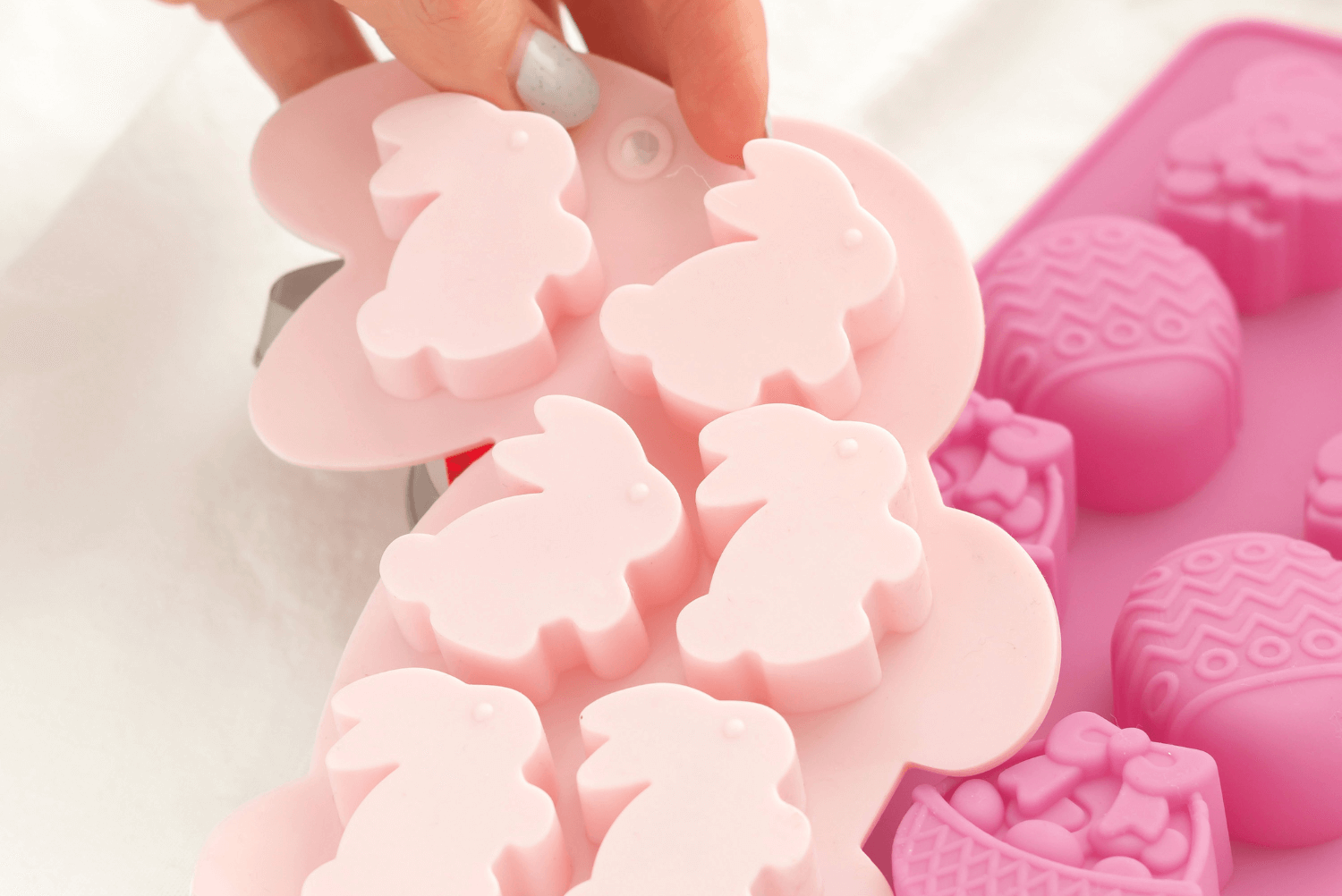
For those looking to add a touch of fun and creativity to their baked goods, specialty silicone molds are the way to go. These include character-shaped molds featuring popular cartoon characters or animals, which are great for children’s parties. Holiday-themed molds, such as pumpkins for Halloween, hearts for Valentine’s Day, or Christmas trees for the festive season, allow bakers to create seasonal treats with ease.
Versatile molds (loaf pans, bundt cake molds)
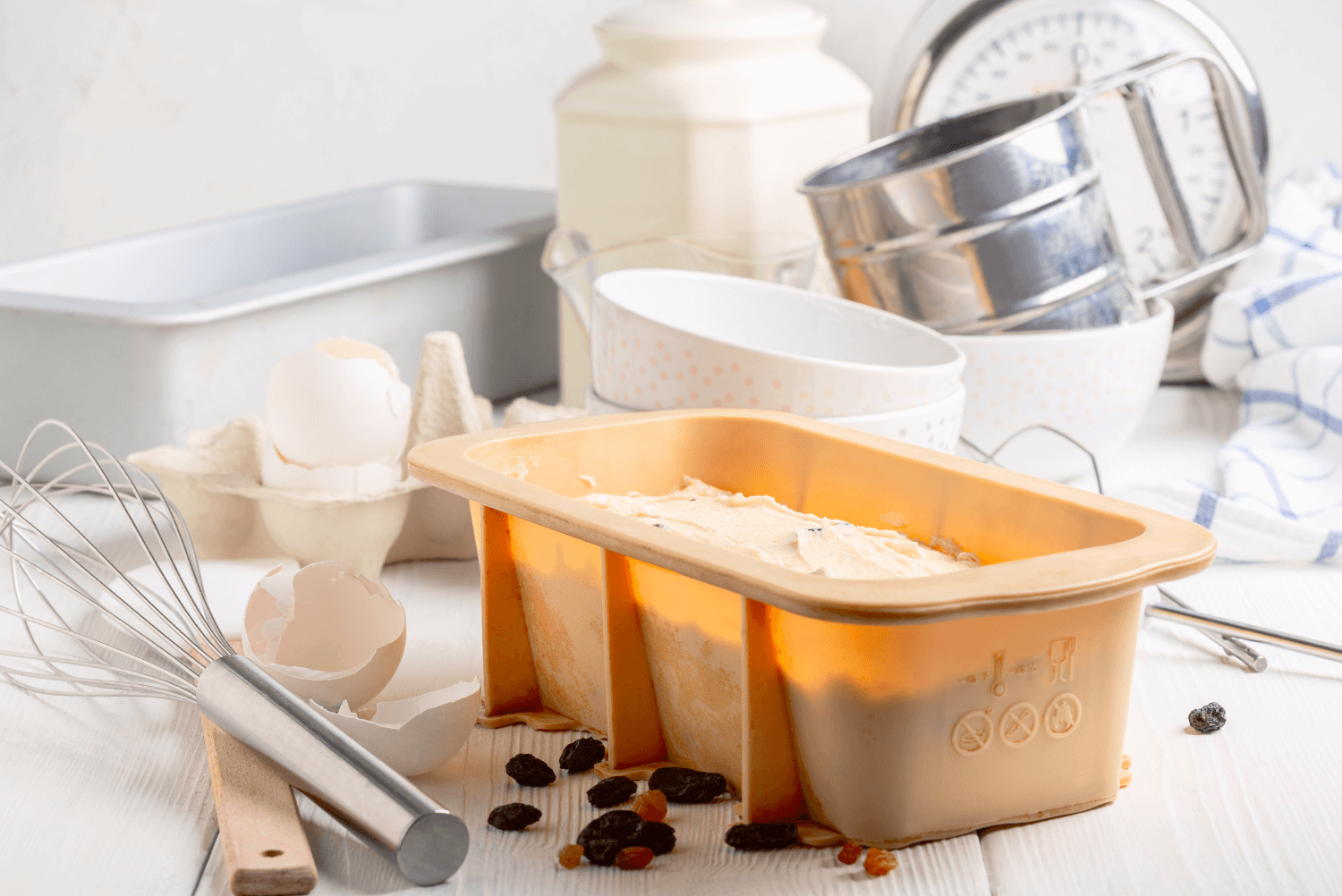
Versatile silicone molds offer flexibility in baking various types of treats. Loaf pans are perfect for baking bread, pound cakes, or even meatloaf. Bundt cake molds, with their distinctive ring shape and fluted sides, create beautifully shaped cakes that are both visually appealing and delicious. These molds can be used for both sweet and savoury dishes, making them a valuable addition to any kitchen.
Decorative molds (for fondant, chocolate, and candy making)
Decorative silicone molds are ideal for adding intricate details to your baked creations. These molds are particularly useful for working with fondant, allowing you to create detailed shapes and designs to adorn cakes and cupcakes. They’re also excellent for chocolate and candy making, enabling you to produce professional-looking confections with ease. From delicate flowers to intricate lace patterns, decorative molds can elevate your baking and confectionery to new heights.
How to Use Silicone Baking Molds Effectively
Preparing silicone molds for first use
Before using your silicone baking molds for the first time, it’s important to properly prepare them. Start by washing the molds thoroughly with warm, soapy water to remove any manufacturing residues. Rinse them well and dry them completely with a soft cloth or paper towel. Some bakers recommend “seasoning” new silicone molds by lightly coating them with cooking oil and baking them empty for about 10 minutes at 350°F (175°C). This process can help ensure easy release of baked goods in the future.
Tips for filling and handling silicone molds
When working with silicone molds, keep these tips in mind for best results:
- Place the mold on a sturdy baking sheet before filling to provide stability and make it easier to transfer in and out of the oven.
- Use a non-stick cooking spray or brush with oil for intricate designs to ensure easy release.
- Fill molds about 2/3 to 3/4 full to allow room for expansion during baking.
- Tap the filled mold gently on the counter to remove air bubbles and ensure even distribution of batter.
- When removing baked goods, gently press on the bottom of each cavity to help release the item.
Temperature guidelines and oven safety
Oven-safe silicone molds are generally safe for use in ovens up to 428°F (220°C), but always check the manufacturer’s instructions for specific temperature limits. Here are some general guidelines:
- Preheat the oven before inserting silicone molds.
- Avoid placing silicone molds directly on heating elements or flame.
- Be cautious when removing hot silicone molds from the oven, as they can be flexible and may cause spills if not properly supported.
- Allow baked goods to cool slightly in the mold before attempting to remove them.
Cleaning and maintaining silicone baking molds
Proper care of your reusable baking molds will ensure their longevity and continued performance:
- Allow molds to cool completely before cleaning.
- Wash with warm, soapy water and a soft sponge or cloth. Avoid abrasive scrubbers that could damage the silicone.
- For stubborn residues, soak the mold in warm, soapy water before cleaning.
- Most silicone molds are dishwasher safe, but check the manufacturer’s instructions to be sure.
- Dry thoroughly before storing to prevent mold growth.
- Store silicone molds flat or hanging to maintain their shape.
- Avoid using sharp utensils that could cut or damage the silicone surface.
By following these guidelines, you’ll be able to use your silicone baking molds effectively and enjoy perfectly shaped baked goods for years to come.
Creative Uses for Silicone Baking Molds
Beyond baking: ice cube trays, soap making, and crafts
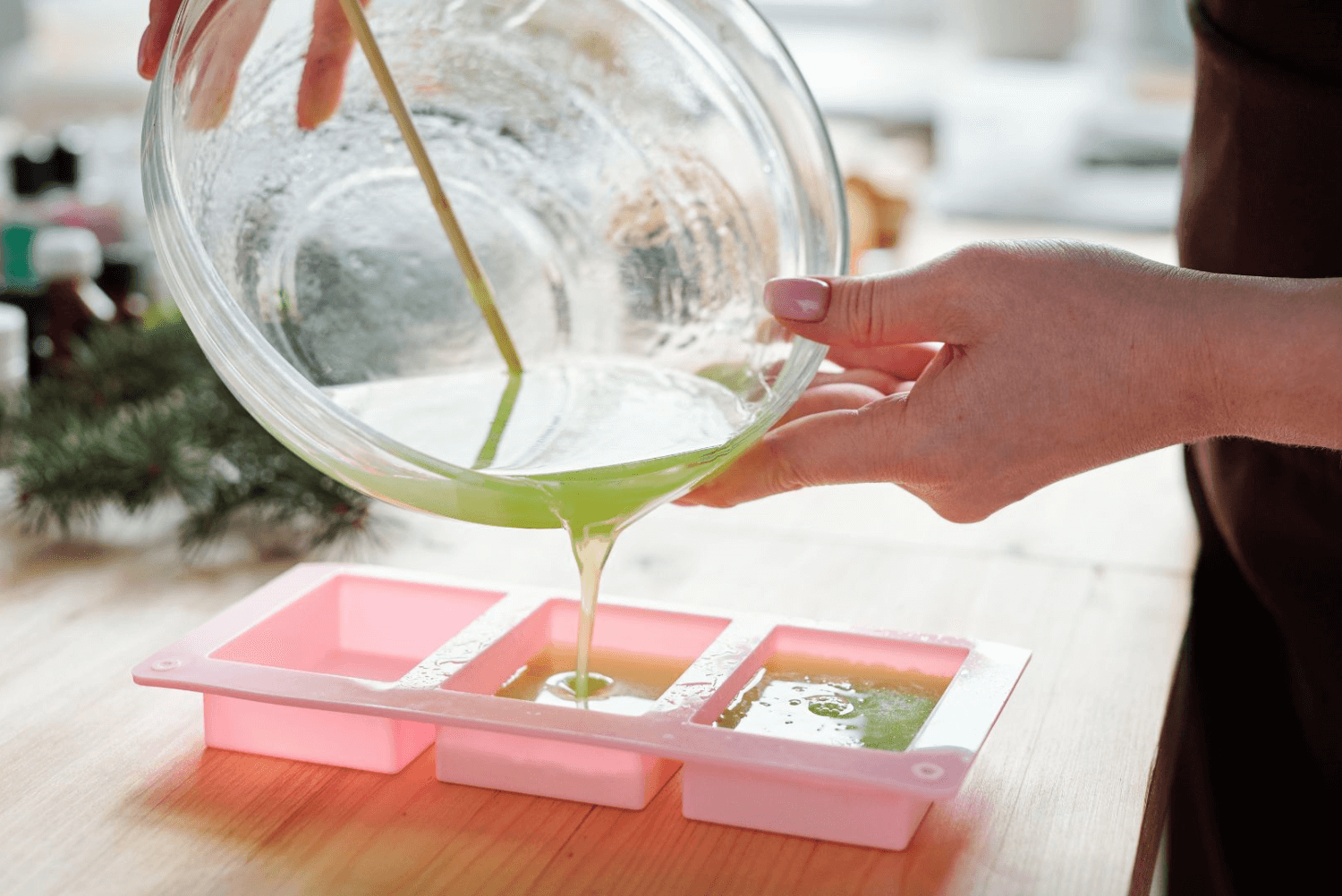
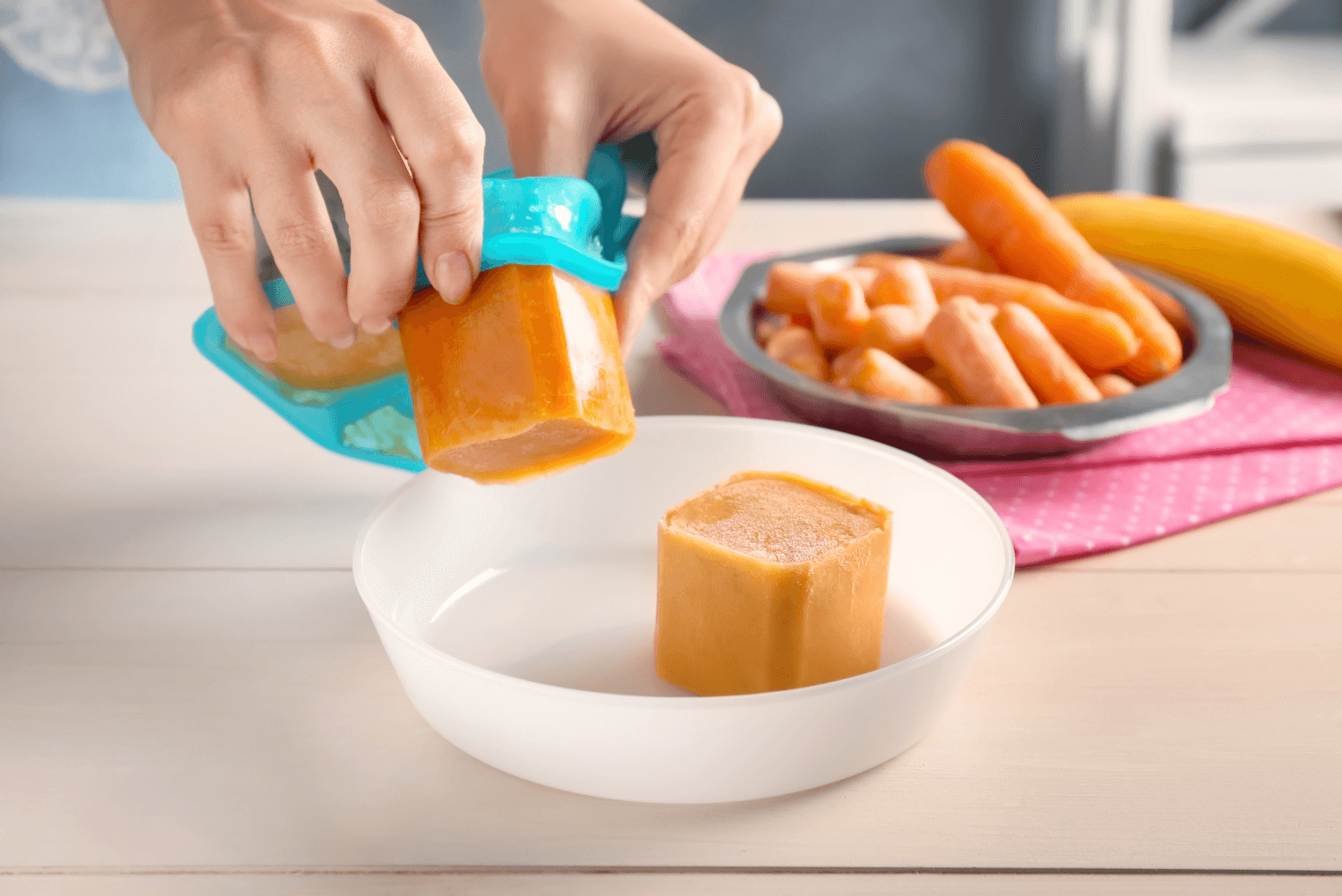
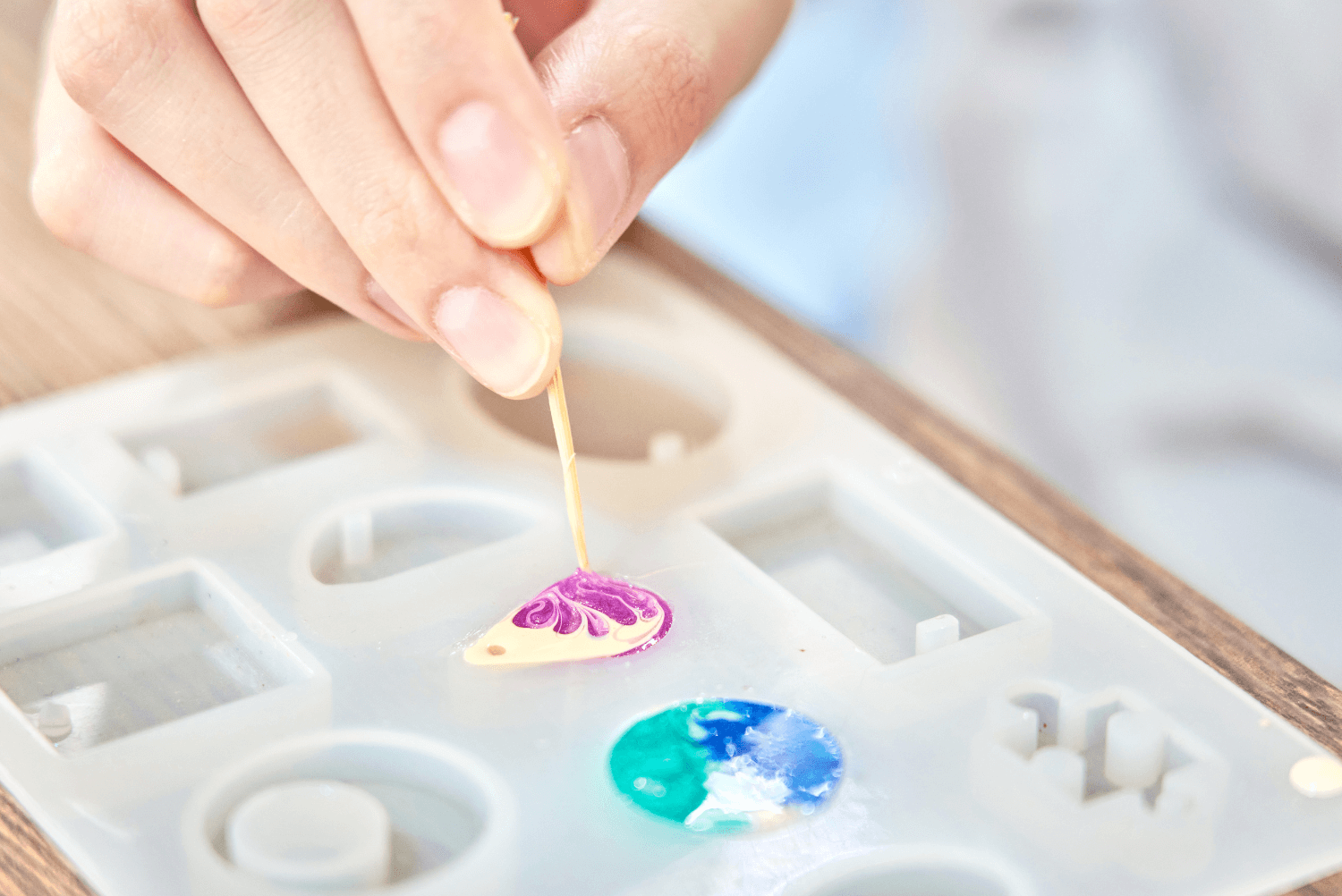
Silicone baking molds are incredibly versatile and can be used for much more than just baking. As ice cube trays, they create unique shapes for cocktails or infused water. In soap making, they produce perfectly molded bars with intricate designs. For crafts, use them to make candles, resin jewellery, or even concrete planters. The non-stick nature and flexibility of silicone make it ideal for these diverse applications.
Unique dessert ideas using silicone molds
Silicone molds open up a world of possibilities for creating eye-catching desserts. Use them to make three-dimensional chocolate sculptures, layered gelatin desserts, or frozen yogourt pops. Create stunning mousses or panna cottas in intricate shapes. For a show-stopping presentation, try making a dome-shaped entremet with multiple layers of cake, mousse, and glaze. The precise details captured by silicone molds can turn simple desserts into works of art.
Savoury dishes and appetisers made in silicone molds
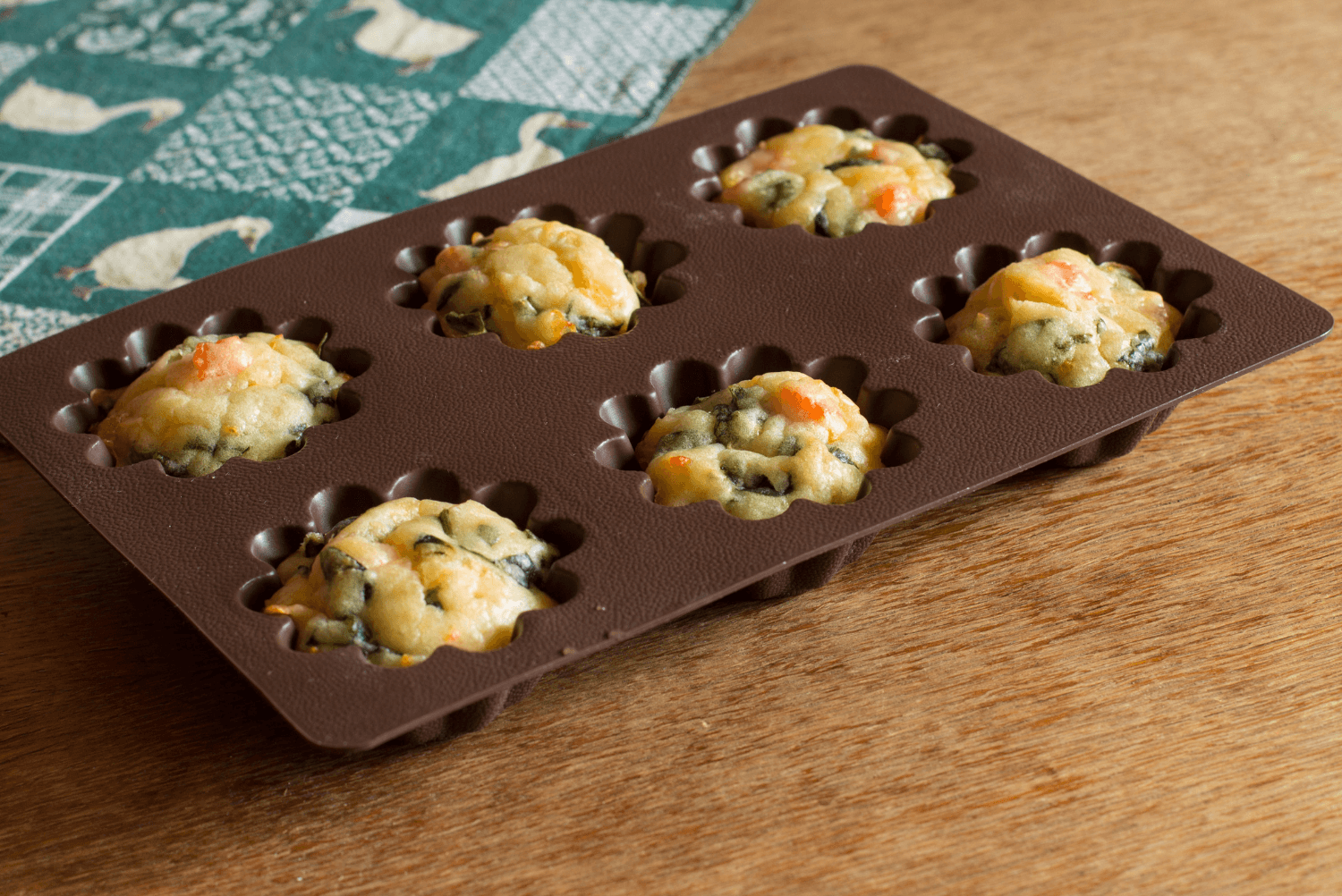
Don’t limit silicone molds to sweet treats – they’re excellent for savoury creations too. Use smaller molds to make perfectly portioned appetisers like mini quiches or savoury cheesecakes. Create impressive terrines or pâtés with layered ingredients that hold their shape when unmolded. Silicone molds are also great for making fancy butter shapes, molded rice or couscous side dishes, or even individualised meatloaves.
DIY projects and gift ideas using silicone molds
Silicone molds are a crafter’s dream for creating unique gifts and home decor items. Make personalised crayons by melting down old ones in fun shapes. Create custom bath bombs or lotion bars for spa-themed gifts. Use them to mold chocolate or candy for special occasions. For home decor, make decorative wax sachets, plaster wall hangings, or even small concrete items like bookends or paperweights. The possibilities are endless, limited only by your imagination.
Choosing the Right Silicone Baking Molds
Quality considerations and food-grade silicone
When selecting silicone baking molds, quality should be your top priority. Always choose molds made from food-grade silicone, which is safe for contact with food and resistant to high temperatures. Look for molds that are BPA-free and FDA-approved. High-quality silicone molds should be odourless and shouldn’t change colour or become sticky over time.
To test the quality of a silicone mold, try the “pinch test”: pinch and twist a flat surface of the mold. If white appears in the pinched area, it may contain fillers and might not be pure silicone. Pure silicone will retain its colour when pinched.
Size and shape selection based on baking needs
Consider your baking habits and needs when choosing mold sizes and shapes:
- Standard sizes: If you frequently bake cakes, cupcakes, or muffins, invest in standard-sized molds that match common recipe portions.
- Specialty shapes: For themed parties or holiday baking, consider character or seasonal shapes.
- Versatility: Multi-purpose molds like large sheet pans or loaf molds offer flexibility for various recipes.
- Storage space: Consider your available storage space when selecting mold sizes.
- Serving size: Choose molds that create appropriately sized portions for your typical serving needs.
Popular brands and user reviews
Some well-regarded brands in the silicone baking mold market include:
- Silpat: Known for their high-quality baking mats and molds.
- Wilton: Offers a wide range of affordable and colourful options.
- Flexipan: Professional-grade molds popular among pastry chefs.
- Silikomart: Known for innovative designs and high-quality materials.
Before purchasing, read user reviews on retail websites or baking forums. Look for feedback on durability, ease of use, and how well the molds release baked goods. Pay attention to comments about how the molds perform with different types of batters or doughs.
Price range and value for money
Silicone baking molds are available at various price points:
- Budget-friendly options ($5-$15): These are typically basic shapes or smaller molds. While they can be good for occasional use, they may not last as long as higher-quality options.
- Mid-range molds ($15-$30): This price range often offers a good balance between quality and affordability. You’ll find durable molds from reputable brands in standard and some specialty shapes.
- Premium molds ($30+): Professional-grade molds or large sets fall into this category. They’re often more durable and may come with additional features like reinforced rims for added stability.
When considering value for money, factor in:
- Frequency of use: If you bake often, investing in higher-quality molds may be more cost-effective in the long run.
- Versatility: Molds that can be used for multiple purposes offer better value.
- Durability: Higher-quality molds that last longer provide better value over time.
- Warranty: Some premium brands offer warranties, which can be a good indicator of product quality and longevity.
Remember, the most expensive option isn’t always the best. Look for molds that offer a good balance of quality, functionality, and price to suit your specific baking needs.
Wow, who knew silicone baking molds could be so versatile and game-changing? From whipping up perfect cupcakes to crafting unique ice cubes for your summer cocktails, these flexible baking molds are truly a baker’s best friend. As we’ve discovered, silicone molds offer a world of possibilities that go far beyond traditional baking. They’re easy to use, eco-friendly, and can help you create stunning desserts that will have your friends and family begging for your secret!
For other great baking or cake decorating ideas you can read more here.

About the Author
Kaylene Grieve, a passionate baker and culinary educator, carries on a rich family legacy in the world of pastries and confections that began with her grandfather’s successful bakery. With over two decades of experience in business and marketing, Kaylene combines her baking heritage with digital expertise as the founder of Bake Batter & Beyond. This comprehensive baking resource reflects her mission to make the joy and science of baking accessible to all.
Dedicated to empowering both novice and experienced bakers, Kaylene’s website offers practical knowledge and tools including measurement converters, substitution guides, troubleshooting tips, and baking rescue techniques. Her special focus on the intricate world of cake making, coupled with her unique blend of family tradition and modern savvy, has established Kaylene as a trusted voice in the baking community.

0 Comments