
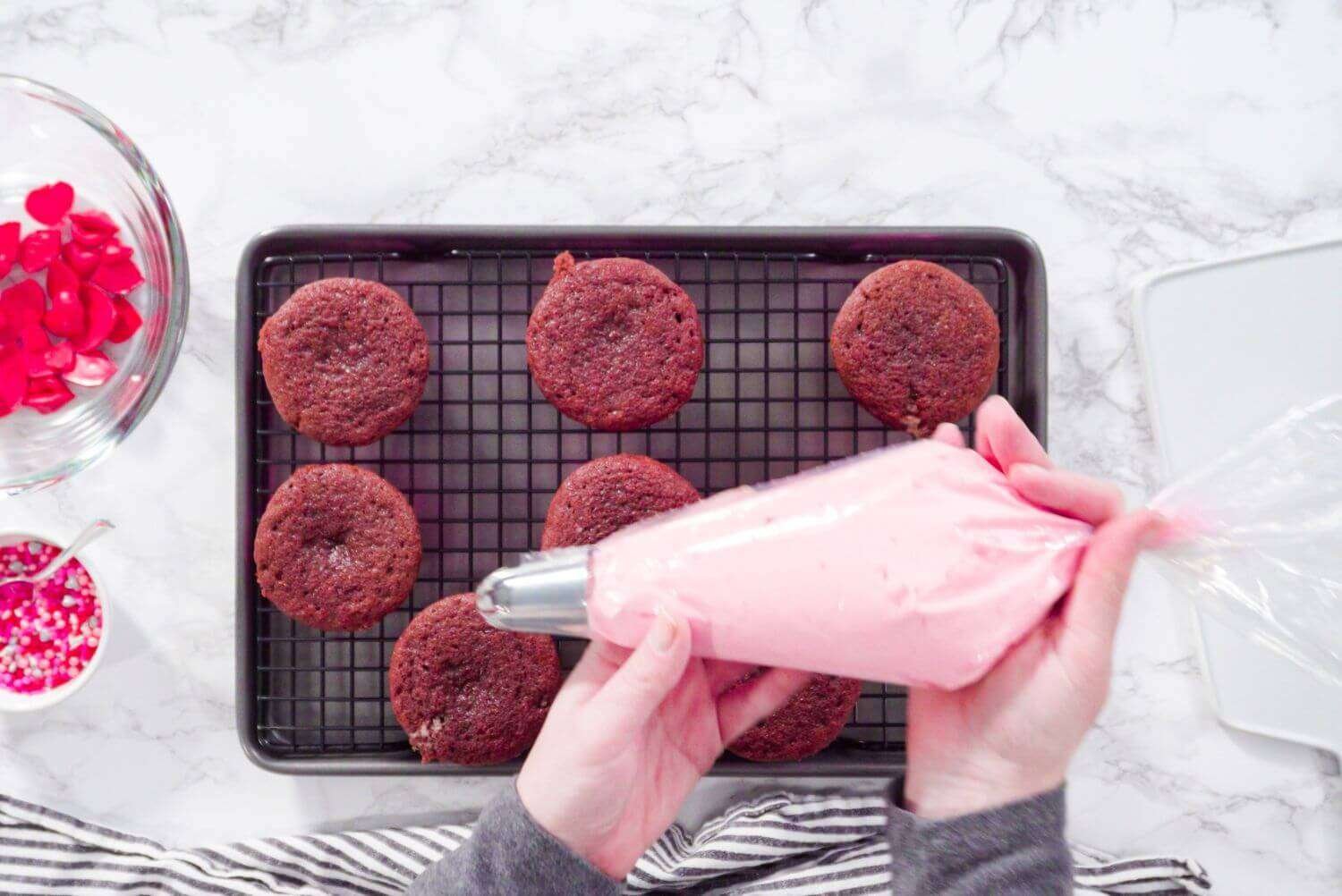
Are you ready to elevate your cake decorating game? Whether you’re a passionate home baker or an aspiring cake artist, understanding piping bags for cake decorating is crucial for creating those Instagram-worthy designs. In this comprehensive guide, we’ll explore everything you need to know about choosing and using the perfect piping bags for your cake decorating adventures.
Did you know that the right piping bag can make or break your cake decorating project? It’s true! As a passionate baker, I’ve learned this the hard way. Picture this: you’ve baked the perfect cake, whipped up a delicious frosting, and you’re ready to create a masterpiece. But wait – your piping bag decides to burst mid-decoration! Disaster, right?
In this guide, we’ll explore the essentials of piping bags for cake decorating. From different types and materials to handy tips and tricks, you’ll learn everything you need to elevate your cake decorating skills. Let’s get started with these best cake decorating tools!
Reusable Cloth Piping Bags
When it comes to piping bags for cake decorating, reusable cloth piping bags are the old-school favourites. These sturdy bags, typically made from materials like cotton or polyester, are the go-to choice for many professional bakers. Why? They’re durable, can withstand high pressure, and provide excellent control for intricate designs. Plus, they’re eco-friendly! However, they do require more maintenance – you’ll need to wash them thoroughly after each use. But for serious decorators who pipe frequently, the investment in a good cloth piping bag can pay off in the long run. And you may want to invest in a few if you are constantly changing colours or piping tips.
Disposable Plastic Piping Bags
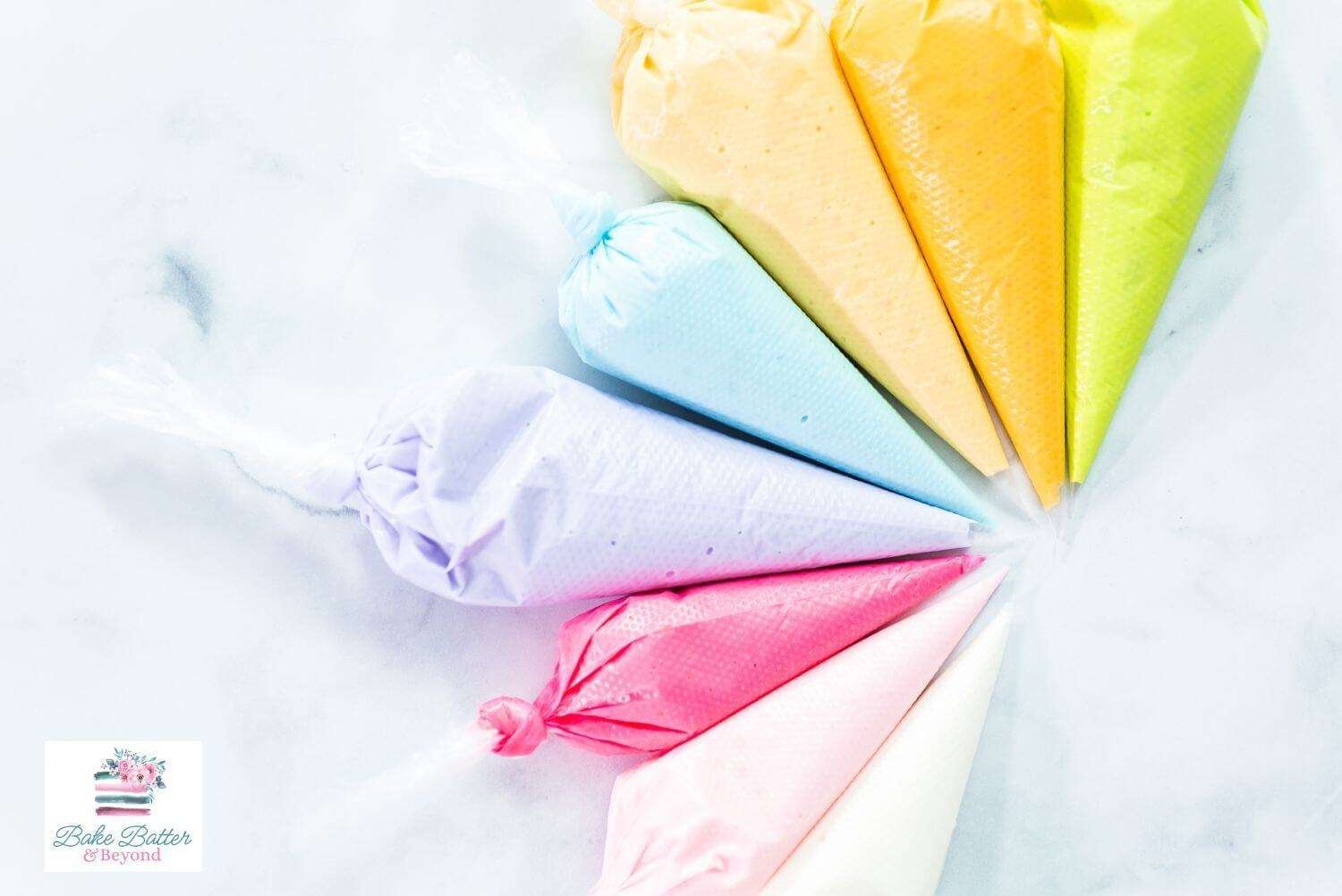
For those who value convenience, disposable frosting bags for cake decorating are a game-changer. These lightweight, clear bags are perfect for occasional bakers or for those working with multiple colours. They’re hygienic (no need to worry about cross-contamination between flavours), and clean-up is a breeze – just toss them when you’re done! The downside? They’re not the most environmentally friendly option, and they can sometimes burst under high pressure. But for quick, hassle-free decorating sessions, they’re hard to beat.
Silicone Piping Bags
Silicone piping bags for cake decorating offer the best of both worlds – the durability of reusable bags with the ease of cleaning associated with disposables. These flexible, heat-resistant bags are a dream to work with. They’re non-stick, so your icing or ganache slides out easily, and they’re dishwasher-safe for easy cleaning. Some bakers find them a bit slippery to hold, but with practice, they can be a versatile addition to your decorating toolkit.
Comparison of Durability, Ease of Use, and Eco-Friendliness
When choosing piping bags for cake decorating, it’s important to consider durability, ease of use, and eco-friendliness. Cloth bags score high on durability and eco-friendliness but require more maintenance. Disposable plastic bags are the easiest to use but fall short on the eco-friendly scale. Silicone bags offer a good balance of durability and ease of use, with decent eco-credentials. Ultimately, the best choice depends on your specific needs, frequency of use, and personal preferences. Many decorators keep a variety of piping bags on hand to suit different projects and situations.
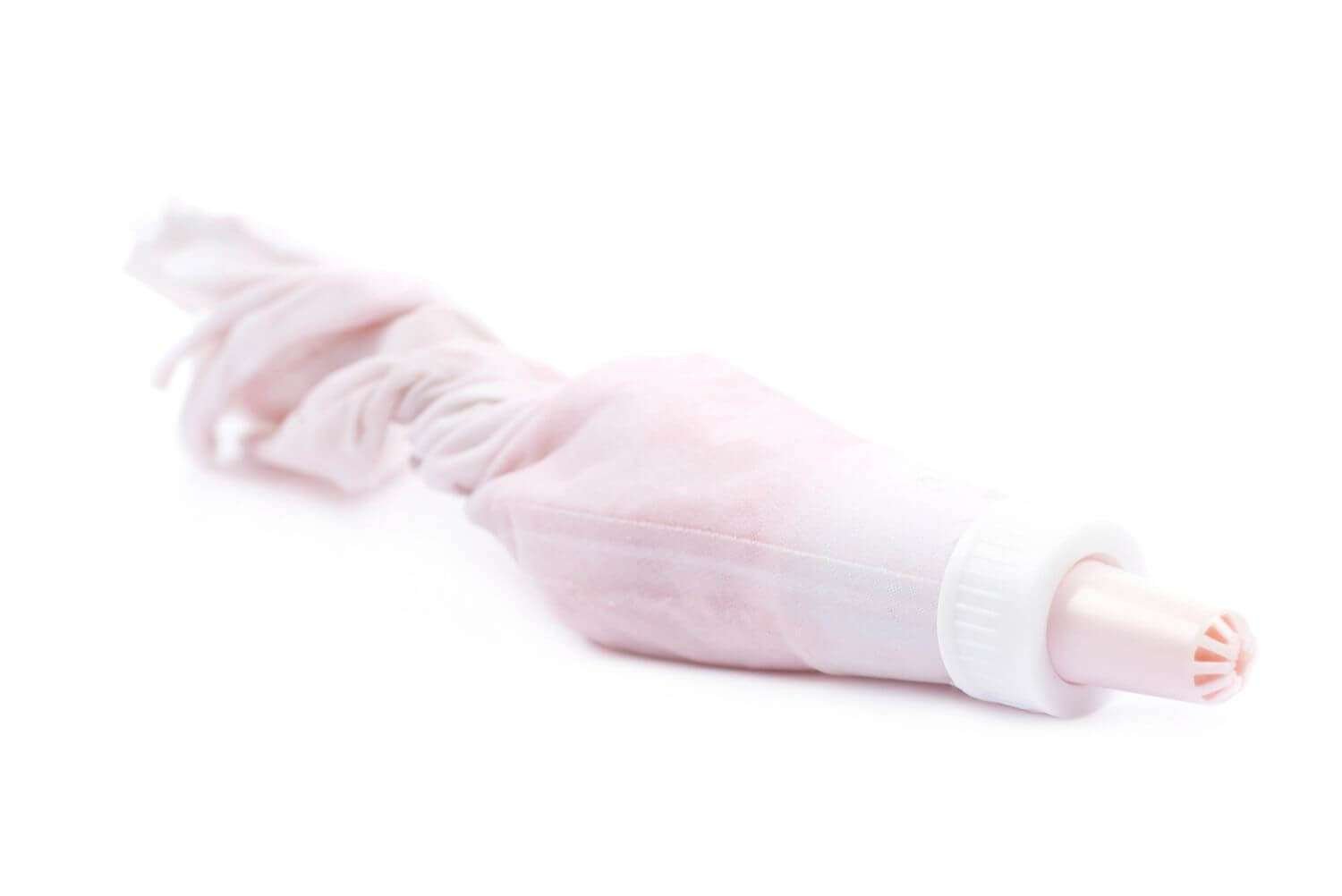
Choosing the Right Size: From Mini to Jumbo Piping Bags
Standard Sizes Available in the Market
When it comes to piping bags for cake decorating, size really does matter! The market offers a wide range of sizes to suit every decorator’s needs. Typically, you’ll find piping bags ranging from 8 inches to 24 inches in length. The most common sizes are 12-inch, 16-inch, and 18-inch bags. These standard sizes are versatile enough to handle most decorating tasks. However, don’t be surprised to see mini bags as small as 8 inches for intricate work, or jumbo bags up to 24 inches for large-scale projects. Remember, the size refers to the length of the bag when laid flat, not the volume it can hold.
When to Use Small Piping Bags for Detailed Work
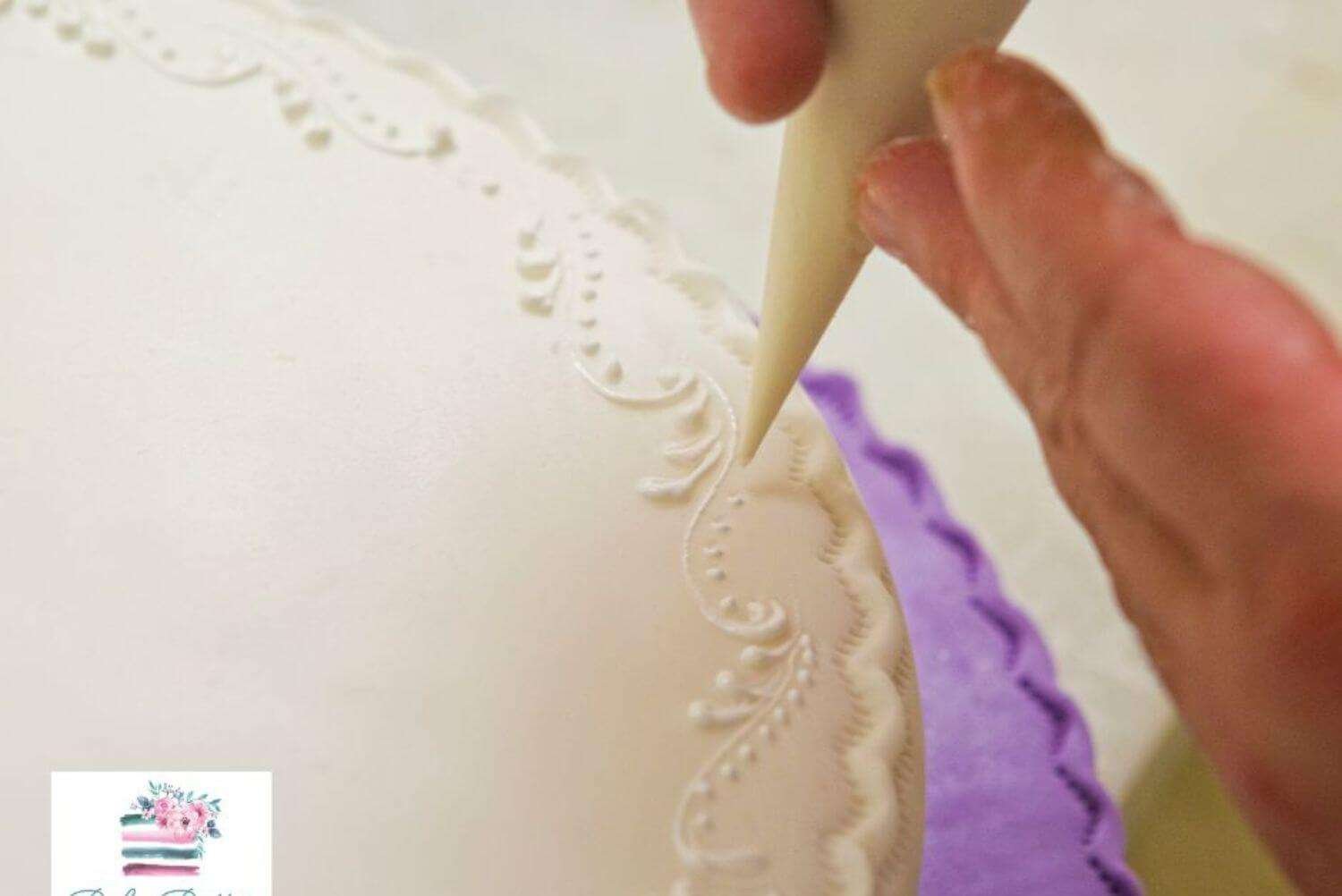
Small piping bags for cake decorating are your secret weapon for creating intricate designs and delicate details. These little powerhouses, typically ranging from 6 to 10 inches, are perfect for tasks that require precision and control. Think of writing names on cakes, creating fine lacework patterns, or piping tiny flowers. The smaller size allows for better manoeuvrability, especially when working with small decorating tips. They’re also great for small batches of royal icing or when you’re working with multiple colours.
Pro tip: Even if you prefer larger bags, keep a few small ones on hand for those detail-oriented finishing touches!
Benefits of Large Piping Bags for Covering Cakes
On the other end of the spectrum, large piping bags for cake decorating are a must-have for bigger tasks. Bags ranging from 18 to 24 inches are ideal for covering entire cakes with buttercream, piping large swirls on cupcakes, or creating generous borders. The main advantage? Capacity. Larger bags mean fewer refills, which is a real time-saver when you’re working on large cakes or multiple desserts. They also allow for better control when using larger decorating tips. Plus, if you’re piping thick consistencies like stiff buttercream or cream cheese frosting, a larger bag gives you a more gripping surface, reducing hand fatigue during those marathon decorating sessions.
How to Select the Right Size for Your Project
Choosing the right size piping bag for cake decorating is all about matching the tool to the task. Here’s a quick guide:
For writing: delicate details, or working with small tips (sizes 0-3), go for small 8-10 inch bags.
For general-purpose decorating: like piping rosettes or shells with medium tips (sizes 4-8), 12-16 inch bags work well.
For covering cakes: piping large swirls, or using large tips (sizes 9 and up), opt for 18-24 inch bags.
Consider the amount of icing you’ll be using too – larger projects require bigger bags to reduce refilling time. Remember, it’s always better to have a bag that’s slightly too big rather than too small. And don’t forget to factor in your hand size and comfort level – a bag that’s comfortable to hold will give you better control and results.
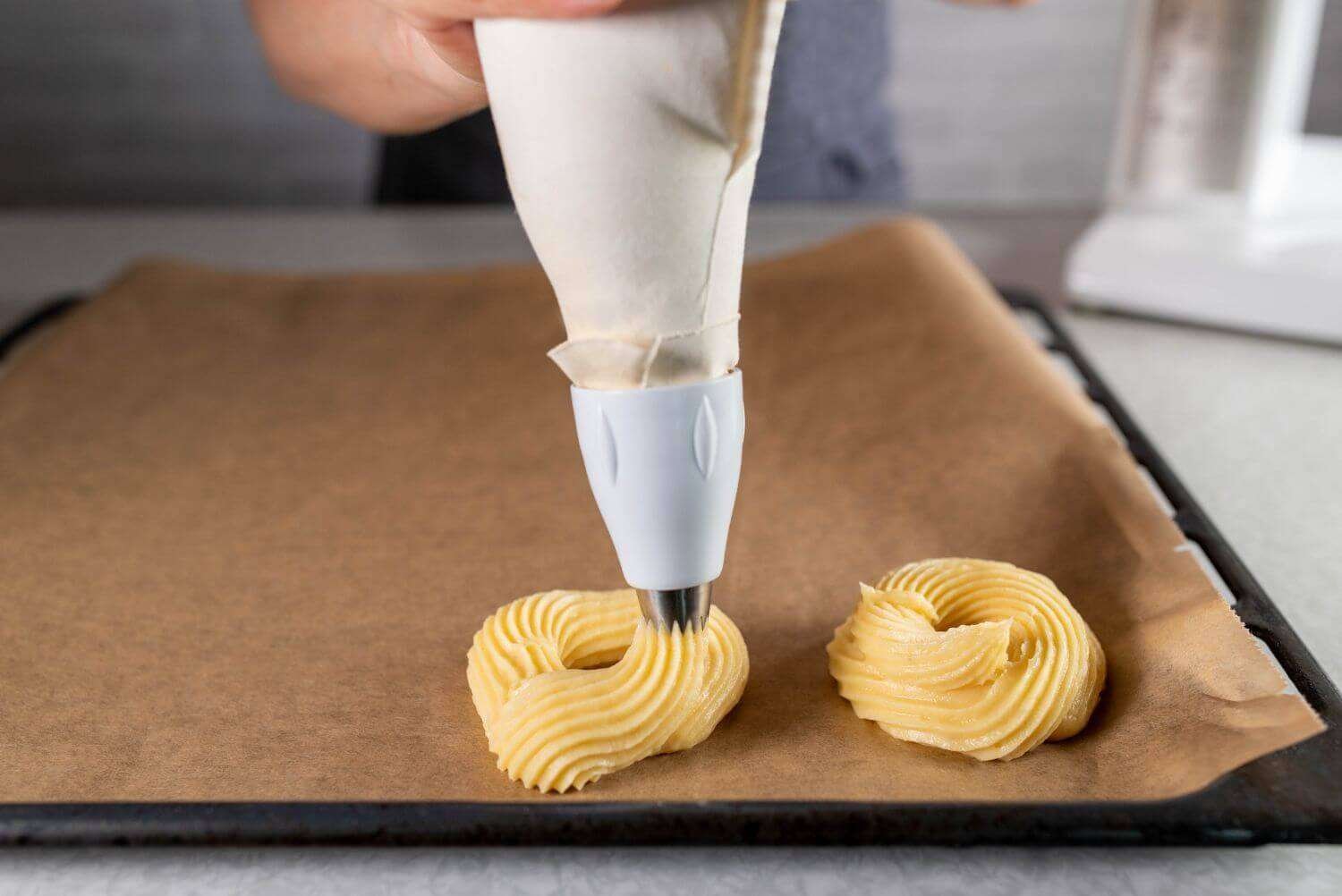
Materials Matter: Finding the Perfect Piping Bag Fabric
Nylon Vs. Polyester: Pros And Cons
When choosing piping bags for cake decorating, the material is a crucial factor. Nylon piping bags are known for their durability and strength, making them ideal for frequent use. They can withstand high pressure without bursting, perfect for thick frostings. However, nylon bags can be more challenging to clean thoroughly. On the other hand, polyester piping bags for cake decorating offer excellent flexibility and are generally more affordable. They’re easier to manipulate for intricate designs but may not be as long-lasting as their nylon counterparts.
Silicone Piping Bags: Flexibility And Heat Resistance
Silicone has become increasingly popular for piping bags in cake decorating. These bags offer unparalleled flexibility, allowing decorators to easily manoeuvre them for precise control. The heat-resistant nature of silicone is a significant advantage, especially when working with warm ganaches or melted chocolate. Silicone piping bags for cake decorating are also dishwasher safe, making cleanup a breeze. However, some decorators find that very thin icings can sometimes seep through the seams of silicone bags.
Disposable Plastic: Convenience And Hygiene
For bakers who prioritise convenience or those working in high-volume settings, disposable plastic piping bags for cake decorating are an excellent option. These bags eliminate the need for cleaning between uses, saving time and ensuring optimal hygiene. They’re particularly useful when working with multiple colours or flavours of frosting. While disposable bags are not as environmentally friendly as reusable options, they can be a practical choice for occasional decorators or for use in professional kitchens where food safety regulations are strict.
Eco-Friendly Options: Biodegradable And Reusable Materials
As environmental concerns grow, many cake decorators are turning to eco-friendly piping bags. Biodegradable piping bags made from materials like corn starch offer the convenience of disposable bags with a lower environmental impact. Reusable cotton piping bags for cake decorating are another sustainable choice, though they require more maintenance. Some innovative companies are even producing biobased disposable plant based piping bags, combining durability with environmental responsibility. When choosing eco-friendly piping bags, consider the balance between sustainability and the specific needs of your cake decorating projects.
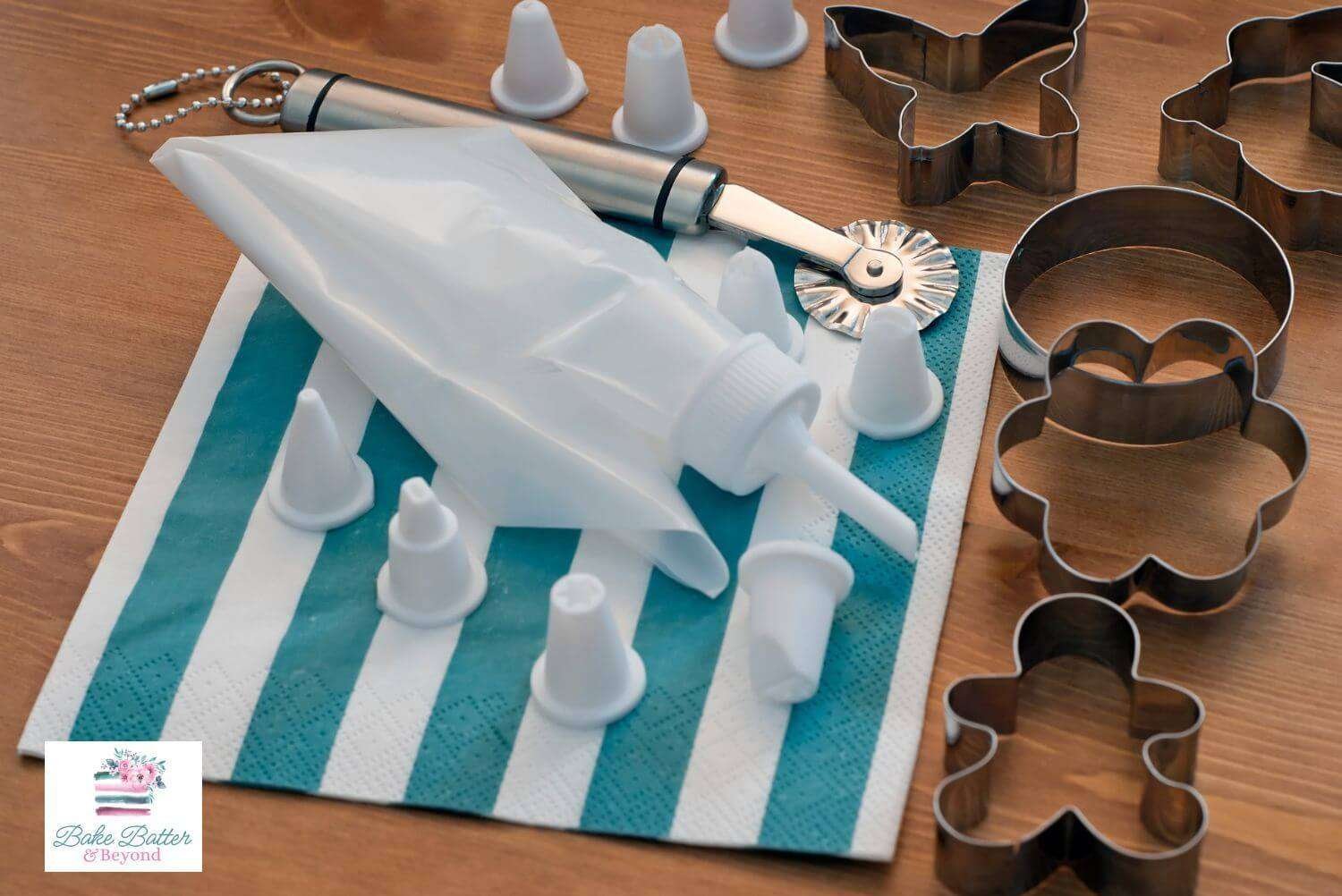
Essential Accessories: Couplers, Tips, and Ties
Types Of Piping Tips And Their Uses
When it comes to piping bags for cake decorating, the magic truly happens at the tip.
Round tips create smooth lines and dots, perfect for writing and border work.
Star tips produce textured lines, rosettes, and shells, ideal for borders and floral designs.
Leaf tips, as the name suggests, are essential for creating realistic foliage and leaves.
Petal tips are indispensable for crafting delicate flowers.
Basketweave tips allow decorators to add intricate textures to their cakes.
Understanding the various types of tips and their uses can significantly expand your cake decorating repertoire, allowing you to make the most of your piping bags for cake decorating.
How Couplers Make Tip-Switching A Breeze
Couplers are unsung heroes in the world of piping bags for cake decorating. These two-piece plastic devices allow you to change tips without changing the entire bag. Simply screw the coupler base onto the bag, attach your chosen tip, and secure it with the ring. When you need to switch tips, just unscrew the ring, replace the tip, and re-secure. This system is particularly useful when working with multiple designs using the same frosting colour, saving time and reducing waste. Couplers also provide additional stability to your piping bags for cake decorating, ensuring a secure fit for your tips.
Importance Of Bag Ties And Clips
While often overlooked, bag ties and clips play a crucial role in successful cake decorating. These small accessories help maintain control over your piping bags for cake decorating by keeping the open end tightly closed. This prevents frosting from escaping out the back of the bag and ensures consistent pressure as you pipe. Reusable silicone ties are a popular choice due to their durability and ease of cleaning. Some decorators prefer metal or plastic clips for their quick-release functionality. Whichever type you choose, using ties or clips will make your cake decorating experience neater and more efficient.
Storage Solutions For Piping Bags And Accessories
Proper storage is essential for maintaining the lifespan of cake decorating piping bags. Reusable bags should be thoroughly cleaned and dried before storage to prevent mould and bacteria. Use a pegboard or drawer organizer for easy access to piping tips, and store couplers and bag ties in small containers or ziplock bags to avoid loss. Disposable bags can be kept clean in a dispenser box or wall-mounted holder. A dedicated storage system for cake decorating tools helps organize your workspace and protects your equipment, ensuring your piping bags are always ready for use.
Mastering Piping Techniques: From Rosettes to Writing
Basic Piping Techniques For Beginners
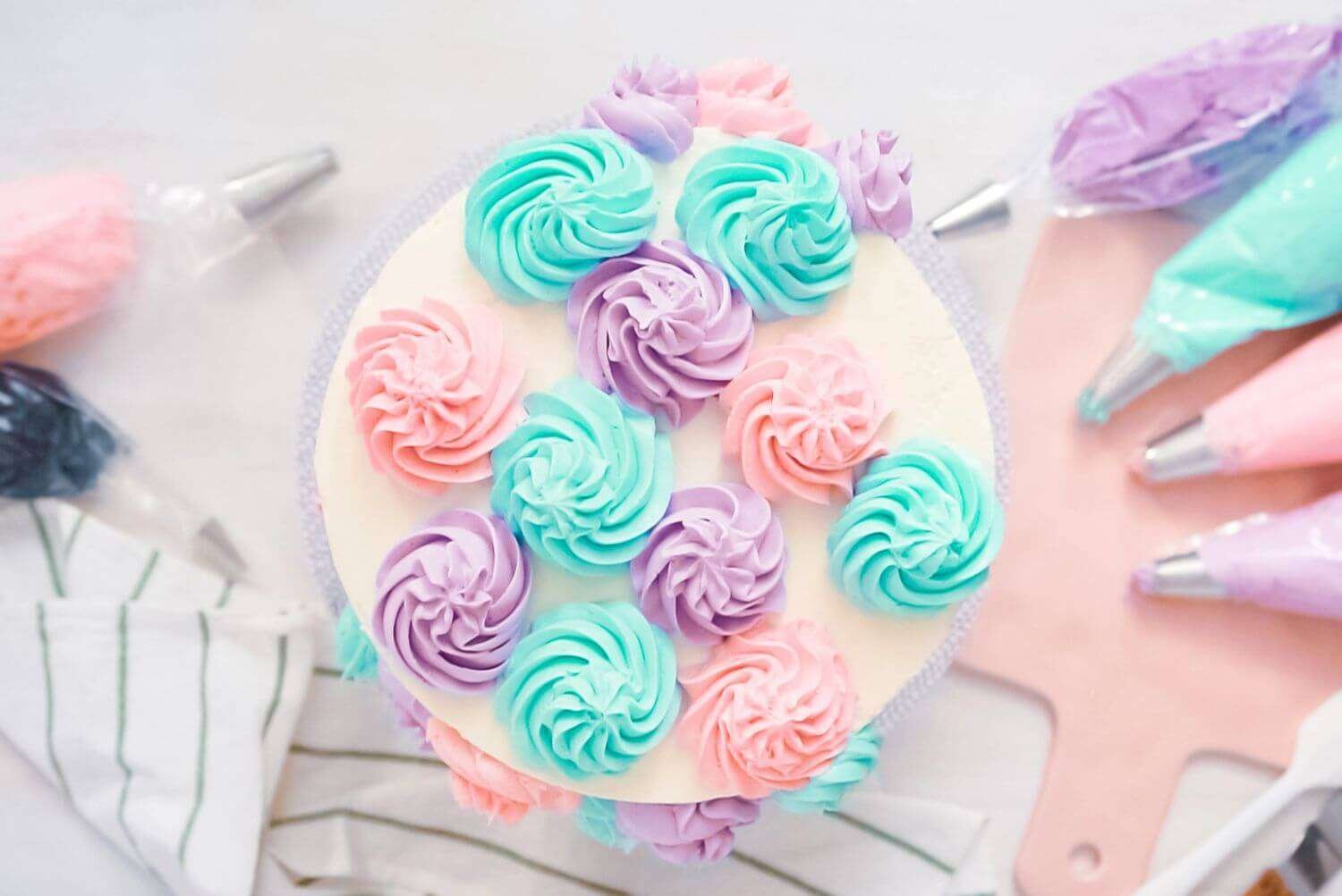
For those new to using piping bags for cake decorating, mastering a few fundamental techniques can make a world of difference. Start with the simple straight line – hold your bag at a 45-degree angle and apply steady pressure while moving across the surface. Practise creating dots by holding the bag perpendicular to the cake, squeezing gently, and lifting straight up. Rosettes, a popular decoration, are achieved by starting in the centre and swirling outward in a circular motion. These basic techniques form the foundation for more complex designs. As you practise with your piping bags for cake decorating, focus on maintaining consistent pressure and smooth movements to achieve clean, professional-looking results.
Advanced Decorating Methods Using Different Tips
As your skills with piping bags for cake decorating improve, you can explore more advanced techniques. Ruffles, created using petal tips, add elegant dimension to cake sides. Try the basketweave technique with a specialty tip to create a woven texture. For lifelike flowers, combine petal and leaf tips, building layers to create depth. The crown border, made with a star tip, adds a regal touch to cake edges. Experiment with writing in various fonts using round tips of different sizes. Remember, each tip can produce multiple effects depending on the angle and pressure applied. Mastering these advanced methods will elevate your cake designs and showcase the versatility of piping bags for cake decorating.
How To Achieve Consistent Pressure And Flow
Consistent pressure is essential for cake decorating with piping bags. Fill the bag no more than two-thirds full for better control, using your dominant hand to squeeze and the other to guide. Squeeze from the top of the frosting to maintain steady pressure. Adjust frosting consistency by warming it if too stiff or chilling it if too runny. Practice on a flat surface before decorating your cake to develop muscle memory, ensuring smooth and even results.
Troubleshooting Common Piping Problems
Experienced decorators may face challenges with piping bags while decorating cakes. Stiff icing can cause broken or ragged lines, so adding a bit of liquid can help, while soft icing can result in loss of shape, which may be fixed by chilling it briefly. Prevent air bubbles by filling the bag properly and releasing trapped air. If a tip clogs, clean it out, and ensure the correct size piping bag couplers are used to avoid slippage. Addressing these issues leads to smoother piping and more professional-looking cakes.
Cleaning and Maintaining Your Piping Bags
Step-By-Step Guide To Cleaning Reusable Piping Bags
To maintain hygiene and prolong the life of reusable piping bags for cake decorating, remove leftover frosting, then rinse the bag inside out under warm water. Fill it with warm, soapy water and use a bottle brush to scrub the interior, especially the tip. Rinse until the water runs clear, and for stubborn stains, apply a baking soda paste, let it sit, then scrub and rinse. Finally, hang the bags to air dry completely before storing them.
Proper Storage To Extend The Life Of Your Piping Bags
Proper storage of piping bags for cake decorating can enhance their longevity. After cleaning and sanitizing, keep them in a cool, dry place away from sunlight. Roll fabric or nylon bags loosely to avoid creases, while silicone bags can be hung or stored flat. Use a dedicated container for organization, and store bags separately to avoid flavor transfer. In humid conditions, include a silica gel packet to reduce moisture. This careful storage ensures your bags remain in excellent condition for future use.
When To Replace Your Piping Bags
Quality piping bags for cake decorating can wear out over time, necessitating replacement when signs of damage like thin spots, holes, or frayed seams appear. Other indicators include off-odors, discoloration, loss of flexibility in fabric bags, stickiness or loss of shape in silicone bags, and difficulty achieving clean lines or consistent pressure. Using well-maintained piping bags is essential for food safety and the quality of cake designs.
Wow, who knew there was so much to learn about piping bags for cake decorating? From choosing the right type and size to mastering various techniques, we’ve covered it all. Remember, the perfect piping bag can be the difference between a good cake and a great one. So, don’t be afraid to experiment with different options until you find your perfect match. Ready to take your cake decorating to new heights? Grab your piping bag, and let’s create some edible art! And hey, if you’ve got any amazing cake decorating stories or tips, drop them in the comments below. Happy piping, fellow bakers!

About the Author
Kaylene Grieve, a passionate baker and culinary educator, carries on a rich family legacy in the world of pastries and confections that began with her grandfather’s successful bakery. With over two decades of experience in business and marketing, Kaylene combines her baking heritage with digital expertise as the founder of Bake Batter & Beyond. This comprehensive baking resource reflects her mission to make the joy and science of baking accessible to all.
Dedicated to empowering both novice and experienced bakers, Kaylene’s website offers practical knowledge and tools including measurement converters, substitution guides, troubleshooting tips, and baking rescue techniques. Her special focus on the intricate world of cake making, coupled with her unique blend of family tradition and modern savvy, has established Kaylene as a trusted voice in the baking community.

0 Comments