
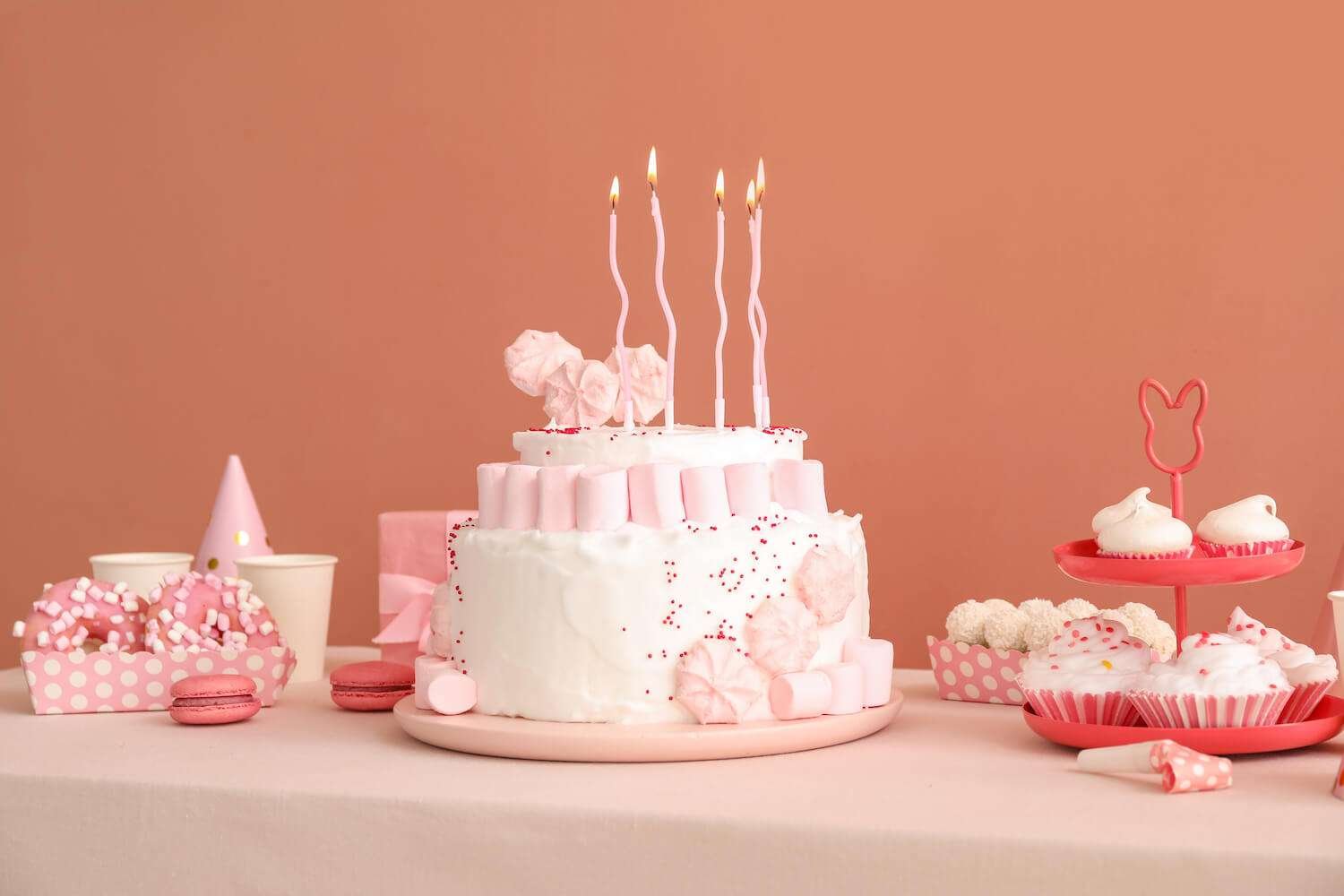
Cake decorating is more than just adding frosting to a baked dessert—it’s a creative journey that transforms simple ingredients into edible works of art. Whether you’re aspiring to become a professional baker or simply want to create stunning homemade celebrations, master the art of cake decorating to unlock a world of creative possibilities. In this comprehensive guide, we’ll walk you through everything you need to know to embark on your cake decorating journey.
Essential Tools for Success
Before diving into techniques, it’s essential to establish your decorating toolkit. Having the right tools at your disposal can significantly enhance your ability to master the art of cake decorating. Here are the must-have tools:
Turntable: A smooth-rotating platform that allows you to easily access all sides of your cake, ensuring an even frosting application. This is crucial for achieving professional results.
Offset Spatulas: Invest in both large and small spatulas to help with smooth frosting application and to create sharp edges. Their flexible blades are perfect for spreading frosting and for lifting delicate decorations.
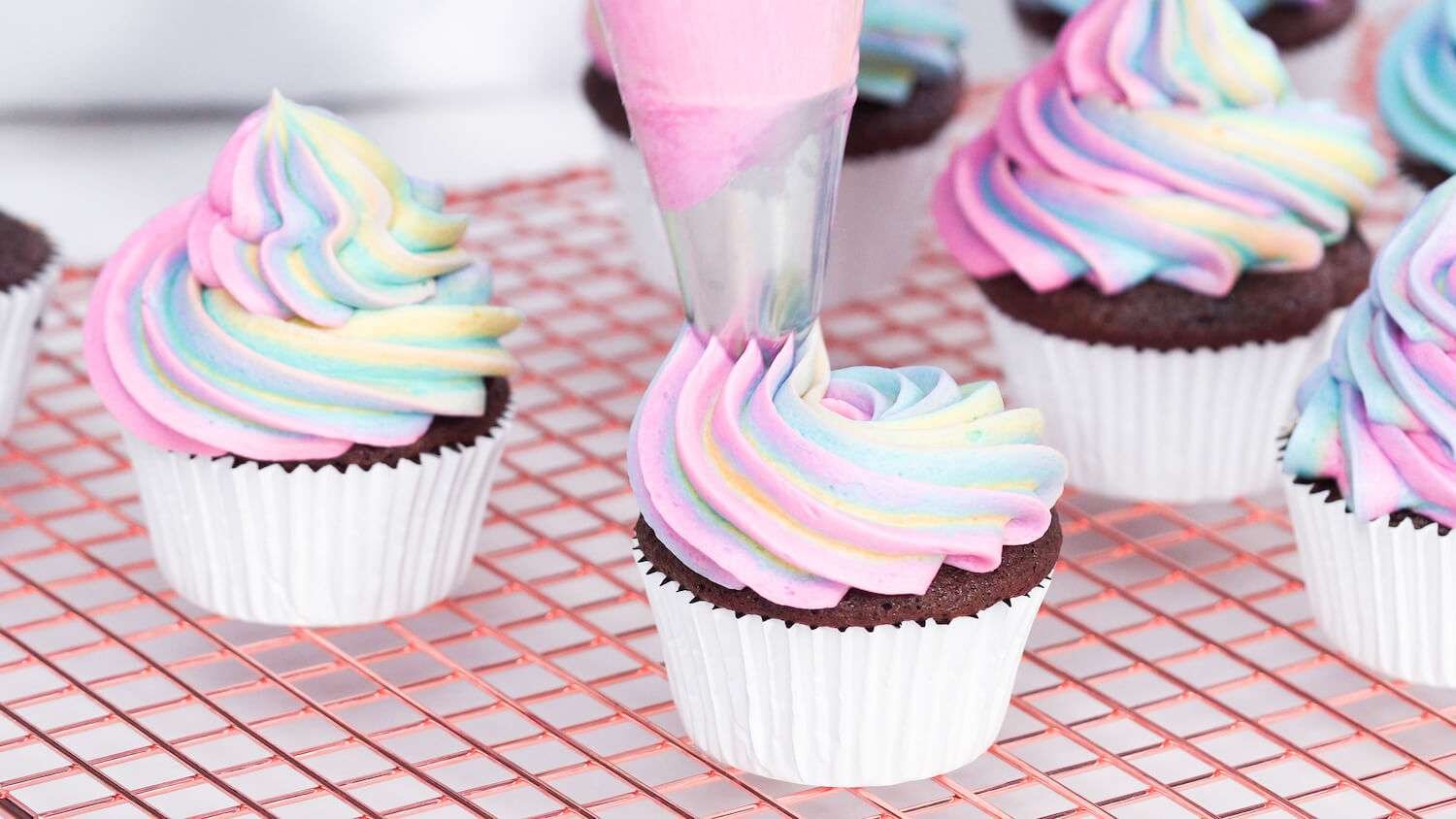
Piping Bags and Tips: Various sizes of piping bags and tips are necessary for different decorating techniques. Using the right tip can transform your cake with beautiful designs, helping you master the art of cake decorating.
Bench Scraper: This tool is essential for achieving smooth sides on your cakes. It helps create clean edges and gives your cake a polished look.
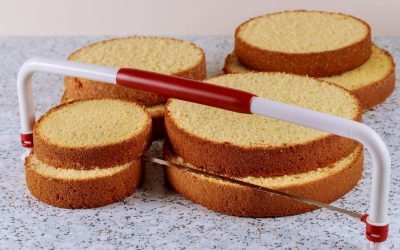
Level: Ensuring your cake layers are even is critical for stability and presentation. A level will help you adjust layers for a perfectly balanced cake.
Cake Boards: These provide stability and a professional presentation for your cakes. They also make it easier to transport your creations.
Measuring Tools: Consistency is key in baking and decorating. Accurate measuring tools help you replicate successful recipes and techniques as you work to master the art of cake decorating.
Fundamental Techniques
1. Crumb Coating
The secret to professional-looking cakes begins with a proper crumb coat. This thin layer of frosting seals in any loose crumbs and creates a smooth canvas for your final decoration. Here’s how to get it right:
- Allow your cake to cool completely: It’s crucial to ensure your cake is entirely cooled before applying the crumb coat. This prevents the frosting from melting and promotes better adhesion, which is essential for a clean finish.
- Apply a thin layer of frosting: Use an offset spatula to spread a light, even layer of frosting all over the cake. The goal is to create a seal that keeps the crumbs in place while forming a foundation for the final coat.
- Chill for 15-20 minutes before final coating: Chilling the crumb-coated cake helps set the frosting, making it easier to achieve a smooth finish with your final layer of frosting. This step is vital in your journey to master the art of cake decorating because a well-set crumb coat contributes to the overall appearance of your cake.
2. Achieving Smooth Buttercream
Creating that flawless finish on your cake requires both practice and patience. Follow these detailed steps to ensure your buttercream is perfect:
- Work with room-temperature buttercream: Room temperature buttercream spreads more easily and helps achieve a smooth finish. If your buttercream is too cold, it can be difficult to work with, while overly soft buttercream may not hold its shape.
- Use a bench scraper held at a 90-degree angle: This technique is essential for smoothing out the sides of your cake effectively. By maintaining the scraper at a consistent angle, you can create clean edges that look professional.
- Rotate the turntable slowly and consistently: Keeping a steady motion while rotating the cake ensures an even application of frosting. This allows for a uniform layer, which is key to achieving that perfect look.
- Clean your tools between passes: Wiping down your spatula and scraper prevents crumbs from mixing into the frosting. This helps maintain a pristine finish, enabling you to master the art of cake decorating without the distraction of unsightly crumbs.
3. Basic Piping Skills
Mastering these essential piping techniques will enhance your cake designs and give you the confidence to take on more complex decorations:
- Rosettes: Start in the center of your cake and spiral outward, gradually increasing the size. This technique is not only beautiful but also a great way to practice your control over pressure and flow.
- Shell borders: Use even pressure and a consistent motion to create beautiful shell designs along the edges of your cake. Practicing this technique can add a touch of elegance and sophistication to your designs.
- Dots: Focus on creating uniform size and spacing for a polished look. Dots can be used in various designs, so mastering this skill is essential.
- Writing: Concentrate on controlling your flow and pressure to write messages elegantly. This skill is crucial for anyone looking to master the art of cake decorating, as personalized messages add a special touch to any cake.
By incorporating these techniques into your cake decorating practice, you’ll be well on your way to achieving beautiful results and truly master the art of cake decorating!
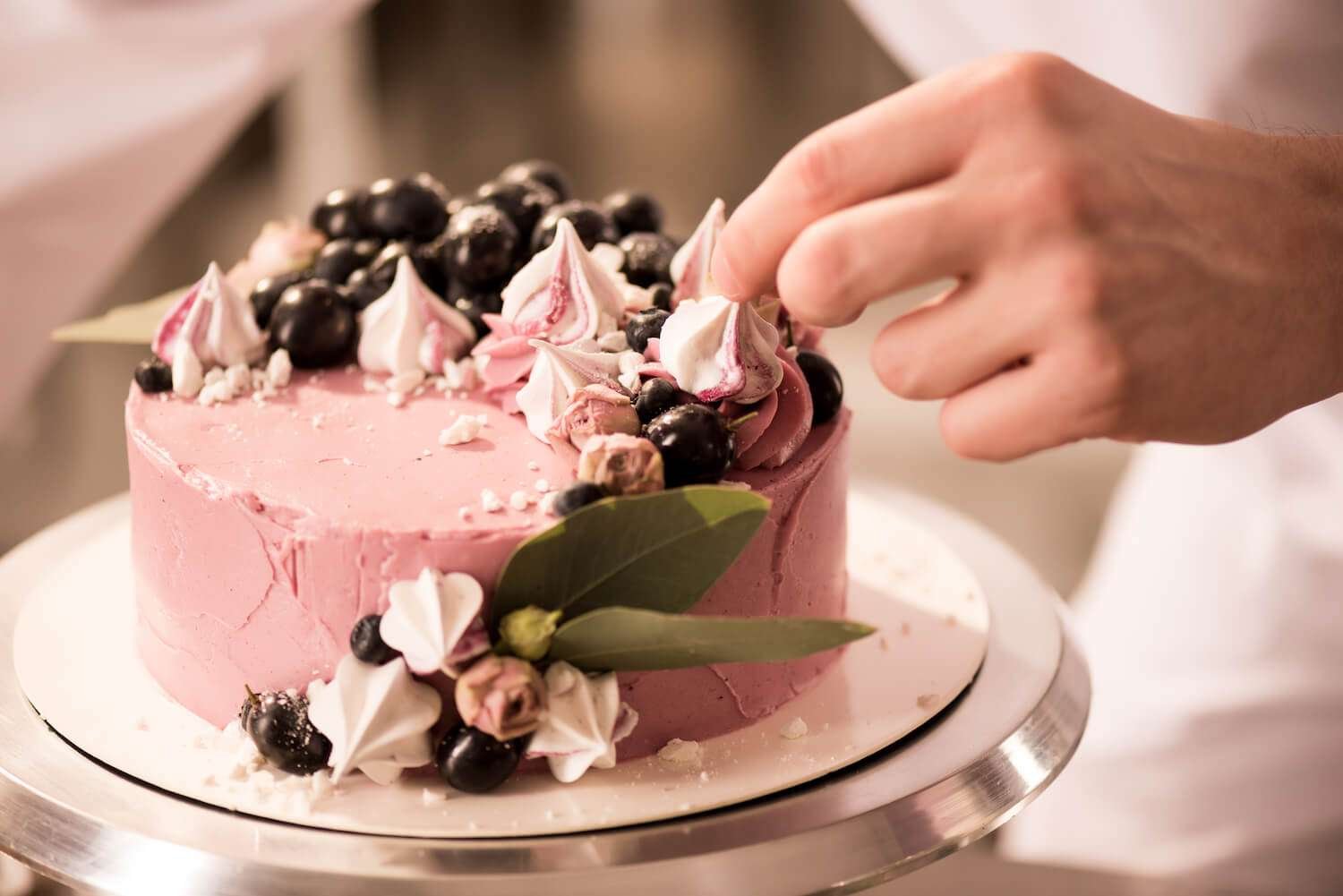
Advanced Decorating Methods
Creating Textures
Once you’ve mastered smooth surfaces, it’s time to experiment with textures. Textured finishes can add depth and interest to your cakes:
- Rustic spatula effects: Use a spatula to create a textured finish, giving your cake a homemade feel.
- Petal textures: Create a delicate petal effect by applying frosting in overlapping layers.
- Basket weave patterns: This technique adds a charming touch to your cakes and can be achieved using a simple piping tip.
- Ruffled effects: Use a petal tip to create beautiful ruffles, adding an elegant touch to your decorations.
Working with Different Mediums
Fondant
Roll to Consistent Thickness: When rolling out fondant, aim for an even thickness of about 1/8 inch. This uniformity not only prevents tearing but also ensures a smooth and polished finish on your cake. Using a rolling pin with guides or a pasta machine can help achieve this consistency, making it easier to work with fondant and enhancing your overall cake design.
Avoid Tears and Elephant Skin: Handling fondant gently is crucial to maintaining its integrity. Knead it until it’s pliable, and be careful when lifting it onto the cake to prevent stretching, which can lead to tears. “Elephant skin,” a term used to describe the wrinkled appearance that can occur if fondant is overworked, can be avoided by ensuring your fondant is not too dry and by using a light touch during application.
Master Smooth Application: Achieving a seamless appearance with fondant requires practice and technique. Start by placing the rolled fondant over the cake and gently smoothing it out with your hands. Follow up with a smoother tool to eliminate any air bubbles and create a flawless finish. Taking your time during this step is essential, as it sets the stage for a beautifully decorated cake.
Create Basic Shapes and Flowers: Modeling fondant into shapes and flowers allows for unique and personalized decorations. Begin with simple shapes like stars or hearts and gradually progress to more complex flowers like roses or daisies. By learning these techniques, you can enhance your cakes with delightful details that reflect your creativity and style.
Royal Icing
Understand Consistency Levels: Royal icing is versatile and can be used for various techniques, so mastering its consistency is vital. For flooding, aim for a thinner consistency that can spread easily, while a thicker consistency is ideal for detailing and piping. Understanding how to achieve these different consistencies will expand your capabilities in cake decorating.
Practice Flooding Techniques: Flooding involves filling in areas with a smoother, more fluid royal icing. This technique is essential for creating smooth, even surfaces on cookies or cakes. To master this skill, use a piping bag fitted with a small round tip and practice creating borders to contain the flooding icing, ensuring you achieve a neat and professional look.
Create Delicate Details: Royal icing is perfect for adding fine details that will hold their shape, such as lace, piping, or intricate designs. Start with basic shapes and work your way up to more detailed decorations. With practice, you’ll learn how to manipulate the icing to create stunning designs that elevate your cakes.
Master Line Work: Perfecting your line work with royal icing can significantly enhance your cake designs. Use a small piping tip and steady hand to create clean, precise lines. This skill not only showcases your attention to detail but also contributes to your overall ability to master the art of cake decorating. Experiment with different line styles to see how they can transform your cake’s appearance.
Understanding the Basics of Cake Decorating
Before diving into advanced skills, it’s essential to establish a strong foundation in cake decorating. To master the art of cake decorating, one key aspect is achieving a smooth frosting base. A smooth base provides the ideal canvas for decorations and enhances the cake’s overall appearance. Start with a crumb coat, a thin layer of frosting that locks in crumbs, and let it set before applying the final frosting layer. This simple step helps create a polished surface for your designs and decorations.
Another critical aspect to master the art of cake decorating is choosing quality tools. Investing in high-quality piping bags, a variety of decorating tips, and offset spatulas can make a significant difference in the precision and ease of your decorating process. Using the right tools ensures that you can achieve the desired effects and designs, ultimately elevating your cake creations to a professional level.These tools allow you to experiment with diverse textures and patterns, which is essential as you advance in decorating. As you practice, you’ll develop confidence and precision, ultimately helping you master the art of cake decorating.
Incorporating colour theory can also elevate your cakes significantly. Colours set the mood for your cake design and can convey a specific theme or emotion. For example, complementary colours like blue and orange add a vibrant contrast. Experimenting with different colour combinations is another step toward helping you master the art of cake decorating and creating cakes that truly stand out.
Lastly, practice piping techniques such as rosettes, shells, and leaves to add dimension to your cakes. The consistency of your frosting plays a big role; thick frostings are ideal for detailed designs, while softer frostings create smoother lines. With practice, you’ll see yourself progressing as you master the art of cake decorating.
Advanced Techniques for Cake Decorating
Once you’ve mastered the basics, it’s time to move on to advanced techniques, which will help you further master the art of cake decorating. Piping skills are invaluable for intricate designs. With time, you’ll gain more control over the piping bag, which will allow you to create complex patterns like lace, florals, and script.
For special occasion cakes, fondant is a popular medium that offers endless possibilities. Fondant provides a smooth, flawless finish and can be molded into intricate shapes. Roll it out to an even thickness, then carefully drape it over the cake, smoothing it to avoid air bubbles. With practice, fondant work becomes a wonderful way to master the art of cake decorating.
Edible painting is another advanced technique that adds artistic flair. Using edible paints and brushes, or an airbrush kit, you can create designs that mimic watercolour or detailed illustrations. When you master the art of cake decorating with edible paints, your cakes will reach new levels of sophistication.
For those who enjoy a challenge, sculpted cakes are a unique way to master the art of cake decorating. This technique involves carving a firm, chilled cake into a three-dimensional shape, such as a character or object. Precision and patience are key as you bring your sculpted creation to life with fondant or buttercream details.
As you continue to explore and practice these techniques, you’ll become increasingly confident in your decorating abilities. From mastering piping to working with fondant and edible paints, each skill you develop will help you master the art of cake decorating and create truly impressive cakes for any occasion.
Tips for Perfect Cake Decoration Every Time
To truly master the art of cake decorating, you must start with consistency, especially regarding your frosting’s texture. Ensure your frosting is the right consistency for the design you want to achieve. If it’s too stiff, piping intricate details can become challenging. Conversely, if it’s too soft, it may struggle to hold its shape. Experiment with different frosting recipes to find the perfect balance, as to master the art of cake decorating successfully requires careful adjustments and a good dose of patience.
As with any skill, overcoming challenges is a vital part of the learning process. Don’t be discouraged if your first attempts don’t turn out as expected. Instead, embrace each experience as a learning opportunity and keep practicing. Over time, you’ll build confidence and refine your skills, ultimately allowing you to master the art of cake decorating.
Having creative ideas is crucial for your decorating journey. Whether designing a cake for a birthday party or any special event, planning ahead with concepts or reference images can help you achieve the desired look. This strategy is especially useful for custom themes or intricate designs that require extra preparation and attention.
An essential factor to master the art of cake decorating is using various piping tips. Each tip produces unique designs and effects; for instance, a star tip can create beautiful borders and rosettes, while a round tip is excellent for writing messages. Exploring different piping tips will help you discover which designs best align with your vision and preferences.
Additionally, the temperature of your cake plays a significant role in the decorating process. Always ensure your cake is completely cooled before applying frosting. A warm cake can cause the frosting to melt, which may ruin your design. To expedite cooling, consider refrigerating the cake briefly before decorating, as patience is a critical element in your quest to master the art of cake decorating.
Exploring Different Styles and Ideas of Cake Decorating
Cake decorating is a versatile art form encompassing various styles and techniques. Traditional cake decorating focuses on classic designs like piped florals, intricate scrollwork, and elegant borders, while modern styles embrace bold colors and geometric patterns. To truly master the art of cake decorating, experiment with both styles to find your unique voice as a decorator.
Photos can be invaluable when trying out different cake decorating techniques. Visual references not only showcase creative ideas but also guide you through each decorating step. Furthermore, customers sending in pictures of their desired designs allow decorators to bring the client’s vision to life more accurately, which is another aspect of mastering the art of cake decorating.
Themed cake decorations add a personal touch to special occasions. For example, for a beach-themed party, consider incorporating seashells, wave textures, or a sandy look to reflect the event’s theme. Adapting your decorations to fit the occasion is crucial in mastering the art of cake decorating, as it provides versatile techniques that cater to various themes.
Another enchanting trend to master the art of cake decorating is using edible flowers like roses, lavender, or pansies. These organic decorations add beauty and subtle floral notes, enhancing the cake’s overall aesthetic. Ensure the flowers are organic and pesticide-free before placing them on your cake for the best results.
Sculpted cakes are another captivating style in mastering the art of cake decorating. These cakes transform into 3D designs resembling objects, animals, or characters. Sculpted cakes require advanced carving and precision, making them one of the more intricate techniques. From realistic handbags to whimsical animal shapes, sculpting opens up a world of imaginative possibilities in cake decorating.
Keeping Up with Cake Decorating Trends and Ideas
Cake decorating trends are continually evolving, and staying updated can inspire fresh ideas for your creations. Seasonal elements are an excellent way to keep your cakes relevant; whether it’s autumnal colors and pumpkins for fall or delicate pastels for spring, incorporating these details adds a fresh look to each creation. This adaptability is an important skill when you aim to master the art of cake decorating.
The naked cake trend continues to gain popularity due to its minimalist appeal. These cakes feature minimal frosting, allowing the natural layers to shine through beautifully. Naked cakes are often adorned with flowers, fruits, or edible details to highlight their rustic charm, demonstrating that to master the art of cake decorating means embracing both simple and complex designs.
Another innovative trend is the geode cake. Inspired by crystals and gemstones, geode cakes utilize isomalt sugar and edible metallic accents to create a mesmerizing effect. Crafting these dazzling cakes allows decorators to explore advanced sugar work techniques, which is an exciting aspect of how to master the art of cake decorating.
Hand-painted cakes are becoming increasingly popular, giving decorators the opportunity to add intricate, customized designs. By using food-safe paints and brushes, decorators can create personalized touches that traditional piping techniques often can’t achieve. Hand-painted cakes showcase artistic skills and attention to detail—both vital elements in your journey to master the art of cake decorating.
By keeping up with these trends and techniques, you can continuously enhance your skills and truly master the art of cake decorating!
In Conclusion
Mastering the art of cake decorating takes practice, patience, and a creative spirit. Understanding the basics, exploring advanced techniques, and staying updated with trends will help you grow as a decorator. With these expert tips, you can elevate your cake decorations and create stunning cakes for any occasion. So, grab your frosting, piping bags, and fondant, and immerse yourself in the joy of mastering the art of cake decorating!

About the Author
Kaylene Grieve, a passionate baker and culinary educator, carries on a rich family legacy in the world of pastries and confections that began with her grandfather’s successful bakery. With over two decades of experience in business and marketing, Kaylene combines her baking heritage with digital expertise as the founder of Bake Batter & Beyond. This comprehensive baking resource reflects her mission to make the joy and science of baking accessible to all.
Dedicated to empowering both novice and experienced bakers, Kaylene’s website offers practical knowledge and tools including measurement converters, substitution guides, troubleshooting tips, and baking rescue techniques. Her special focus on the intricate world of cake making, coupled with her unique blend of family tradition and modern savvy, has established Kaylene as a trusted voice in the baking community.
0 Comments