
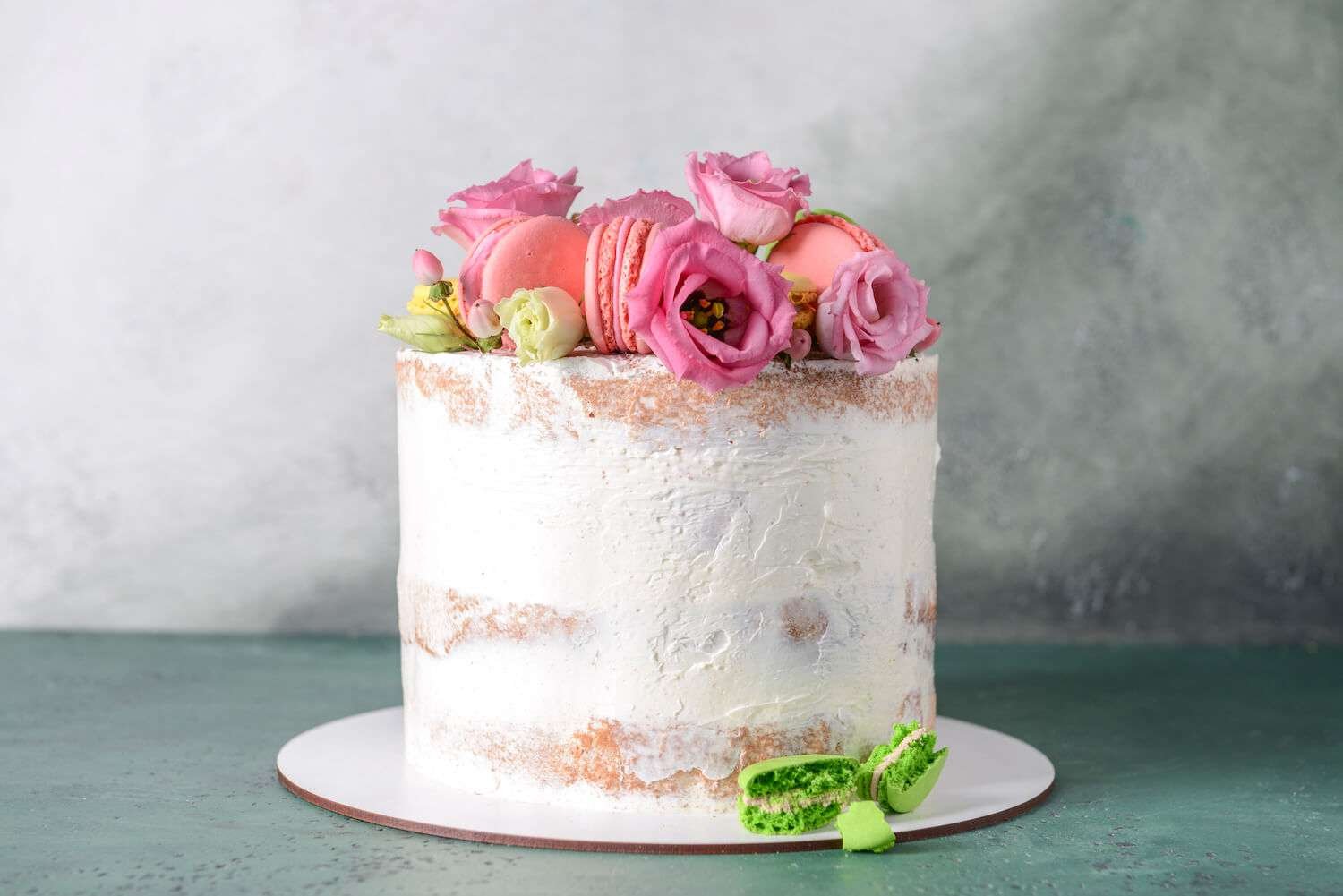
Cake decorating is a remarkable skill that allows you to transform a simple cake into a stunning work of art. And what better way to elevate your cake designs than by incorporating beautiful flowers? With their vibrant colours and delicate petals, flowers add a touch of elegance and sophistication to any cake. In this article, we will explore the world of cake decorating with flowers, from understanding the basics to mastering the techniques and principles of floral design. So, let’s dive in and uncover the secrets to creating breathtaking cakes that will leave everyone in awe.
Understanding the Basics of Cake Decorating
In order to create stunning flower decorations, it is essential to first grasp the fundamentals of cake decorating. One crucial aspect is the importance of having a smooth icing base. A perfectly smooth icing surface ensures that your flowers will stand out and not be overshadowed by any imperfections. It provides a clean canvas on which you can showcase your floral creations. Additionally, having the right tools for cake decorating with flowers is crucial. From piping bags and tips to fondant cutters and flower formers, each tool plays a vital role in bringing your floral visions to life.
Another key element in mastering cake decorating with flowers is understanding colour theory. Different colour combinations can evoke various emotions and set the tone for your cake design. For example, using pastel shades like soft pinks and blues can create a delicate and romantic feel, perfect for wedding cakes. On the other hand, bold and vibrant colours like red and purple can add a sense of drama and excitement to birthday or celebration cakes. By experimenting with colour palettes, you can elevate your cake decorating skills and create visually captivating floral arrangements.
Furthermore, paying attention to detail is paramount in cake decorating with flowers. Small touches like adding edible glitter to the centre of your flowers or incorporating delicate edible pearls along the edges of your cake tiers can make a significant difference in the overall presentation. These intricate details not only enhance the aesthetic appeal of your creations but also showcase your dedication to the craft. Remember, it’s the little details that can transform a good cake into a show-stopping masterpiece.
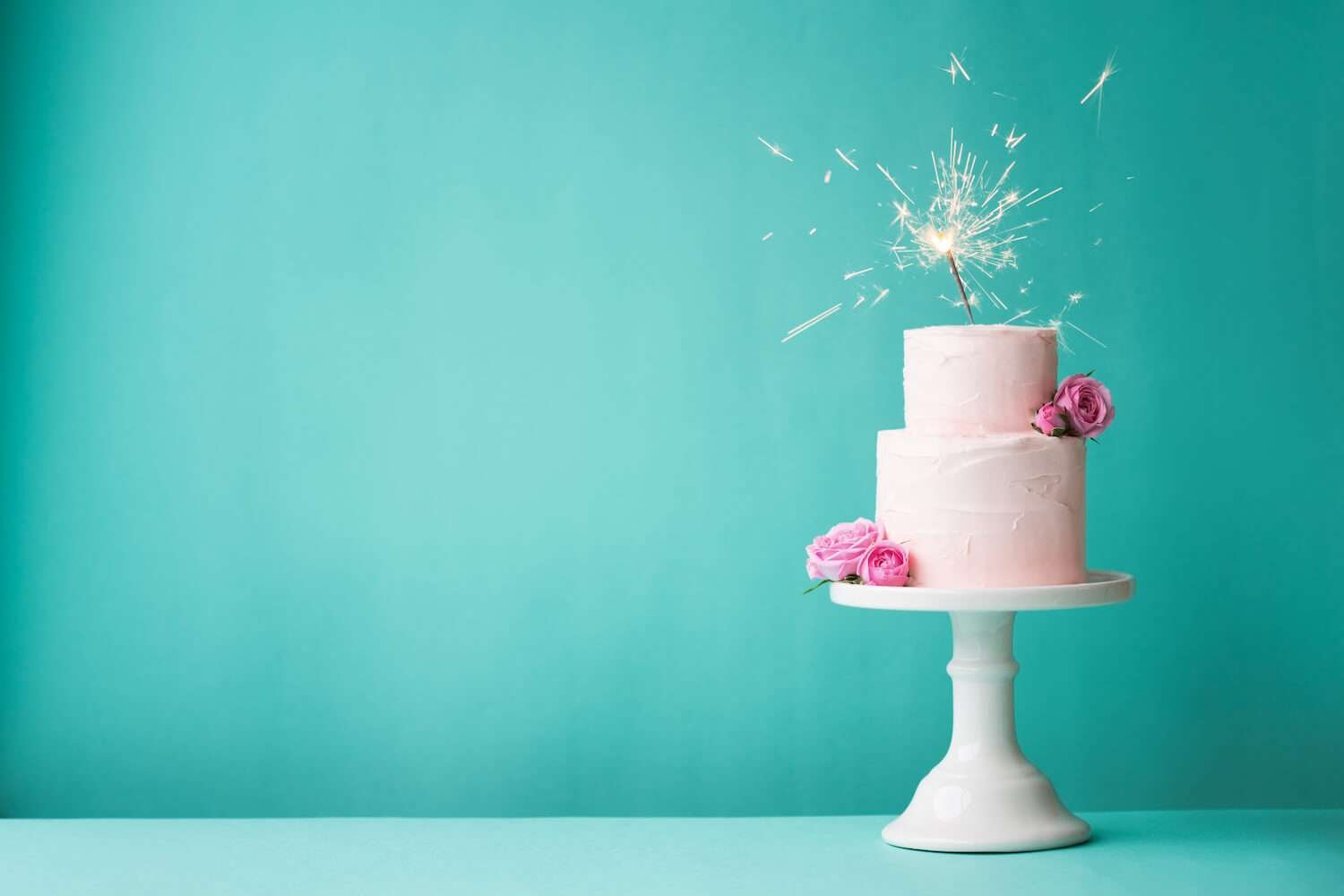
Introduction to Flower Decorations
Flower decorations are the heart and soul of cake decorating with flowers. There are two main types of flowers used in this art – edible flowers and non-edible flower decorations. Edible flowers offer not only a visually appealing element but also an intriguing burst of flavour. However, it is important to familiarize yourself with the different types of edible flowers and their characteristics before incorporating them into your designs. On the other hand, non-edible flower decorations provide lasting beauty and can be crafted from various materials such as sugar, gum paste, or silk. However, it is crucial to weigh the pros and cons of non-edible flowers to ensure they meet your specific requirements.
When it comes to edible flowers, some popular choices include roses, violets, pansies, and lavender. These flowers not only add a pop of colour to your cakes but also introduce unique flavours that can elevate the overall taste experience. For example, rose petals can bring a subtle floral sweetness, while violets offer a delicate, perfumed essence. It’s essential to source edible flowers from reputable suppliers to guarantee they are safe for consumption and have not been treated with harmful chemicals.
On the other hand, non-edible flower decorations open up a world of possibilities in terms of design and creativity. Sugar flowers, meticulously crafted petal by petal, can rival the beauty of real blooms and provide a stunning, long-lasting embellishment for your cakes. Gum paste flowers offer a similar level of detail and can be shaped and coloured to match any colour scheme or theme. Silk flowers, although not edible, are perfect for decorations that need to withstand longer periods without wilting, making them ideal for display cakes or keepsakes.
Are you ready to transform your cakes into blooming works of art? Cake decorating with flowers is one of the most sought-after skills in the baking world, whether you’re a home baker or an aspiring professional. In this comprehensive guide, we’ll explore everything you need to know about creating stunning floral designs on your cakes.
Essential Tools for Cake Decorating with Flowers
Before diving into techniques, let’s ensure you have the right tools:
- Piping bags and various tips (petal, leaf, round): Essential for precise designs, piping bags and a variety of tips like petal, leaf, and round allow for intricate details when cake decorating with flowers.
- Flower nails and scissors: Flower nails are perfect for creating beautiful blossoms, while sharp scissors help shape and trim petals for a polished finish.
- Palette knives and smoothers: Palette knives and smoothers are crucial for achieving a flawless finish on your cakes, ensuring that your floral decorations sit seamlessly on the surface.
- Food coloring gels: Food coloring gels provide vibrant hues that can bring your floral designs to life, adding depth and visual interest to your cake decorations.
- Petal dust and brushes: Petal dust and brushes allow you to add delicate shimmer and realistic shading to your sugar flowers, enhancing their overall appearance.
- Modelling tools for fondant: Modelling tools for fondant help create intricate textures and shapes, making them indispensable for crafting detailed floral decorations.
- Wire and tape (for sugar flowers): Using wire and tape is essential for constructing sugar flowers that hold their shape and can be easily arranged on your cakes.
- Non-stick rolling pin: A non-stick rolling pin is essential for easily rolling out fondant or gum paste without it sticking, making it easier to create beautiful flower decorations.
- Flower formers/drying foam: Flower formers and drying foam are vital for shaping and setting your sugar flowers to achieve the perfect lifelike look before placing them on your cakes.
Types of Flowers in Cake Decoration
1. Buttercream Flowers
Perfect for beginners starting their journey in cake decorating with flowers, buttercream blooms offer a soft, realistic appearance:
- Roses
- Tulips
- Daisies
- Chrysanthemums
- Simple wildflowers
2. Fondant/Gum Paste Flowers
Ideal for creating lifelike flowers that can be made in advance:
- Peonies
- Orchids
- Roses
- Lilies
- Delicate filler flowers
3. Fresh Flowers
When using fresh flowers for cake decorating:
- Always ensure they’re food-safe and pesticide-free
- Use flower picks or food-safe barriers
- Choose seasonal blooms for the best results
- Consider edible flowers like pansies or violets
Techniques for Creating Flower Decorations
Basic Buttercream Flower Tutorial
Preparation
Before starting your cake decorating with flowers, make sure your buttercream is coloured to your desired shades. You’ll want to prepare piping bags with appropriate tips for petal shapes, such as a petal tip for roses or a leaf tip for greenery. Be sure your flower nail is ready to use, as it will allow you to rotate your work smoothly while piping. Proper preparation is essential for achieving flawless buttercream flowers.
Creating the Base
To begin your cake decorating with flowers, apply a small dot of buttercream to your flower nail to hold a parchment square in place. This will act as the foundation for your buttercream flower. The parchment allows for easy transfer of your flowers once they’re piped.
Building the Flower
Start piping from the centre of your flower, using consistent pressure to form a tight, structured middle. Continue working outward, building each layer of petals with steady, even movements to create depth and dimension. Remember, cake decorating with flowers is about creating lifelike blooms, so layering your petals thoughtfully is key to a realistic look.
Advanced Sugar Flower Tips
If you’re ready to take your cake decorating with flowers to the next level by working with sugar flowers, these advanced tips will help you achieve beautiful, lifelike results.
Planning
Sugar flowers require more time and patience than buttercream, so it’s crucial to start several days in advance. Always work in a cool, dry environment to prevent your sugar paste from becoming sticky or misshapen. Prepare all tools and materials beforehand, including veining tools, edible glue, and petal dusts to add detail and colour.
Construction
When cake decorating with flowers using sugar paste, it’s best to build flowers in components—such as petals, leaves, and centres—before assembling the full bloom. Allow each part to dry properly, ensuring they hold their shape and structure. After assembly, store your sugar flowers carefully in a dry, airtight container to maintain their shape and beauty until ready to place on the cake.
Arranging Flower Decorations on Your Cake
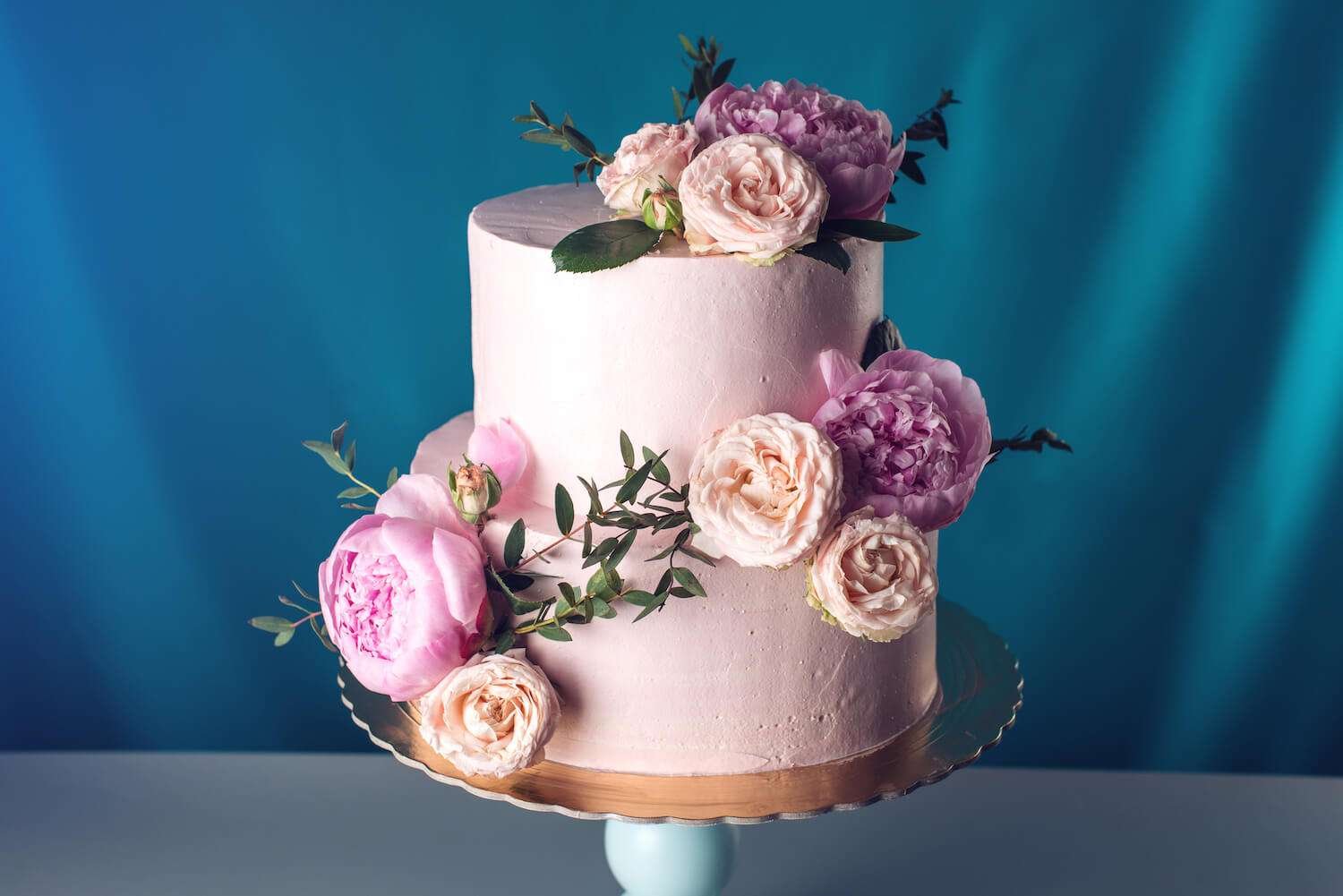
Once you’ve completed your stunning cake decorating with flowers, it’s time to carefully arrange them on your cake. Understanding the principles of floral design is key to achieving a harmonious and visually striking result. Consider factors like colour harmony, balance, and proportion when placing your flowers. While there are no strict rules in floral design, following these guidelines will help create a cohesive and visually pleasing arrangement. Here are a few tips to keep in mind while placing your flowers:
- Start with a focal point – Select a large, eye-catching flower that draws attention and anchors your cake decorating with flowers.
- Create depth – Vary the sizes and heights of your flowers to add dimension and interest.
- Match the theme – Consider the overall theme or mood of your cake when choosing the types of flowers to use for cake decorating with flowers.
- Balance the elements – Ensure a balance between the floral decorations and other cake elements, such as borders or text.
- Evaluate from all angles – Step back and view your arrangement from different perspectives to make sure it looks visually appealing from every angle.
When selecting flowers for your cake decorating with flowers, it’s important to choose blooms that are both beautiful and safe for consumption. Opt for organic, pesticide-free flowers specifically labelled as edible. Popular edible choices include roses, violets, pansies, and calendula. Not only do these flowers add beauty, but they also impart a subtle flavour that complements the cake.
Additionally, incorporating greenery can elevate your cake decorating with flowers. Small leaves or sprigs of herbs like mint or lavender can enhance the visual appeal and texture of your floral arrangement. Just ensure the greenery is thoroughly washed and dried before use to make it clean and safe for consumption. By thoughtfully combining flowers and greenery, you can create a dynamic, captivating design that transforms your cake into an edible masterpiece.
Maintaining Your Cake’s Freshness and Beauty
Once your cake is beautifully decorated with stunning flower arrangements, it’s essential to take proper steps to maintain its freshness and preserve the beauty of your cake decorating with flowers. Storing your decorated cake correctly is key to preventing any damage or wilting of the flowers. Place the cake in a cool, dry environment, away from direct sunlight or moisture, to ensure both the cake and the flowers stay fresh. If necessary, cover the cake with a food-safe cake dome or box to protect it from external elements.
When transporting cakes that feature cake decorating with flowers, extra care is required to avoid mishaps. Secure the cake in a sturdy cake box, using foam or bubble wrap to prevent movement during transportation, which can damage the delicate flower designs.
Armed with these techniques, you’re well on your way to mastering the art of cake decorating with flowers. By learning the basics, experimenting with floral arrangements, and perfecting your skills, you’ll be able to create breathtaking cake designs that captivate everyone. Gather your tools, dive into the world of floral cake decorations, and let your creativity blossom as you craft stunning cakes adorned with beautiful flowers.
Additionally, when selecting flowers for your cake decorating with flowers, choose blooms that are not only visually striking but also safe to use. Opt for organic, untreated flowers like roses, pansies, violets, or calendula. Make sure to wash the flowers thoroughly before placing them on the cake to ensure they are clean and free from dirt or chemicals.
Additionally, consider incorporating edible petals into your cake design for an extra touch of elegance and flavour. Edible petals can add a pop of colour and a subtle floral taste to your creations. Experiment with different combinations of flowers and petals to create unique and eye-catching designs that will dazzle your guests.
Need supplies for your cake decorating with flowers journey? Check out our recommended tools guide and join our community of cake decorating enthusiasts!
Remember: Every master cake decorator started as a beginner. Keep practising, stay patient, and watch your skills bloom!

About the Author
Kaylene Grieve, a passionate baker and culinary educator, carries on a rich family legacy in the world of pastries and confections that began with her grandfather’s successful bakery. With over two decades of experience in business and marketing, Kaylene combines her baking heritage with digital expertise as the founder of Bake Batter & Beyond. This comprehensive baking resource reflects her mission to make the joy and science of baking accessible to all.
Dedicated to empowering both novice and experienced bakers, Kaylene’s website offers practical knowledge and tools including measurement converters, substitution guides, troubleshooting tips, and baking rescue techniques. Her special focus on the intricate world of cake making, coupled with her unique blend of family tradition and modern savvy, has established Kaylene as a trusted voice in the baking community.
0 Comments