
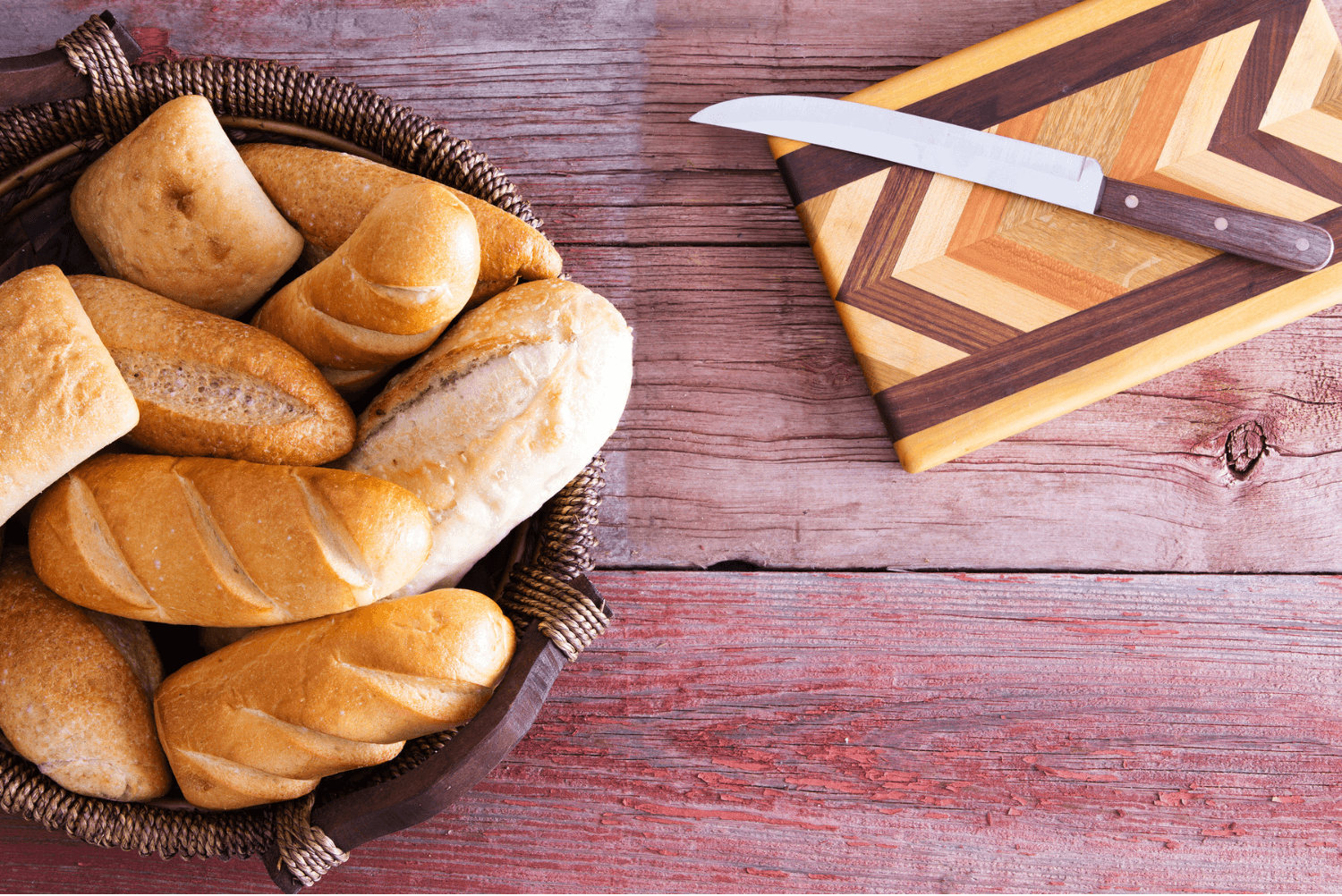
In these uncertain economic times, many people are looking for ways to save money. One common expense that can quickly add up is the cost of store-bought bread. However, have you ever considered making your own bread at home? In this article, we answer the question – Is making your own bread cheaper?
In an era of rising food costs, many people are exploring home baking as a way to save money. But is making your own bread cheaper than buying it from the store? Let’s examine the costs and factors involved to help you make an informed choice.
The True Cost of Homemade Bread: Is Making Your Own Bread Cheaper?
Basic Ingredient Considerations
- All-purpose flour (3 cups) – The main component of a standard loaf, this flour gives the dough its structure, contributing to the softness and texture of the bread.
- Active dry yeast (2.25 tsp) – Essential for leavening, which gives the bread a soft and airy quality, making each slice fluffy.
- Salt (1.5 tsp) – Adds flavour and helps control yeast activity, balancing the bread’s taste.
- Sugar (1 tbsp) – Feeds the yeast, contributing to a well-risen dough and enhancing the overall flavour.
- Water – Though necessary, water has a negligible cost in homemade bread.
These essential ingredients are affordable and readily available, making homemade bread an attractive option when wondering, “is making your own bread cheaper?”
Hidden Costs to Consider
Equipment Investment
- Bread Pan – Needed for shaping and baking the loaf. Investing in a sturdy pan can make a noticeable difference in bread quality.
- Measuring Cups and Spoons – Vital for precise measurements, which are especially important in baking.
- Mixing Bowls – Essential for dough preparation and proofing. Durable bowls are worth the investment for frequent bakers.
- Optional Stand Mixer – While optional, a stand mixer can simplify kneading for larger batches, though it involves a significant upfront cost.
Energy Costs
- Oven Operation – Baking bread requires a preheated oven, usually for about an hour, adding to the cost of each homemade loaf.
- Cleaning Tools – Minimal but worth considering; the cost and effort to clean tools and equipment contribute to the process.
Time Investment
- Preparation Time – From mixing ingredients to shaping, active preparation takes around 20-30 minutes.
- Rising/Proofing Time – Different breads may require 2-3 hours to rise, a step requiring patience but little hands-on work.
- Baking Time – Typically around 45-60 minutes, the final step completes the baking process.
Store-Bought Bread Comparison
Basic White Bread
- Budget brands are generally the least expensive but may compromise on freshness and flavour.
- Premium brands offer enhanced texture and ingredient quality.
- Artisanal breads are typically the priciest, featuring superior flavours, natural ingredients, and textures.
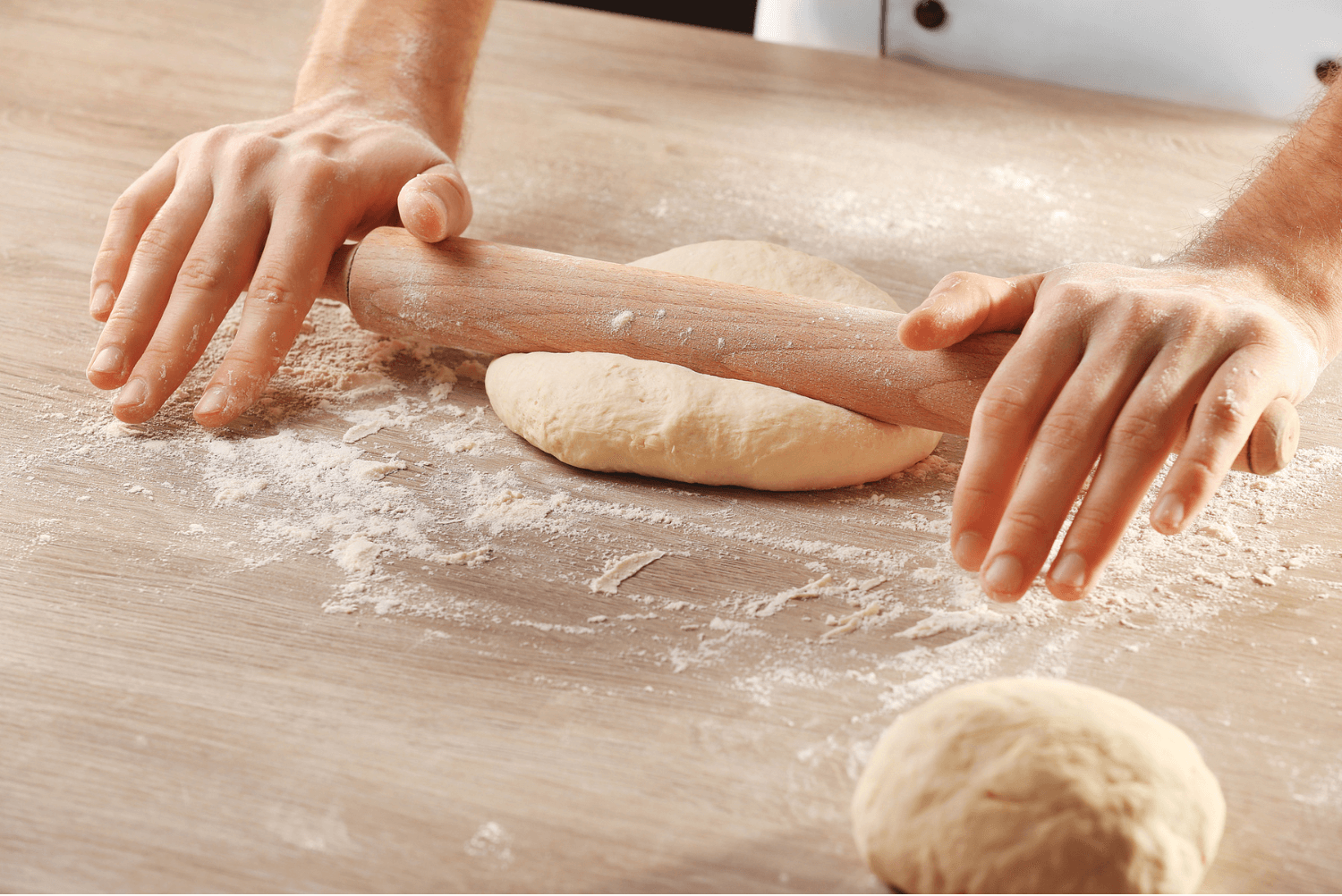
The Expense of Homemade Bread
Now, let’s turn our attention to the costs involved in making your own bread cheaper than buying it from the store. While there are some initial investments to consider, the long-term financial benefits may surprise you.
Benefits Beyond Costs
Aside from the financial aspect, there are numerous other benefits to making your own bread at home. One significant advantage is the ability to control the ingredients that go into your bread. By choosing high-quality, organic, or locally sourced ingredients, you can ensure that your bread is not only delicious but also free from unwanted additives or preservatives. So, when asking yourself, is making your own bread cheaper? remember that the quality of your ingredients can lead to healthier choices.
Initial Investment for Bread-Making Equipment
When starting your bread-making journey, you may need to invest in some basic equipment. This can include a bread machine, mixing bowls, measuring cups, and baking pans. The initial cost of these items can range from $50 to $200, depending on the quality and brand you choose. However, it’s important to note that these tools can last for years with proper care, making them a worthwhile investment in the long run. If you’re still wondering, is making your own bread cheaper? consider that this initial investment pays off with repeated use.
Furthermore, the act of bread-making itself can be a therapeutic and rewarding experience. Kneading the dough, watching it rise, and smelling the aroma of freshly baked bread can provide a sense of accomplishment and satisfaction that goes beyond the monetary value of store-bought bread.
Cost of Ingredients for Homemade Bread
The cost of ingredients for homemade bread can vary depending on your recipe and preferences. However, most homemade bread recipes call for simple and affordable ingredients such as flour, yeast, salt, and water. On average, the cost of ingredients for a loaf of homemade bread comes to around $1 to $2, which is significantly less than the price of store-bought bread.
Moreover, by making your own bread, you have the flexibility to experiment with different types of flour, seeds, nuts, or even dried fruits to create unique and personalized loaves that cater to your taste preferences. This level of customization is often not available in store-bought bread, adding a special touch to your homemade creations. So, is making your own bread cheaper? The answer is likely yes when considering both ingredient costs and the ability to tailor your bread to your liking.
Time Investment in Bread Making
Aside from the monetary cost, it’s important to consider the time investment required for making bread at home. While it may seem daunting at first, many bread recipes require minimal hands-on time. Let’s explore this further.
When delving into the world of bread making, it’s fascinating to note the historical significance of this age-old practice. The art of bread making dates back thousands of years, with each culture adding its unique touch to the craft. From the ancient Egyptians using yeast to leaven their bread to the French perfecting the art of baguette-making, bread has always held a special place in culinary traditions worldwide.
In conclusion, as you weigh the question, is making your own bread cheaper?, consider not only the financial aspects but also the quality, satisfaction, and historical richness of the process. The investment in time and ingredients can yield delicious results, making homemade bread a fulfilling and economical choice.
The Value of Your Time
While it’s true that making your own bread takes time, it’s essential to consider the value of that time. For some individuals, the act of baking bread can be a therapeutic and enjoyable experience. Others may view it as an opportunity to bond with family members or teach valuable skills to children. In these cases, the time spent making bread can be seen as a worthwhile investment in personal well-being and fulfilment.
Furthermore, the process of bread making can be a sensory journey like no other. The feel of the dough beneath your hands, the aroma of freshly baked bread wafting through your home, and the satisfaction of creating something from scratch all contribute to a multi-dimensional experience that transcends mere time spent in the kitchen.
Efficiency in Bread Making
Once you become more experienced in bread making, you’ll likely develop strategies and techniques to streamline the process. This can include bulk mixing and freezing dough, which allows you to have fresh bread on hand without the need for constant supervision. By maximising efficiency in bread making, you can minimise the time and effort required while still enjoying the benefits of homemade bread.
Exploring different types of bread, experimenting with various ingredients, and honing your skills can turn bread making into a lifelong journey of discovery and growth. Embracing the process and allowing yourself the time to learn and improve can lead to not only delicious loaves of bread but also a deep sense of accomplishment and connection to a timeless culinary tradition.
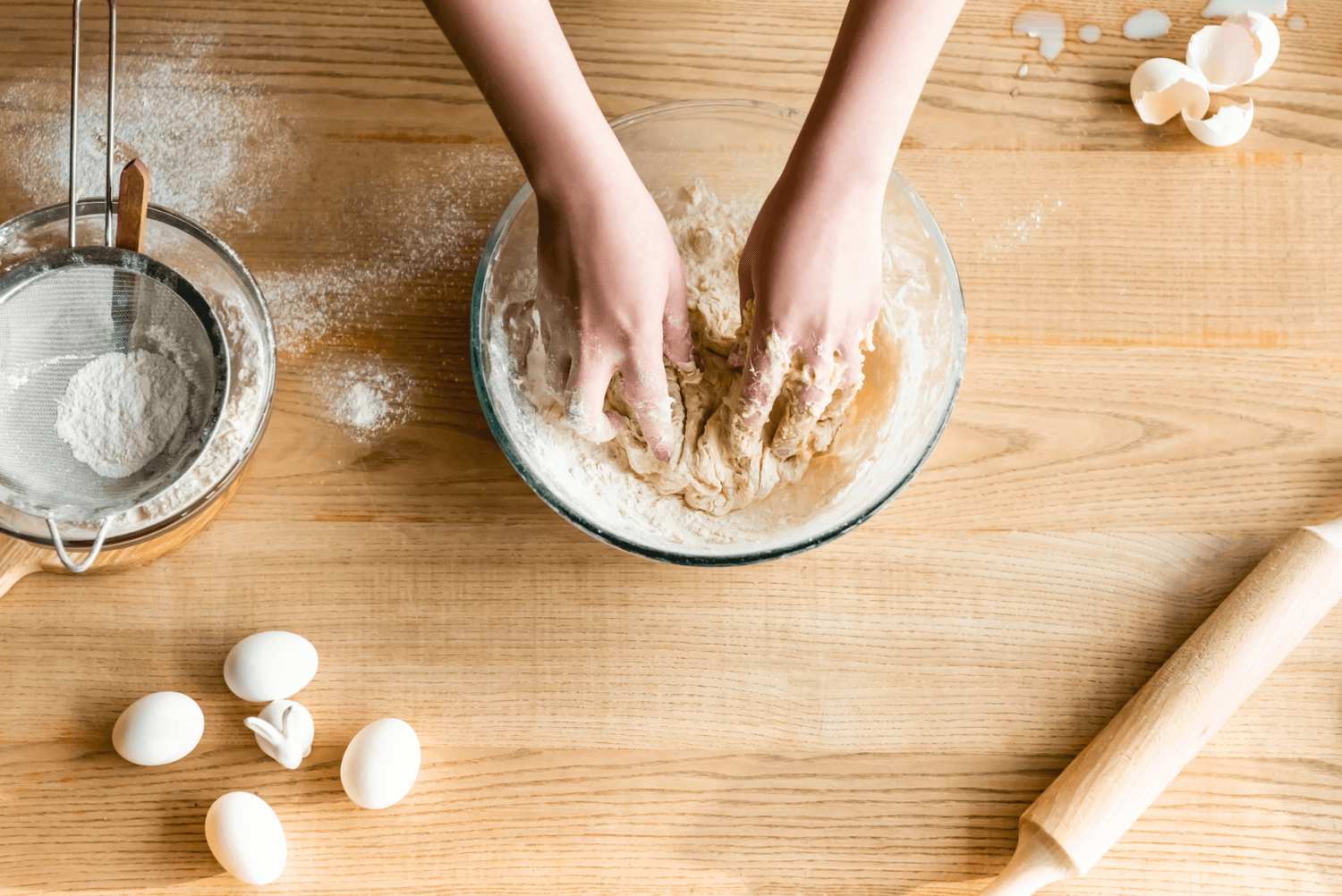
Quality vs. Cost: A Comparative Analysis
When considering the cost of making your own bread, it’s essential to weigh the quality and nutritional value against the price. Let’s delve into this further.
Nutritional Value of Homemade vs. Store-Bought Bread
Homemade bread is often considered healthier than its store-bought counterparts. By making your own bread, you have full control over the ingredients used, allowing you to avoid additives, preservatives, and unnecessary sugars. Additionally, homemade bread is often fresher and contains more nutrients since it doesn’t go through industrial processing and extended shelf life preservation.
Taste and Texture: Is Making Your Own Bread Cheaper?
One significant advantage of homemade bread is its taste and texture. Many people argue that the flavor and texture of homemade bread far surpass those of store-bought varieties. So, is making your own bread cheaper when you factor in the enhanced taste? While the ingredients may sometimes come at a slightly higher price, many bread enthusiasts believe that the superior quality and customization options—like adding herbs, seeds, or other ingredients—make it worth the investment.
Saving Money with Bulk Baking
If your main goal is saving money, you might be wondering, is making your own bread cheaper through bulk baking? The answer is yes! By producing larger quantities of dough and freezing or storing it, you can take advantage of economies of scale, significantly reducing the overall cost per loaf.
Economies of Scale in Bread Making
When you buy ingredients in bulk, you not only save on the cost of individual items, but you also get to amortise your initial equipment investment over a more extended baking period. This strategy allows you to stretch your grocery budget further, making the homemade option even more appealing. So again, is making your own bread cheaper? Definitely, when you consider the cost savings associated with bulk baking.
Storage and Shelf Life of Homemade Bread
One concern when making larger quantities of bread is how to store it and ensure it has a decent shelf life. Fortunately, several solutions can help you keep your homemade loaves fresh for longer. Techniques like freezing bread or using natural preservatives, such as honey or oil, can extend the shelf life of your creations. With these methods, bulk baking becomes a viable, cost-effective option that answers the question: is making your own bread cheaper? Yes, especially when you can enjoy delicious, homemade bread for weeks to come!
Conclusion
So, is making your own bread cheaper? The answer is a resounding yes. When you take into account the costs of store-bought bread, the initial investment in equipment, and the cost of ingredients for homemade bread, it becomes clear that making your own bread can lead to significant savings over time. When you factor in the additional benefits of nutritional value, quality, and the satisfaction of baking your own bread, it becomes an even more compelling option. Why not start today and enjoy fresh, delicious bread made with your own hands?
For more tips and tricks on perfecting your homemade bread, visit our dedicated page at Bake Batter and Beyond. Happy baking!

About the Author
Kaylene Grieve, a passionate baker and culinary educator, carries on a rich family legacy in the world of pastries and confections that began with her grandfather’s successful bakery. With over two decades of experience in business and marketing, Kaylene combines her baking heritage with digital expertise as the founder of Bake Batter & Beyond. This comprehensive baking resource reflects her mission to make the joy and science of baking accessible to all.
Dedicated to empowering both novice and experienced bakers, Kaylene’s website offers practical knowledge and tools including measurement converters, substitution guides, troubleshooting tips, and baking rescue techniques. Her special focus on the intricate world of cake making, coupled with her unique blend of family tradition and modern savvy, has established Kaylene as a trusted voice in the baking community.
0 Comments