
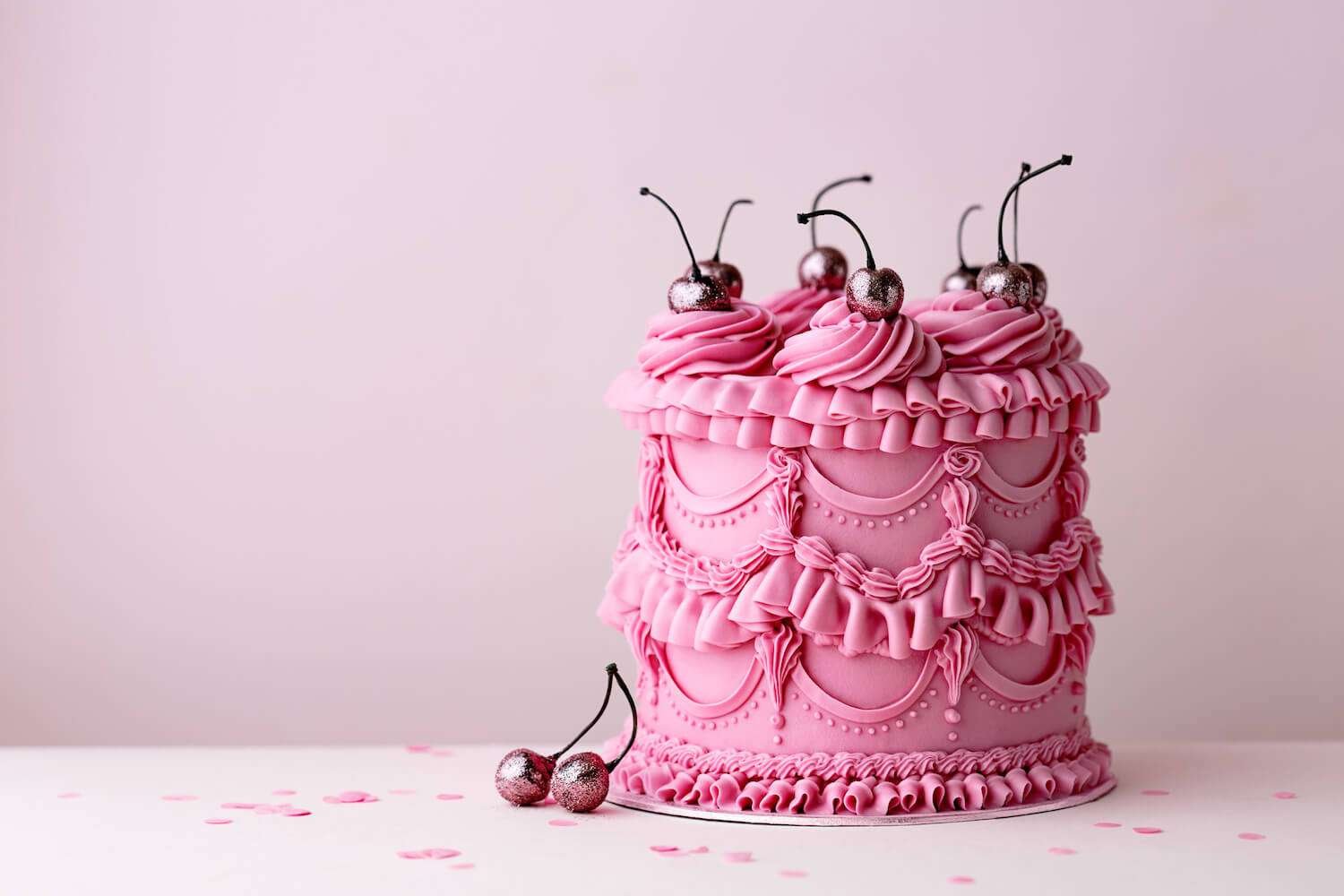
Are you ready to elevate your cake decorating game? Learning how to make cake decorating frosting is the foundation of beautiful cake design. In this comprehensive guide, we’ll walk through everything you need to know about creating the perfect frosting for cake decorating, from basic recipes to professional tips.
Essential Tools for Making Cake Decorating Frosting
Before we dive into how to make cake decorating frosting, gather these tools:
- Stand mixer or hand mixer
- Large mixing bowls
- Measuring cups and spoons
- Rubber spatula
- Thermometer
- Storage containers
- Sifter for powdered sugar
Understanding the Basics of Frosting
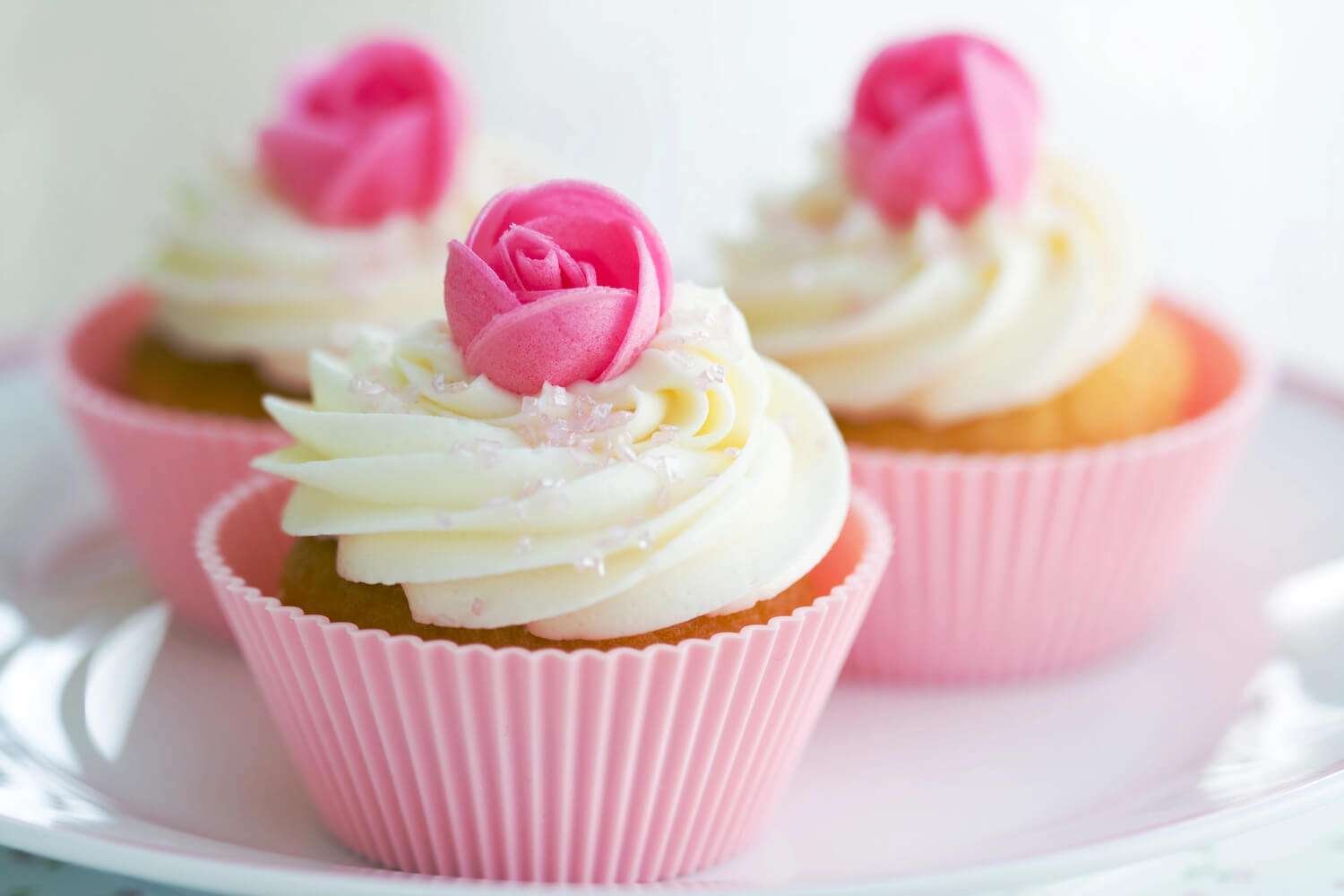
Learning how to make cake decorating frosting is key to enhancing both the flavour and appearance of your cakes. Frosting is a delicious, creamy coating made by combining fat, such as butter or shortening, with sugar and other ingredients. The mixture is whipped until light and fluffy, resulting in a smooth, spreadable texture perfect for decorating.
When discovering how to make cake decorating frosting, the options are endless. From classic vanilla buttercream to indulgent chocolate ganache, each frosting offers a unique flavour and texture. By experimenting with different frostings, you can transform a simple cake into an edible masterpiece, showcasing your decorating skills and creativity.
Basic American Buttercream: The Perfect Starter Frosting
Let’s start with the most versatile cake decorating frosting recipe:
Ingredients:
- 4 cups powdered sugar, sifted
- 1 cup unsalted butter, room temperature
- 2-3 tablespoons heavy cream
- 1 teaspoon vanilla extract
- 1/4 teaspoon salt
Step-by-Step Instructions:
- Butter Preparation
- Start with room temperature butter (65-68°F)
- Beat until creamy and smooth (3-5 minutes)
- Sugar Integration
- Gradually add sifted powdered sugar
- Mix on low speed to avoid clouds of sugar
- Scrape bowl sides frequently
- Consistency Adjustment
- Add cream gradually
- Mix until light and fluffy (5-7 minutes)
- Add vanilla and salt
Types of Cake Decorating Frosting
Swiss Meringue Buttercream
Perfect for smooth finishes and elegant designs
- More stable than American buttercream
- Less sweet, silkier texture
- Ideal for wedding cakes
Royal Icing
Best for detailed decorations
- Dries hard
- Perfect for intricate designs
- Great for cookies and cake accents
Cream Cheese Frosting
Ideal for carrot cakes and red velvet
- Tangy flavour
- Softer consistency
- Requires refrigeration
Step-by-Step Guide to Making Frosting
Creating your own frosting may seem daunting, but with the right technique, it can be a breeze. Follow these steps to make your very own frosting:
Preparing Your Workspace
Before you begin, ensure that your workspace is clean and well-organised. Gather all your ingredients and utensils, such as a mixing bowl, electric mixer, spatula, and measuring cups. Having everything within reach will make the process much smoother.
Mixing Your Ingredients
How to Make Cake Decorating Frosting
To begin learning how to make cake decorating frosting, start by creaming butter or shortening in a mixing bowl until it becomes light and fluffy. Slowly add powdered sugar, a little at a time, ensuring you mix well after each addition. This gradual process helps the sugar incorporate fully, preventing lumps and giving your frosting a smooth texture.
Once the powdered sugar is blended in, add vanilla extract and a pinch of salt. These ingredients are key to enhancing the flavour of your cake decorating frosting. Gradually pour in milk or heavy cream while continuing to beat the mixture, helping you achieve the desired consistency with a creamy texture perfect for decorating.
Achieving the Right Consistency
When learning how to make cake decorating frosting, consistency is vital for successful decorating. Too thick, and it becomes challenging to spread; too thin, and the frosting won’t hold its shape for piping or layering. You can adjust by adding more powdered sugar to thicken or more milk or cream to thin the frosting as needed.
Creaming the butter or shortening is a crucial step in mastering how to make cake decorating frosting. It incorporates air into the mixture, creating a lighter and fluffier texture. Make sure your butter or shortening is at room temperature for optimal results, as cold butter won’t cream well, and overly soft butter may lead to a greasy texture.
Adding powdered sugar gradually is also essential. This ensures the sugar dissolves smoothly, preventing graininess and giving the frosting a velvety finish. Take your time with this step, as it’s critical to the overall quality of your cake decorating frosting.
As you work on how to make cake decorating frosting, adding the milk or heavy cream gradually is just as important. This controls the consistency of the frosting, preventing it from becoming too runny. Adding the liquid little by little will help you achieve the perfect texture without over-thinning it.
Finally, don’t overlook the role of salt. A small pinch of salt makes a big impact on the flavour, balancing the sweetness and adding depth to your cake decorating frosting. This simple ingredient enhances the richness of the frosting, making it even more delicious and satisfying.
Tips for Colouring Your Frosting
Colourful frosting can add a touch of whimsy and creativity to your cake. Here are some tips for achieving vibrant and visually appealing colours:
Colouring your frosting is a fun and creative way to make your baked goods stand out. Whether you’re decorating a birthday cake or cupcakes for a special occasion, choosing the right food colouring and mixing colours can take your baked creations to the next level.
Choosing the Right Food Colouring
When selecting food colouring for your frosting, it’s important to opt for gel or paste colours. These concentrated forms of colouring produce more intense hues and do not alter the consistency of the frosting. Start with a small amount and gradually add more until the desired shade is achieved.
Gel and paste food colours are available in a wide range of shades, allowing you to mix and match to create custom colours for your frosting. From bold primary colours to pastel shades, the possibilities are endless when it comes to colouring your frosting.
Mixing Colours for Unique Shades
If you’re learning how to make cake decorating frosting and want to create unique colours, try mixing different shades together. For example, blending red and blue can produce a beautiful purple shade. Experimenting with various combinations is a great way to unleash your creativity and achieve stunning results in your frosting.
Don’t hesitate to think outside the box when mixing colours. When learning how to make cake decorating frosting, adding a small amount of black food colouring to other shades can create rich, deep tones, perfect for sophisticated cake designs. Just remember, black colouring is strong, so start small and adjust as needed.
Techniques for Decorating with Frosting
Now that you’ve mastered how to make cake decorating frosting, it’s time to dive into various techniques to elevate your cake decorating skills:
Decorating a cake with frosting is an art form that lets you transform a simple dessert into a stunning masterpiece. Whether you’re crafting elegant designs for weddings or playful creations for children’s parties, the possibilities are endless. With the right techniques and a bit of practice, you can take your cake decorating to the next level.
Piping Techniques for Beginners
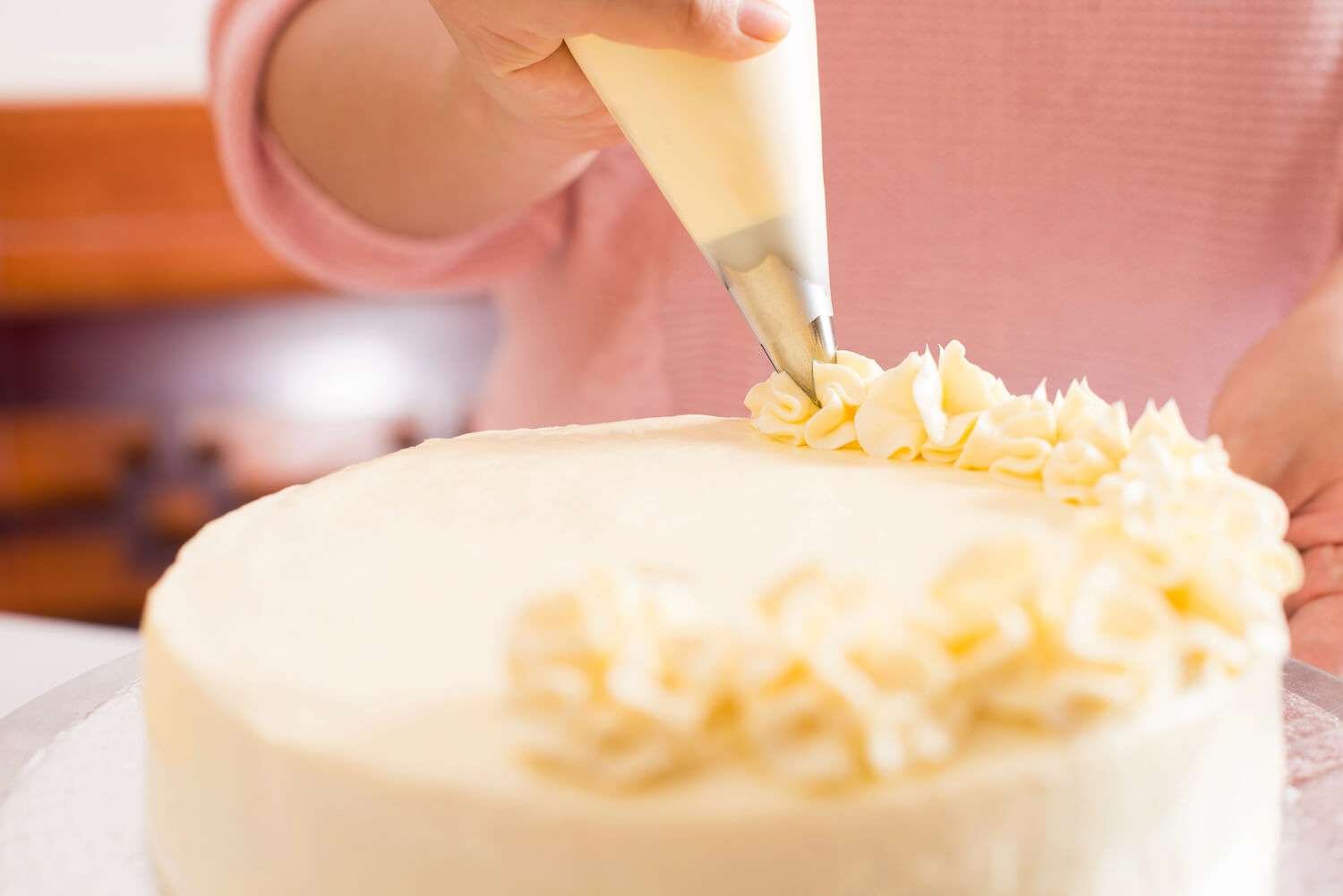
Piping is a versatile technique for anyone learning how to make cake decorating frosting. It involves using a piping bag with different tips to create various designs and patterns. Beginners can start with simple shapes like dots or rosettes and, with practice, advance to more intricate designs.
As your skills improve, experiment with different frosting consistencies. A stiffer frosting works well for defined borders and shapes, while a softer frosting is better for smooth, flowing designs. The key to mastering how to make cake decorating frosting is finding the right balance between pressure and movement to control the flow and create the desired effects.
Creating Texture with Frosting
Texture adds depth and visual interest to your cake. Using tools like spatulas, combs, or even toothpicks, you can create unique patterns and finishes. Techniques like ombre or ruffle designs can add a sophisticated touch to your cakes, making them look even more impressive.
When working with texture, think about the theme or occasion. For a rustic feel, a spatula can create a rough finish, while a comb can help you achieve sleek, polished lines. By learning how to make cake decorating frosting with different textures, you can mix and match styles to create a truly eye-catching cake.
Storing and Using Leftover Frosting
Once you’ve finished decorating, you might have extra frosting. Here’s how to store and reuse it:
Proper Storage for Freshness
If you have leftover frosting, store it in an airtight container in the refrigerator. This will help maintain its freshness for your next project. When ready to use again, let it reach room temperature and give it a good stir to bring it back to the right consistency.
Reusing Frosting for Future Bakes
Unused frosting doesn’t have to go to waste. Use it for cupcakes, cookies, or even as a filling for macarons. You can also freeze frosting in a sealed bag for longer-term storage, ensuring that your efforts in learning how to make cake decorating frosting don’t go to waste.
With these techniques and your newfound knowledge of how to make cake decorating frosting, you’re ready to create delicious, visually stunning cakes. Whether you’re an enthusiast or a professional, mastering frosting will allow you to turn any cake into an extraordinary work of art. Let your creativity flow and watch your cakes shine!
Professional Tips for Perfect Cake Decorating Frosting
Temperature Matters
- Butter should be 65-68°F
- Room temperature should be below 75°F
- Chill if frosting becomes too soft
Consistency Guidelines
Your cake decorating frosting should:
- Hold a soft peak for borders
- Be slightly stiffer for flowers
- Remain softer for smooth coating
Troubleshooting Common Issues
Problem: Grainy Frosting
- Solution: Sift sugar thoroughly
- Beat longer to dissolve sugar crystals
Problem: Butter Separation
- Solution: Adjust temperature
- Beat until emulsified
Problem: Too Soft
- Solution: Refrigerate 15-20 minutes
- Add more powdered sugar gradually
Now that you know how to make cake decorating frosting, it’s time to put your skills to practice! Start with a small batch and experiment with consistency until you find what works best for your needs. Remember, perfect cake decorating frosting comes with practice and patience.

About the Author
Kaylene Grieve, a passionate baker and culinary educator, carries on a rich family legacy in the world of pastries and confections that began with her grandfather’s successful bakery. With over two decades of experience in business and marketing, Kaylene combines her baking heritage with digital expertise as the founder of Bake Batter & Beyond. This comprehensive baking resource reflects her mission to make the joy and science of baking accessible to all.
Dedicated to empowering both novice and experienced bakers, Kaylene’s website offers practical knowledge and tools including measurement converters, substitution guides, troubleshooting tips, and baking rescue techniques. Her special focus on the intricate world of cake making, coupled with her unique blend of family tradition and modern savvy, has established Kaylene as a trusted voice in the baking community.
0 Comments