
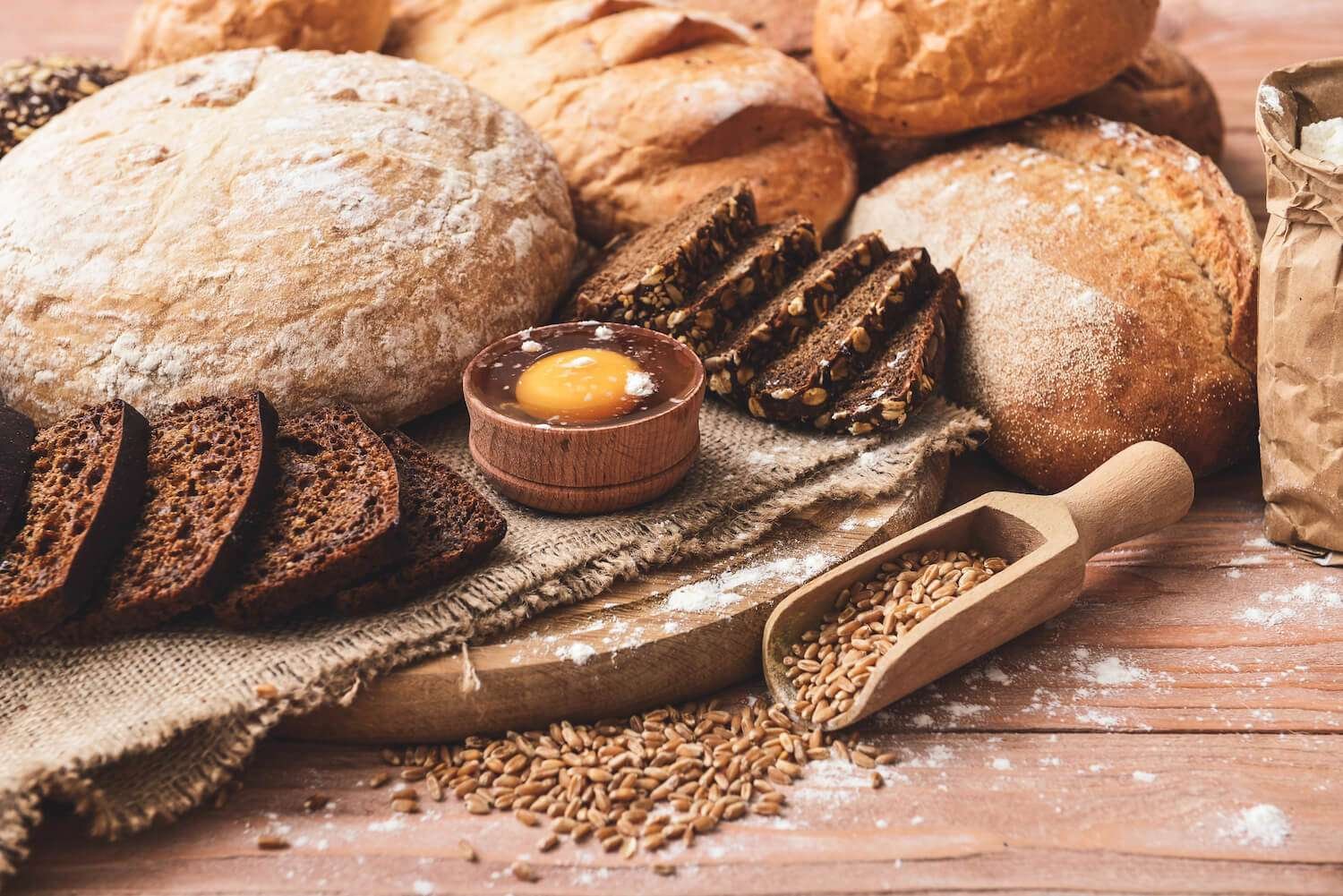
Are you craving freshly baked bread but don’t have yeast on hand? Learning how to make bread without yeast is easier than you might think! This quick and simple recipe uses basic pantry ingredients to create a delicious loaf in under an hour.
What You’ll Need:
- 3 cups all-purpose flour
- 1 tablespoon baking powder
- 1 teaspoon salt
- 1 tablespoon sugar
- 1 cup warm water
- 2 tablespoons olive oil
Simple Steps to Make Bread Without Yeast:
Making bread without yeast is an excellent choice for those looking to avoid yeast or those with dietary sensitivities. This type of bread not only caters to dietary restrictions but also has a unique flavour and texture that sets it apart from traditional yeast-leavened bread.
Detailed Steps to Make Bread Without Yeast
- Prepare Ingredients: Preheat the oven to 375°F (190°C) and gather flour, baking powder, salt, and a little sugar. These will form the base of your bread. Whisking these ingredients together ensures the baking powder is evenly distributed, which is key to making bread without yeast that rises uniformly.
- Mix the Dough: Create a well in the dry ingredients and pour in warm water and olive oil. Gently mix with a spoon until a “shaggy” dough forms. When you make bread without yeast, this texture is typical and will smooth out slightly with minimal kneading.
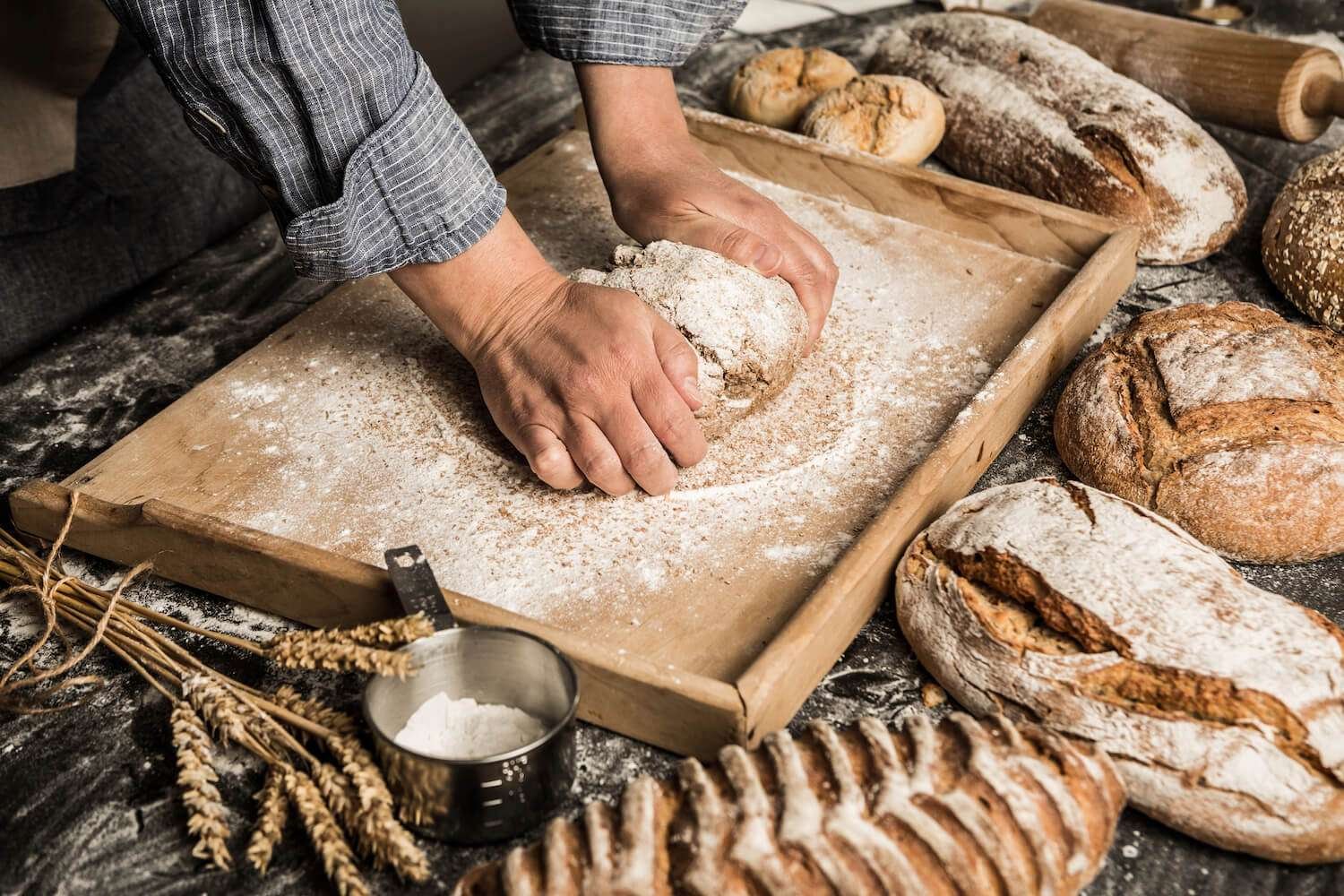
- Knead Lightly: Turn the dough onto a floured surface and knead for about 5-7 minutes. Unlike traditional yeast bread, minimal kneading is needed here, as you are aiming for a tender crumb rather than a highly structured loaf. This gentle kneading process makes it ideal to make bread without yeast if you’re new to baking.
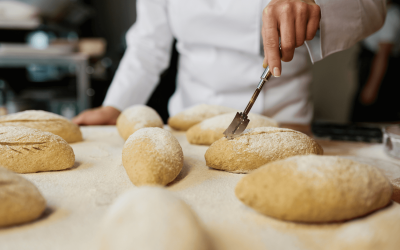
- Shape and Score: Shape the dough into a round loaf, place it on a parchment-lined sheet, and score the top. Scoring allows the bread to expand as it bakes, even without yeast, creating a more rustic look.
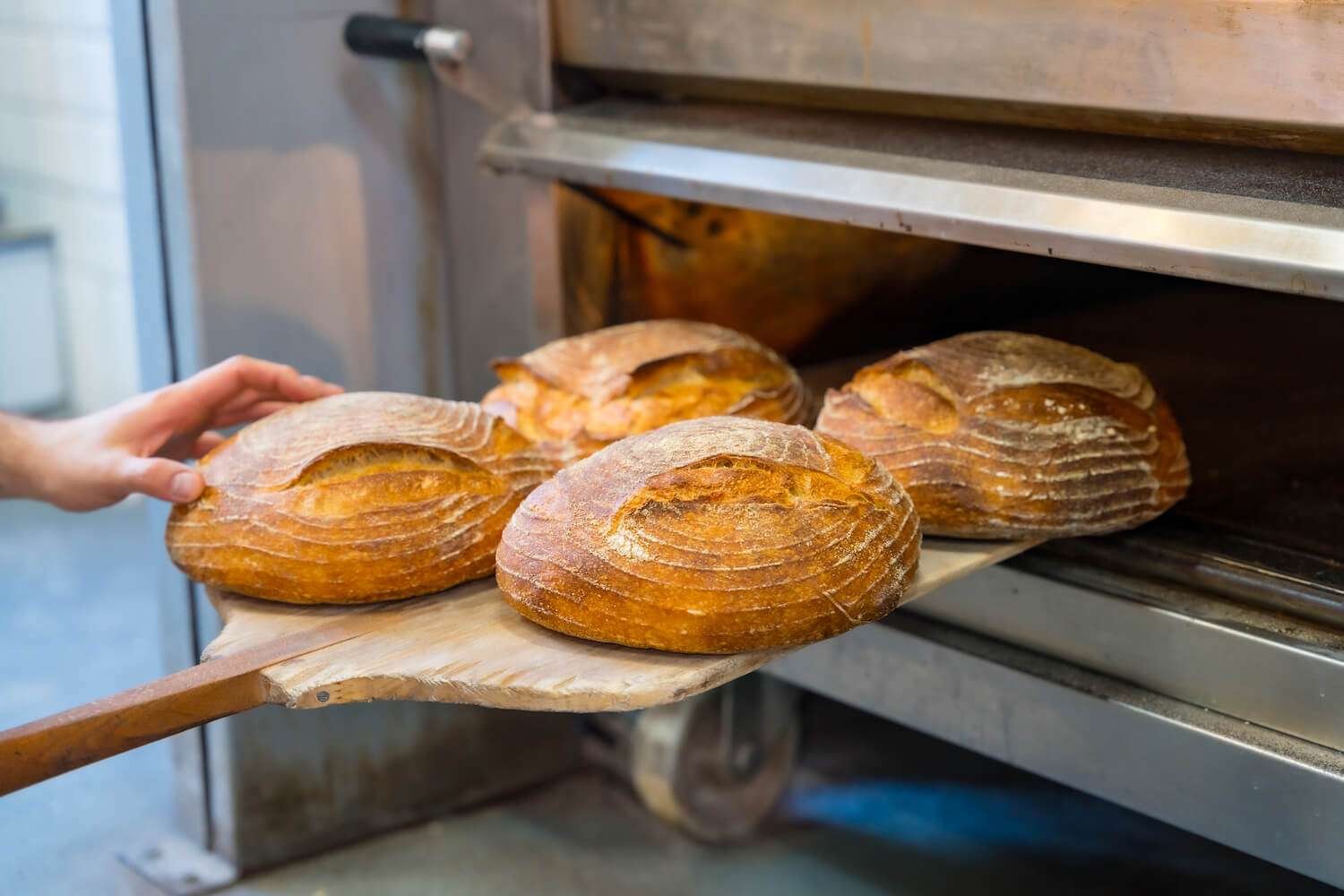
- Bake to Perfection: Place the dough in the oven and bake for 30-35 minutes, or until golden. Tapping the bottom for a hollow sound is an excellent readiness check. Since the baking process is shorter than for yeast breads, it’s convenient to make bread without yeast when you want a fresh loaf in under an hour.
Baking Your Yeast-Free Bread
- Preheat the Oven: Set your oven to 375°F (190°C). Prepare a bread pan by greasing it or lining it with parchment paper. Consistent heat is essential for ensuring that you make bread without yeast that’s evenly baked with a tender crumb.
- Shape Dough: Transfer the dough into the prepared pan, smoothing the top with a spatula or your hands. The shape and density of the dough are important in helping your yeast-free bread develop a golden crust and soft interior.
- Bake: Bake for 35-40 minutes, or until the top is golden brown and a toothpick inserted into the centre comes out clean. For an added touch, gently tap the bottom of the bread to check for a hollow sound, a sign it’s fully baked.
- Cool: Allow the bread to cool in the pan for 10 minutes before transferring it to a wire rack to cool completely. Cooling is a crucial step when you make bread without yeast as it helps set the texture.
By following these steps, you can create a delicious, beautifully textured bread without yeast that rivals traditional recipes. Whether for dietary reasons or just a desire for a quick homemade loaf, making bread without yeast opens up endless possibilities in the kitchen.
Optional Add-ins for Flavor and Texture
To make bread without yeast even more flavorful and unique, consider adding a few optional ingredients to the dough before baking:
- Herbs and spices: Fresh or dried herbs such as rosemary, thyme, or basil infuse a wonderful aroma and depth of flavor. If you like sweeter bread, try adding cinnamon or nutmeg for a warm, comforting twist.
- Nuts and seeds: Adding a handful of chopped nuts (walnuts, almonds) or seeds (sunflower, flax) can give your bread a delightful crunch and a nutritional boost, making it both hearty and healthy.
- Dried fruits: For a hint of natural sweetness, mix in dried fruits like raisins, cranberries, or chopped dates. These additions pair wonderfully with breakfast spreads or create a delightful snack on their own.
Understanding Yeast-Free Bread
When you make bread without yeast, it’s helpful to understand the unique qualities and benefits of this type of bread. Yeast is typically used to leaven bread through fermentation, producing the airy, sponge-like texture many traditional loaves have. However, some people choose to make bread without yeast due to dietary restrictions, allergies, or simply for convenience. Without yeast, the bread has a denser, more tender crumb and a pleasantly rustic texture, offering a wholesome, satisfying experience with every bite. Yeast-free bread is also ideal for those who may have limited time but still want fresh, homemade bread with minimal effort. Whether you’re looking for a quick baking option or aiming to explore alternatives to yeast-based bread, learning how to make bread without yeast opens up endless possibilities for fresh and flavorful homemade loaves.
The Science Behind Yeast in Bread Making
In traditional bread making, yeast is the key player for achieving that signature airy texture. Yeast functions as a leavening agent by producing carbon dioxide gas when it consumes sugars found in ingredients like flour. The gas becomes trapped within the dough, forming air pockets that expand, ultimately causing the bread to rise. Without this leavening process, bread would lack the light, fluffy texture that many associate with a perfect loaf. When bakers make bread without yeast, they use alternative methods to create lift, such as incorporating baking powder or baking soda, which react differently yet still help achieve a desirable texture.
Beyond leavening, yeast also contributes to bread’s taste and aroma by producing alcohol and organic acids as byproducts. These elements develop unique flavours and prolong freshness, making each slice rich and flavorful. When people make bread without yeast, these specific flavours and the longer shelf life are not as prominent, offering a distinct bread-eating experience that is often fresher and milder in taste.
Why Opt for Yeast-Free Bread?
There are many reasons why individuals choose to make bread without yeast. For some, yeast sensitivities or allergies can cause digestive discomfort or other reactions, making yeast-free options a necessary alternative. Others may avoid yeast for dietary reasons, such as following a candida diet, which restricts yeast to help prevent yeast overgrowth. Additionally, the appeal of yeast-free bread lies in its unique texture and flavour profile. Unlike traditional bread, yeast-free bread has a denser consistency that feels satisfying and hearty, perfect for those who enjoy a chewier bite.
When you make bread without yeast, you’ll notice a change in flavour as well. Without yeast, bread lacks the characteristic tang associated with yeast fermentation, resulting in a milder, more neutral taste that complements various toppings and spreads. Yeast-free bread pairs well with everything from sweet jams to savory avocado spreads, giving it versatility that appeals to many palates. This neutral profile allows you to experiment with herbs, spices, and grains, giving each loaf its own distinct personality.
In summary, choosing to make bread without yeast offers a unique alternative to traditional bread, one that can suit dietary needs while offering a different but equally enjoyable experience. Whether for health reasons or a taste for dense, chewy textures, yeast-free bread has carved out a special place in the world of baking.
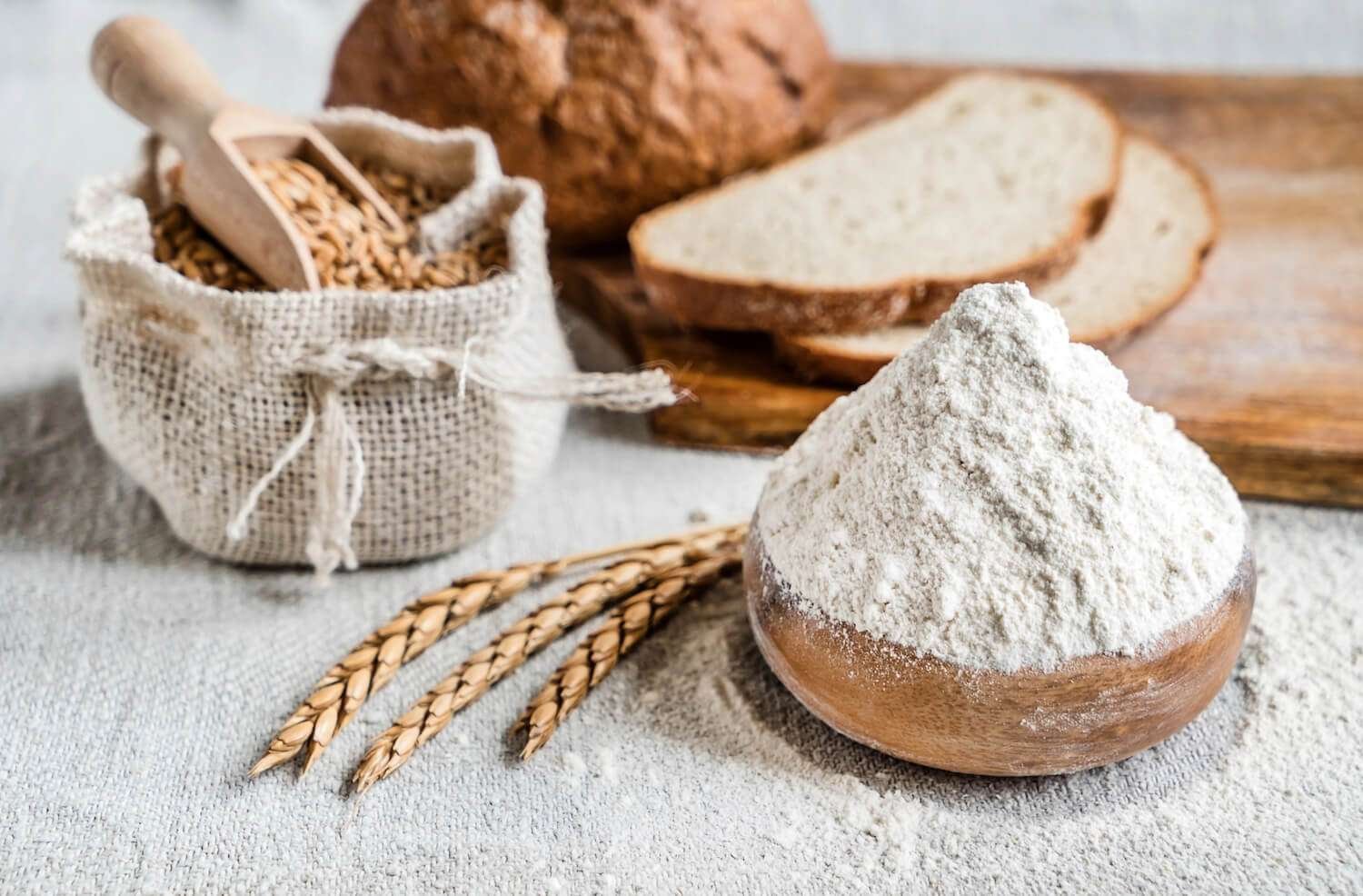
Now that you have a solid understanding of the essential ingredients needed to make bread without yeast, let’s explore each one’s role in the bread-making process.
Baking powder, with its unique mix of acid and base, acts as a double-acting leavening agent. This means it releases carbon dioxide twice: first when it comes into contact with moisture, and again when exposed to heat in the oven. This dual action expands the dough, resulting in a light, airy texture, making it a crucial ingredient for those wanting to make bread without yeast but still desiring a similar lift and softness in their bread.
Baking soda, however, requires an acidic component to activate its leavening properties. When it interacts with an acid like lemon juice or vinegar, it releases carbon dioxide, creating tiny bubbles that get trapped in the dough, allowing it to rise. Since the acidity level directly affects this reaction, following recipe guidelines is essential to ensure proper rise and avoid a dense loaf. This makes baking soda an excellent alternative to yeast for those looking to make bread without yeast, as it provides a reliable rise when balanced with the right acids.
Flour is the backbone of any bread recipe, providing structure and stability necessary to make bread without yeast. The proteins in flour, primarily gluten, create a network that traps the gas from leavening agents, expanding during baking to form the bread’s characteristic shape and texture. You can choose different flour types, such as all-purpose, whole wheat, or gluten-free, depending on your dietary needs. Each type of flour lends a slightly different texture and flavour profile, adding versatility to yeast-free bread recipes.
In yeast-free bread recipes, water is often the primary liquid, but other liquids can add unique flavours and richness. Milk, whether dairy or plant-based, brings a creamy, tender texture to the bread, and substitutes like almond or coconut milk introduce distinct flavours. When looking to make bread without yeast, the liquid not only hydrates the dough but also activates the leavening agents, so using the recommended amount is essential for optimal results.
Salt plays an equally crucial role when you make bread without yeast, as it helps control the rise of the bread by regulating the activity of the leavening agents. It enhances the overall flavour, balancing any sweetness or acidity, which is especially useful when making yeast-free bread that includes additional flavour elements like honey or lemon. However, adding the correct amount of salt is vital: too little can leave the bread bland, while too much can overpower other flavours, creating an unbalanced loaf.
Finally, now that you understand the essentials, you can also consider adding optional ingredients to elevate your yeast-free bread’s flavour and texture. Whether herbs, seeds, or nuts, these add-ins can personalize your bread, making it a unique creation each time you bake without relying on yeast. By experimenting with these ingredients, you’ll enhance the flavour and appearance of your homemade bread, ensuring it’s both delicious and visually appealing.
Tips for Perfect Yeast-Free Bread
Watch the Consistency: When you make bread without yeast, the dough should be slightly sticky yet manageable. Yeast-free doughs rely on alternative leavening agents like baking powder or baking soda, which means the dough’s moisture content plays a big role in the bread’s texture. If the dough seems too dry, try adding a small amount of liquid (water or milk) at a time to achieve a softer consistency. On the other hand, if the dough becomes too wet, incorporate a bit more flour gradually until you reach the ideal texture. Finding the right balance will ensure your yeast-free bread is light and not overly dense.
Avoid Overmixing: Unlike traditional bread recipes, when you make bread without yeast, you’ll want to mix the ingredients just until they are combined. Overmixing can lead to a dense, tough bread, which is less than ideal when aiming for a tender, soft loaf. Mixing only as needed also prevents over-developing the gluten, which can sometimes make yeast-free bread chewy rather than light and fluffy. Remember, a gentle hand is key to achieving perfect consistency in yeast-free breads.
Test for Doneness: Yeast-free bread recipes may vary in baking time, especially since they lack the rising power of yeast, which can affect overall structure and baking time. The best way to determine if your yeast-free bread is done is to use a toothpick or a cake tester. Insert it into the thickest part of the loaf, and if it comes out clean, your bread is ready. Since baking times can fluctuate based on ingredients, pan size, and oven type, checking in this way is a foolproof method for success when you make bread without yeast.
Troubleshooting Common Issues
Even with careful preparation, yeast-free breads sometimes don’t turn out as expected. Here are solutions to some common issues when you make bread without yeast:
Dense or Heavy Bread: A dense loaf is a common challenge in yeast-free baking, often resulting from overmixing or using insufficient leavening agents. Make sure to measure baking powder or baking soda accurately, as these leaveners are responsible for helping the bread rise. Additionally, resist the temptation to over-stir the dough; mixing just until ingredients are combined will help your bread achieve a lighter texture.
Undercooked or Overcooked Bread: Uneven cooking can often stem from oven inconsistencies or inaccurate temperature settings. To avoid these issues, use an oven thermometer to verify your oven’s actual temperature. You might find that adjusting your bake time slightly helps your yeast-free bread bake evenly, especially when experimenting with new recipes.
Discover the delicious world of yeast-free bread! Experience a new level of flavour and simplicity with every bite. Visit Bake Batter and Beyond for expert tips and recipes that will elevate your bread-making skills. Let’s bake something amazing today!

About the Author
Kaylene Grieve, a passionate baker and culinary educator, carries on a rich family legacy in the world of pastries and confections that began with her grandfather’s successful bakery. With over two decades of experience in business and marketing, Kaylene combines her baking heritage with digital expertise as the founder of Bake Batter & Beyond. This comprehensive baking resource reflects her mission to make the joy and science of baking accessible to all.
Dedicated to empowering both novice and experienced bakers, Kaylene’s website offers practical knowledge and tools including measurement converters, substitution guides, troubleshooting tips, and baking rescue techniques. Her special focus on the intricate world of cake making, coupled with her unique blend of family tradition and modern savvy, has established Kaylene as a trusted voice in the baking community.
0 Comments