
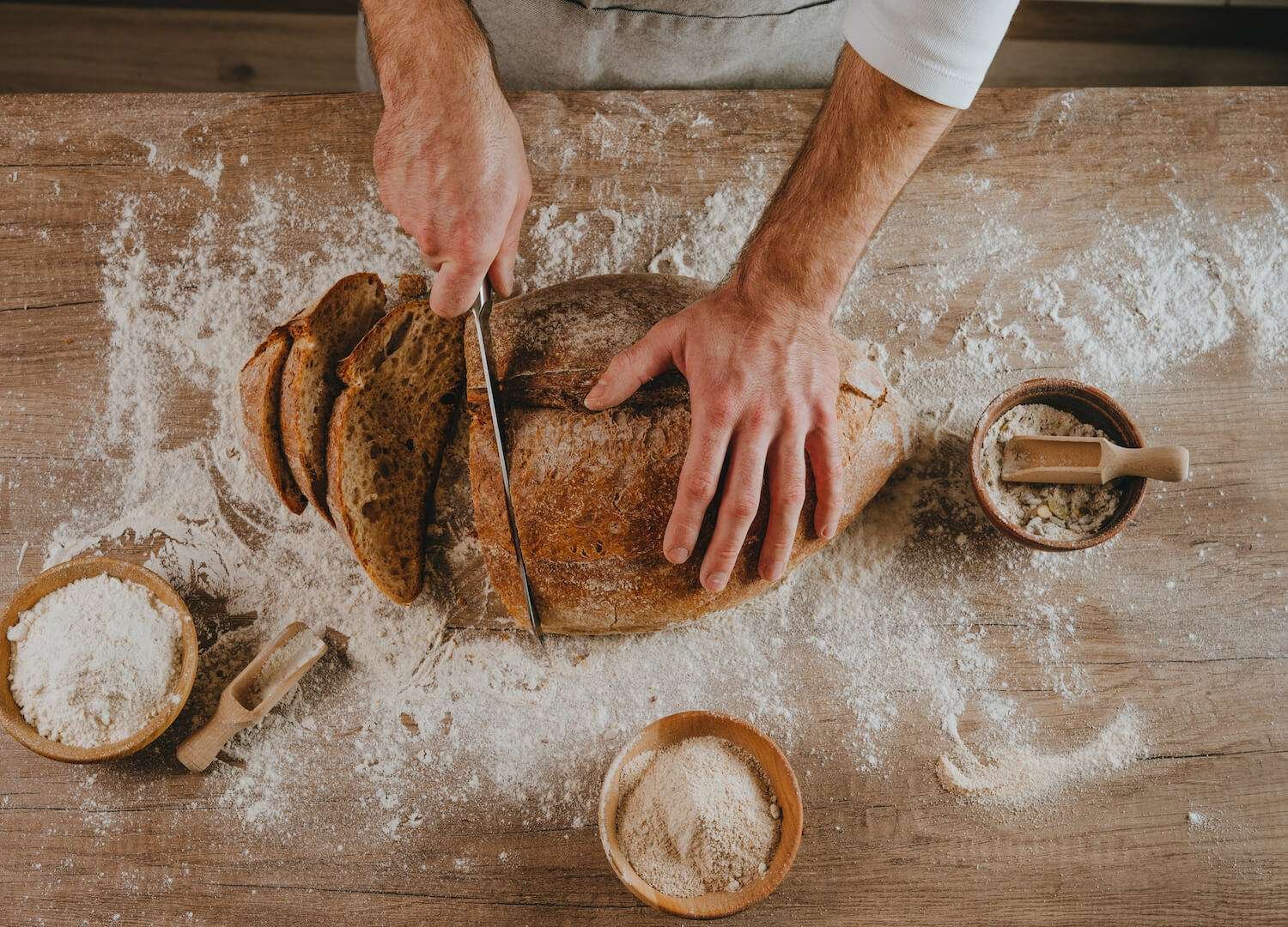
Bread baking has long been cherished as a culinary art. The delicious aroma, the taste, and the satisfaction of creating something from scratch make it a rewarding experience. However, what happens when you run out of yeast or want to experiment with yeast-free bread? In this article, we will explore the process of how to make bread without yeast and delve into the advantages of opting for yeast-free bread.
Understanding Yeast-Free Bread
Yeast-free bread refers to bread that does not rely on yeast as a leavening agent. While yeast is commonly used to make bread rise, there are alternative methods that can result in equally delightful bread. Understanding the science behind yeast in bread making and the benefits of yeast-free bread can help you appreciate this alternative approach to baking.
Exploring the world of yeast-free bread opens up a realm of possibilities for those seeking unique flavours and textures in their baked goods. By learning how to make bread without yeast, bakers can experiment with different leavening agents such as baking powder, baking soda, or natural starters like sourdough. This creative process allows for a diverse range of bread varieties, each with its own distinct character and taste profile, without the reliance on yeast.
Easy No-Yeast Bread Recipe: 5 Simple Steps (Ready in 1 Hour)
Craving fresh, homemade bread but don’t have yeast on hand? This foolproof recipe shows you how to make bread without yeast using simple pantry staples, with a quick preparation time of just one hour. Perfect for beginners, this recipe delivers a deliciously crusty loaf with a soft, tender interior—no waiting for dough to rise!
What You’ll Need
- 3 cups all-purpose flour
- 1 tablespoon baking powder
- 1 teaspoon salt
- 1 teaspoon sugar
- 1½ cups lukewarm water
- 2 tablespoons olive oil
- Optional: herbs, seeds, or cheese for flavouring
Why This Recipe Works
Unlike traditional bread that relies on yeast for leavening, this quick bread uses baking powder as the rising agent. The chemical reaction starts immediately when liquid meets the dry ingredients, eliminating the need for proofing. The result is a rustic loaf perfect for soups, sandwiches, or simply enjoying with butter.
Step-by-Step Instructions
- Prepare Your Ingredients (5 minutes)
Preheat your oven to 375°F (190°C). Line a baking sheet with parchment paper or lightly grease a loaf pan. Having everything measured and ready makes the process smooth and efficient. - Mix Dry Ingredients (5 minutes)
In a large bowl, whisk together the flour, baking powder, salt, and sugar. This ensures even distribution of the leavening agents for consistent rising throughout the dough. - Add Wet Ingredients (5 minutes)
Make a well in the center of your dry ingredients. Pour in the lukewarm water and olive oil. Using a wooden spoon or spatula, mix until a shaggy dough forms. Don’t overmix, as this can make your bread tough. - Shape Your Loaf (5 minutes)
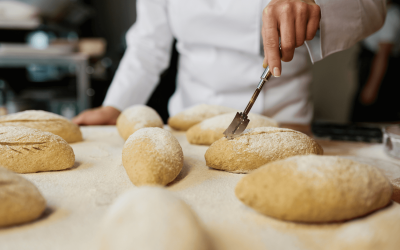
Turn the dough onto a lightly floured surface. Gently knead for 1-2 minutes until smooth. Shape it into a round loaf or place it in a loaf pan. Score the top with a sharp knife to allow for expansion. - Bake to Perfection (40 minutes)
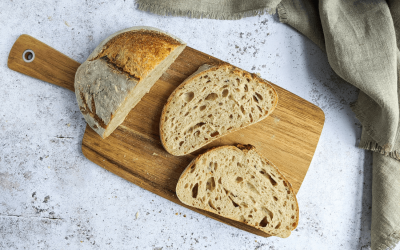
Bake for 35-40 minutes until golden brown. The bread is done when it sounds hollow when tapped on the bottom. Cool on a wire rack for at least 10 minutes before slicing.
The Science Behind Yeast in Bread Making
Yeast is a type of fungus that converts sugar into carbon dioxide gas and alcohol through a process called fermentation. When mixed with flour and water, yeast produces carbon dioxide that creates air bubbles in the dough, causing it to rise. This fermentation process not only affects the bread’s flavour and texture but also contributes to its nutritional profile. However, learning to make bread without yeast introduces bakers to a different kind of chemical process, one that still achieves a delightful texture but without the wait time of fermentation.
Why Opt for Yeast-Free Bread?
Contrary to popular belief, yeast-free bread can be just as flavourful and satisfying as bread made with yeast. Some people choose to make bread without yeast due to dietary restrictions, allergies, or simply a preference for the unique texture and taste that yeast-free bread provides. Additionally, yeast-free bread is often quicker to make, making it an attractive option for those with limited time.
Moreover, yeast-free bread offers versatility in the kitchen, allowing bakers to explore ancient techniques and traditional recipes that predate the widespread use of commercial yeast. By choosing to make bread without yeast, you can dive into a rich culinary history, exploring regional specialties and age-old recipes from cultures around the world. These yeast-free methods showcase the diverse ways in which bread has been prepared and enjoyed for centuries.
Experimenting with Yeast-Free Variations
Once you’ve mastered the basics, you can experiment with various yeast-free bread recipes that incorporate unique ingredients and flavours. By adjusting the flour type, adding herbs, or trying alternative leavening agents, you can create delicious breads without relying on yeast. For instance:
- Soda Bread: A traditional Irish bread that relies on baking soda as the leavening agent, offering a dense, satisfying crumb.
- Flatbreads: Simple and quick to make, flatbreads don’t require yeast and can be cooked on the stovetop or in the oven.
- Banana or Zucchini Bread: Often considered quick breads, these use baking powder or soda and allow for sweet or savoury variations.
Ingredients Needed to Make Bread Without Yeast
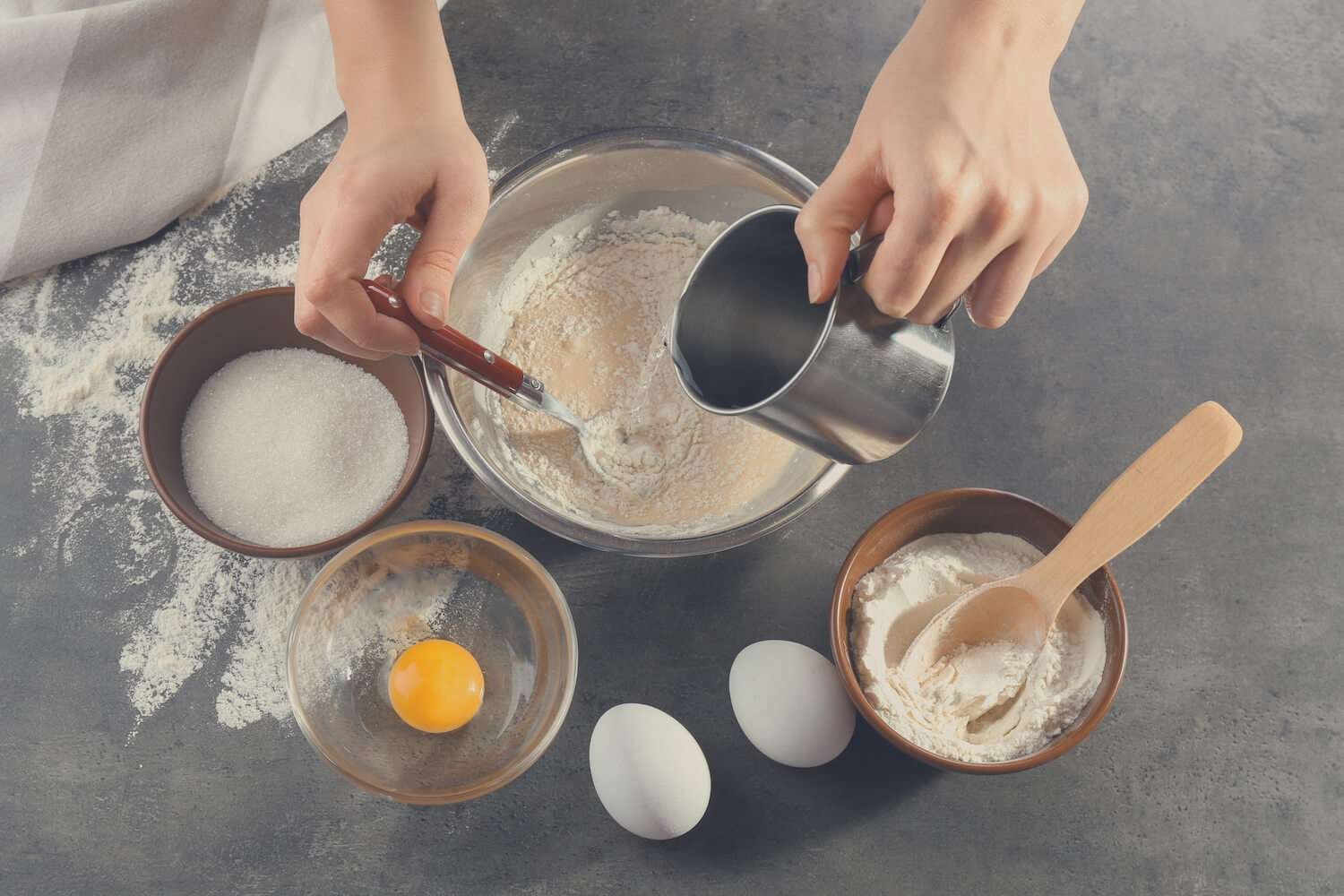
Yeast-free bread is a fantastic alternative for individuals with yeast sensitivities or those simply seeking a quicker and more straightforward bread-making process. By omitting yeast from the recipe, you can make bread without yeast in a shorter amount of time, eliminating the need for lengthy proofing periods that traditional yeast breads require. This makes it an ideal option for last-minute baking or when you want a delicious loaf without the wait.
Choosing the Right Flour
When you set out to make bread without yeast, selecting the right type of flour is crucial to achieving the desired texture and flavour. Whole wheat flour is a popular choice because it adds a nutty taste and is a great option for those seeking a healthier alternative. Additionally, all-purpose flour is versatile and can provide a lighter texture, making it easier to handle when forming your bread.
For those looking for a gluten-free option, you can use a blend of gluten-free flours like rice flour, tapioca flour, and potato starch. This combination will help mimic the texture of traditional wheat bread while allowing you to make bread without yeast. Each flour contributes to the overall consistency of the bread, ensuring that it still has a pleasant mouthfeel despite the absence of yeast.
The Role of Baking Powder and Baking Soda
In your quest to make bread without yeast, understanding the role of leavening agents is essential. Baking powder and baking soda serve as the primary leavening agents in yeast-free bread recipes. Baking powder is a convenient option since it contains both baking soda and an acid, such as cream of tartar. When baking powder comes into contact with liquid and heat, it reacts to create carbon dioxide, which helps your bread rise.
Baking soda, on the other hand, requires an acidic ingredient, such as vinegar or lemon juice, to activate it and produce the necessary carbon dioxide for leavening. The right combination of these leavening agents can significantly impact the final texture of your bread.
It’s important to note that the ratio of baking powder and baking soda to flour can affect the texture and rise of the bread. Too much leavening agent can cause the bread to collapse, while too little may result in a dense loaf. Therefore, finding the right balance is key to achieving a light and fluffy loaf when you make bread without yeast. Experimenting with different ratios can help you fine-tune your recipe until you reach your desired outcome.
In summary, making bread without yeast offers a quick and accessible way to enjoy homemade bread. By choosing the right flour and understanding the role of baking powder and baking soda, you can create a delicious, fluffy loaf that’s perfect for sandwiches, toast, or enjoying on its own.
Tips for Perfect Yeast-Free Bread
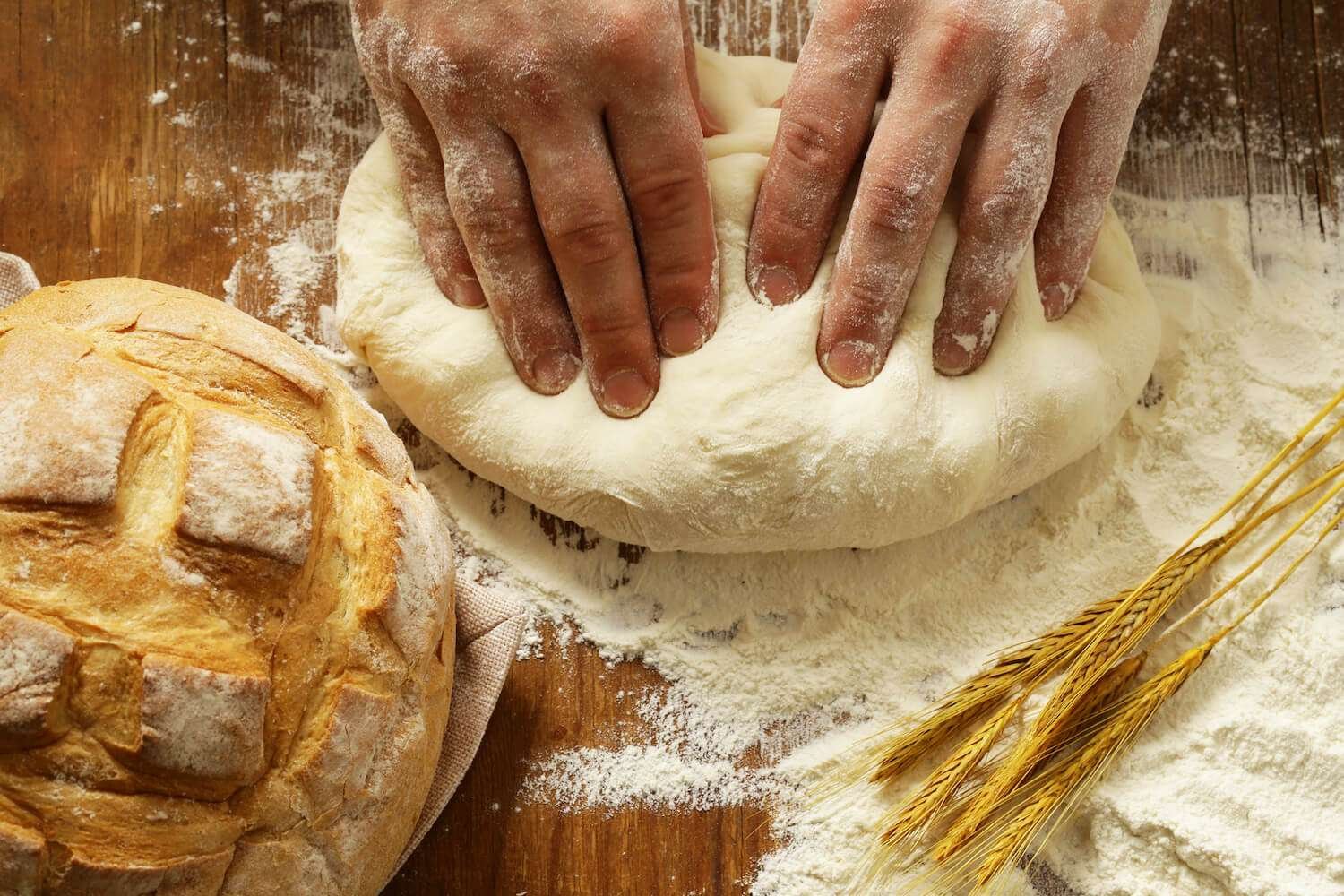
To achieve the best results when you make bread without yeast, consider the following tips:
Achieving the Right Texture
When you set out to make bread without yeast, achieving the right texture is key. Experiment with different flour combinations and varying amounts of leavening agents to find the texture and rise that suits your preference. Using a combination of all-purpose flour with whole wheat flour or alternative flours can create a delightful and unique texture. Too much leavening can result in a coarse texture, while too little may produce a dense loaf. Consider adding ingredients like yogurt, vinegar, or baking soda to help the bread rise and achieve a soft, tender crumb.
Another factor that can impact the texture of yeast-free bread is the hydration level of the dough. Adjusting the amount of liquid in your recipe can help you achieve the perfect balance between a moist interior and a crisp crust. Typically, yeast-free breads benefit from a slightly wetter dough, which can enhance the final product’s overall lightness and tenderness.
For more tips and creative ideas, visit Bake Batter and Beyond. Happy baking!

About the Author
Kaylene Grieve, a passionate baker and culinary educator, carries on a rich family legacy in the world of pastries and confections that began with her grandfather’s successful bakery. With over two decades of experience in business and marketing, Kaylene combines her baking heritage with digital expertise as the founder of Bake Batter & Beyond. This comprehensive baking resource reflects her mission to make the joy and science of baking accessible to all.
Dedicated to empowering both novice and experienced bakers, Kaylene’s website offers practical knowledge and tools including measurement converters, substitution guides, troubleshooting tips, and baking rescue techniques. Her special focus on the intricate world of cake making, coupled with her unique blend of family tradition and modern savvy, has established Kaylene as a trusted voice in the baking community.
0 Comments