
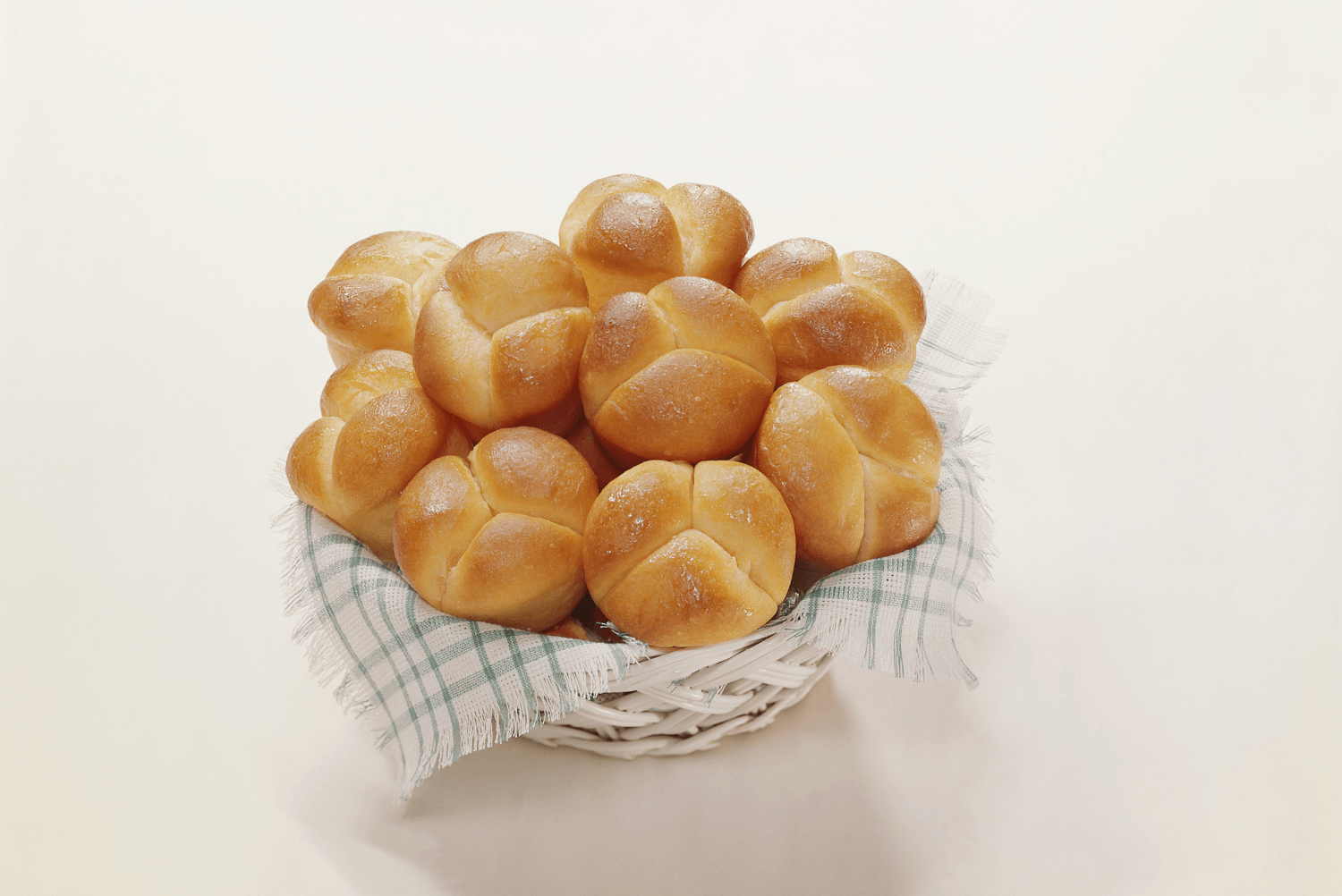
Rich, buttery, and impossibly tender, brioche bread is often regarded as the crown jewel of French baking. This golden-hued bread is not just a delightful accompaniment to meals; it can also be the star of your breakfast table or dessert spread. While making brioche bread might seem intimidating at first glance due to its unique texture and the richness of its ingredients, I’m here to guide you through every step of the process, helping you conquer any fears you may have.
The key to mastering making brioche bread lies in understanding its basic components: high-quality ingredients, the right techniques, and a little patience. The combination of flour, eggs, butter, and sugar creates a dough that is both luxurious and versatile. This bread can be enjoyed plain, toasted with jam, or transformed into delectable French toast or bread pudding. With my guidance, you’ll soon find that making brioche bread in your own kitchen is not only achievable but also an incredibly rewarding experience. So roll up your sleeves and prepare to immerse yourself in the delightful world of brioche baking!
Essential Ingredients for Brioche Bread
Now that you understand the fundamentals of brioche bread, let’s dive into the key ingredients you’ll need to create this delectable pastry.
Brioche bread is a rich and buttery French bread that requires a handful of ingredients, each serving a specific purpose in the recipe. The basic ingredients include flour, eggs, butter, milk, sugar, salt, and yeast. The flour provides structure and gives the bread its chewy texture, while the eggs provide richness and contribute to the brioche’s signature colour. Butter adds flavour and moisture, whole milk helps create a softer crumb. Sugar and salt enhance the overall taste, and yeast is responsible for the bread’s rise.
When it comes to yeast, opt for active dry yeast or instant yeast for the best results. These types of yeast will help ensure a good rise and a light, airy texture in your brioche bread. Properly activating the yeast by proofing it in warm liquid with a pinch of sugar before incorporating it into the dough is crucial for a successful bake.
Additionally, consider using European-style butter with a higher butterfat content for an even richer and more luxurious brioche. The quality of your ingredients will shine through in the finished product, so don’t be afraid to splurge on premium options for a truly decadent brioche experience.
Tools Needed for Making Brioche Bread
To ensure a smooth baking process, you’ll need a few essential tools on hand. Let’s go over the must-have items as well as some optional tools for more advanced bakers.
Kitchen Equipment Essentials
For making brioche bread, you’ll need a stand mixer with a dough hook attachment to knead the dough efficiently. This powerful tool will save you time and effort compared to kneading by hand.
A large mixing bowl is essential for combining all the ingredients and allowing the dough to rise properly.
Measuring cups and spoons are crucial for accurate ingredient measurements, ensuring the right balance of flavours in your brioche.
A pastry brush will come in handy for applying egg wash or butter to give your brioche a beautiful golden crust.
Additionally, a baking sheet is necessary for baking the brioche to perfection. Don’t forget a clean kitchen towel or plastic wrap to cover the dough during the rising process, preventing a dry crust from forming.
Optional Tools for Advanced Bakers
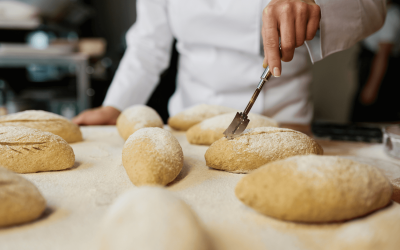
If you’re a seasoned baker looking to take your brioche bread to the next level, consider investing in a brioche mould or pan for creating the traditional brioche shape. These specialised pans help the dough maintain its form during baking, resulting in a picture-perfect loaf. A bench scraper is a versatile tool that can be used for dividing and shaping the dough with precision, ensuring uniform brioche portions. Additionally, a dough scraper is useful for cleaning sticky dough remnants from your work surface and shaping the dough into smooth rounds.
The Secret to Successful Brioche
The magic of brioche lies in its enriched dough, making it a truly delightful bread to create and enjoy. Unlike regular bread, making brioche bread involves incorporating a high percentage of butter and eggs, which gives it that characteristic tender crumb and rich flavour. Temperature control is crucial in this process; your ingredients should be at room temperature to ensure proper incorporation and a smooth dough.
Step-by-Step Process for Making Brioche Bread
- Preparing the Dough:
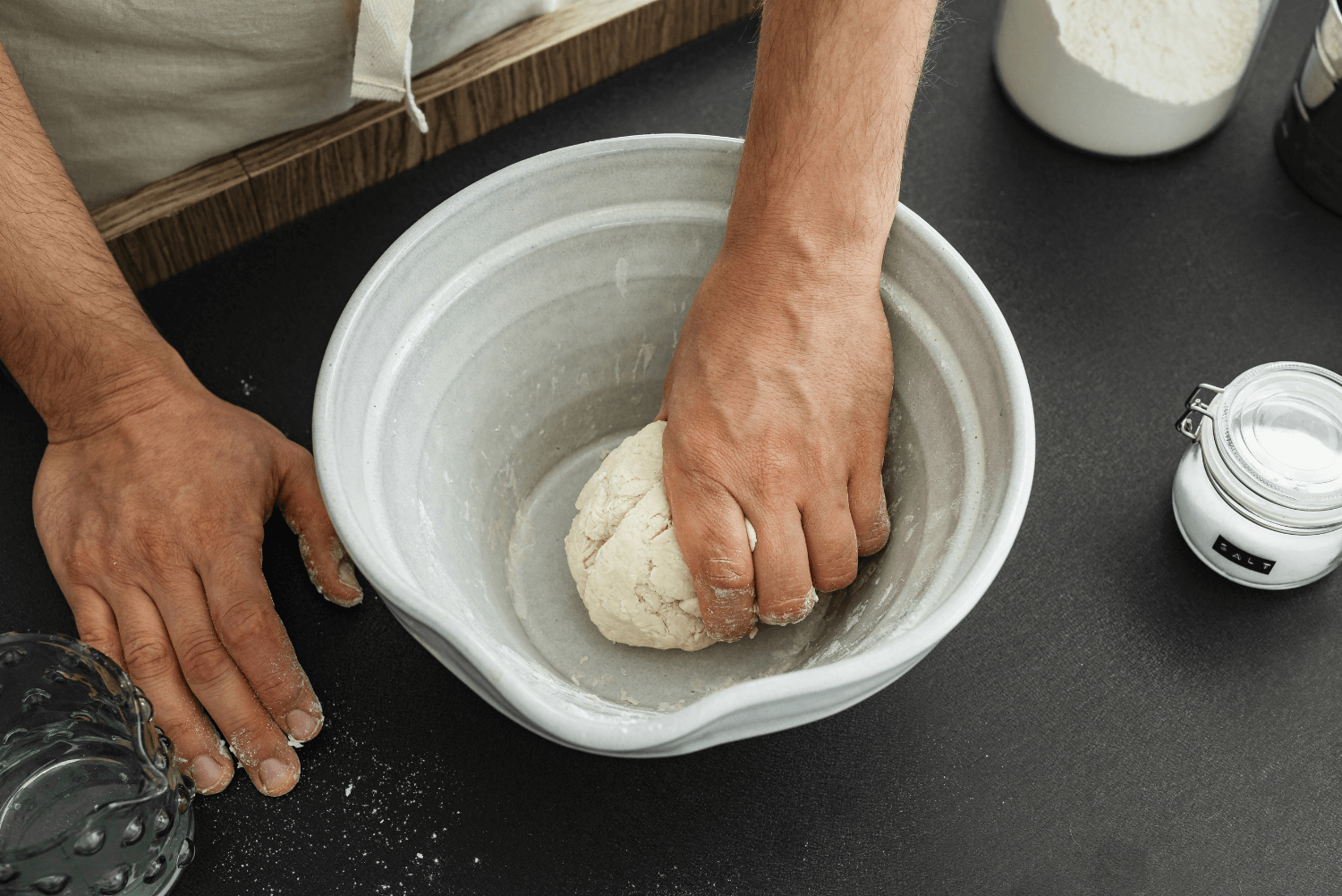
Begin by activating the yeast in warm milk (around 110°F). This step is vital, as it ensures the yeast is alive and ready to help your dough rise. In a separate bowl, combine flour, sugar, and salt. Once the yeast mixture becomes foamy and bubbly, add it to your dry ingredients along with the eggs. Mix until just combined, being careful not to overwork the dough at this stage. - Incorporating the Butter:
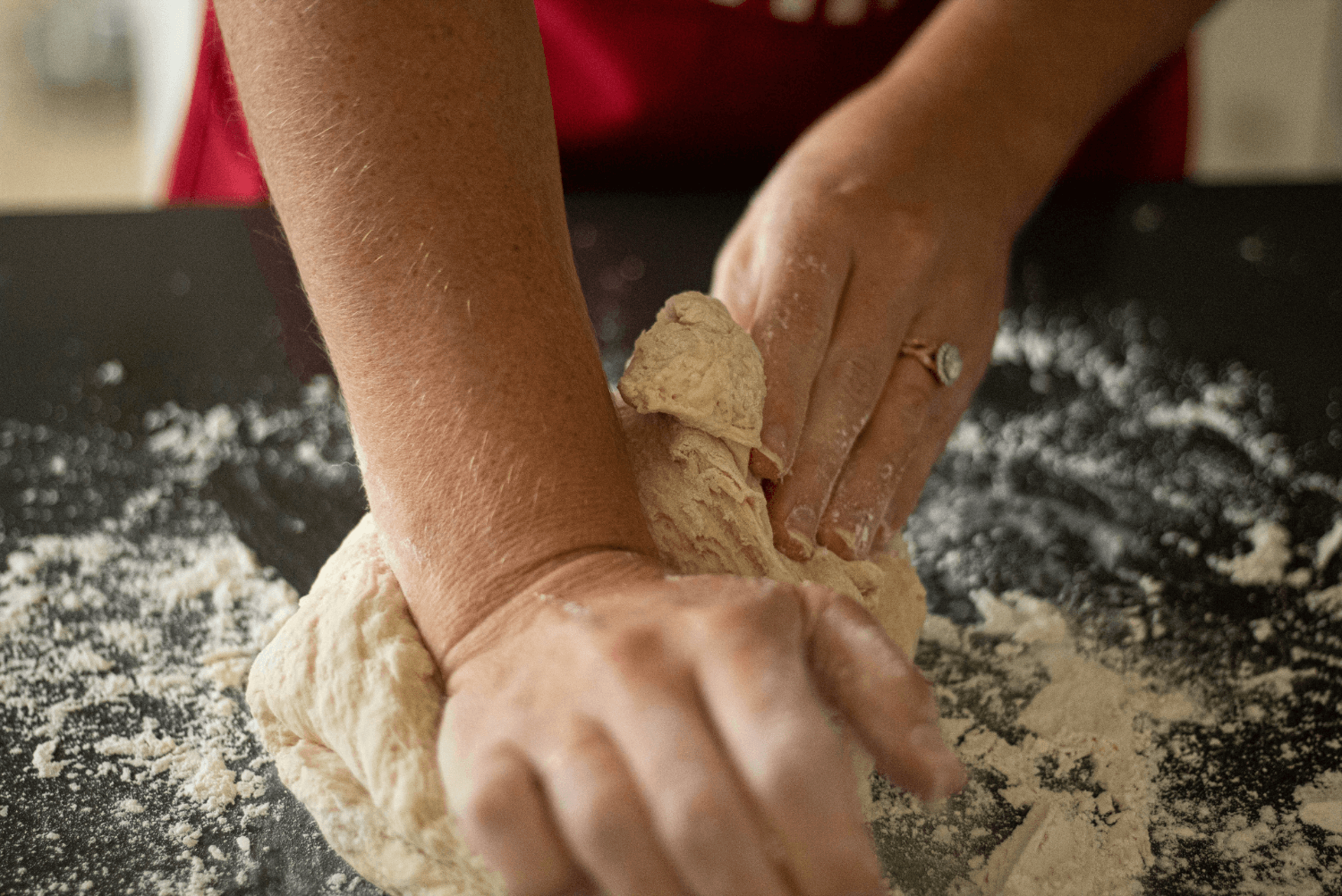
This is where patience becomes vital in the process of making brioche bread. Begin adding the softened butter piece by piece to the dough. Allow each piece to fully incorporate before adding more. This method may take about 10-15 minutes, but it is essential for achieving that signature brioche texture. The dough should become glossy and smooth as you knead. - The First Rise:
Transfer your dough to a greased bowl and cover it with a clean kitchen towel or plastic wrap. Let it rise for 1-2 hours until it has doubled in size. During this time, the dough should become soft, smooth, and slightly sticky to the touch. - Shaping Your Brioche:
After the first rise, gently deflate the dough to release any air bubbles. Now it’s time to shape it into your desired form. Whether you’re making a traditional brioche à tête or simple rolls, handle the dough gently to maintain its delicate structure. Remember, the shaping technique can influence the final look and texture of your brioche. - The Second Rise:
Let your shaped brioche proof for another 1-2 hours. This second rise is crucial for developing those light, airy layers that brioche is known for. Cover the dough again to prevent it from drying out, and ensure it is in a warm environment for optimal rising. - Baking to Golden Perfection:
Once your brioche has risen beautifully, brush the top with an egg wash for a glossy finish. Preheat your oven to 375°F and bake for 25-30 minutes until the brioche turns a lovely golden brown. To ensure it is fully cooked, the internal temperature should reach around 190°F.
Understanding Brioche Bread
Before we dive into the recipe, it’s essential to have a good grasp of what brioche bread is all about. Understanding the characteristics of this delightful pastry will help you appreciate its unique qualities and enable you to make adjustments to suit your taste preferences when making brioche bread.
Brioche bread, often referred to as “viennoiserie” in the world of baking, is a type of enriched bread that originated in France, although some enthusiasts argue that its roots can be traced back to Vienna, Austria. The term “enriched bread” means it contains a higher amount of fat and sugar compared to regular bread, which gives it a soft, tender crumb and a slightly sweet flavour. This enriching process is what makes brioche so beloved by bakers and chefs alike, as it is a versatile bread that can be used in both sweet and savoury dishes.
Why Brioche Bread is Unique
What sets brioche bread apart from other types of bread is its high butter and egg content. These rich ingredients contribute to brioche’s distinct golden colour, tender crumb, and heavenly flavour. The luxurious texture of brioche makes it perfect for various culinary applications, from sweet treats to gourmet sandwiches. Additionally, brioche is notable for its ability to stay fresh for an extended period, thanks to the added fat and sugar, allowing you to enjoy it longer after baking.
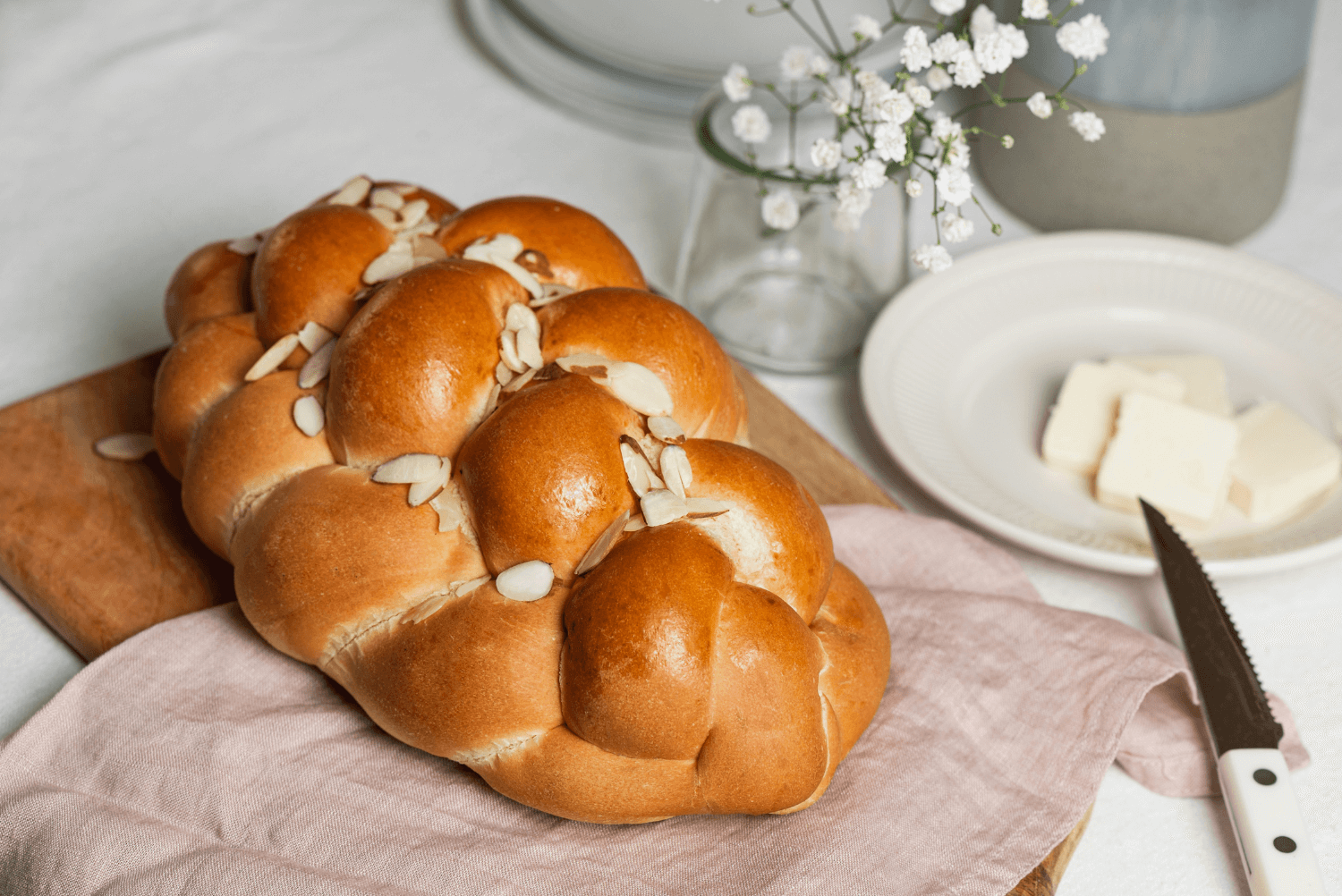
Another factor that contributes to brioche’s uniqueness is its versatility. It can be shaped into various forms, such as rolls, loaves, or even intricate braided patterns, making it not only a treat for the taste buds but also a feast for the eyes. Whether you choose to enjoy it on its own, use it as the base for a delightful French toast, or incorporate it into a decadent bread pudding, brioche never fails to impress with its rich taste and luxurious texture.
The process of making brioche bread may seem a bit daunting due to its richness and the required attention to detail, but the rewards are undoubtedly worth it. By mastering the art of making brioche bread, you can create a bakery-quality product right in your own kitchen, elevating your baking repertoire and delighting your family and friends with this classic French pastry.
Troubleshooting Common Brioche Baking Issues
Even with the best intentions, baking can sometimes be a tricky process. Here are a couple of common baking issues you may encounter when making brioche bread and how to handle them.
Dealing with Overly Dry or Wet Dough
When you’re making brioche bread, achieving the right dough consistency is crucial for the final product. If your dough turns out dry and difficult to work with, don’t panic! Start by adding a small amount of milk or water, tablespoon by tablespoon, until the dough becomes more pliable and easier to handle. This small adjustment can make a significant difference in the texture of your brioche.
On the other hand, if you find that your dough ends up too wet and sticky, gradually incorporate additional flour, a little at a time, until you achieve the desired consistency. It’s important to find that balance because overly wet dough can lead to dense, undercooked brioche, while overly dry dough may not rise properly.
What to Do if Your Brioche Doesn’t Rise
One common issue when making brioche bread is encountering dough that doesn’t rise properly during the proofing stage. If you notice that your brioche isn’t expanding as it should, it may be due to inactive yeast. Start by checking the expiration date of your yeast to ensure it’s still fresh. Using expired yeast can result in disappointing baking results, especially with rich bread like brioche.
If your yeast is fresh but your dough is still sluggish, consider proofing the dough in a slightly warmer location. Yeast thrives in warmth, and a cozy environment can help kickstart the yeast activity, promoting a better rise. You might also want to cover the dough with a damp cloth or plastic wrap to prevent it from drying out during this process.
Now that you’re armed with all the knowledge and steps needed to create a delectable batch of brioche bread, it’s time to roll up your sleeves and get baking. Remember to enjoy the process of making brioche bread and savour the delicious rewards that await you at the end. With these tips in mind, you’re well on your way to mastering the art of this rich, buttery bread!
Visit Bake Batter and Beyond for more expert tips and tricks on creating delicious homemade bread. Your next baking adventure awaits!

About the Author
Kaylene Grieve, a passionate baker and culinary educator, carries on a rich family legacy in the world of pastries and confections that began with her grandfather’s successful bakery. With over two decades of experience in business and marketing, Kaylene combines her baking heritage with digital expertise as the founder of Bake Batter & Beyond. This comprehensive baking resource reflects her mission to make the joy and science of baking accessible to all.
Dedicated to empowering both novice and experienced bakers, Kaylene’s website offers practical knowledge and tools including measurement converters, substitution guides, troubleshooting tips, and baking rescue techniques. Her special focus on the intricate world of cake making, coupled with her unique blend of family tradition and modern savvy, has established Kaylene as a trusted voice in the baking community.
0 Comments