
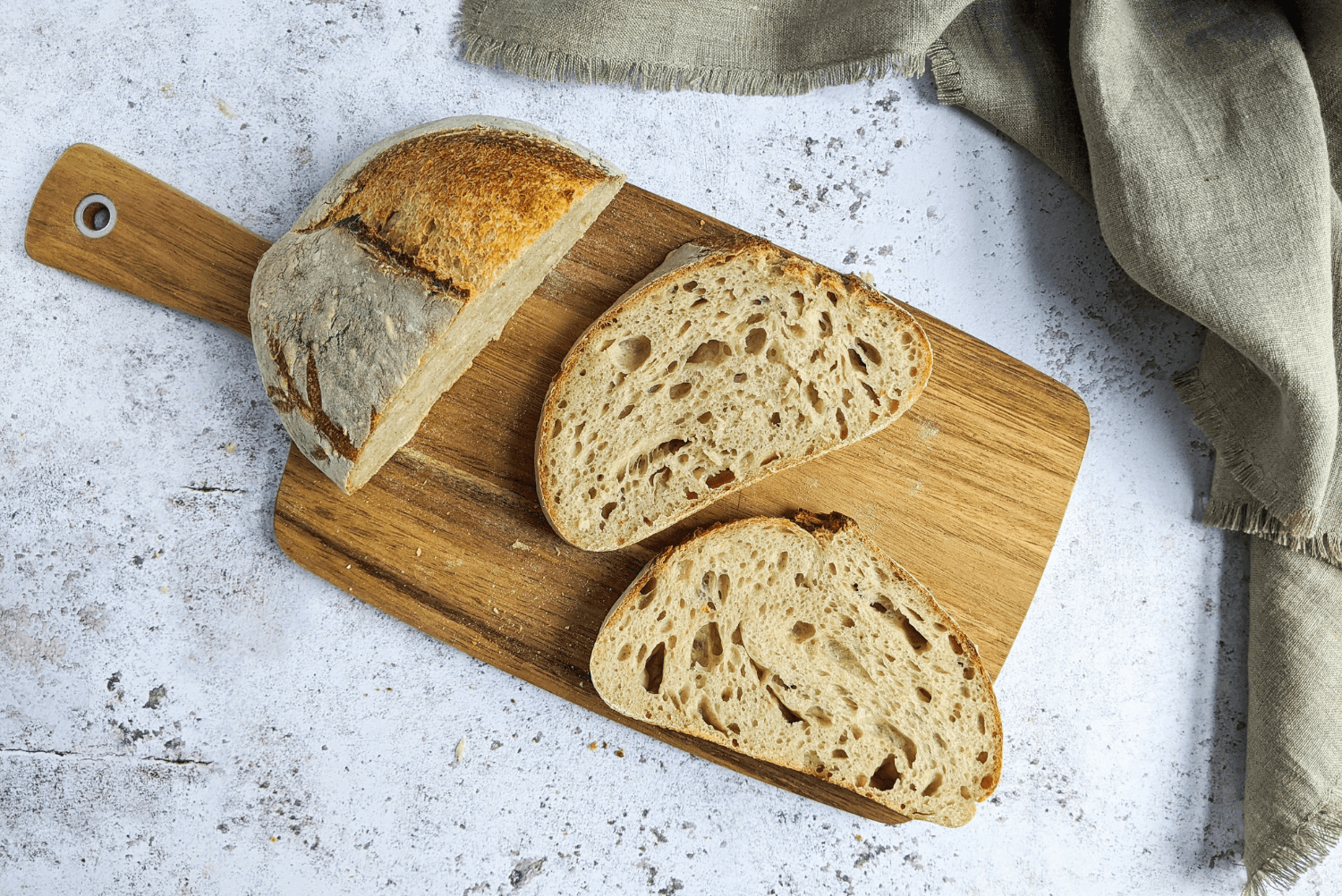
For anyone embarking on their sourdough journey, having the right equipment is crucial for success. Whether you’re a complete beginner or looking to upgrade your existing setup, this comprehensive guide will walk you through everything you need, including essential sourdough baking equipment, to create beautiful, crusty loaves at home.
The Essential Starter Kit
Mixing and Measuring
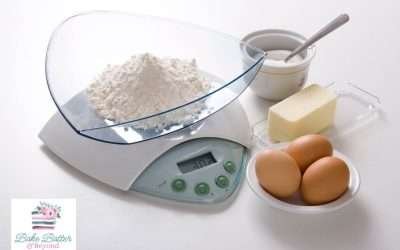
- Digital Kitchen Scale: Precision is key in sourdough baking. Look for scales that measure in both grams and ounces, with a 0.1g precision for starter measurements. This is an essential piece of sourdough baking equipment to ensure accurate ratios of flour, water, and starter. Budget range: $15-30.
- Glass Jars for Starter: Two 1-quart wide-mouth mason jars work perfectly. One jar is for maintaining your starter, while the other is for building levain. These jars are an affordable and essential item in your sourdough baking equipment. Cost: $5-10.
- Measuring Cups and Spoons: While most measurements will be by weight, these are handy for occasional volume measurements. It’s wise to have them as part of your sourdough baking equipment collection. Budget: $10-15.
Mixing and Kneading
- Large Mixing Bowl: Choose a durable stainless steel or glass bowl with at least a 5-quart capacity. A sturdy mixing bowl is fundamental in your sourdough baking equipment to mix larger quantities of dough effectively. Cost: $20-40.
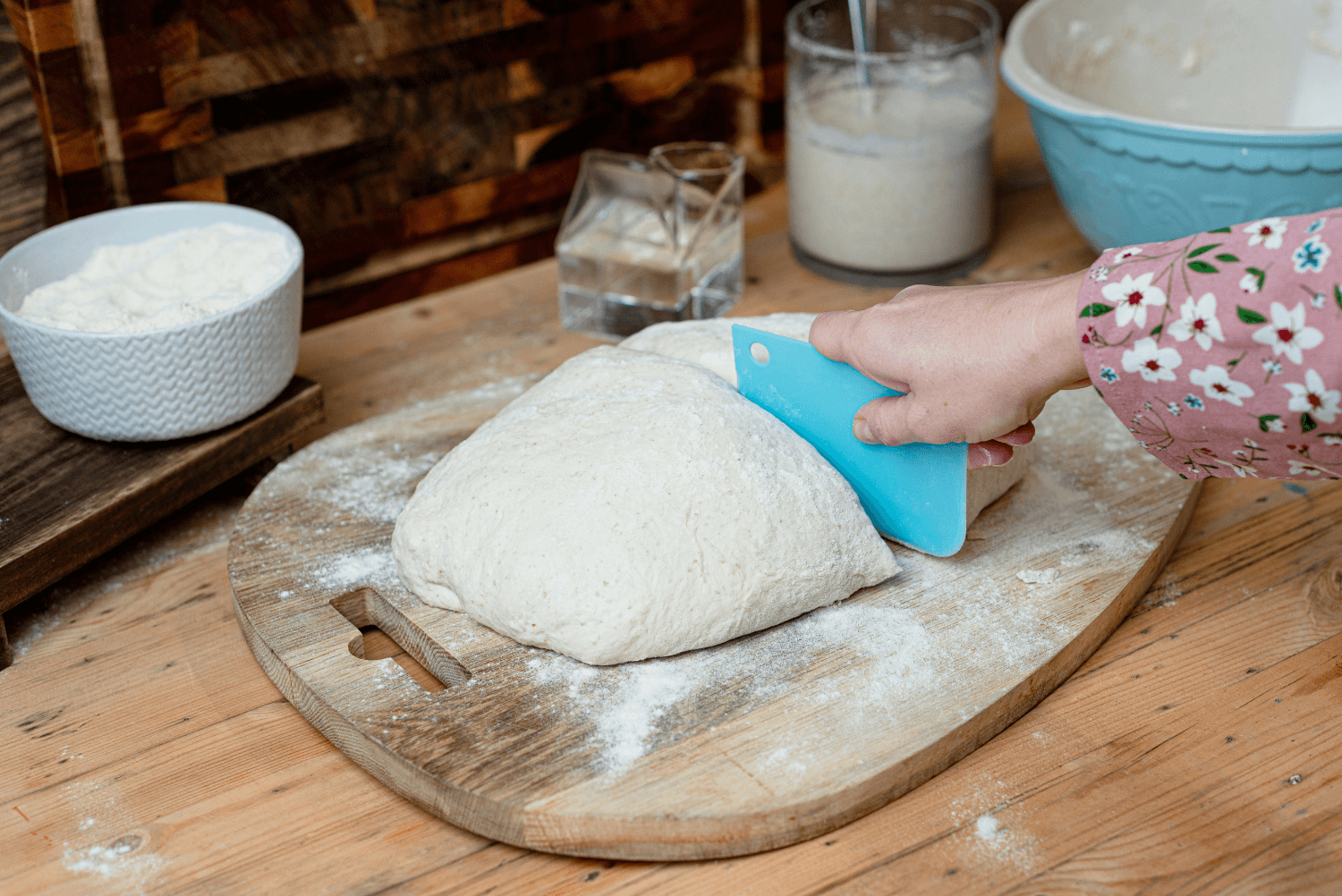
- Dough Scraper: Both plastic and metal versions are useful:
– Plastic for bowl scraping ($5-10).
– Metal Bench Scraper for cutting and shaping ($10-15).
Both types of scrapers are vital sourdough baking equipment for working with sticky dough and managing your dough’s consistency.
Proofing and Shaping
- Banneton Baskets: Invest in 9-inch round or oval bannetons with a liner. Start with one shape and expand your collection as you grow in your sourdough journey. These baskets are critical sourdough baking equipment that help shape your dough during proofing. Price range: $15-25 each.
- Kitchen Towels: Lint-free cotton towels are ideal for covering dough. It’s a good idea to get several for different stages of your baking process. Cost: $10-20 for a set.
- Proofing Container: A large plastic container with a lid is essential for bulk fermentation, helping to maintain a stable environment for your dough. This is another key piece of sourdough baking equipment. Budget: $15-30.
Baking
- Dutch Oven: The most crucial investment in sourdough baking equipment. A 5-7 quart cast iron Dutch oven creates the perfect baking environment, allowing your loaves to rise beautifully while retaining moisture. Price range: $50-300.
- Bread Lame: A bread lame is used for scoring your loaves before baking, ensuring they expand properly in the oven. Basic models start at $10, while more artistic versions can go up to $40. This tool is a valuable addition to your sourdough baking equipment.
- Cooling Rack: Essential for proper crust development, allowing your bread to cool evenly after baking. Basic wire racks cost $10-20 and are a must-have in your sourdough baking equipment.
Advanced Equipment (Nice-to-Have)
For Serious Bakers
- Stand Mixer: While not traditional, a stand mixer can be helpful for larger batches of dough. This can make your sourdough baking experience more efficient and enjoyable. Investment: $200-500.
- Grain Mill: For those looking to take their baking to the next level, a grain mill allows you to mill your own flour. Freshly milled flour can significantly improve the taste and texture of your sourdough. Price range: $200-600.
- Proofing Chamber: A temperature-controlled environment for optimal dough proofing. You can find DIY solutions or professional units ranging from $100-300.
For Improved Results
- Spray Bottle: A spray bottle for adding steam into your baking environment can help achieve that perfect crust. Cost: $5-10.
- Temperature Probe: An instant-read thermometer is invaluable for checking the temperature of both water and dough, ensuring you are within the ideal range for fermentation. Budget: $20-50.
- Bread Knife: A serrated knife is essential for slicing your freshly baked bread cleanly. This is a worthy investment in your sourdough baking equipment for perfect slices every time. Investment: $30-100.
Understanding Sourdough Baking
The Science Behind Sourdough
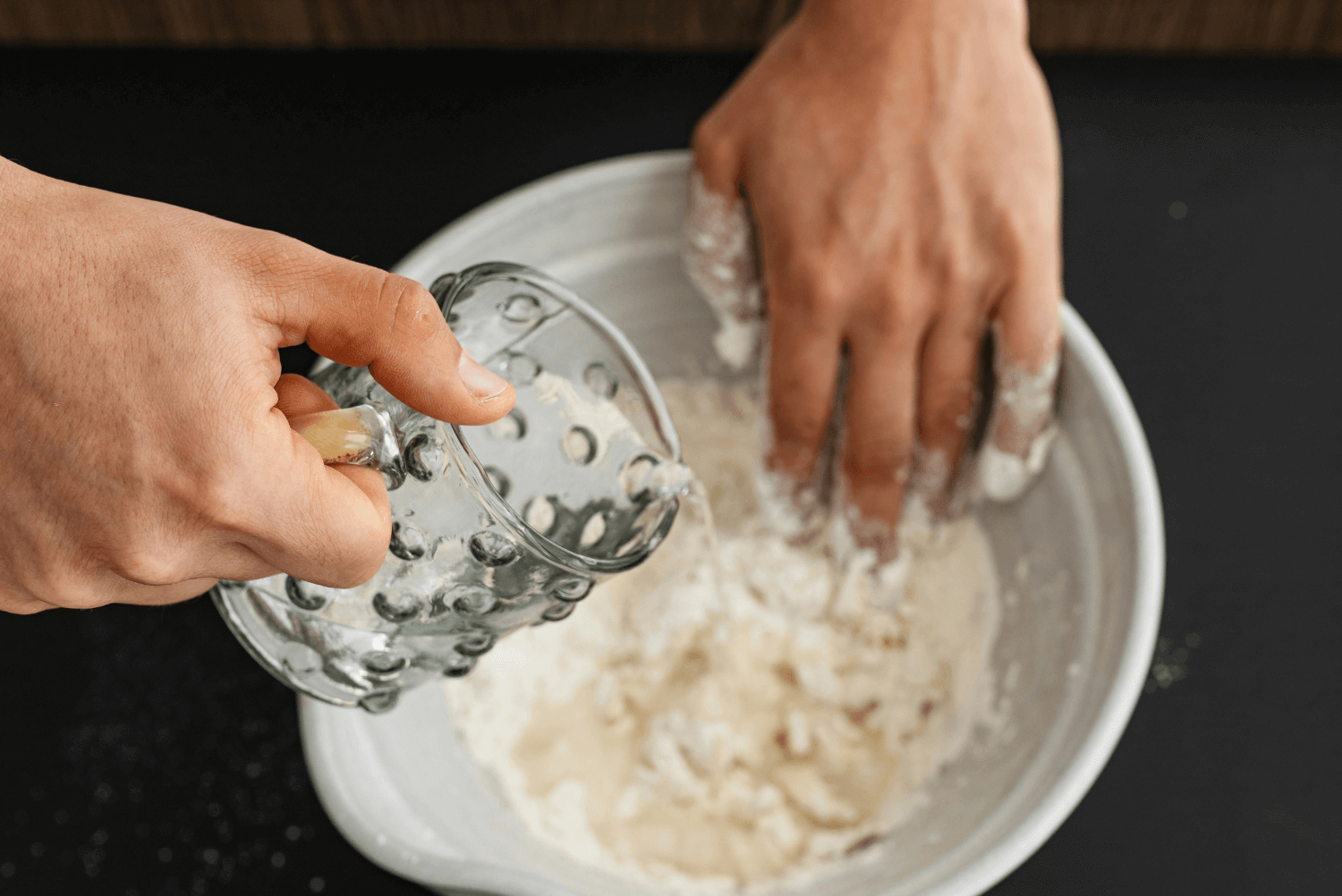
Before we dive into the equipment, let’s take a moment to understand the science behind sourdough. Sourdough is a naturally fermented dough made from a starter culture of flour and water. This starter contains wild yeasts and lactobacilli bacteria that work together to leaven the dough, give it its tangy flavour, and improve its digestibility.
As the starter ferments, the yeasts consume sugars in the flour, producing carbon dioxide gas, which creates delightful air pockets in the bread. The lactobacilli bacteria, on the other hand, produce lactic acid, giving the bread its distinctive sour flavour.
Furthermore, the fermentation process in sourdough not only enhances the flavour and texture of the bread but also contributes to its extended shelf life. The complex interactions between the microorganisms present in the starter culture result in a bread that is not only delicious but also easier to digest compared to commercially yeasted bread.
The Art of Sourdough Baking
Sourdough baking is not just a science; it is also an art. The way you handle the dough, the techniques you use, and the attention to detail all play a crucial role in achieving the perfect loaf. The temperature and humidity of your kitchen, the type of flour you use, and even the time of day you bake can all influence the final outcome of your sourdough bread.
Moreover, the art of sourdough baking extends beyond the technical aspects to encompass a deep connection with tradition and history. Bakers around the world have been perfecting their sourdough recipes for generations, passing down their knowledge and techniques to create bread that not only nourishes the body but also feeds the soul.
Maintaining Your Sourdough Baking Equipment
When it comes to sourdough baking, the care and maintenance of your equipment play a crucial role in the quality of your bread. In addition to cleaning and storing your tools properly, it’s essential to understand how different materials require specific care to prolong their lifespan.
Cleaning and Storing Your Tools
After each baking session, taking the time to clean your sourdough baking equipment not only ensures food safety but also helps prevent any unwanted flavours from lingering in your bread. While most tools can be easily cleaned with warm soapy water, it’s important to pay special attention to items like banneton baskets, which should be thoroughly dried before storage to prevent the growth of mould.
For wooden tools such as dough scrapers and bread peels, a gentle hand wash with mild soap is recommended. To maintain the integrity of the wood, avoid soaking these tools and instead wipe them clean with a damp cloth. Once cleaned, allow the wooden tools to air dry completely before storing them in a well-ventilated area.
Replacing and Upgrading Equipment
As you continue your sourdough baking journey, you may notice signs of wear and tear on your equipment. Regularly inspecting your tools for any damage or deterioration is key to ensuring consistent results in your baking. When it’s time to replace items such as proofing baskets or lame blades, consider investing in higher-quality options that will withstand the test of time.
Upgrading certain pieces of equipment can also enhance your baking experience. Investing in a cast-iron Dutch oven for baking your loaves can help achieve a professional-level crust and crumb texture. Similarly, upgrading to a digital scale with precision measurements can make a significant difference in the accuracy of your ingredient ratios, leading to more consistent and delicious sourdough bread.
Making the Most of Your Sourdough Baking Equipment
Techniques for Better Sourdough Baking
Having all the right equipment is just the beginning. To truly make the most of your sourdough baking journey, it’s important to continuously improve your techniques. Experiment with different hydration levels, fermentation times, and shaping methods to understand how each factor affects the final result. Practice and patience will help you master the art of sourdough baking.
One key technique to enhance your sourdough baking skills is to pay attention to the temperature of your dough during the fermentation process. The ambient temperature plays a crucial role in the development of flavour and texture in your sourdough bread. By using a thermometer to monitor the temperature of your dough, you can make adjustments to ensure optimal fermentation conditions, resulting in a more flavourful and well-structured loaf.
Troubleshooting Common Issues
Even with the best equipment and techniques, bumps in the road are bound to happen. From flat loaves to dense crumbs, sourdough baking can present various challenges. Understanding common issues and their potential causes will empower you to troubleshoot and improve your bread-baking skills. Keep a journal of your baking experiments to track what works and what needs adjustment.
Another common issue that sourdough bakers face is over-proofing or under-proofing their dough. Proofing is the final rise before baking, and getting it right is crucial for achieving that perfect crumb structure and oven spring. Factors such as room temperature, dough consistency, and fermentation time all play a role in the proofing process. By learning to recognise the signs of properly proofed dough, such as a slight jiggle and a fingerprint that springs back slowly, you can avoid the disappointment of flat loaves and instead enjoy beautifully risen bread.
With the right equipment, knowledge, and practice, you’ll be well on your way to creating beautiful, flavour-packed sourdough loaves that will impress both yourself and others. The journey of sourdough baking is a delightful one, filled with experimentation, learning, and the joy of sharing your delicious creations with loved ones.
For more bread-making adventures, check out our guide on how to make bread without yeast. Click here to explore a unique, yeast-free approach to bread making. Happy baking!

About the Author
Kaylene Grieve, a passionate baker and culinary educator, carries on a rich family legacy in the world of pastries and confections that began with her grandfather’s successful bakery. With over two decades of experience in business and marketing, Kaylene combines her baking heritage with digital expertise as the founder of Bake Batter & Beyond. This comprehensive baking resource reflects her mission to make the joy and science of baking accessible to all.
Dedicated to empowering both novice and experienced bakers, Kaylene’s website offers practical knowledge and tools including measurement converters, substitution guides, troubleshooting tips, and baking rescue techniques. Her special focus on the intricate world of cake making, coupled with her unique blend of family tradition and modern savvy, has established Kaylene as a trusted voice in the baking community.
0 Comments