
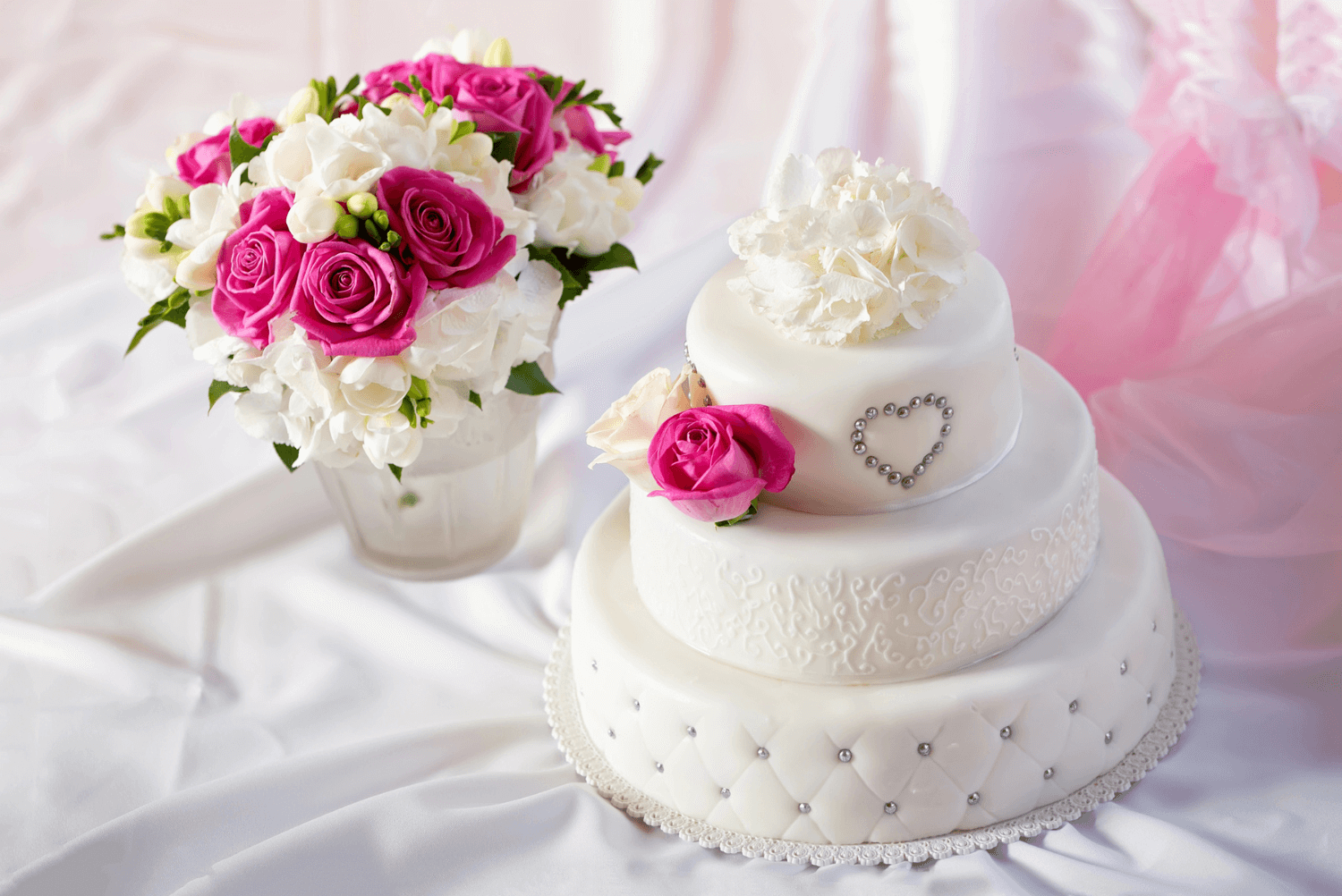
Creating stunning floral decorations for cakes is an art that combines creativity with technical skill. Whether you’re a home baker or an aspiring professional, mastering the art of flowers for cake decorating can transform your creations from simple desserts into breathtaking centerpieces.
Types of Flowers for Cake Decorating
Edible Flowers
- Fresh edible flowers (roses, violets, lavender)
- Crystallized flowers
- Pressed edible flowers
Sugar Flowers
- Fondant flowers
- Gum paste flowers
- Buttercream flowers
- Royal icing flowers
Essential Techniques and Materials
Basic Tools Needed
- Flower cutters
- Petal dust
- Wire and tape (for sugar flowers)
- Modeling tools
- Foam pad
- Drying rack
Keep reading as we dive deeper to discover more about the enchanting world of flowers for cake decorating!
Understanding the Art of Floral Cake Decoration
Floral cake decoration is an intricate and beautiful art form that elevates the presentation of any cake. It requires not only skill but also a keen eye for detail and a touch of creativity. From selecting the perfect flowers to arranging them in a way that enhances the cake’s aesthetic appeal, floral cake decoration is a delightful combination of artistry and culinary craftsmanship.
As you delve into the world of floral cake decoration, you will discover the endless possibilities that come with choosing the right flowers. The selection process goes beyond mere aesthetics; it involves ensuring that the flowers are not only visually appealing but also safe for consumption. Edible flowers are a popular choice for cake decoration, adding a touch of natural beauty and flavour to the dessert.
The Importance of Choosing the Right Flowers
When it comes to selecting flowers for cake decorating, it is crucial to choose flowers that are safe for consumption and appropriate for the theme of the cake. Edible flowers are the most commonly used for cake decoration.
Colour harmony, texture balance, and proportion are key elements that contribute to the overall visual impact of a floral cake. By carefully considering the colour palette, the size and shape of the flowers, and their arrangement on the cake, you can create a harmonious and visually stunning masterpiece. Remember, in floral cake design, less is often more; a strategically placed flower can speak volumes and enhance the beauty of the entire creation.
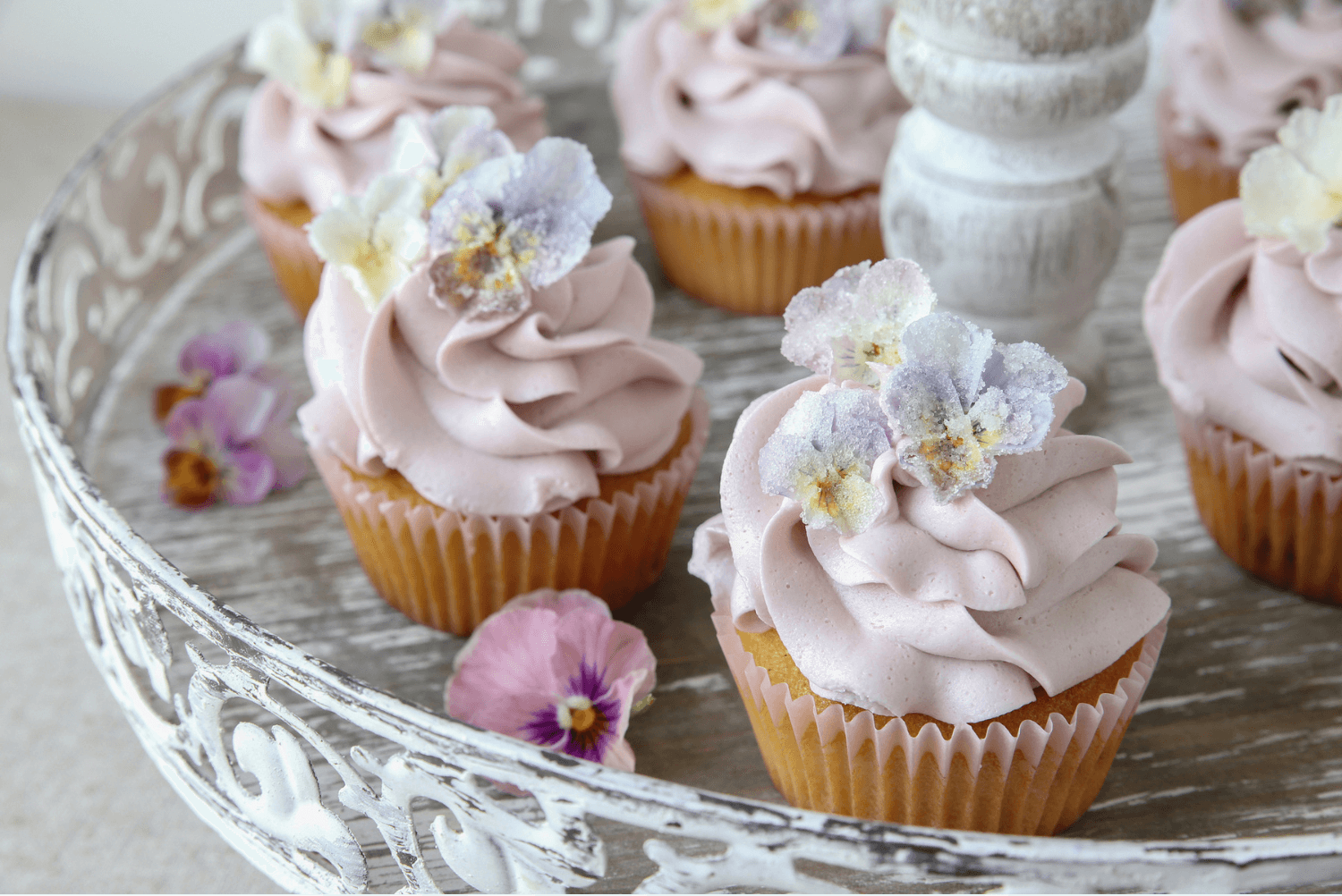
Edible Flowers for Cake Decorating
Edible flowers are a popular choice for cake decorating as they not only add beauty but can also be eaten. There are numerous edible flowers available, each with its own unique flavour and appearance. Here are some popular edible flowers and how they can be used in cake decoration:
Popular Edible Flowers and Their Uses
- Roses: Rose petals can be used to create a romantic and elegant look. They can be used as individual petals or as a whole flower. They have a delicate flavour and pair well with flavours like vanilla and chocolate. Roses are not only visually stunning but also symbolise love and passion, making them a perfect choice for wedding cakes or anniversary celebrations.
- Violets: Violets have a pleasant floral taste and are often used to decorate cupcakes and pastries. They come in various colours and can add a pop of colour to your cake. Violets have been used in culinary arts for centuries and are known for their calming properties. Adding violets to your cake can create a sense of tranquillity and elegance.
- Lavender: Lavender flowers have a distinct aroma and flavour. They can be used to infuse a subtle floral taste into icing or cake layers. Be cautious when using lavender as it can easily overpower other flavours. Lavender is not only beautiful but also known for its calming and soothing properties. Incorporating lavender into your cake can create a sense of relaxation and serenity.
- Calendula: Calendula petals have a spicy and slightly bitter taste. They are perfect for adding a touch of yellow or orange to your cake design. Calendula flowers have been used in traditional medicine for their healing properties. By incorporating calendula into your cake, you not only add a burst of colour but also a touch of ancient wisdom and natural healing.
- Nasturtiums: Nasturtium flowers are vibrant and have a peppery taste. They can be used as edible garnishments or even as part of the cake design itself. Nasturtiums are not only visually striking but also packed with nutrients. Adding nasturtiums to your cake not only enhances its appearance but also provides a healthy and flavourful twist.
Safety Precautions When Using Edible Flowers
While edible flowers can enhance the visual appeal of a cake, it’s important to exercise caution when using them. Not all flowers are safe to consume, and some may cause allergic reactions. It is vital to only use flowers that are specifically labelled as edible and obtained from reputable sources. Additionally, it’s important to thoroughly wash and remove any pesticides or other contaminants from the flowers before using them.
Furthermore, it is crucial to consider the preferences and dietary restrictions of your guests. Some individuals may have allergies or sensitivities to certain flowers, so it’s always a good idea to provide a detailed ingredient list for your cake. By being mindful of safety precautions and the needs of your guests, you can create a visually stunning and delicious cake that everyone can enjoy.
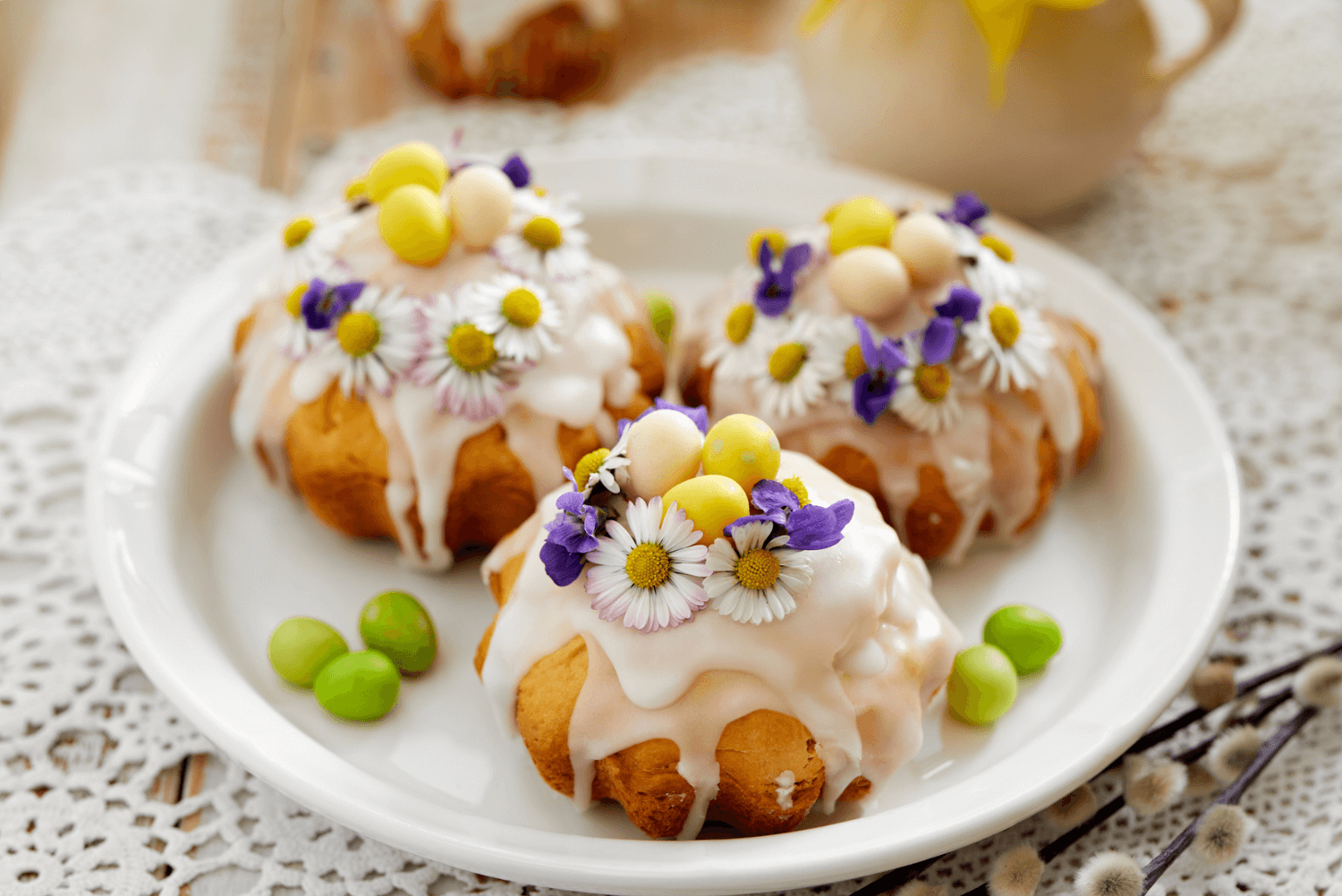
Non-Edible Flowers for Cake Decorating
Non-edible flowers can also be used for cake decorating to create stunning and unique designs. These flowers are not meant to be consumed but are solely used for aesthetic purposes. When using non-edible flowers, it is important to choose ones that are safe, clean, and appropriate for cake decoration.
Choosing the Right Non-Edible Flowers
When selecting non-edible flowers for cake decorating, avoid flowers that are toxic or have been treated with pesticides or other chemicals. Opt for organic flowers or those specifically grown for decorative purposes. Flowers such as peonies, and sunflowers are popular choices for non-edible cake decoration.
Tips for Incorporating Non-Edible Flowers in Cake Design
When using non-edible flowers, it is crucial to prevent direct contact between the flowers and the cake. Create a barrier by placing a piece of wax paper or a food-safe flower holder between the flowers and the cake. This will ensure that the flowers do not contaminate the cake and that any moisture from the flowers does not affect the cake’s texture.
Techniques for Applying Flowers to Cakes
Applying flowers to cakes requires careful preparation and technique to achieve a flawless result. Here are some techniques to consider:
Preparing Flowers for Cake Decoration
Before using flowers on a cake, it is important to prepare them properly. Remove any unwanted parts of the flower, such as stems, thorns, or leaves. Gently wash the flowers to remove any dirt and pat them dry. Cut the stems to an appropriate length, keeping in mind that the flowers should not touch the cake directly.
Techniques for Arranging Flowers on Cakes
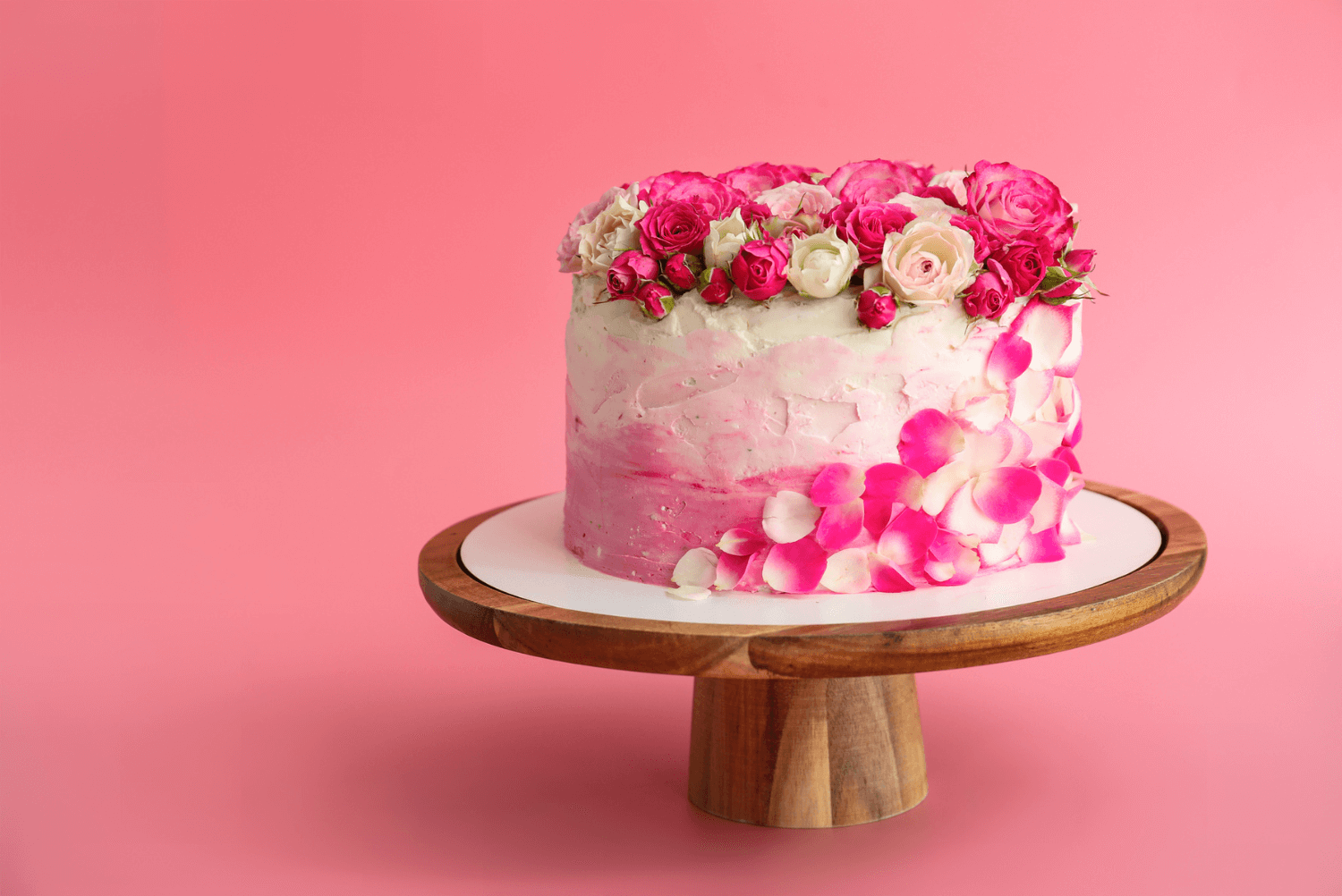
When arranging flowers on a cake, there are several methods you can use. One approach is to create a flower cascade by placing larger flowers at the top and smaller flowers cascading down the sides of the cake. You can also create a focal point by grouping flowers at the centre or one side of the cake. Alternatively, you can scatter edible individual flowers or petals across the cake for a whimsical effect. Experiment with different arrangements until you find a design that complements your cake.
Preserving Your Floral Cake Decorations
Once your cake is decorated with flowers, it’s important to take steps to preserve its freshness and appearance. Here are some best practices for storing decorated cakes:
Best Practices for Storing Decorated Cakes
- Refrigeration: If your cake has perishable fillings or frostings, it should be stored in the refrigerator. However, be cautious when refrigerating flowers as they may wilt or become discoloured.
- Covering: To protect the cake from drying out, cover it with a cake dome or wrap it tightly with plastic wrap. Avoid direct contact between the flowers and the covering material to prevent damage.
- Avoiding Moisture: Excess moisture can cause flowers to wilt or lose their colour. Keep your cake in a cool, dry place to maintain the beauty of the floral decorations.
How to Keep Your Floral Decorations Fresh Longer
To keep your floral decorations looking fresh for as long as possible, consider these tips:
- Time the Decoration: If possible, decorate the cake with flowers shortly before serving to prevent wilting.
- Mist the Flowers: Lightly mist the flowers with water to keep them hydrated. Be careful not to oversaturate them, as this can cause the petals to become limp.
- Remove Flowers Before Serving: Before serving the cake, it is advisable to remove the flowers to prevent any potential contamination from the flowers themselves.
In conclusion, floral cake decoration is an art that requires creativity, skill, and knowledge of which flowers are suitable for the task. Edible flowers offer a range of flavours and colours, while non-edible flowers provide a unique aesthetic. By following proper techniques and taking precautions, you can create stunning floral cake designs that are both visually appealing and safe to enjoy. Remember to consider the principles of floral cake design, prepare the flowers correctly, and preserve their freshness to ensure the best results. Now, let your creativity blossom and transform your cakes into works of art with the best flowers for cake decorating!
Ready to elevate your cake decorating skills with beautiful blooms? Visit Bake Batter and Beyond for more creative cake decorating ideas and inspiration!

About the Author
Kaylene Grieve, a passionate baker and culinary educator, carries on a rich family legacy in the world of pastries and confections that began with her grandfather’s successful bakery. With over two decades of experience in business and marketing, Kaylene combines her baking heritage with digital expertise as the founder of Bake Batter & Beyond. This comprehensive baking resource reflects her mission to make the joy and science of baking accessible to all.
Dedicated to empowering both novice and experienced bakers, Kaylene’s website offers practical knowledge and tools including measurement converters, substitution guides, troubleshooting tips, and baking rescue techniques. Her special focus on the intricate world of cake making, coupled with her unique blend of family tradition and modern savvy, has established Kaylene as a trusted voice in the baking community.
0 Comments