
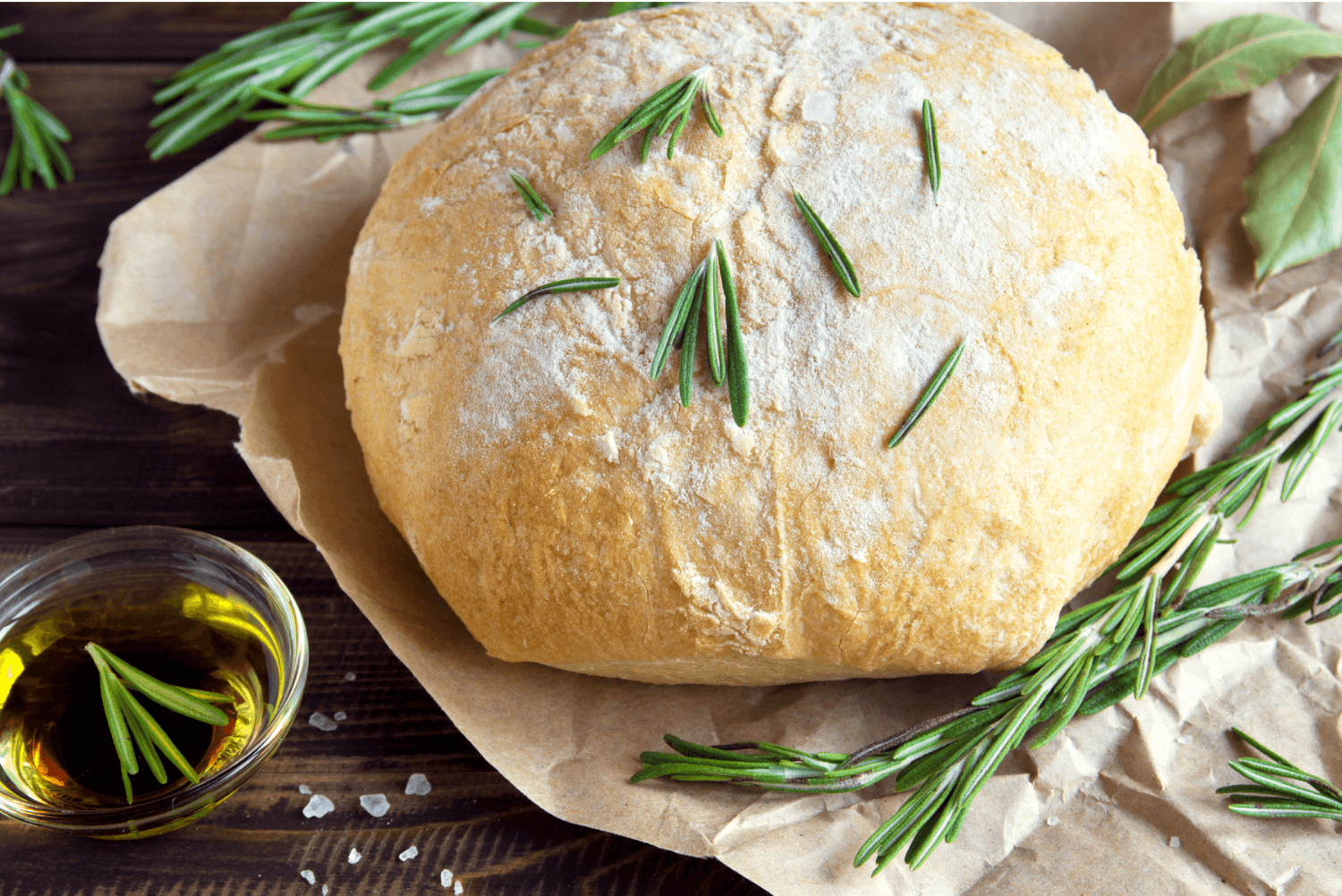
Making delicious Italian bread doesn’t always require starting from scratch. If you have pizza dough on hand, you’re already halfway to creating a beautiful loaf of Italian bread! This simple transformation technique will help you create authentic, crusty Italian bread that rivals your local bakery, all while utilizing the base of making Italian bread from pizza dough.
Why Use Pizza Dough for Italian Bread?
Pizza dough and Italian bread dough share many similar characteristics, making them perfect cousins in the world of baking. Both use basic ingredients like flour, water, yeast, and salt, and both require proper kneading and rising time. The main difference lies in the handling and shaping techniques. By making Italian bread from pizza dough, you can easily adapt your existing recipes and enjoy a delightful variation.
Understanding the Basics of Pizza Dough
Before we dive into making Italian bread from pizza dough, let’s take a closer look at the basics of pizza dough. Pizza dough typically consists of a few simple ingredients that are easily accessible and affordable. These ingredients include flour, yeast, water, salt, and olive oil. Of course, there are variations in recipes, but these core ingredients form the foundation of pizza dough.
Ingredients in Pizza Dough
Let’s break down the role of each ingredient in pizza dough, which plays a crucial part in the process of making Italian bread from pizza dough:
- Flour: The main component of pizza dough, flour provides structure and texture. Different types of flour, such as all-purpose or bread flour, can be used to achieve different results. The protein content in the flour affects gluten development, which in turn influences the dough’s elasticity and chewiness.
- Yeast: This microorganism is responsible for the fermentation process that gives the dough its rise and airy texture. Yeast feeds on the sugars present in the dough, producing carbon dioxide gas as a byproduct. This gas gets trapped in the gluten network, causing the dough to rise, which is essential when making Italian bread from pizza dough.
- Water: Water hydrates the flour and activates the yeast, allowing fermentation to occur. The amount of water used in the dough affects its hydration level, which in turn impacts the final texture of the crust. Too little water can result in a dry and tough crust, while too much can make the dough sticky and difficult to work with.
- Salt: Besides enhancing the flavour, salt also regulates yeast activity and strengthens the gluten in the dough. It helps to control the fermentation process and adds depth to the overall taste of the bread, making it an important ingredient when making Italian bread from pizza dough.
- Olive Oil: Adding olive oil to the dough helps to keep it moist and adds a subtle richness to the final product. It also aids in creating a tender and flavorful crust, contributing to the overall quality of your Italian bread.
By understanding these basic ingredients and their roles, you can successfully transform your pizza dough into a delightful loaf of Italian bread. Whether you’re a seasoned baker or a newcomer to the kitchen, making Italian bread from pizza dough is an enjoyable and rewarding process that will elevate your baking skills and impress your friends and family.
The Science Behind Making Italian Bread from Pizza Dough
When it comes to making Italian bread from pizza dough, understanding the fermentation process is key. During fermentation, yeast consumes the sugars in the dough, producing carbon dioxide gas as a byproduct. This gas gets trapped in the gluten network, causing the dough to rise. The longer the dough is fermented, the more complex and developed the flavours become. Fermentation is a crucial step in making Italian bread from pizza dough as it significantly contributes to the final taste and texture of the baked bread.
What Happens During Fermentation?
So, what exactly happens during the fermentation process? As the yeast consumes the sugars, it releases enzymes that break down complex carbohydrates into simpler sugars. These simpler sugars are then converted into alcohol and carbon dioxide. The carbon dioxide gas gets trapped in the gluten network, creating air pockets that give the dough its light and airy texture. This process is especially important when making Italian bread from pizza dough, as it enhances the bread’s texture and rise.
In addition to the physical changes, fermentation also allows for the development of flavour compounds. The yeast produces various flavour compounds, such as alcohols and organic acids, which contribute to the unique taste of the dough. The longer the dough is left to ferment, the more time these flavour compounds have to develop, resulting in a more flavorful crust. This is particularly true for those experimenting with making Italian bread from pizza dough, as the extended fermentation time can lead to a more robust and enjoyable flavour profile.
Temperature’s Role in Fermentation
It’s important to note that the temperature at which the dough ferments plays a significant role in the outcome. Warmer temperatures speed up the fermentation process, while cooler temperatures slow it down. This is why many pizza dough recipes, and subsequently those for making Italian bread from pizza dough, recommend proofing the dough in a warm place to encourage proper fermentation. Finding the right balance of temperature and fermentation time is essential for achieving the best results when transforming pizza dough into delicious Italian bread.
By understanding the science behind the fermentation process, you can master making Italian bread from pizza dough and enjoy the fruits of your labour with each delicious loaf you create.
Transforming Pizza Dough into Italian Bread
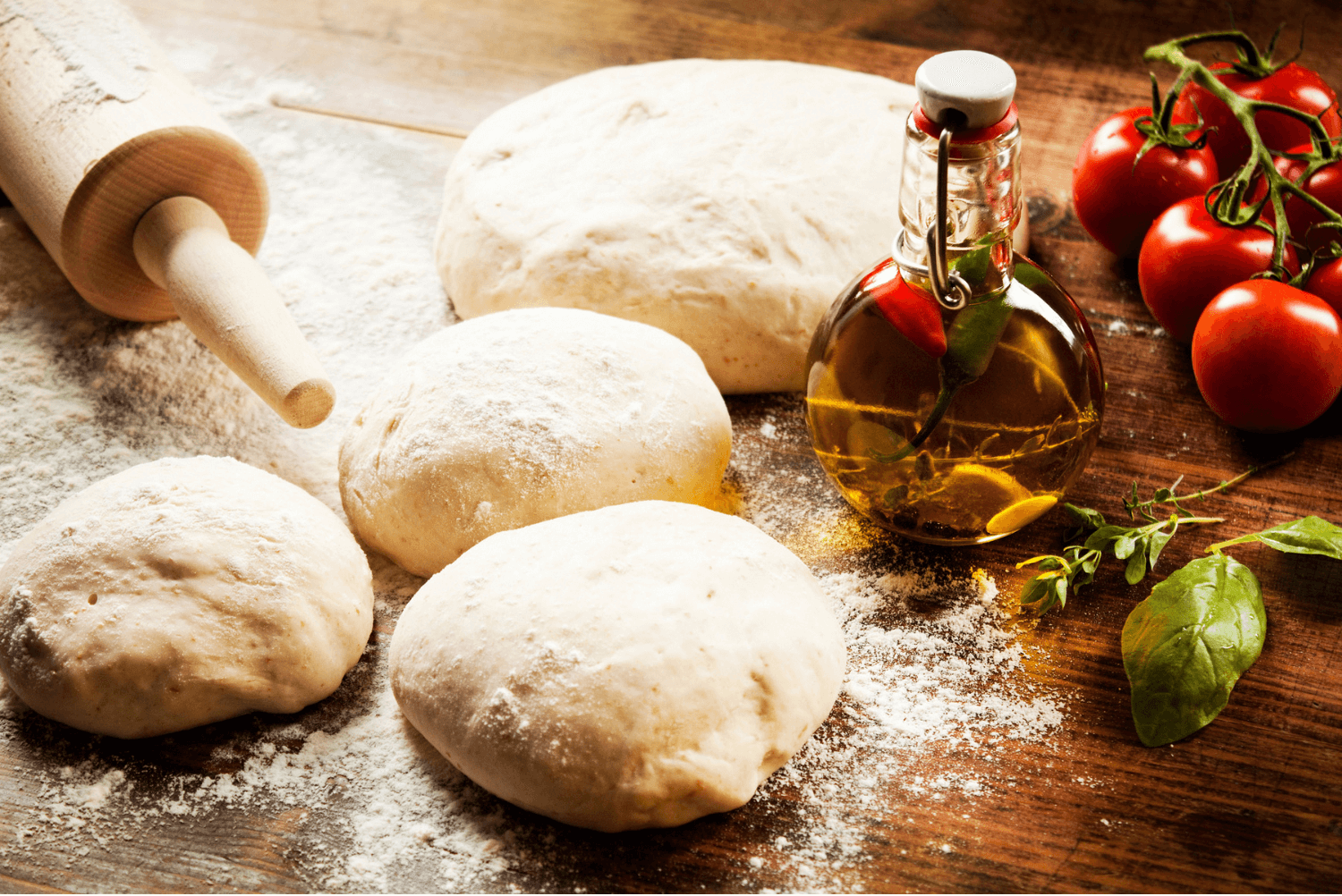
Now that we have a solid understanding of pizza dough, let’s explore the process of making Italian bread from pizza dough. This transformation involves not just the ingredients, but also the shaping and techniques that contribute to the desired texture and appearance of the bread.
The Role of Shaping in Bread Making
Shaping the dough into various Italian bread varieties is both an art and a science. When making Italian bread from pizza dough, the way you shape the dough significantly influences its final characteristics. One popular Italian bread variety is ciabatta. To shape the ciabatta, the dough is stretched and folded multiple times, creating a rustic, irregular shape with an open crumb structure that is both chewy and airy.
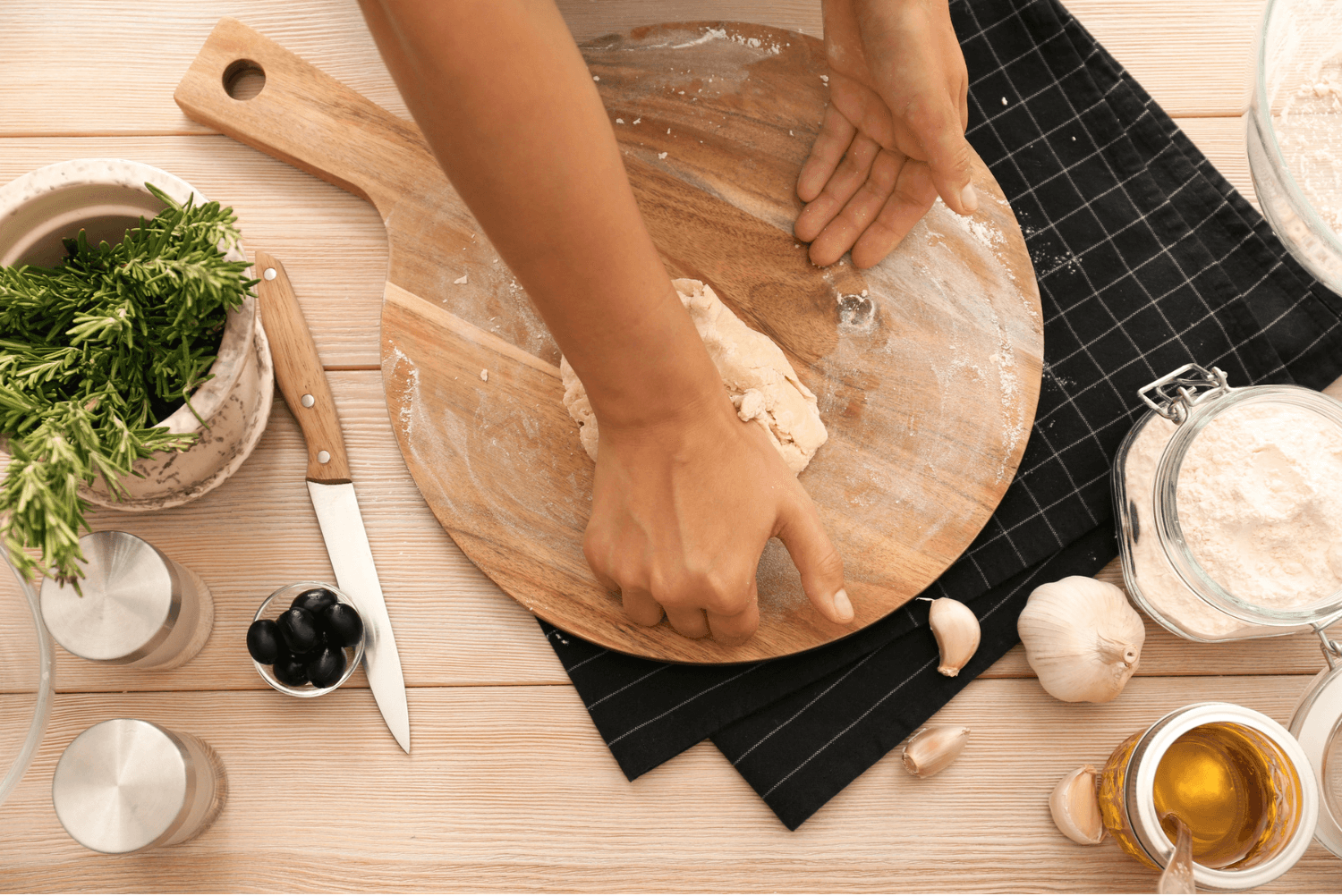
Focaccia, another beloved Italian bread, is typically shaped by pressing and dimpling the dough. This technique creates small pockets that soak up olive oil and seasonings during baking, resulting in a flavorful and aromatic loaf. The distinct texture and flavour of focaccia are a wonderful showcase of making Italian bread from pizza dough.
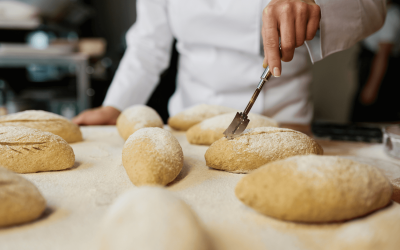
Another important aspect of shaping Italian bread is the use of specialized tools such as bread lames and proofing baskets. Bread lames are razor-sharp blades used to score the dough before baking, allowing for controlled expansion and an aesthetically pleasing appearance. This scoring is crucial in making Italian bread from pizza dough, as it influences how the dough rises in the oven. Proofing baskets, also known as bannetons, help support the dough during its final rise, shaping it into a distinct pattern that adds character to the finished bread.
Embracing the Process
The process of making Italian bread from pizza dough can be a rewarding experience. As you practice different shaping techniques and experiment with various Italian bread recipes, you will not only enhance your baking skills but also gain a deeper appreciation for the craft. Each variety of Italian bread, from ciabatta to focaccia, offers unique flavors and textures that can elevate any meal.
Adjusting Baking Time and Temperature
In addition to shaping the dough, adjusting the baking time and temperature is crucial in achieving the perfect Italian bread. A higher temperature is generally preferred for Italian bread, which helps to create a crisp crust and a soft, chewy interior. However, factors such as oven type and dough hydration can influence the optimal baking time and temperature. Experimentation and diligent observation are key to finding the ideal balance for your specific recipe.
Furthermore, steam injection during the initial stages of baking can enhance crust development by keeping the surface of the bread moist, allowing for better oven spring and a more pronounced crust colour. Some bakers also employ the use of baking stones or steel plates to provide consistent heat distribution, resulting in a more evenly baked loaf. By fine-tuning these variables, you can elevate your Italian bread from a simple dough to a masterpiece of flavour and texture.
Exploring Different Italian Bread Varieties
Italian bread is celebrated for its diverse range of varieties, each boasting unique characteristics and flavours. One versatile way to explore this culinary world is by making Italian bread from pizza dough. Let’s take a closer look at two popular Italian bread varieties that can be made from pizza dough—ciabatta and focaccia.
Ciabatta from Pizza Dough
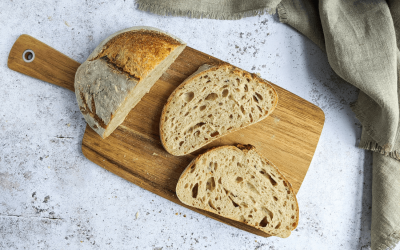
Ciabatta is a classic Italian bread renowned for its elongated shape, airy interior, and crispy crust. Making ciabatta from pizza dough is a delightful process that involves stretching and folding the dough to create irregularly shaped loaves. This technique helps to develop the gluten structure, resulting in a light and fluffy bread with a delicate crumb. The end product is perfect for sandwiches or simply enjoyed with a drizzle of olive oil and balsamic vinegar. When making Italian bread from pizza dough, ciabatta stands out for its simplicity and versatility, making it a staple in many Italian kitchens.
Focaccia from Pizza Dough
Focaccia is another flavorful Italian bread that can be easily made from pizza dough. This bread is often adorned with an array of toppings such as fresh herbs, cheese, or various vegetables, making it a feast for both the eyes and the palate. When making focaccia from pizza dough, the dough is typically pressed into a rectangular shape and dimpled with fingertips, creating small indentations that capture the toppings. These dimples not only hold the toppings in place but also allow the flavours to infuse into the bread during baking. Focaccia can be enjoyed on its own, served as an appetizer, or paired with soups and salads for a satisfying meal. The process of making Italian bread from pizza dough is straightforward, yet the results are incredibly rewarding.
Tips for Storing and Serving Italian Bread
Once you’ve successfully made your Italian bread from pizza dough, it’s essential to know how to store it properly to maintain its freshness and flavour.
Best Practices for Storing Homemade Bread
To store Italian bread, wrap it tightly in plastic wrap or place it in a bread box to prevent it from drying out. Alternatively, you can slice the bread and freeze individual portions for later use. When you’re ready to enjoy the frozen bread, simply thaw it at room temperature or lightly toast it to restore its desirable texture.
Serving Suggestions for Fresh Italian Bread
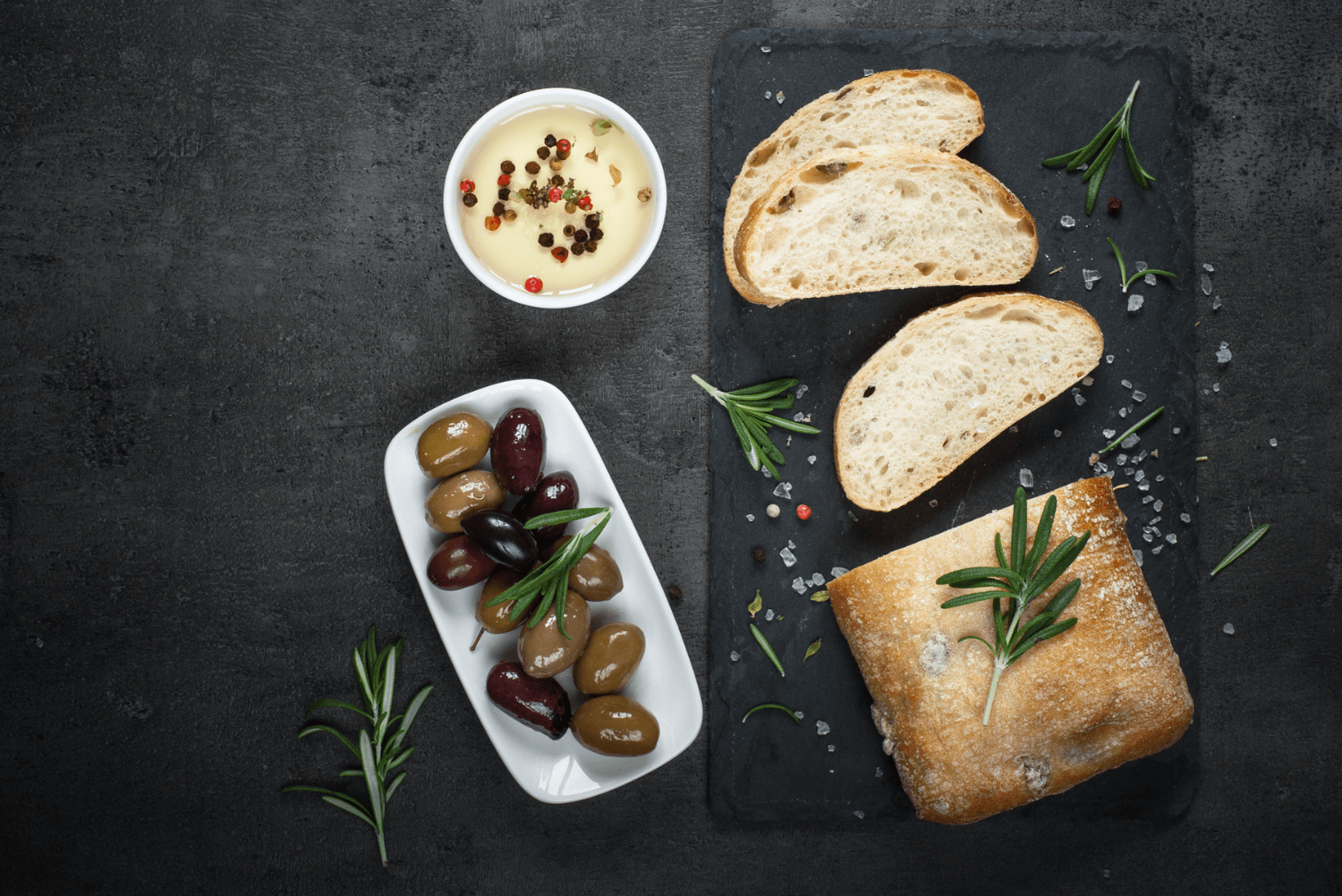
Fresh Italian bread is incredibly versatile and can be served in various ways. Enjoy it alongside a hearty bowl of soup, use it to make sandwiches, or make delicious bruschetta by toasting the bread and topping it with fresh tomatoes, garlic, and basil.
Troubleshooting Common Issues
Although making Italian bread from pizza dough is a relatively straightforward process, it’s not uncommon to encounter some challenges along the way. Let’s address a couple of common issues and how to overcome them.
Dealing with Dense or Heavy Bread
If your Italian bread turns out dense or heavy, it may be due to insufficient rising time or improper kneading. Ensure that you allow the dough to rise adequately before baking, giving the yeast enough time to do its work. Additionally, knead the dough thoroughly to develop the gluten network properly, which contributes to a light and airy texture.
Preventing a Soggy Bottom in Your Bread
A soggy bottom is a dreaded outcome when baking bread. One way to prevent this is by using a baking stone or preheated baking sheet. The hot surface helps to create a crisp bottom crust. Additionally, make sure the bread is thoroughly baked by checking for a hollow sound when tapping the bottom of the loaf.
With some basic knowledge of pizza dough and a few techniques, you can transform it into delicious Italian bread. From understanding the science behind dough fermentation to exploring different Italian bread varieties, the possibilities are endless. Remember to follow the shaping tips, adjust the baking time and temperature accordingly, and enjoy the fruits of your labour with proper storage and serving methods. Troubleshoot any issues along the way, and soon you’ll be savouring your homemade Italian bread with confidence and delight.
Get creative and add your favourite Italian-inspired toppings to make it uniquely yours!
For more tips and tricks on bread making, visit Bake Batter and Beyond. Let’s make bread baking fun and flavourful together!

About the Author
Kaylene Grieve, a passionate baker and culinary educator, carries on a rich family legacy in the world of pastries and confections that began with her grandfather’s successful bakery. With over two decades of experience in business and marketing, Kaylene combines her baking heritage with digital expertise as the founder of Bake Batter & Beyond. This comprehensive baking resource reflects her mission to make the joy and science of baking accessible to all.
Dedicated to empowering both novice and experienced bakers, Kaylene’s website offers practical knowledge and tools including measurement converters, substitution guides, troubleshooting tips, and baking rescue techniques. Her special focus on the intricate world of cake making, coupled with her unique blend of family tradition and modern savvy, has established Kaylene as a trusted voice in the baking community.
0 Comments