
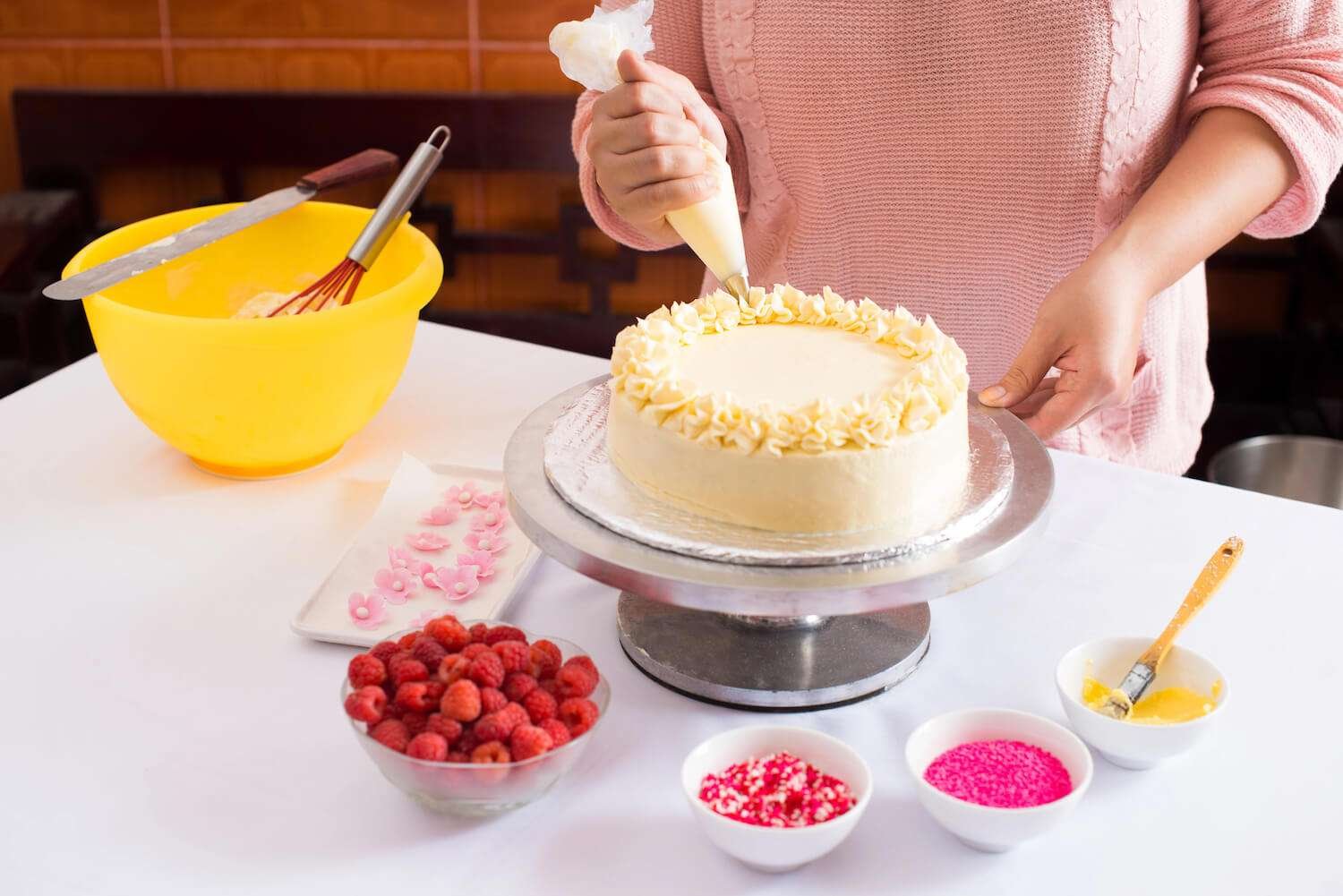
Cake decorating is a fun and creative skill that can take your baking to the next level.
This article will provide you with the top cake decorating tips for beginners to get started. From understanding the basics to mastering advanced techniques, we’ll cover everything you need to know to create beautiful and eye-catching designs. So, let’s dive in!
Understanding the Basics of Cake Decorating
Before you begin decorating your cakes, it’s important to have a solid understanding of the basics. This includes knowing what ingredients to use and having the essential tools on hand.
When it comes to cake decorating, attention to detail is key. From the type of flour, you use to the temperature of your ingredients, every little aspect can impact the final outcome of your creation.
Importance of Good Quality Ingredients
Achieving great results starts with using high-quality ingredients. Fresh eggs, real butter, and pure vanilla extract can make a huge difference in the taste and texture of your cakes. Opt for organic and natural ingredients whenever possible to enhance both the flavour and healthiness of your creations.
Furthermore, exploring different flavour extracts and add-ins can take your cakes to the next level. Whether it’s adding a hint of almond extract to your buttercream frosting or incorporating citrus zest into your cake batter, small additions can elevate the overall taste profile of your creations.
Essential Tools for Cake Decorating
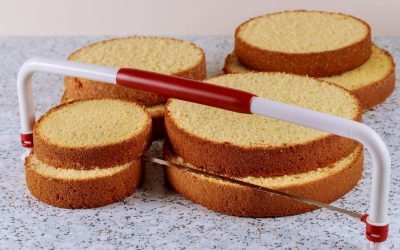
Having the best cake decorating tools can make a world of difference in your cake decorating journey. Invest in a good quality stand mixer, a set of professional-grade piping tips, and a cake turntable to make the process smoother and more enjoyable. Other tools to consider include an offset spatula, a cake leveller, and a piping bag.
Don’t underestimate the power of practice when it comes to using these tools. Familiarising yourself with how each piping tip creates different designs or mastering the art of using an offset spatula for smooth frosting can significantly enhance the overall look of your cakes.
Basic Techniques Every Beginner Should Know
Before you start creating intricate designs, it’s important to master some basic cake decorating techniques. These include properly levelling and stacking cakes, crumb coating to create a smooth surface, and piping borders or simple designs. Practice these techniques until you feel comfortable before moving on to more advanced designs.
Remember, patience is key when it comes to cake decorating. Rome wasn’t built in a day, and neither are beautifully decorated cakes. Take your time to perfect each technique and embrace the learning process along the way.
Mastering the Art of Icing
Icing is an essential component of cake decorating. It provides a beautiful canvas for your designs and adds a delicious layer of sweetness. Let’s explore different types of icing, how to apply them, and how to troubleshoot common icing problems.
Different Types of Icing
There are several types of icing to choose from, each with its own unique properties.
- Buttercream is a classic choice, known for its creamy texture and versatility.
- Fondant is another popular option, offering a smooth and flawless finish.
- Royal icing is frequently used for intricate designs and decorations. Experiment with different types to find your favourite.
- Ganache is a luxurious icing made from chocolate and cream, perfect for creating a rich and glossy finish. It can be poured over cakes for a smooth coating or whipped to create a fluffy texture for piping decorations.
- Cream cheese icing is tangy and creamy, ideal for carrot cakes and red velvet cakes, adding a delicious contrast to the sweetness of the cake.
Applying Icing Like a Pro
When it comes to applying icing, smoothness is key. Start with a crumb-coated cake and apply a thin layer of icing to create a base, then either freeze or refrigerate it so that it is firm for the next coat of icing. Use an offset spatula to spread the icing evenly and work the edges for a clean finish. Remember to keep your workspace clean and use a turntable to make the process easier.
For intricate designs and decorations, piping bags and tips are essential tools for precision. Practice different piping techniques to create borders, flowers, and intricate patterns. The right consistency of icing is crucial for piping, so adjust the thickness by adding more powdered sugar for stiffer icing or a touch of liquid for a softer flow.
Troubleshooting Common Icing Problems
While icing can create stunning finishes, it can also present some challenges. If you find your icing too thick, try adding a small amount of milk or water to thin it out. To prevent air bubbles, tap the cake gently after applying the icing. If your icing starts to dry out, cover it with a damp cloth to keep it moist.
Colour consistency is important when working with icing, especially if you need to create multiple batches for a layered or tiered cake. To ensure uniform colour, measure your food colouring carefully and mix it thoroughly into the icing. If you encounter streaks or uneven colouring, continue mixing until the desired shade is achieved.
Decorating with Fondant
Fondant is a versatile icing that can be rolled and moulded into various shapes and figures. Here’s how to work with fondant and create stunning designs.
When it comes to decorating with fondant, the possibilities are endless. Not only can you cover cakes with a smooth, polished finish, but you can also sculpt intricate details and create edible works of art. Fondant is a favourite among professional bakers and cake decorators for its clean look and ability to hold its shape well.
Rolling and Applying Fondant
To roll fondant, sprinkle powdered sugar on a clean surface and use a rolling pin to achieve the desired thickness. Gently lift the rolled fondant and place it on the cake. Smooth out any wrinkles or air bubbles using a fondant smoother or your hands. Trim any excess fondant using a sharp knife.
As you work with fondant, it’s important to work quickly but carefully. Fondant can dry out fast, so make sure to have all your tools and decorations ready before you start rolling it out. If you find that the fondant is sticking to the rolling pin or surface, lightly dust it with more powdered sugar to prevent it from tearing.
Creating Shapes and Figures with Fondant
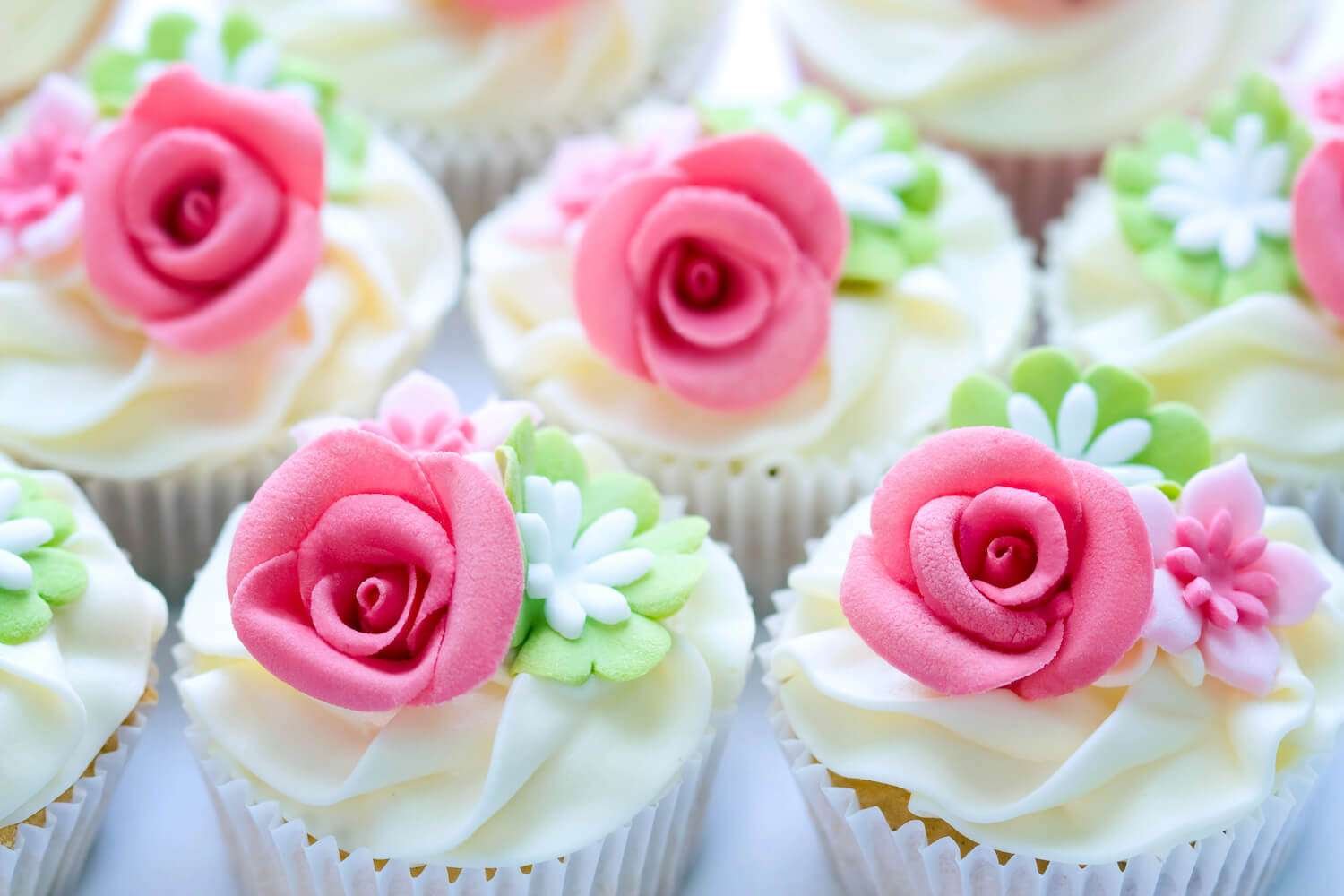
Fondant allows you to create intricate shapes and figures to adorn your cakes. Use fondant cutters in various shapes to create floral, animal, or geometric designs. Experiment with different colours and add details using food colouring or edible dust. Let your imagination run wild!
When creating shapes and figures with fondant, remember to knead it well before shaping to make it pliable and easy to work with. If you’re making small details like flowers or leaves, consider using a modelling tool to add texture and dimension. Don’t be afraid to mix different colours of fondant to achieve unique shades and effects.

Tips for Working with Fondant
Working with fondant requires patience and practice. To prevent fondant from drying out, keep it covered with plastic wrap or in an airtight container. If the fondant becomes sticky, lightly dust it with powdered sugar.
Another tip for working with fondant is to use a non-stick silicone mat or a flexible cutting board to roll out the fondant. This will make it easier to transfer the fondant onto the cake without it tearing or stretching. Additionally, if you’re creating a multi-tiered cake, make sure to stack the tiers before applying the fondant to ensure a seamless finish.
Piping Techniques for Beginners
Piping is a skill that can elevate your cake decorating to new heights. Learn about different piping tips and techniques to create beautiful designs.
Understanding Piping Tips
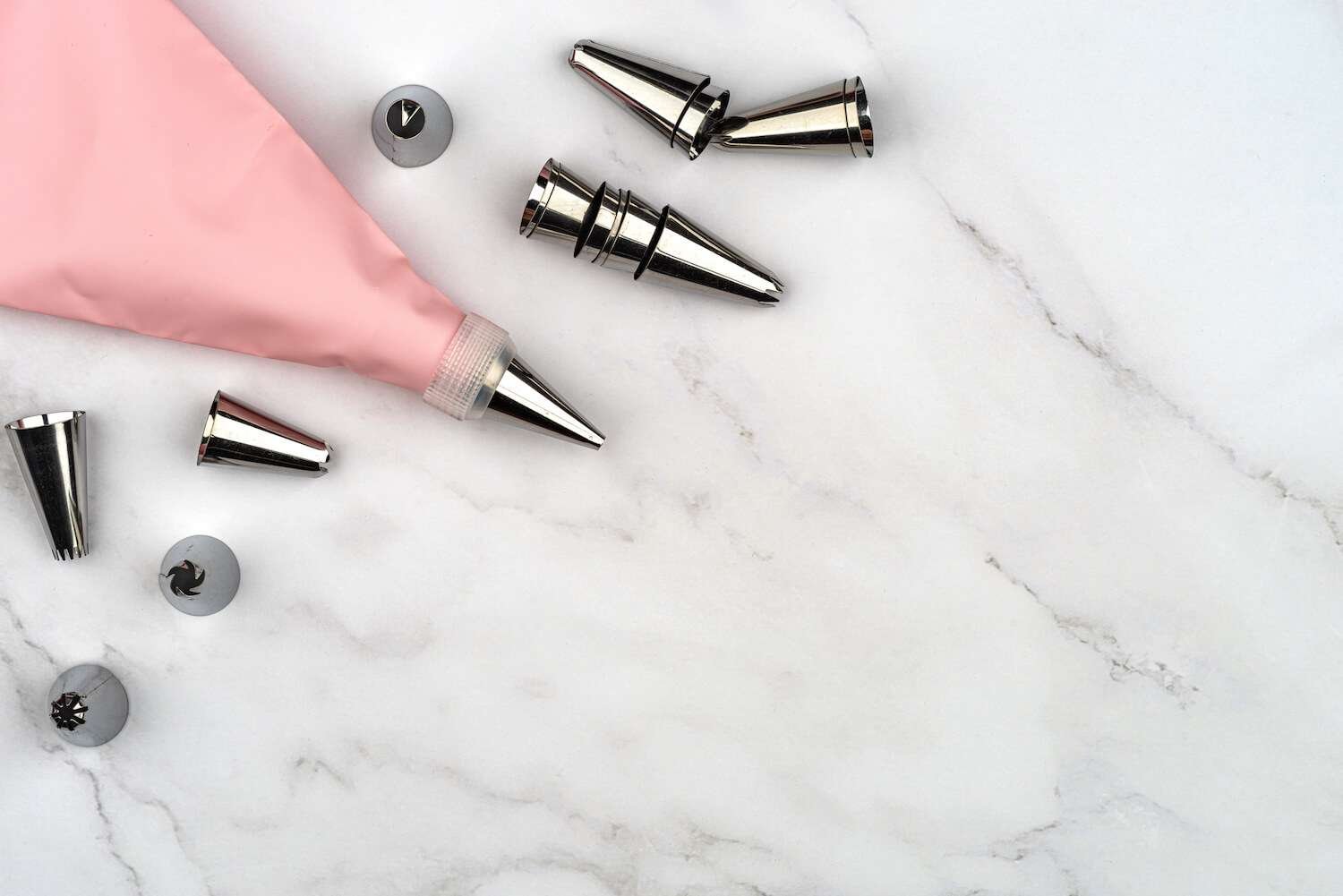
Piping tips come in various shapes and sizes, each yielding a different design. Start with a basic set that includes round, star, and leaf tips. Familiarise yourself with each tip’s characteristics and practice piping simple shapes before moving on to more complex designs.
Basic Piping Techniques
Get started with basic piping techniques such as borders, rosettes, and writing. To pipe borders, hold the piping bag at a 45-degree angle and apply steady pressure as you move along the edge of the cake. Practice creating rosettes by starting in the centre and piping in a circular motion. For writing, use a small round tip and practice piping letters and words.
Advanced Piping Techniques for the Ambitious Beginner
If you’re feeling adventurous, explore more advanced piping techniques such as basketweave, ruffles, and filigree. These techniques require more precision and practice but can result in stunning and intricate designs. Don’t be afraid to challenge yourself and push your creativity.
Cake decorating is a journey that allows you to express your creativity and bring joy to others through beautiful and delicious creations. By understanding the basics, mastering icing techniques, working with fondant, and exploring piping, you’ll be well on your way to becoming a cake decorating pro.
Remember to practice, experiment, and most importantly, have fun along the way.
For more inspiration and step-by-step guides, visit Bake, Batter, and Beyond. Let your baking journey begin today!

About the Author
Kaylene Grieve, a passionate baker and culinary educator, carries on a rich family legacy in the world of pastries and confections that began with her grandfather’s successful bakery. With over two decades of experience in business and marketing, Kaylene combines her baking heritage with digital expertise as the founder of Bake Batter & Beyond. This comprehensive baking resource reflects her mission to make the joy and science of baking accessible to all.
Dedicated to empowering both novice and experienced bakers, Kaylene’s website offers practical knowledge and tools including measurement converters, substitution guides, troubleshooting tips, and baking rescue techniques. Her special focus on the intricate world of cake making, coupled with her unique blend of family tradition and modern savvy, has established Kaylene as a trusted voice in the baking community.

0 Comments