
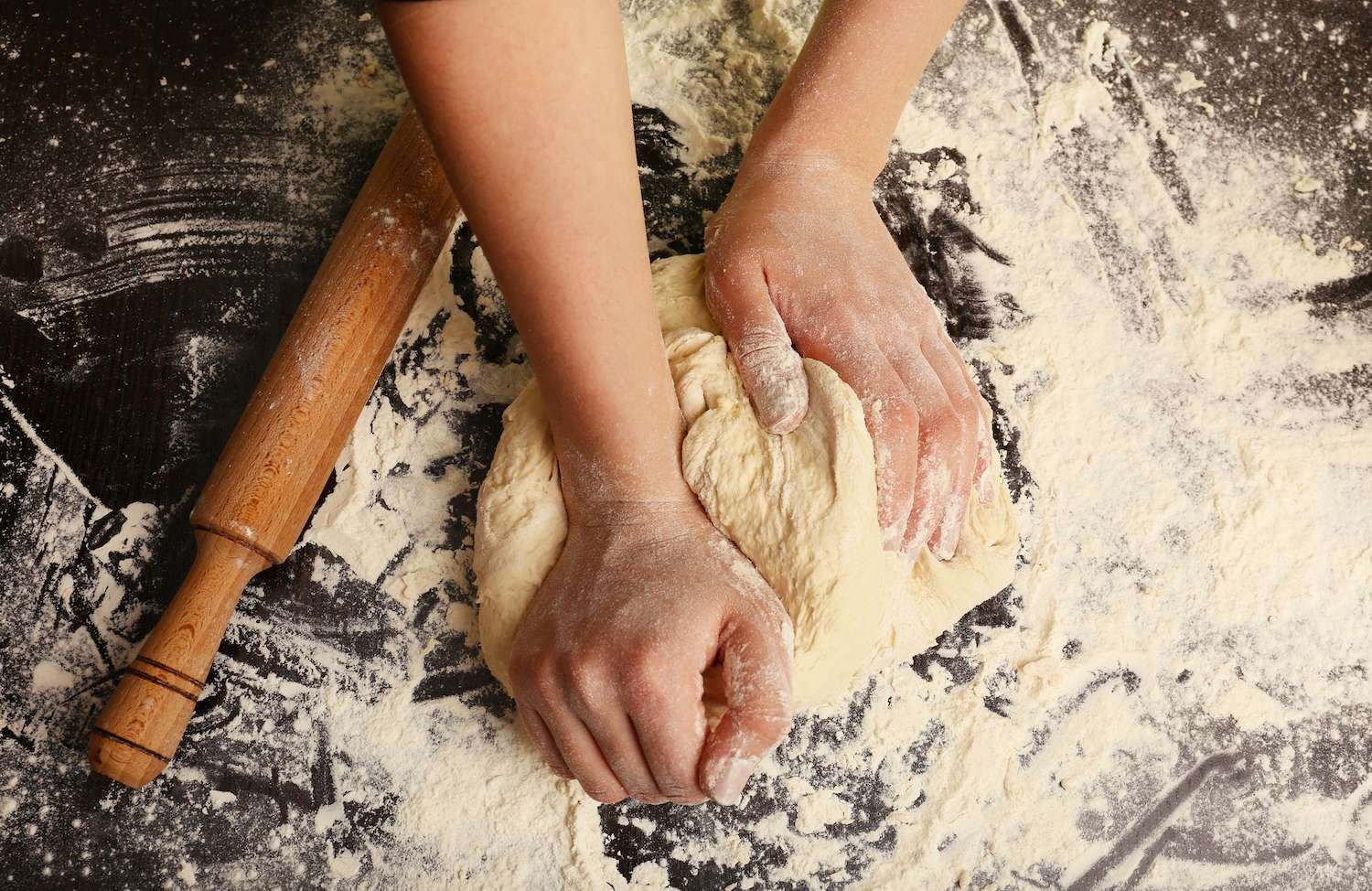
When it comes to baking delicious bread at home or in a commercial setting, having the right bakery equipment for bread is essential. Whether you’re an experienced baker or just starting out, the tools you use can significantly impact the quality and consistency of your loaves. In this blog, we’ll explore the essential bakery equipment for bread, from mixers and ovens to proofing baskets and scoring tools. By investing in the right equipment, you’ll not only enhance your baking process but also elevate the flavor and texture of your finished products.
Understanding the Essentials of Bakery Equipment for Bread
Bakery equipment plays a crucial role in the bread-making process, ensuring that each loaf meets the desired standards. Among the essentials, mixers, ovens, dough dividers and rounders stand out as vital components of any successful bakery.
When setting up a bakery, it’s essential to consider not only the type of equipment needed but also the quality and capacity required to meet customer demands. Investing in high-quality bakery equipment can lead to improved efficiency, consistency in product quality, and ultimately, customer satisfaction.
Essential Equipment Categories
Mixing Equipment
Commercial Mixers
Capacity Requirements:
Select a mixer based on your daily production needs, ensuring it can handle the volume of dough you plan to produce. Consider both peak production times and average daily output to choose a mixer with adequate capacity.
Key Features to Consider:
- Multiple Speed Settings: Allows for versatile mixing speeds, accommodating different types of dough from thick to thin.
- Timer Functionality: Facilitates precise mixing times, ensuring consistency in your products and reducing the risk of over-mixing.
- Bowl Capacity Options: Choose a bowl size that matches your production needs, with larger bowls suitable for bigger batches.
- Spiral vs. Planetary Mixing Action: Spiral mixers are ideal for doughs that require heavy kneading, while planetary mixers are more versatile for lighter batters.
- Power Specifications: Assess the horsepower and motor capacity to ensure efficient mixing, especially for dense doughs.
- Safety Features: Look for guards, automatic shut-off options, and overload protection to enhance workplace safety.
Cost Considerations:
- Entry-Level Commercial: $2,000-$5,000 – Ideal for small bakeries or start-ups.
- Mid-Range Professional: $5,000-$15,000 – Suitable for established bakeries with moderate production needs.
- Industrial Capacity: $15,000+ – Designed for large-scale operations with high-volume production demands.
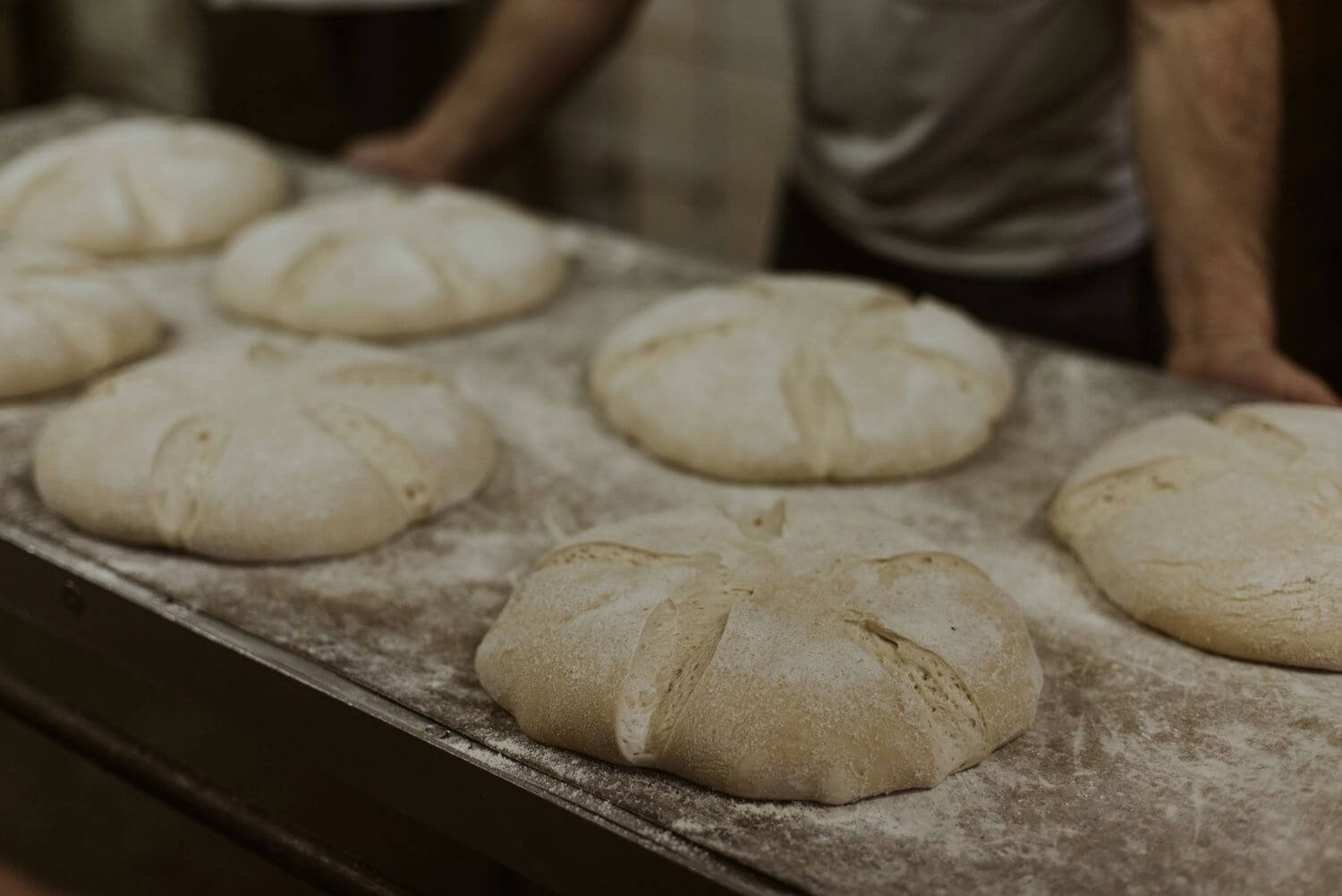
Proofing Equipment
Proofing Cabinets
Essential Features:
- Temperature Control: Ensures consistent fermentation conditions by maintaining optimal temperatures for dough rising.
- Humidity Management: Helps create the ideal moisture levels to prevent crust formation on dough during proofing.
- Multiple Rack Capacity: Accommodates several batches simultaneously, increasing efficiency during peak times.
- Digital Controls: Allows for precise adjustments and monitoring of temperature and humidity settings.
- Energy Efficiency Ratings: Look for cabinets that minimize energy consumption while providing reliable performance.
Space Requirements:
- Standard Width: 24-36 inches – Fits comfortably in most bakery layouts.
- Depth Considerations: 30-40 inches – Ensures accessibility without consuming too much floor space.
- Height Variations: 60-80 inches – Choose based on your workspace and storage needs.
Baking Equipment
Commercial Ovens
Types to Consider:
- Deck Ovens: Ideal for artisan bread, offering even heat distribution for superior crust development.
- Convection Ovens: Feature fans that circulate hot air, promoting even baking and quicker cooking times.
- Steam-Injection Ovens: Essential for achieving crusty, artisan-style loaves by adding steam during baking.
- Rotating Rack Ovens: Maximize space and baking efficiency, allowing for consistent results across multiple trays.
Key Specifications:
- Temperature Range Capabilities: Ensure the oven can reach and maintain the required temperatures for various bread recipes.
- Steam Generation Capacity: A crucial feature for achieving the desired crust texture and moisture retention.
- Number of Decks/Racks: Choose based on production volume and available space.
- Production Capacity per Hour: Evaluate how many loaves the oven can handle to meet your daily output needs.
- Energy Source Options (Gas/Electric): Select an oven that aligns with your bakery’s energy infrastructure and cost considerations.
Preparation Equipment
Work Surfaces
Required Features:
- Heat-Resistant Properties: Essential for areas where hot pans or baking trays will be placed.
- Easy-to-Clean Materials: Non-porous surfaces help maintain hygiene and streamline cleaning processes.
- Appropriate Height: Ensure work surfaces are ergonomic for your staff to minimize strain during long hours.
- Sufficient Workspace Area: Plan for ample space to accommodate rolling, shaping, and preparing dough.
Storage Solutions:
- Ingredient Bins: Keep bulk ingredients organized and easily accessible to streamline the baking process.
- Equipment Racks: Provide a dedicated space for tools and machinery to maximize workflow efficiency.
- Cooling Rack Systems: Essential for proper cooling and airflow around baked goods to preserve quality.
- Pan Storage Options: Choose shelving or storage solutions that accommodate various pan sizes and types to keep your workspace tidy.
Scaling Considerations
Small Operation (Up to 50 loaves/day)
- Essential Equipment Investment: $15,000-$30,000 – Invest in versatile and essential bakery equipment for bread to ensure a functional operation.
- Space Requirement: 200-400 sq ft – A compact space suitable for small batch production.
- Power Requirements: Standard commercial electrical service – Ensure your setup can support your equipment.
Medium Operation (50-200 loaves/day)
- Essential Equipment Investment: $30,000-$100,000 – Expand your equipment options to include more specialized bakery equipment for bread.
- Space Requirement: 400-800 sq ft – Ample space for efficient workflow and production scaling.
- Power Requirements: 3-phase power recommended – Supports higher-capacity equipment for increased production.
Large Operation (200+ loaves/day)
- Essential Equipment Investment: $100,000+ – Significant investment needed for industrial-level bakery equipment for bread and systems.
- Space Requirement: 800+ sq ft – A spacious layout for high-efficiency production lines.
- Power Requirements: 3-phase power mandatory – Essential for running multiple high-capacity machines simultaneously.
Key Factors for Equipment Selection
Production Capacity
- Daily Output Requirements: Assess how many loaves you need to produce to meet customer demand.
- Peak Production Periods: Anticipate busy times, such as holidays or special events, and plan equipment capacity accordingly.
- Growth Projections: Consider potential increases in production needs as your bakery grows.
- Batch Size Flexibility: Look for bakery equipment for bread that can handle varying batch sizes without compromising quality.
Space Optimization
- Equipment Footprint: Evaluate the size and layout of your bakery equipment for bread to maximize usable space in your bakery.
- Workflow Efficiency: Plan equipment placement to create a logical flow from preparation to baking and cooling.
- Storage Requirements: Ensure you have adequate space for both ingredients and finished products to maintain an organized workspace.
- Maintenance Access: Consider accessibility for cleaning and servicing equipment to minimize downtime.
Energy Efficiency
- Operating Costs: Analyze the long-term costs associated with different bakery equipment for bread options.
- Power Consumption Ratings: Select equipment that offers the best balance between performance and energy use.
- Energy-Saving Features: Look for appliances designed to reduce energy consumption, which can lead to cost savings.
- Sustainable Options: Consider environmentally friendly equipment choices that align with your bakery’s values.
Maintenance Requirements
- Daily Cleaning Procedures: Implement routine cleaning to ensure equipment longevity and food safety.
- Preventive Maintenance Schedules: Establish regular check-ups and servicing to keep machinery in optimal condition.
- Part Replacement Frequency: Be aware of common wear-and-tear items that may need replacing over time.
- Service Accessibility: Choose bakery equipment for bread that allows easy access for repairs and maintenance to minimize disruption to production.
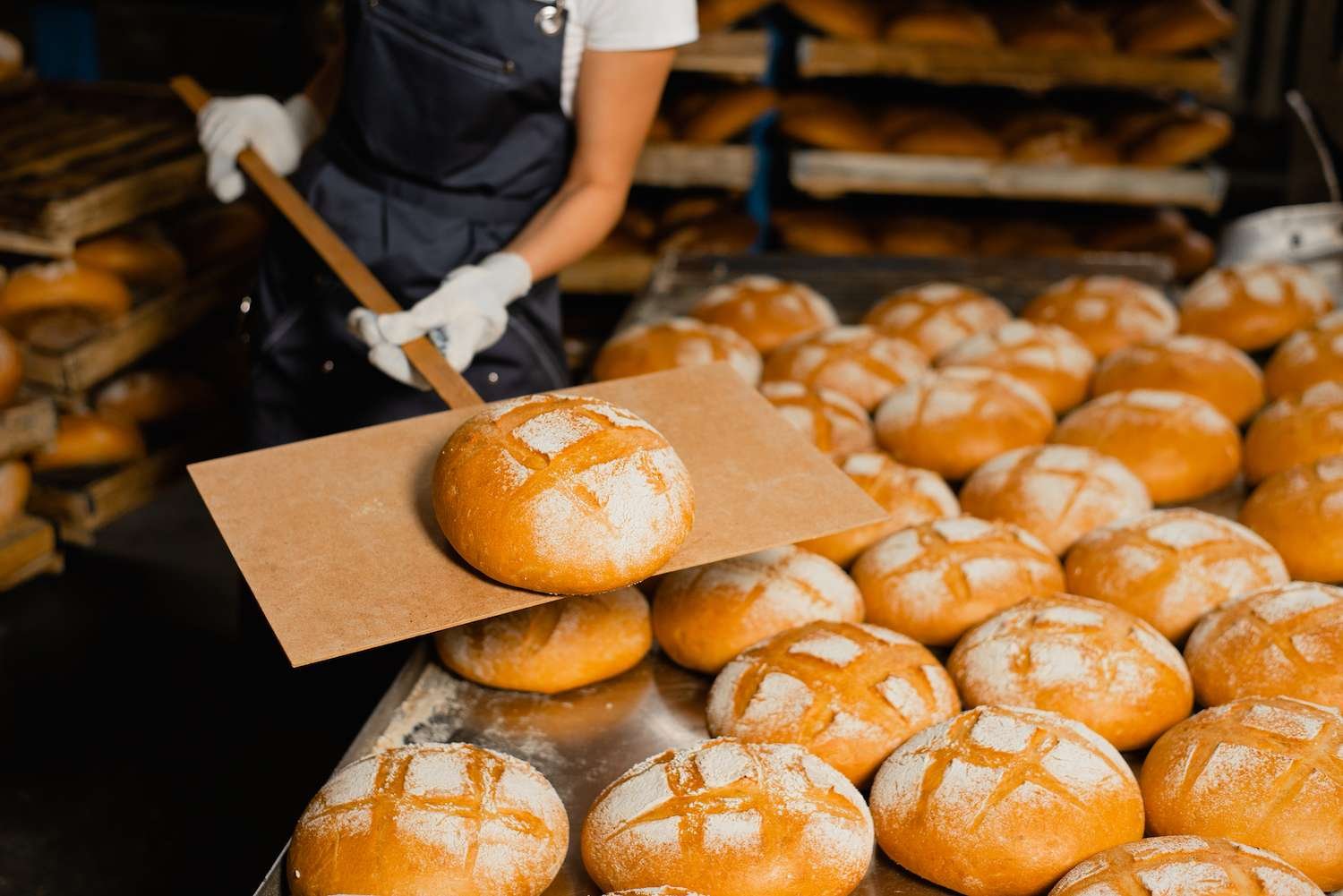
Selecting the Right Equipment for Your Bakery
Choosing the right bakery equipment can be overwhelming. However, considering a few key factors can simplify the decision-making process.
When setting up a bakery, it’s essential to not only focus on the big-ticket items like mixers and ovens but also consider smaller equipment that can make a big difference in your operations. Items like proofing cabinets, dough sheeters, and even ingredient scales play a crucial role in ensuring smooth production processes.
Factors to Consider When Choosing a Mixer
When selecting a mixer, consider the capacity, speed settings, and power requirements. Assess your bakery’s needs and the volume of bread production to determine the ideal size and type of mixer. Additionally, look for features such as multiple attachments and ease of cleaning to enhance efficiency and convenience.
Another aspect to keep in mind when choosing a mixer is the type of dough you’ll be working with. Some mixers are better suited for heavy bread dough, while others excel at mixing lighter cake batters. Understanding your specific product range will help you select a mixer that can handle your recipes with ease.
How to Choose the Right Oven for Your Needs
When it comes to ovens, think about the types of bread you plan to produce and the desired baking methods. Consider whether a deck oven or a convection oven suits your needs best. Additionally, keep in mind other factors such as energy efficiency, temperature control, and maintenance requirements, as these are essential components of effective bakery equipment for bread.
Aside from traditional deck and convection ovens, you might also want to explore specialty ovens like hearth ovens or rotary ovens, depending on the specific products you aim to offer. These ovens can impart unique flavours and textures to your baked goods, setting your bakery apart from the competition.
The Importance of Quality Dough Handling Equipment
Investing in high-quality dough handling equipment, such as dividers and rounders, can significantly impact your bakery’s efficiency and productivity. Look for durable and reliable machines that can withstand consistent use, as they are vital pieces of bakery equipment for bread. Easy maintenance and cleaning should also be prioritised to ensure long-term functionality.
Furthermore, don’t overlook the significance of proper storage equipment for your dough, such as retarder provers or walk-in refrigeration units. Maintaining the quality of your dough as it proofs and chills is crucial for achieving consistent results in your final baked products.
Maintenance and Care for Bakery Equipment
Once you have invested in top-quality bakery equipment for bread, it’s crucial to maintain and care for it properly to ensure longevity and continuous operation. Proper maintenance not only extends the lifespan of your equipment but also ensures the quality and consistency of your baked goods.
Regular maintenance routines can help prevent unexpected breakdowns and costly repairs, ultimately saving you time and money in the long run. By following manufacturer guidelines and implementing a proactive maintenance schedule, you can keep your bakery running smoothly and efficiently.
Regular Cleaning and Maintenance of Mixers
To keep mixers in optimal condition, adhere to a regular cleaning and maintenance schedule. Thoroughly clean attachments, bowls, and other removable parts after each use. Regularly inspect and lubricate motors, gears, and belts according to the manufacturer’s guidelines. This will maximise the lifespan of your mixer and prevent unnecessary breakdowns. Remember, a well-maintained mixer not only ensures efficient operation but also contributes to the quality of your dough and final products.
Ensuring the Longevity of Your Oven
An oven is a significant investment for any bakery, so proper care is essential. Regularly clean the interior and exterior surfaces to remove any residue or debris. Pay attention to the oven’s components, such as heating elements and fans, and address any issues promptly. Additionally, schedule professional servicing and calibration to maintain accurate temperature control. A well-maintained oven, as part of your bakery equipment for bread, is crucial for achieving consistent baking results and meeting food safety standards.
Proper Care for Dough Handling Equipment
To prolong the life of dough handling equipment, clean and sanitise it regularly, ensuring that no dough or debris accumulates. Lubricate moving parts as recommended by the manufacturer to prevent friction and excessive wear. Lastly, inspect machines for any signs of damage and promptly fix or replace any faulty components. Proper care for dough handling equipment not only ensures its longevity but also contributes to the overall efficiency of your bakery operations.
Investing in Advanced Bakery Equipment
As technology advances, so does bakery equipment. Investing in advanced equipment can offer numerous benefits, making it worth considering for your bakery.
The Benefits of Automated Mixers
Automated mixers streamline the bread-making process, reducing labour requirements and increasing overall productivity. With programmable settings and precise control options, these mixers ensure consistent dough quality, regardless of the operator. Additionally, automated mixers often come with built-in safety features, enhancing workplace safety.
The Advantages of High-Tech Ovens
High-tech ovens offer advanced features that enhance the baking process and improve bread quality. These ovens incorporate smart temperature control, accurate humidity settings, and advanced ventilation systems, providing optimal baking conditions. The result is bread with exceptional texture, flavour, and crust consistency.
The Future of Dough Handling Equipment
As technology continues to advance, the future of dough-handling equipment looks promising. Innovative machines are emerging, aiming to automate and optimise every step of the bread-making process. From automated dough dividers to robotic bread shapers, these advancements offer increased efficiency, consistency, and precision.
But what other advancements can we expect in the world of bakery equipment? One exciting development is the incorporation of artificial intelligence (AI) into bakery machinery. AI-powered machines can analyse data in real-time, adjusting settings and making precise calculations to ensure the perfect dough consistency and baking results. Imagine a machine that can learn from past baking experiences and adapt its techniques accordingly, consistently producing top-quality bread.
Another area of interest is the integration of Internet of Things (IoT) technology into bakery equipment. IoT-enabled machines can communicate with each other, providing seamless coordination and synchronisation throughout the baking process. For example, an IoT-enabled mixer can automatically adjust its speed and mixing time-based on the data received from an IoT-enabled oven, ensuring optimal baking conditions for each batch of dough.
Furthermore, the use of sustainable materials and energy-efficient designs is gaining traction in the bakery equipment industry. Manufacturers are increasingly incorporating eco-friendly materials into their equipment, reducing waste and environmental impact. Energy-efficient designs help lower electricity consumption, resulting in cost savings and a smaller carbon footprint.
In conclusion, selecting the best bakery equipment for bread is vital for the success of any bakery. Understanding the essentials of mixers, ovens, and dough-handling equipment can help you make informed choices. Additionally, maintaining and caring for your equipment will ensure its longevity and optimal performance. By staying updated on the latest advancements in bakery technology, such as AI integration, IoT connectivity, and sustainable designs, you can position your bakery for continuous growth and success.
Let’s knead, rise, and bake together – because with the right equipment and Bake Batter & Beyond by your side, every loaf is a masterpiece.
Get started now and unleash your inner baker!

About the Author
Kaylene Grieve, a passionate baker and culinary educator, carries on a rich family legacy in the world of pastries and confections that began with her grandfather’s successful bakery. With over two decades of experience in business and marketing, Kaylene combines her baking heritage with digital expertise as the founder of Bake Batter & Beyond. This comprehensive baking resource reflects her mission to make the joy and science of baking accessible to all.
Dedicated to empowering both novice and experienced bakers, Kaylene’s website offers practical knowledge and tools including measurement converters, substitution guides, troubleshooting tips, and baking rescue techniques. Her special focus on the intricate world of cake making, coupled with her unique blend of family tradition and modern savvy, has established Kaylene as a trusted voice in the baking community.
0 Comments