
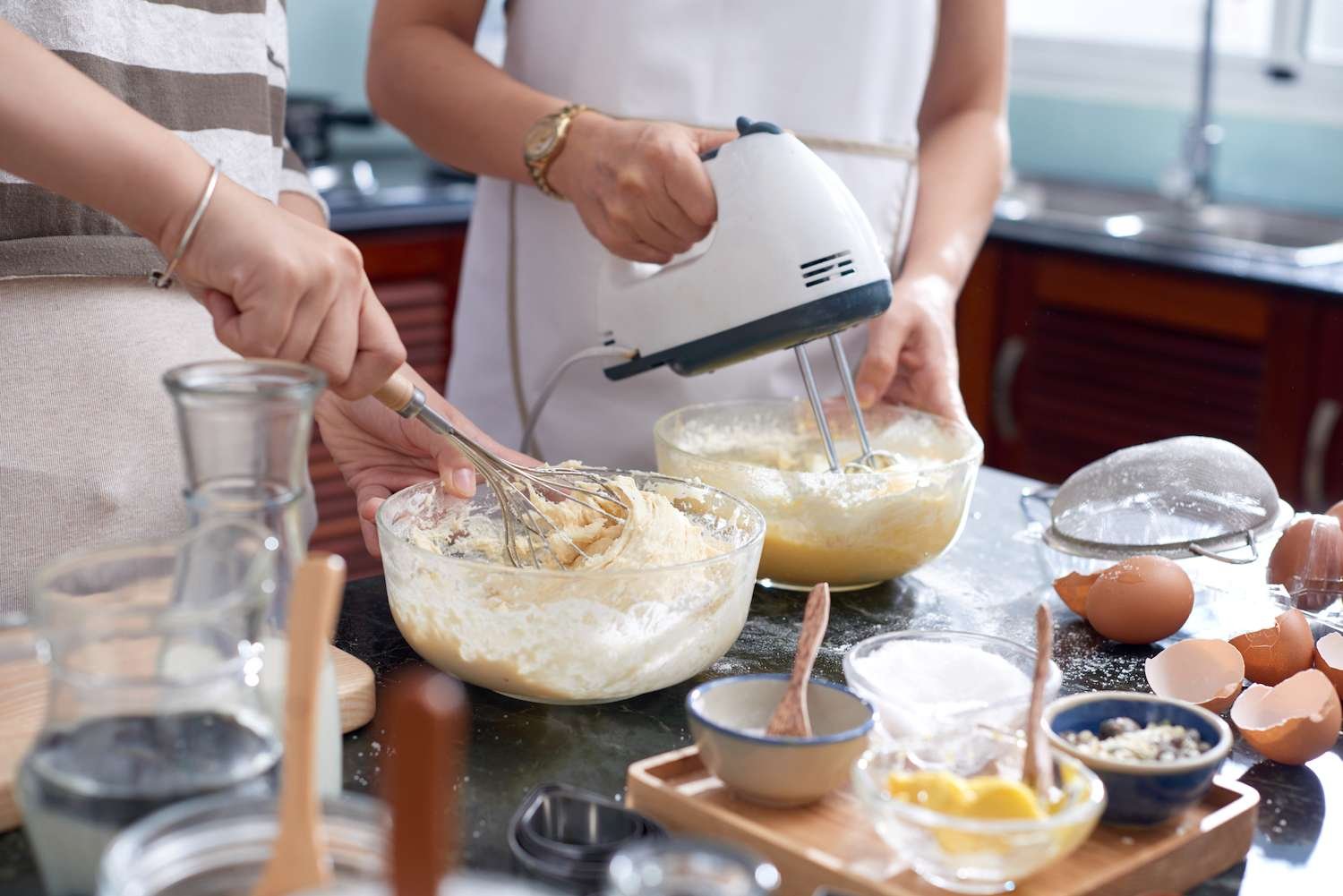
Whether you’re setting up a professional bakery or upgrading your home baking setup, having the right bakery equipment and tools is essential to producing quality baked goods efficiently. This guide will help you identify essential bakery equipment and tools that cover every stage of baking, from preparation to baking, along with expert tips and recommendations to make informed purchasing decisions.
Essential Equipment Categories
- Mixing and Preparation Equipment
- Stand Mixers
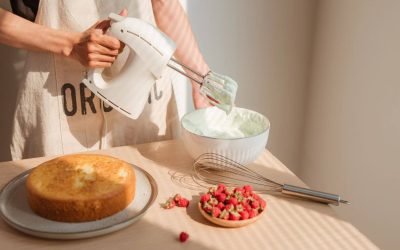
A reliable stand mixer is a cornerstone in any baker’s kitchen, providing consistent mixing power for doughs, batters, and frostings. For professionals, a KitchenAid Professional Series stand mixer ($399–$699) offers durability with a large bowl capacity and motor strength suitable for frequent use. For commercial-scale needs, the Hobart N50 model ($2,500+) is highly regarded for its powerful motor, heavy-duty performance, and longevity. When choosing a stand mixer, consider key features such as bowl capacity, motor wattage, and warranty to ensure your investment meets the demands of your baking projects. The right stand mixer as part of your bakery equipment and tools setup is invaluable for consistent, high-quality results. - Food Processors
Food processors are versatile tools that allow you to chop, slice, and mix ingredients quickly. Mid-range options like the Cuisinart 14-Cup ($199–$299) are excellent for small to medium batches, while commercial-grade options like the Robot Coupe R301 ($1,000+) provide the durability and speed needed for professional kitchens. As part of your bakery equipment and tools, food processors streamline prep work, making processes like grinding nuts, chopping ingredients, or mixing dough fast and efficient.
- Stand Mixers
- Baking and Cooking Equipment
- Commercial Ovens
The type of oven you choose significantly impacts baking results. Deck ovens are ideal for artisan bread, providing the intense heat needed for a crispy crust, while convection ovens ensure consistent airflow, making them suitable for pastries and cakes. Prices for commercial ovens range from $2,000–$15,000 depending on size and features. For home bakers, investing in a quality conventional oven with precise temperature control and even heat distribution is recommended before expanding to larger equipment. Ensuring you have the best baking oven as part of your bakery equipment and tools will contribute to more reliable, professional results. - Pro Tip: For home bakers looking to expand their equipment collection, starting with a conventional oven that has precise temperature control and consistent heat distribution is key. This will allow you to experiment with different recipes before moving on to specialized ovens.
- Commercial Ovens
- Essential Tools for Daily Use
- Measuring Tools
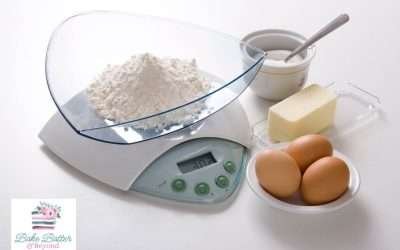
Accuracy in baking is critical, and quality measuring tools make this achievable. Digital scales ($20–$100) offer precision for weighing ingredients, while a set of measuring cups and spoons ($15–$30) ensures you measure liquid and dry ingredients accurately. Temperature probes ($30–$80) are another valuable part of your bakery equipment and tools, allowing you to monitor internal temperatures of bread and cakes to ensure doneness without over-baking. - Preparation Tools
Essential preparation tools like rolling pins, dough scrapers, and pastry brushes make handling dough easier. Rolling pins come in various styles; a French-style pin offers versatility, while an American-style pin provides control for thicker doughs. Dough scrapers and silicone mats are invaluable for kneading and shaping dough without sticking, providing a clean, efficient surface. The right combination of these bakery equipment and tools can make your daily baking routines smoother and more efficient.
- Measuring Tools
Specialty Equipment Worth the Investment
- Pastry-Specific Tools
- Pastry chefs often rely on specialty items like piping bags and tips, cake turntables, and fondant tools to create intricate decorations. Piping bags and tips allow precise control for adding delicate designs to cakes and pastries, while a turntable aids in achieving an even finish. Fondant tools and specialty moulds expand your creative options, enabling detailed, three-dimensional designs. Adding these specialty tools to your bakery equipment and tools collection is worth considering if you aim to create beautifully decorated pastries and cakes.
- Bread Baking Equipment
- Proofing Baskets
Proofing baskets, or bannetons ($15–$30), help shape and structure the dough during its final rise, resulting in an attractive, rustic loaf. These baskets are especially useful for sourdough and artisan bread baking. - Scoring Lames
Scoring lames ($10–$25) are essential for adding decorative cuts to the surface of bread dough, allowing controlled expansion and enhancing the loaf’s visual appeal. This tool provides the precision required for clean cuts, making it a must-have among bakery equipment and tools for anyone serious about bread baking. - Dutch Ovens
Dutch ovens ($50–$300) are ideal for home bakers looking to replicate the professional baking environment. The thick, heavy walls retain heat and create steam, crucial for achieving a beautiful crust. Whether you’re a beginner or a seasoned baker, a Dutch oven can add exceptional quality to your loaves and is a valuable addition to any collection of bakery equipment and tools.
- Proofing Baskets
Equipping yourself with the right bakery equipment and tools is an investment that pays off in the quality, consistency, and efficiency of your baking. By starting with the essentials and gradually incorporating specialty items, you’ll set a strong foundation for baking success, whether at home or in a professional kitchen.
Understanding the Importance of Bakery Equipment and Tools
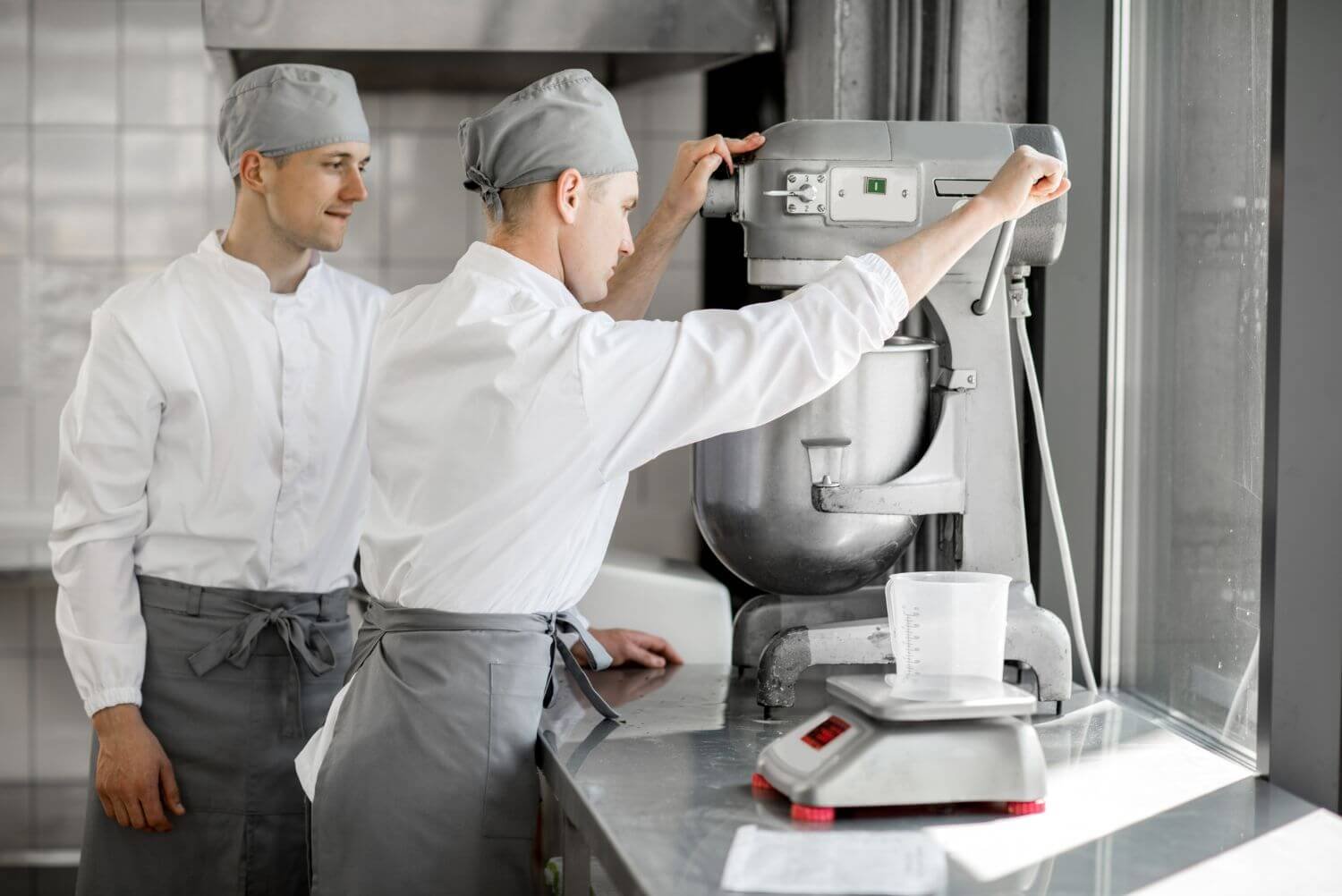
Before diving into the specifics of bakery equipment and tools, let’s first consider why they are so crucial in the baking process. Bakery equipment plays a significant role in determining the quality, consistency, and efficiency of your baked goods. The proper equipment can help you achieve the desired texture, taste, and appearance of your creations. On the other hand, using inadequate or inappropriate tools can lead to subpar results and frustration in the kitchen.
The Role of Bakery Equipment in Baking
From mixing the ingredients to baking the final product, bakery equipment is involved in every step of the process. High-quality ovens, mixers, and dough-processing equipment are essential for achieving optimal results. Ovens enable thorough and even baking, while mixers ensure proper blending and aeration. Dough processing equipment, such as dough sheeters and dividers, streamline the process of preparing dough for various baked goods.
Let’s take a closer look at the importance of each piece of bakery equipment. High-quality ovens, for example, are designed to distribute heat evenly, ensuring that your baked goods are cooked to perfection. This is especially important when it comes to delicate pastries and cakes, where even a slight variation in temperature can make a significant difference. Mixers, on the other hand, play a crucial role in achieving the right consistency and texture. Whether you’re whipping up a light and fluffy meringue or kneading a dense bread dough, having a reliable mixer can make all the difference in the end result.
How Tools Enhance Efficiency in a Bakery
Bakery tools, although smaller in size, are equally important to achieve efficiency in a bakery. Baking pans provide the necessary structure and shape for your baked goods while measuring tools ensure accurate ingredient ratios. Baking utensils, such as spatulas and pastry brushes, aid in the assembly and finishing touches of your creations. Each tool serves a specific purpose and contributes to the overall efficiency of your baking process.
Baking tools are essential for achieving the best results in the kitchen. Various baking pans cater to different baked goods, while measuring cups and spoons ensure precise ingredient amounts for consistency. Utensils like spatulas help with frosting and batter distribution, and pastry brushes are ideal for applying glazes and egg washes, enhancing the appearance of baked items.
So, whether you’re a small neighbourhood bakery or a large-scale production facility, choosing the right bakery equipment is crucial for your success. From ovens that provide the perfect baking environment to mixers that ensure proper dough development, and dough processing equipment that saves time and effort, each piece of equipment plays a vital role in creating delicious baked goods that keep customers coming back for more.
Essential Bakery Tools and Their Functions
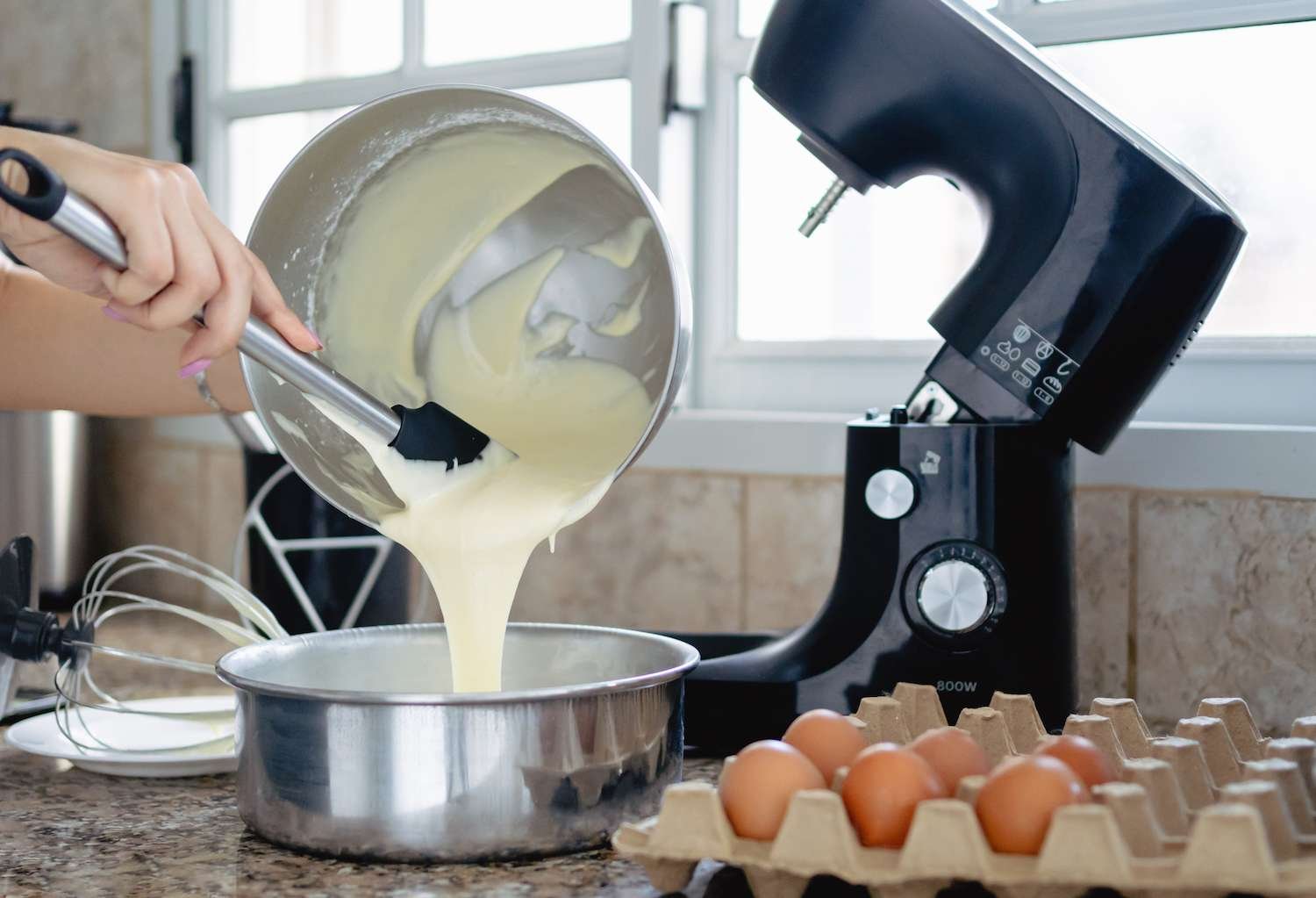
Along with the larger bakery equipment, a range of essential tools is necessary for successful baking.
Baking Pans and Their Uses
Baking pans are essential for any baker, available in various shapes, sizes, and materials suited to specific baked goods. Round cake pans create layered cakes, loaf pans are for breads, and muffin pans make individual treats. Choosing the right pan ensures even heat distribution for optimal rising and cooking. The material also impacts results; non-stick pans facilitate easy release, while silicone pans allow for flexibility and simple cleanup. Understanding the types of pans and their uses can significantly improve baking outcomes.
Importance of Measuring Tools
Precision in baking is crucial, requiring accurate measurements with tools like measuring cups, spoons, and kitchen scales to ensure consistent results. Correct proportions of ingredients such as flour, sugar, and baking powder are essential; even slight variations can significantly affect taste and texture. Investing in quality measuring tools and measuring ingredients precisely can enhance baking outcomes and elevate creations.
The Role of Baking Utensils
While bakery equipment and tools are essential, baking utensils are equally vital for the success of your creations. Spatulas, whisks, and pastry brushes aid in the mixing, folding, and application of various ingredients. These utensils allow for precise control and ensure the proper incorporation of flavours and textures. Investing in high-quality, durable utensils will facilitate your baking process and contribute to the overall quality of your products.
Maintenance and Care for Bakery Equipment and Tools
Proper maintenance and care are essential for extending the lifespan of your bakery equipment and tools, helping to ensure they perform at their best over time. Investing in bakery equipment and tools is a substantial commitment, so implementing a maintenance routine can protect this investment and reduce the risk of unexpected breakdowns or costly repairs. Well-maintained equipment not only supports efficient daily operations but also contributes to consistent quality in every batch you produce, which is key to satisfying customers.
Cleaning and Sanitising Your Equipment
Maintaining clean and sanitised bakery equipment and tools is crucial for preventing cross-contamination and adhering to food safety standards. Regular cleaning according to manufacturer guidelines prevents residue buildup that affects baked goods’ quality and tool longevity. Different equipment requires specific cleaning methods and agents, such as gentle cleaners for stainless steel mixers and mild soap for silicone mats. Thoroughly cleaning baking pans and utensils is essential to eliminate food particles that may impact the flavour and appearance of products. A consistent cleaning schedule for all tools and appliances ensures a hygienic and efficient bakery workspace.
Regular Maintenance Checks for Longevity
Beyond cleaning, conducting regular maintenance checks on your bakery equipment and tools is crucial to catch any wear and tear before it turns into a costly issue. Routine inspections should cover electrical connections, moving parts, and any essential components unique to each tool. For mixers and ovens, for example, check the wiring and examine gears or motors to ensure they are running smoothly. Keeping gears and moving parts well-lubricated can help prevent wear, while keeping an eye on parts that may need replacement extends the equipment’s service life. Following a proactive maintenance schedule helps prevent breakdowns that could disrupt production and also maximises the lifespan of your equipment, ultimately saving on repair or replacement costs over time.
Investing in Quality Bakery Equipment and Tools
Investing in high-quality bakery equipment and tools is essential for the efficiency and success of baking operations, as each tool, from mixers to ovens, contributes to consistent, professional results. Quality equipment ensures durability, enhances precision, and reduces replacement frequency. When selecting tools, consider durability, ease of use, adaptability, and long-term value, as these factors significantly impact daily kitchen workflow and the quality of baked goods.
Factors to Consider When Purchasing Bakery Equipment
- Quality: Opt for reputable brands that are known for their quality and reliability. Investing in well-built equipment ensures longevity and reduces the risk of breakdowns.
- Capacity: Consider the volume of your production and choose equipment that can handle your workload efficiently. Ensure that the equipment specifications align with your bakery’s needs.
- Flexibility: Look for equipment that offers versatility and can accommodate a variety of baking requirements. This flexibility allows you to expand your menu and diversify your offerings in the future.
- Safety Features: Prioritize equipment that incorporates safety features to protect you, your staff, and your customers. Safety measures, such as emergency shut-off switches and lockout/tagout systems, are essential to prevent accidents and ensure compliance with regulations.
The Impact of Quality Tools on Your Baked Goods
Investing in quality bakery tools directly influences the quality and appearance of your baked goods. Precision measuring tools ensure accurate proportions for consistent results. High-quality baking pans provide even heat distribution and ensure the desired texture and appearance. When you invest in top-notch tools, you elevate the overall quality of your baked goods, making them more appealing to your customers.
In conclusion, bakery equipment and tools are the backbone of any successful bakery. Understanding their significance, investing in quality, and practising proper maintenance and care will contribute to the efficiency, consistency, and overall success of your baking endeavours. By following this comprehensive guide, you are well on your way to becoming a master pastry chef.
Explore, experiment, and embrace the joy of baking with the right tools and Bake Batter & Beyond by your side. Your next masterpiece awaits!”

About the Author
Kaylene Grieve, a passionate baker and culinary educator, carries on a rich family legacy in the world of pastries and confections that began with her grandfather’s successful bakery. With over two decades of experience in business and marketing, Kaylene combines her baking heritage with digital expertise as the founder of Bake Batter & Beyond. This comprehensive baking resource reflects her mission to make the joy and science of baking accessible to all.
Dedicated to empowering both novice and experienced bakers, Kaylene’s website offers practical knowledge and tools including measurement converters, substitution guides, troubleshooting tips, and baking rescue techniques. Her special focus on the intricate world of cake making, coupled with her unique blend of family tradition and modern savvy, has established Kaylene as a trusted voice in the baking community.
0 Comments