
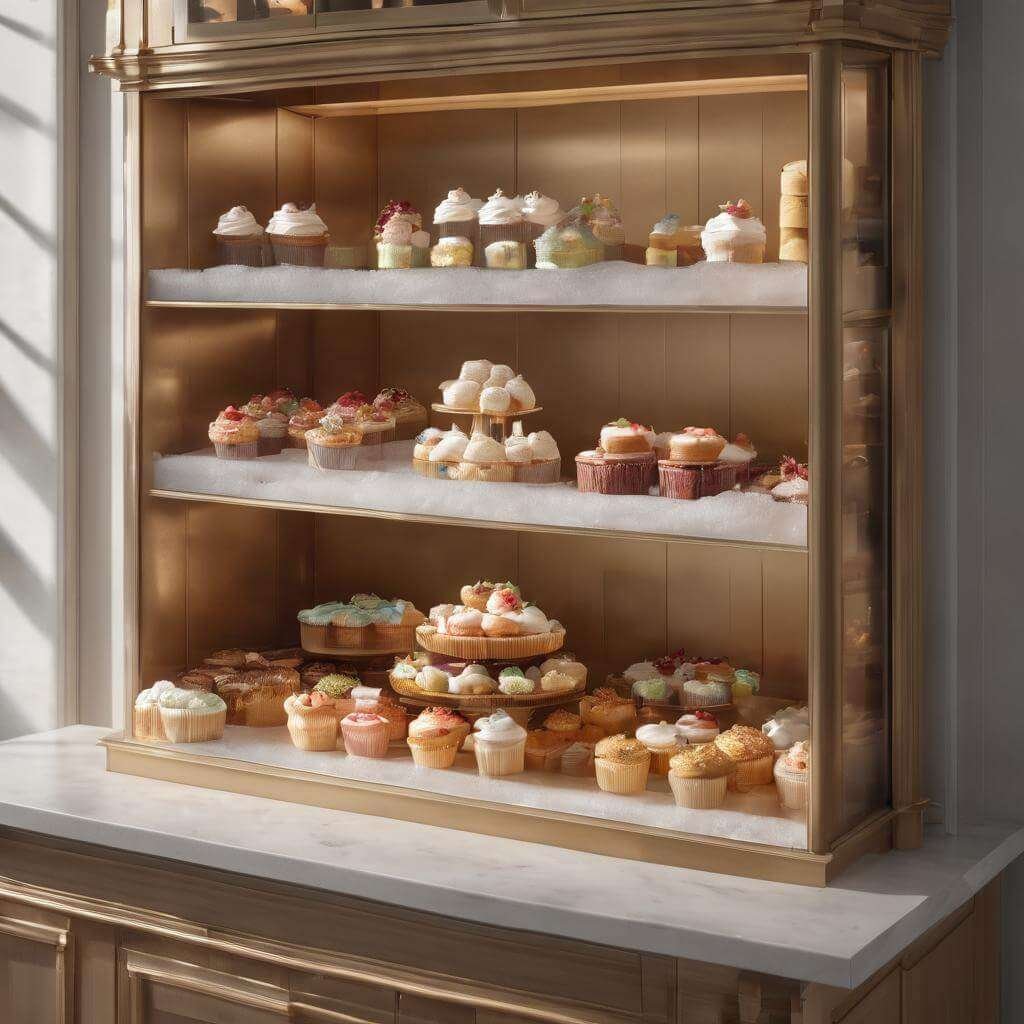
Setting up a bakery or upgrading your existing equipment requires careful consideration and informed decision-making. Whether you’re a seasoned baker or just starting your culinary journey, choosing the right bakery equipment can make the difference between good and exceptional results. Let’s explore everything you need to know about essential bakery equipment and how to make smart investment decisions for your business.
Understanding Your Core Equipment Needs
Every successful bakery relies on several fundamental pieces of equipment:
1. Commercial Ovens
- Deck ovens for artisan bread
- Convection ovens for consistent results
- Combination ovens for versatility
- Steam injection capabilities for perfect crusts
2. Mixers and Kneading Equipment
- Planetary mixers for versatile mixing needs
- Spiral mixers for bread dough
- Dough dividers and rounders for consistency
- Bowl capacities ranging from 20 to 140 quarts
3. Refrigeration Systems
- Proof boxes for controlled rising
- Blast chillers for quick cooling
- Walk-in coolers for bulk storage
- Display cases for finished products
Understanding the Importance of Quality Bakery Equipment
Bakery equipment plays a crucial role in achieving baking success. Investing in high-quality equipment ensures consistent results, reduces operational costs, and enhances efficiency. From mixers to ovens, each piece of equipment contributes to the overall quality of your baked goods.
When it comes to bakery equipment, precision is key. The intricate design of modern mixers allows for precise control over the mixing process, ensuring that ingredients are thoroughly combined without overmixing. This attention to detail results in perfectly textured doughs and batters, setting the foundation for delicious pastries and bread.
The Role of Bakery Equipment in Baking Success
Your bakery’s success hinges on the reliability and functionality of your equipment. A well-designed oven with precise temperature control ensures even baking and consistent results. Precision mixers incorporate the perfect amount of air into your dough, resulting in light and fluffy baked goods. The right equipment allows you to produce high volumes of baked goods without compromising on quality.
Moreover, investing in quality bakery equipment can also have a positive impact on the overall customer experience. Consistent quality in your baked goods, achieved through reliable equipment, fosters customer loyalty and positive word-of-mouth recommendations. Customers appreciate the attention to detail that goes into each product, creating a strong reputation for your bakery in the community.
Evaluating the Durability and Efficiency of Bakery Equipment
When selecting bakery equipment, it’s crucial to consider the durability and efficiency of each piece. Durable equipment withstands the demands of a busy bakery, reducing the need for frequent replacements. Efficient equipment not only speeds up production but also minimises energy consumption, saving you money in the long run. Take the time to research and invest in reputable brands known for their quality and long-lasting performance.
Furthermore, the efficiency of bakery equipment goes beyond just production speed. Energy-efficient appliances not only reduce operating costs but also contribute to a more sustainable baking process. By choosing equipment with high energy efficiency ratings, you can minimise your bakery’s environmental impact while still delivering top-notch baked goods to your customers.
Essential Bakery Equipment for Start-ups
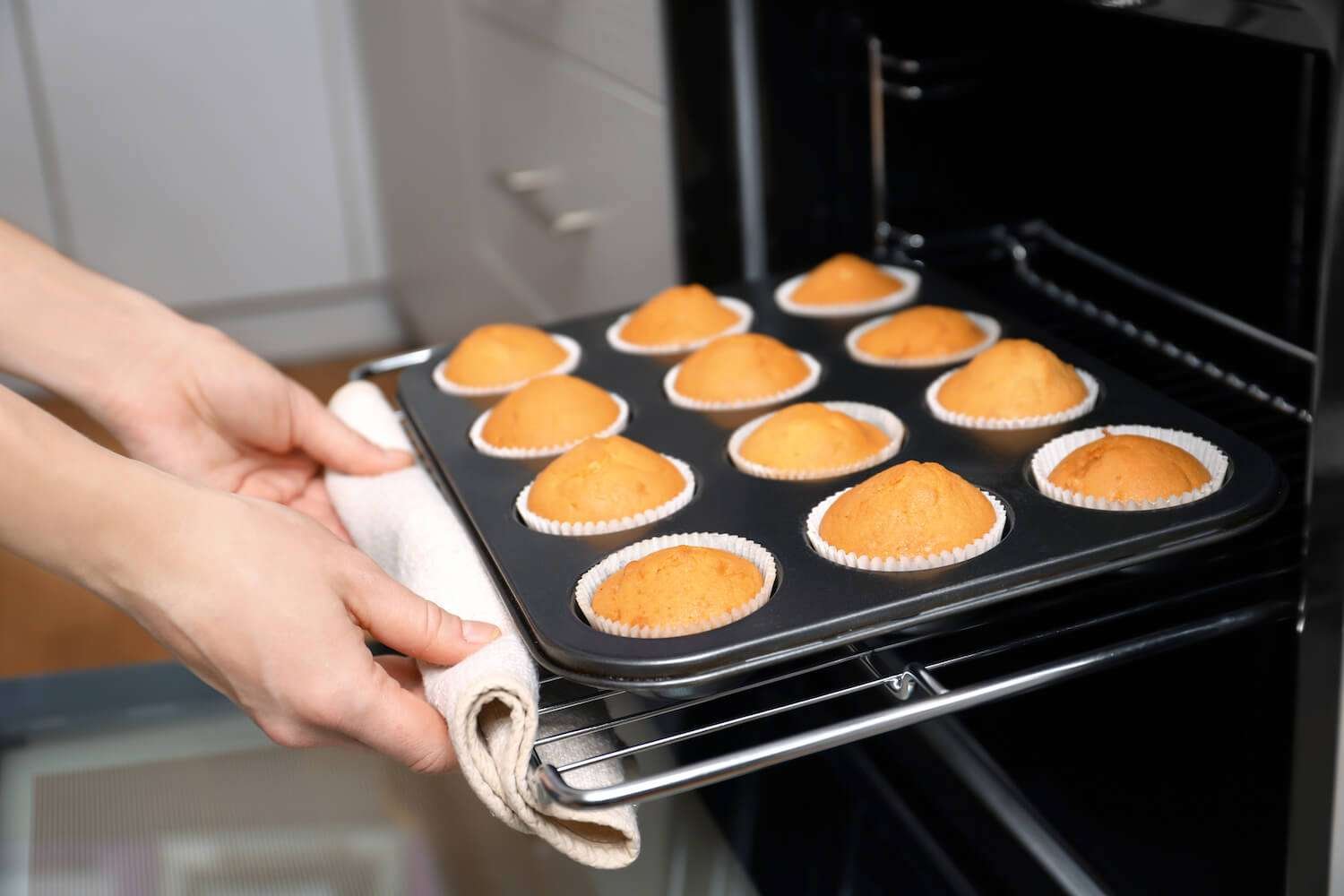
Commercial Ovens
In the world of bakery equipment, commercial ovens are at the heart of baking operations, each type catering to different baking styles and needs.
- Deck Ovens for Artisan Bread: Deck ovens are a staple for artisan bakeries due to their stone or ceramic decks, which help produce the ideal crust and crumb texture in artisan bread. This type of bakery equipment also allows for manual control over heat, letting bakers fine-tune their results.
- Convection Ovens for Consistent Results: Convection ovens circulate hot air, allowing for even heat distribution and faster baking times. This efficiency makes them a versatile and reliable choice in bakery equipment, suitable for a wide variety of products from pastries to cakes.
- Combination Ovens for Versatility: Combination ovens offer flexibility, allowing bakers to switch between steam and convection modes. This is highly beneficial for products requiring both moisture and dry heat, making this bakery equipment ideal for commercial kitchens with diverse baking needs.
- Steam Injection for Perfect Crusts: Steam injection ovens are bakery equipment designed for products where crust quality is essential. By injecting steam at key points, these ovens help create a glossy, crisp crust, particularly for breads and pastries.
Mixers and Kneading Equipment
The right bakery equipment for mixing and kneading is crucial for consistent dough preparation, impacting texture, flavor, and overall product quality.
- Planetary Mixers for Versatile Mixing Needs: Planetary mixers are a popular choice in bakery equipment due to their versatile mixing abilities, handling everything from batters to doughs. They are essential for commercial bakeries with varied product lines.
- Spiral Mixers for Bread Dough: Designed specifically for dough, spiral mixers are bakery equipment that handles large volumes with ease. Their unique motion thoroughly incorporates ingredients while preserving dough elasticity, perfect for bread and pizza crusts.
- Dough Dividers and Rounders for Consistency: Dough dividers and rounders are automated bakery equipment that ensures uniform portions, saving time and maintaining consistency across products. They’re invaluable in high-volume production settings.
- Bowl Capacities Ranging from 20 to 140 Quarts: Bakery equipment should match production scale. With capacities ranging from 20 to 140 quarts, selecting the appropriate size ensures efficiency without overloading the mixer.
Refrigeration Systems
Refrigeration systems are essential bakery equipment, providing proper temperature control for storing ingredients and preserving the quality of baked goods.
- Proof Boxes for Controlled Rising: Proof boxes create the ideal environment for dough fermentation, controlling temperature and humidity for consistent results, a must-have for bread-focused operations.
- Blast Chillers for Quick Cooling: Blast chillers rapidly reduce the temperature of baked goods, which helps preserve texture and freshness. This bakery equipment is essential for items that require quick cooling before packaging.
- Walk-In Coolers for Bulk Storage: Walk-in coolers offer ample space for ingredients and finished products. This bakery equipment supports high-volume production, ensuring everything stays fresh and accessible.
- Display Cases for Finished Products: Display cases aren’t just functional; they enhance presentation. This bakery equipment allows bakeries to showcase items beautifully while keeping them at an optimal temperature.
Energy Efficiency and Cost Considerations
Energy efficiency in bakery equipment can make a significant difference in operational costs. Key factors to consider include:
- Energy Star Ratings: Choosing Energy Star-certified bakery equipment can save on utilities while supporting sustainable practices.
- Operational Costs: Evaluate each piece of equipment’s energy consumption to predict monthly costs accurately.
- Peak Usage Hours: Optimizing equipment usage during off-peak hours can help reduce electricity costs.
- Maintenance Requirements: Well-maintained bakery equipment operates more efficiently, so factor in upkeep as part of your cost analysis.
- Long-Term ROI: Investing in high-quality, energy-efficient equipment may have a higher upfront cost but offers savings over the long term.
Size and Space Optimization
Efficient use of space impacts both productivity and workflow in any bakery setting. Tips for optimizing space with bakery equipment include:
- Measure Your Space Carefully: Knowing the exact dimensions ensures bakery equipment will fit comfortably.
- Consider Workflow Patterns: Plan equipment layout based on logical movement to optimize productivity.
- Allow for Maintenance Access: Placement should allow technicians to reach bakery equipment easily, reducing downtime.
- Plan for Future Expansion: Choose flexible bakery equipment that can adapt to production growth.
- Multi-Purpose Equipment Options: Bakery equipment with multiple functions can save space and reduce costs.
Investment and Budget Planning
When setting up a bakery, investing in quality bakery equipment is key. Here’s a breakdown to help you budget effectively:
- Essential Equipment Costs:
- Commercial ovens: $5,000-$30,000
- Industrial mixers: $3,000-$20,000
- Refrigeration units: $2,000-$15,000
- Small equipment and tools: $1,000-$5,000
- Additional Considerations:
- Installation Costs: Professional installation for bakery equipment can ensure optimal setup.
- Training Requirements: Investing in staff training improves efficiency and safety.
- Warranty Coverage: Quality equipment often includes warranty coverage, protecting your investment.
- Maintenance Plans: Consider maintenance plans for high-cost equipment to reduce long-term repairs.
Maintenance and Longevity
Maintaining equipment is essential to prolong its life and maintain peak performance. Best practices include:
- Establish Daily Cleaning Routines: Clean bakery equipment daily to avoid buildup and improve hygiene.
- Schedule Regular Maintenance Checks: Regularly inspect equipment for potential issues, reducing costly repairs.
- Train Staff on Proper Equipment Use: Staff training minimizes misuse, prolonging the lifespan of bakery equipment.
- Keep Detailed Maintenance Records: Tracking maintenance can help identify recurring issues early.
- Build Relationships with Reliable Service Providers: Having a trusted service provider can ensure swift repairs and minimize downtime.
Technology Integration
Modern bakery equipment increasingly integrates advanced technology for greater precision and efficiency.
- Digital Controls for Precise Temperature Management: Digital controls in bakery equipment allow bakers to set and monitor precise temperatures.
- Programmable Recipes for Consistency: Programmable settings ensure consistency across batches, a valuable feature for quality control.
- Remote Monitoring Capabilities: Remote monitoring allows bakers to track bakery equipment performance from anywhere, which can help prevent issues.
- Energy Usage Tracking: Bakery equipment that tracks energy consumption can provide insights to lower operational costs.
- Production Data Analysis: Analyzing data from bakery equipment helps identify production trends and areas for improvement.
Advanced Bakery Equipment for Established Businesses
Once your bakery is established and thriving, it’s time to consider upgrading your equipment to enhance productivity and efficiency. Here are three advanced bakery equipment options:
Automated Dough Systems and Their Benefits
Automated dough systems streamline your production process and improve consistency. These systems accurately measure ingredients, mix the dough, and even shape the products. With automation, you can increase output while maintaining the high quality your customers expect. Automated dough systems are ideal for bakeries dealing with large volumes of dough daily.
The Need for High-Speed Bread Slicers
As your bakery’s bread production increases, investing in high-speed bread slicers becomes essential. These machines can slice large quantities of bread in a short amount of time, reducing labour costs and ensuring uniform slice thickness. Look for bread slicers with easy-to-adjust settings to accommodate different loaf sizes and slicing preferences.
The Role of Industrial Pastry Sheeters
Industrial pastry sheeters are a game-changer for bakeries specialising in pastries, croissants, and puff pastry. These machines roll out dough to a consistent thickness, saving you time and effort. Pastry sheeters also offer adjustable settings to achieve the perfect thickness for each recipe, ensuring uniform baking and a professional presentation.
Maintenance and Care
Proper maintenance and care are crucial for prolonging the life of your bakery equipment and ensuring optimal performance. Here are some key tips to keep your machinery in top condition:
Regular Cleaning and Maintenance Tips
Establish a regular cleaning schedule for all equipment to prevent build-up and contamination. Follow manufacturer guidelines when cleaning and lubricating machinery. Replace worn or damaged parts promptly to avoid further damage and accidents. Regularly inspect electrical components for any signs of wear or loose connections to prevent electrical hazards.
Troubleshooting Common Equipment Problems
Despite proper maintenance, equipment issues can still arise. Familiarise yourself with common problems and their solutions. This knowledge will help you quickly troubleshoot and minimise downtime. Keep a log of repairs and maintenance performed to detect any recurring issues that may require professional assistance.
When to Consider Equipment Replacement
As your bakery grows, your equipment needs may change. Regularly assess the efficiency and functionality of your machinery. If you notice a decline in performance or frequent breakdowns, it may be time to consider equipment replacement. Upgrading to more advanced models can improve productivity and reduce maintenance costs in the long run.
A successful bakery relies on a combination of skill, passion, and reliable equipment. By understanding the importance of quality bakery equipment, selecting essential tools for start-ups, exploring advanced options for established businesses, and prioritising maintenance and care, you can set your bakery on the path to success. Choose your equipment wisely, and let the aroma of freshly baked goods entice customers through your doors.
Ready to elevate your bakery? With the right equipment, you can start crafting delicious creations that keep customers coming back for more!

About the Author
Kaylene Grieve, a passionate baker and culinary educator, carries on a rich family legacy in the world of pastries and confections that began with her grandfather’s successful bakery. With over two decades of experience in business and marketing, Kaylene combines her baking heritage with digital expertise as the founder of Bake Batter & Beyond. This comprehensive baking resource reflects her mission to make the joy and science of baking accessible to all.
Dedicated to empowering both novice and experienced bakers, Kaylene’s website offers practical knowledge and tools including measurement converters, substitution guides, troubleshooting tips, and baking rescue techniques. Her special focus on the intricate world of cake making, coupled with her unique blend of family tradition and modern savvy, has established Kaylene as a trusted voice in the baking community.



0 Comments