
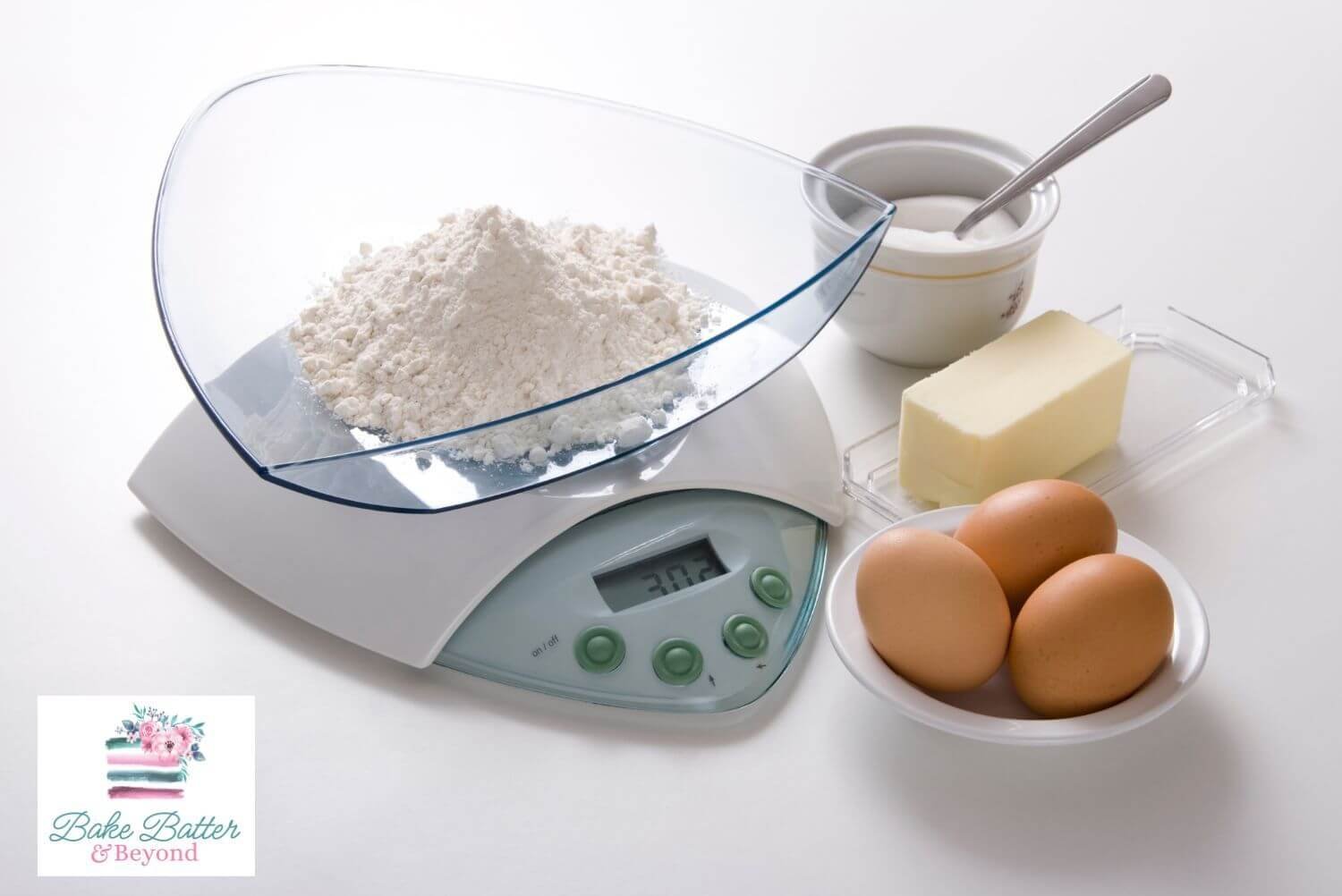
Are you tired of baking disasters? I know I am! Did you know that a whopping 68% of home bakers report inconsistent results in their recipes? It’s time to settle the age-old debate: baking scale vs. measuring cups.
Discover why achieving baking scale accuracy is crucial, and how a reliable kitchen scale ranks among the best cake decorating tools you can own, ensuring perfect results every time.
Get ready to revolutionise your baking game and say goodbye to those flat cookies and sunken cakes!
The Importance of Precision in Baking
Why Accuracy Matters In Baking Chemistry
Baking scale accuracy plays a crucial role in the delicate chemistry of baking. Unlike cooking, where ingredients can often be adjusted to taste, baking relies on precise ratios and chemical reactions. When you measure ingredients accurately, you ensure that leavening agents, fats, and liquids interact properly, resulting in the perfect rise, texture, and flavour. A slight deviation in measurements can throw off these carefully balanced reactions, potentially ruining your baked goods. This is why professional bakers and pastry chefs emphasise the importance of using accurate scales and measuring tools in their kitchens.
Common Baking Mishaps Caused By Inaccurate Measurements
Many common baking failures can be traced back to poor baking scale accuracy. For instance, using too much flour can lead to dry, dense cakes or tough cookies. Conversely, not enough flour might result in flat, spreading cookies or cakes that collapse in the centre. Inaccurate measurements of leavening agents like baking powder or baking soda can cause your baked goods to rise too much or not at all. Even seemingly small discrepancies in sugar or fat measurements can significantly affect the texture and browning of your baked items. By prioritising accuracy in measurements, you can avoid these frustrating and wasteful mishaps.
How Small Measurement Errors Can Lead To Big Baking Failures
It’s surprising how even minor measurement inaccuracies can snowball into major baking disasters. For example, just a tablespoon too much or too little liquid in a bread recipe can mean the difference between a perfectly textured loaf and a sticky, unworkable dough or a dry, crumbly mess. In delicate recipes like macarons or soufflés, where baking scale accuracy is paramount, a mere 5% difference in egg white quantity can lead to drastically different results. These small errors compound throughout the baking process, affecting rise, structure, and overall success of the final product.
The Impact Of Precise Measurements On Texture, Flavour, And Appearance
Precise measurements, achieved through proper baking scale accuracy, directly influence the texture, flavour, and appearance of your baked goods. Accurate flour measurements ensure the right gluten development, affecting the crumb structure of cakes and breads. Precise sugar measurements not only impact sweetness but also contribute to proper caramelisation and browning. When fats are measured correctly, they create the intended mouthfeel and richness. Even salt, often used in small quantities, can significantly enhance or overpower flavours when not measured accurately. Visually, precise measurements lead to consistent sizes, shapes, and colours in your baked items, creating that professional, picture-perfect appearance that’s so satisfying to achieve.
Understanding Baking Scale Accuracy
What Is A Baking Scale And How Does It Work?
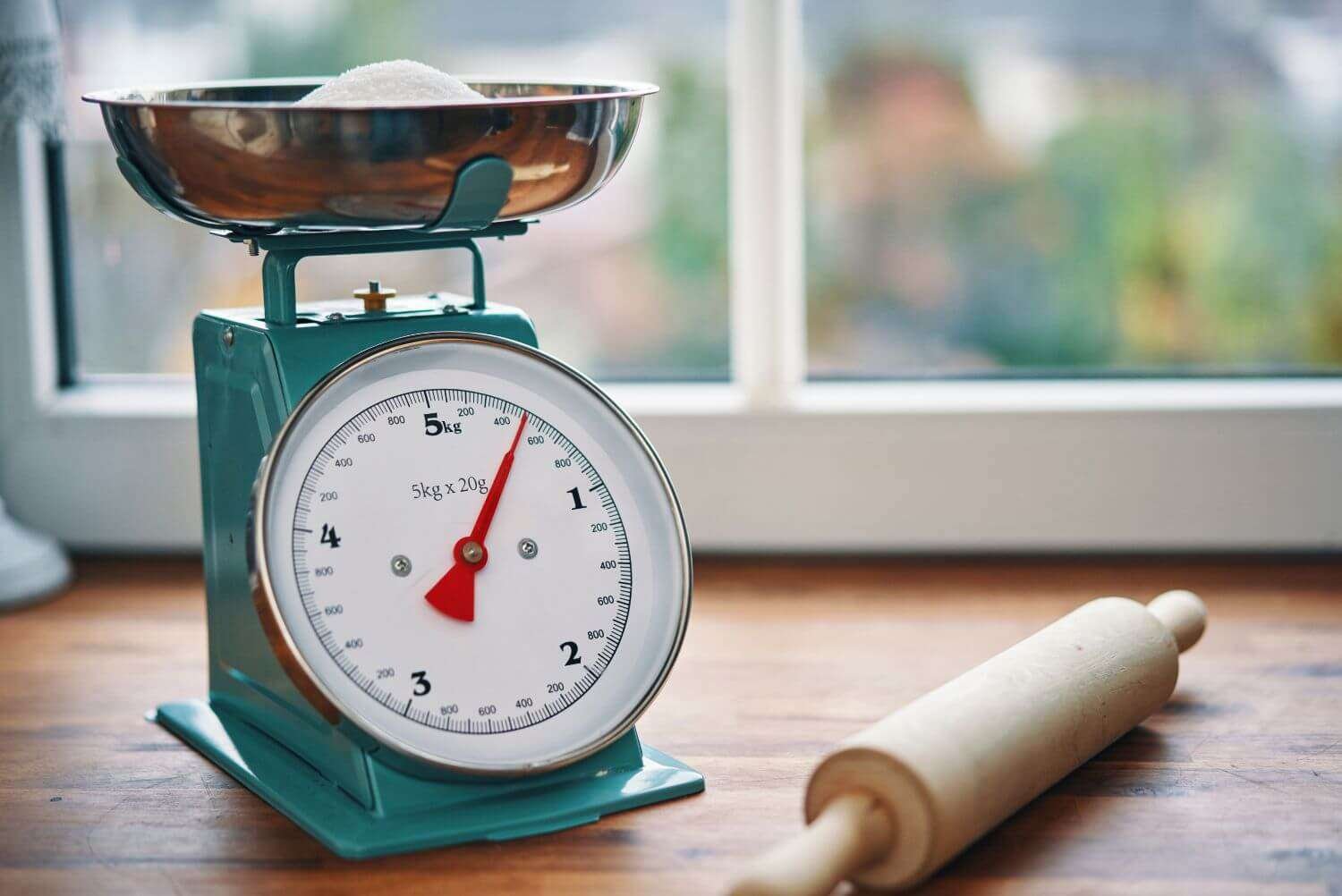
A baking scale is a precision measuring device essential for achieving consistent results in baking. It works by using a load cell or spring mechanism to measure the weight of ingredients, ensuring baking scale accuracy far superior to volume measurements. When an item is placed on the scale’s platform, it converts the force exerted by the weight into an electrical signal (for digital scales) or mechanical movement (for analog scales). This signal is then translated into a readable measurement, typically displayed in grams or ounces. Using a baking scale allows for precise ingredient ratios, which is crucial for successful baking outcomes.
Types Of Baking Scales: Digital Vs. Analog
When considering baking scale accuracy, it’s important to understand the two main types: digital and analog. Digital baking scales use electronic sensors to measure weight and display the result on an LCD screen. They often offer features like tare function, unit conversion, and precise measurements to the nearest gram or fraction of an ounce. Analog scales, on the other hand, use a spring mechanism and display weight on a dial. While generally less precise than their digital counterparts, analog scales are valued for their simplicity and durability. The choice between digital and analog often depends on personal preference and specific baking needs, but digital scales typically provide superior accuracy for most modern baking applications.
Key Features to Consider When Choosing a Baking Scale
1. Accuracy and Precision
- Resolution down to 0.1g for small measurements
- Consistent readings across multiple uses
- Quick calibration capabilities
2. Capacity Range
- Standard home baking: 5-11 pounds capacity
- Professional use: Consider scales with 15+ pounds capacity
- Small measurement capability for yeast and salt
3. Display and Units
- Clear, backlit LCD display
- Multiple unit options (grams, ounces, pounds)
- Easy unit conversion
4. Platform Design
- Stainless steel platform for easy cleaning
- Large enough surface for bowls and containers
- Raised display for better visibility
Advanced Features Worth the Investment
Tare Function
The tare function allows you to subtract the weight of your container, making it easier to measure multiple ingredients in the same bowl. This feature is essential for an efficient baking workflow.
Auto-Off Timer
While an auto-off feature saves battery life, look for scales with adjustable timers to prevent shutdown during lengthy measuring sessions.
How To Calibrate And Maintain Your Baking Scale For Optimal Accuracy
To maintain baking scale accuracy, regularly calibrate it using known weights and consult the user manual for digital scales with built-in calibration functions. Clean the scale with a soft, dry cloth to remove food particles, avoid extreme temperatures and humidity, and store it in a dry place. Handle the scale gently to protect its internal mechanisms, ensuring its reliability and accuracy over time.
The Pros and Cons of Using a Baking Scale
Advantages Of Weight-Based Measurements In Baking
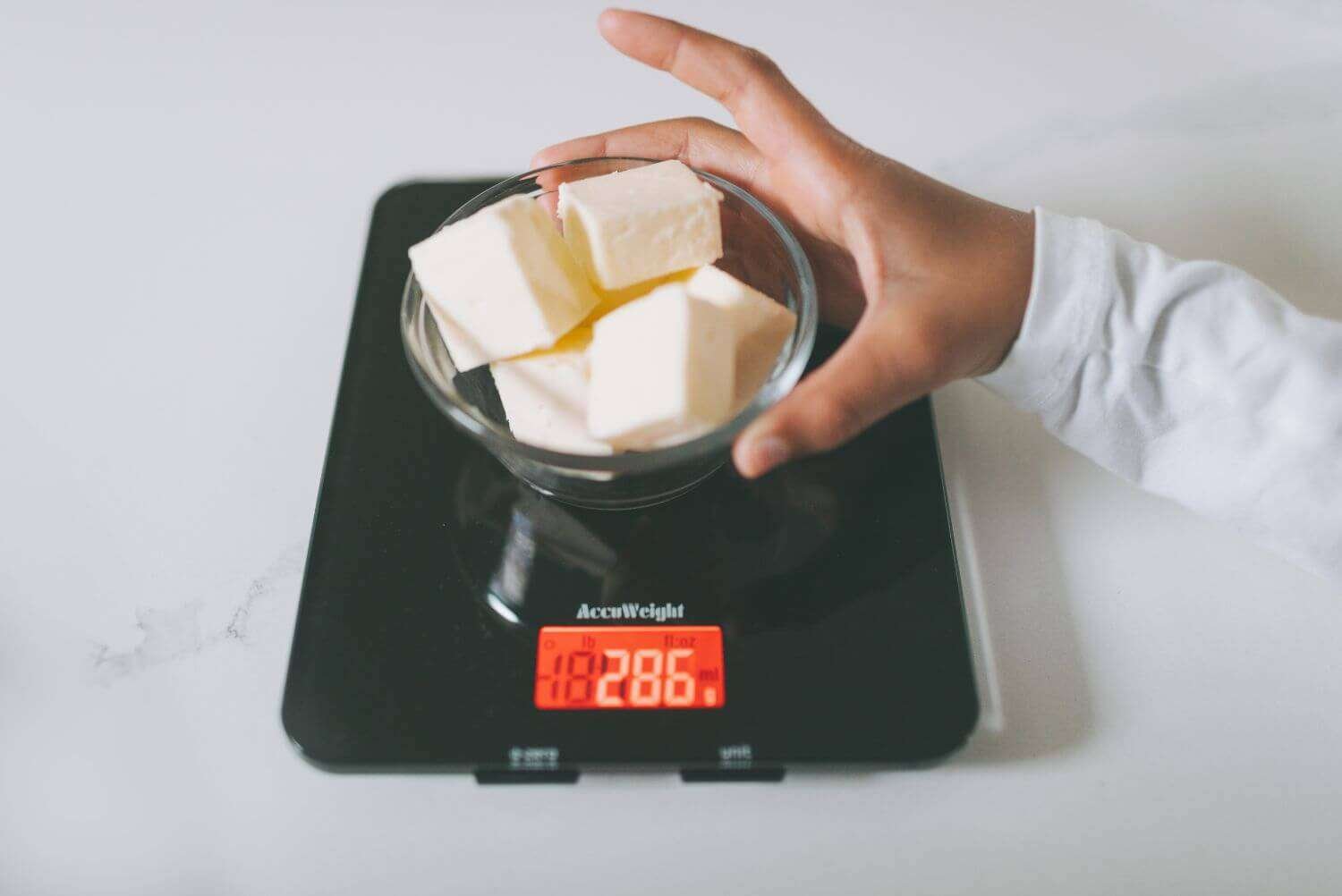
Weight-based measurements offer numerous benefits for bakers, with baking scale accuracy at the forefront. Using a precise digital scale ensures ingredients are measured exactly as the recipe intends, eliminating the inconsistencies often associated with volume-based measurements. This accuracy is particularly crucial for ingredients like flour, where compaction can significantly affect the amount used. By relying on weight, bakers can achieve more consistent results, leading to perfectly textured cakes, breads, and pastries. Additionally, weight-based recipes are often easier to follow, reducing the likelihood of measurement errors and improving overall baking success rates.
Potential Drawbacks And Limitations Of Using A Baking Scale
While baking scale accuracy is generally beneficial, there are some potential drawbacks to consider. First, not all recipes are written with weight measurements, requiring conversion which can introduce errors if not done carefully. Some bakers may find the transition from volume to weight measurements challenging, potentially leading to initial mistakes. Additionally, baking scales require batteries or electricity, which can be inconvenient if they run out of power mid-recipe. Lastly, very small quantities of ingredients (like spices or leavening agents) may be difficult to measure accurately on some scales, necessitating a combination of weight and volume measurements for optimal results.
How Baking Scales Improve Recipe Consistency And Scalability
Baking scale accuracy plays a crucial role in maintaining consistency across batches and scaling recipes up or down. When using weight measurements, bakers can easily double, halve, or adjust recipes to any desired quantity without complicated math or guesswork. This precision ensures that the ratio of ingredients remains constant, preserving the intended flavour and texture of the final product. For professional bakers or those preparing large quantities, this scalability is invaluable, allowing for efficient production while maintaining quality. Moreover, weight-based recipes are often easier to share and replicate across different kitchens, as they eliminate variables like ingredient compaction or differences in measuring cup sizes.
Cost Considerations: Are Baking Scales Worth The Investment?
When assessing the cost-effectiveness of baking scales, consider their long-term benefits in accuracy, which can lead to reduced ingredient waste and fewer baking failures. Affordable entry-level scales range from $10 to $50, while advanced models with better precision may cost more. For serious bakers, the consistency and efficiency gained from a reliable scale often justify the investment, and their durability ensures they remain a valuable kitchen tool for years.
Measuring Cups: The Traditional Approach
Types Of Measuring Cups: Dry Vs. Liquid Measures
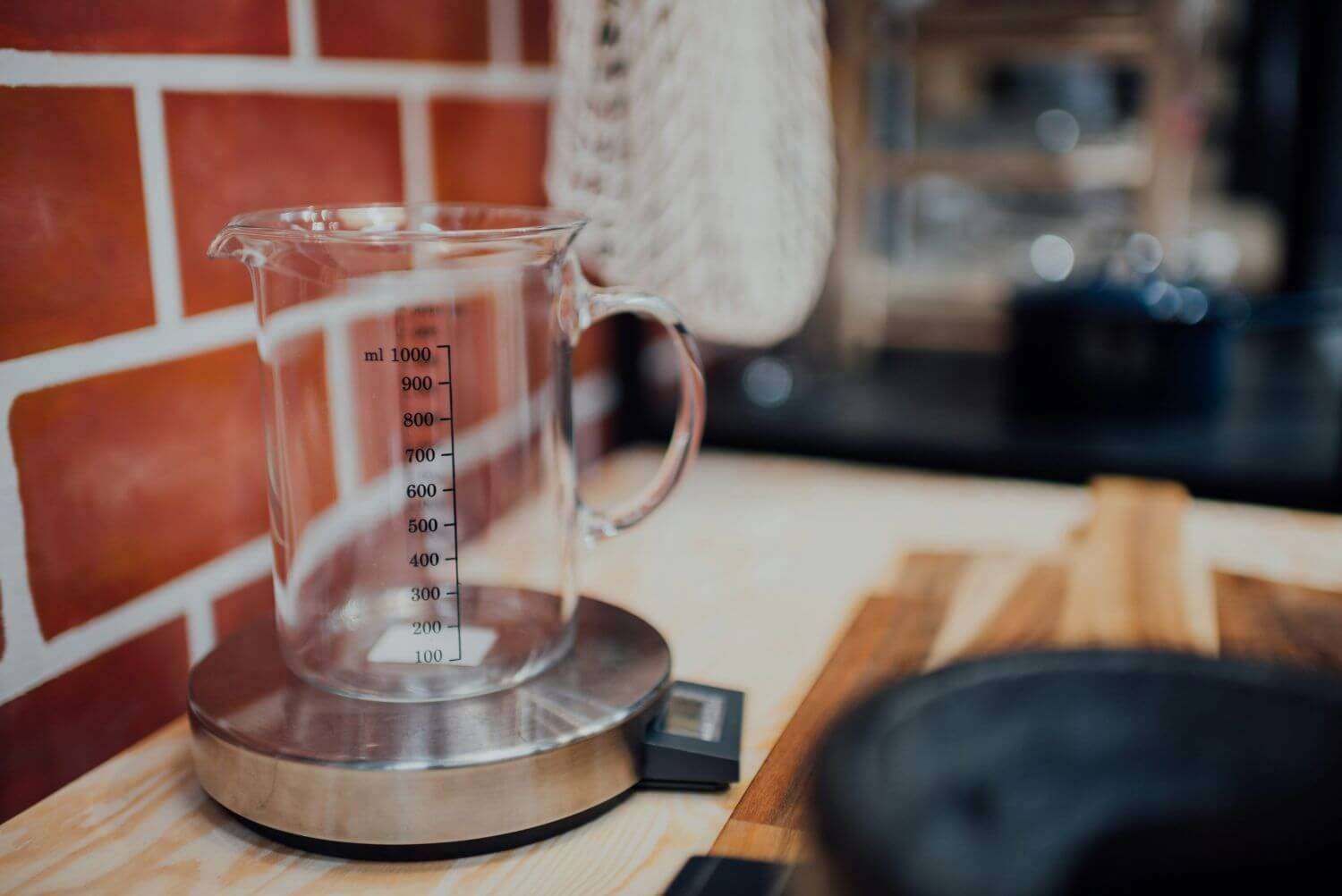
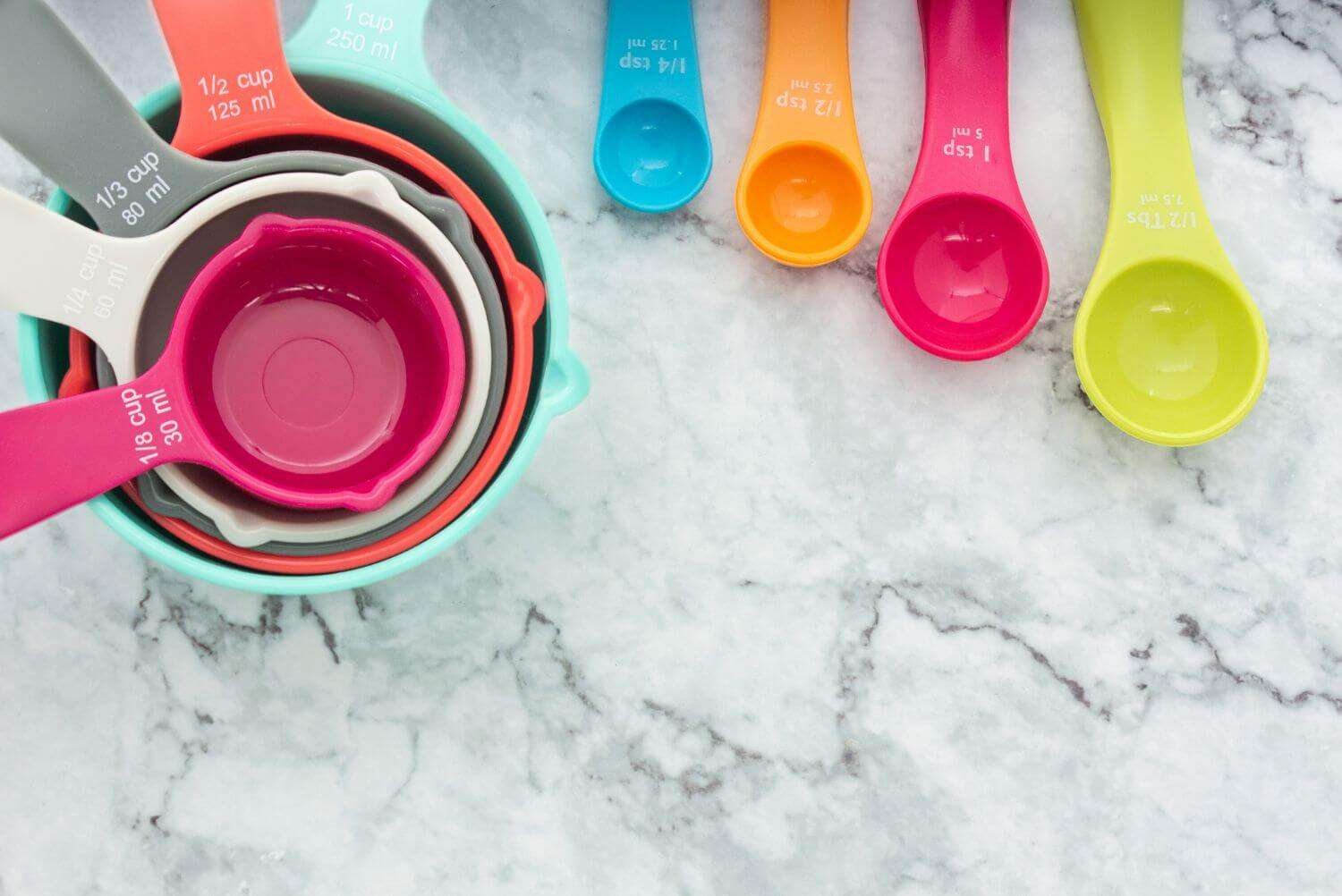
When it comes to baking scale accuracy, understanding the difference between dry and liquid measuring cups is crucial. Dry measuring cups are designed for ingredients like flour, sugar, and cocoa powder, with a flat rim that allows for easy levelling. Liquid measuring cups, on the other hand, have a spout and graduated markings for precise pouring of liquids like milk or oil. Using the correct type of measuring cup is essential for achieving consistent results in your baking, as it directly impacts the accuracy of your measurements and, ultimately, the success of your recipe.
Proper Techniques For Using Measuring Cups Accurately
To ensure optimal baking scale accuracy, it’s important to master proper measuring techniques. For dry ingredients, use the scoop and level method: gently scoop the ingredient into the cup, then level it off with a straight edge. Avoid tapping or shaking the cup, as this can compact the ingredient and lead to incorrect quantities. When measuring liquids, place the cup on a flat surface and read the measurement at eye level for precision. These techniques contribute to consistent measurements, which are crucial for achieving the desired texture and flavour in your baked goods.
Common Errors When Using Measuring Cups In Baking
Even with the best intentions, bakers can make mistakes that compromise baking scale accuracy. One common error is using liquid measuring cups for dry ingredients or vice versa, which can lead to significant measurement discrepancies. Another mistake is scooping flour directly from the container, which can result in overpacking and using too much. Additionally, failing to level off dry ingredients or reading liquid measurements at an angle can introduce inaccuracies. Being aware of these common errors and actively avoiding them can greatly improve the consistency and quality of your baked goods.
The Variability Of Volume-Based Measurements Across Ingredients
While measuring cups are widely used, it’s important to recognise that volume-based measurements can vary significantly across different ingredients, affecting overall baking scale accuracy. For example, a cup of flour can weigh differently depending on how it’s scooped or whether it’s sifted. This variability can lead to inconsistent results in baking, especially in recipes that require precise ratios of ingredients. Many professional bakers prefer using weight measurements with a digital scale for greater accuracy and reproducibility. Understanding this variability can help home bakers decide when to rely on volume measurements and when to consider switching to weight-based measurements for more consistent results.
Baking Scale vs. Measuring Cups: A Head-to-Head Comparison
Accuracy: Comparing Weight Vs. Volume Measurements
When it comes to baking, precision is key, and this is where baking scale accuracy truly shines. Weight measurements using a scale are significantly more precise than volume measurements with cups or spoons. A gram is always a gram, regardless of the ingredient, while a cup of flour can vary dramatically depending on how it’s scooped or packed. This level of accuracy is crucial for recipes that require exact proportions, such as delicate pastries or artisanal bread. By using a scale, bakers can ensure that each ingredient is measured precisely, leading to more consistent and successful results in their baked goods.
Consistency: Which Method Produces More Reliable Results?
The reliability of results is a critical factor in baking, and this is another area where baking scale accuracy proves superior. Weight measurements consistently produce more dependable outcomes compared to volume measurements. This is because factors like humidity, temperature, and ingredient texture can affect how ingredients settle in measuring cups, leading to inconsistencies. With a scale, these variables are eliminated, allowing bakers to replicate recipes with remarkable consistency. Whether you’re a home baker or a professional pastry chef, using a scale can help you achieve the same great results every time you bake.
Efficiency: Time-Saving Aspects Of Scales Vs. Cups
While it might seem that scooping ingredients with cups is quicker, the efficiency gained from baking scale accuracy can actually save time in the long run. Using a scale allows for faster measuring as you can add ingredients directly to the mixing bowl, simply taring (zeroing) the scale between additions. This eliminates the need for multiple measuring cups and reduces cleanup time. Moreover, the increased accuracy of scale measurements can prevent baking failures that waste time and ingredients. By investing a few extra seconds in precise measurements, bakers can avoid the frustration and time loss of having to remake a recipe due to measurement errors.
Versatility: Adapting International Recipes And Scaling Quantities
The versatility offered by baking scale accuracy is particularly valuable in today’s globalised culinary world. Many international recipes use weight measurements, making a scale essential for accurately reproducing these dishes. Additionally, scaling recipes up or down becomes a simple matter of multiplication or division when working with weights, whereas adjusting volume measurements can be tricky and prone to errors. This versatility extends to ingredient substitutions as well; for instance, if a recipe calls for 100g of butter, you can easily substitute 100g of margarine or coconut oil without needing to convert between different volume measurements.
Expert Tips for Maximising Baking Scale Accuracy
Choosing The Right Unit Of Measurement (Grams Vs. Ounces)
When it comes to baking scale accuracy, selecting the appropriate unit of measurement is crucial. Grams offer more precision than ounces, making them the preferred choice for many professional bakers. A high-quality digital kitchen scale that measures in grams can detect minute differences in ingredient weights, ensuring consistent results. While ounces are still commonly used in some recipes, converting to grams can significantly improve your baking accuracy. Remember, even small discrepancies in measurements can affect the final product, so choosing the right unit is a key step in achieving baking perfection.
Best Practices For Weighing Different Types Of Ingredients
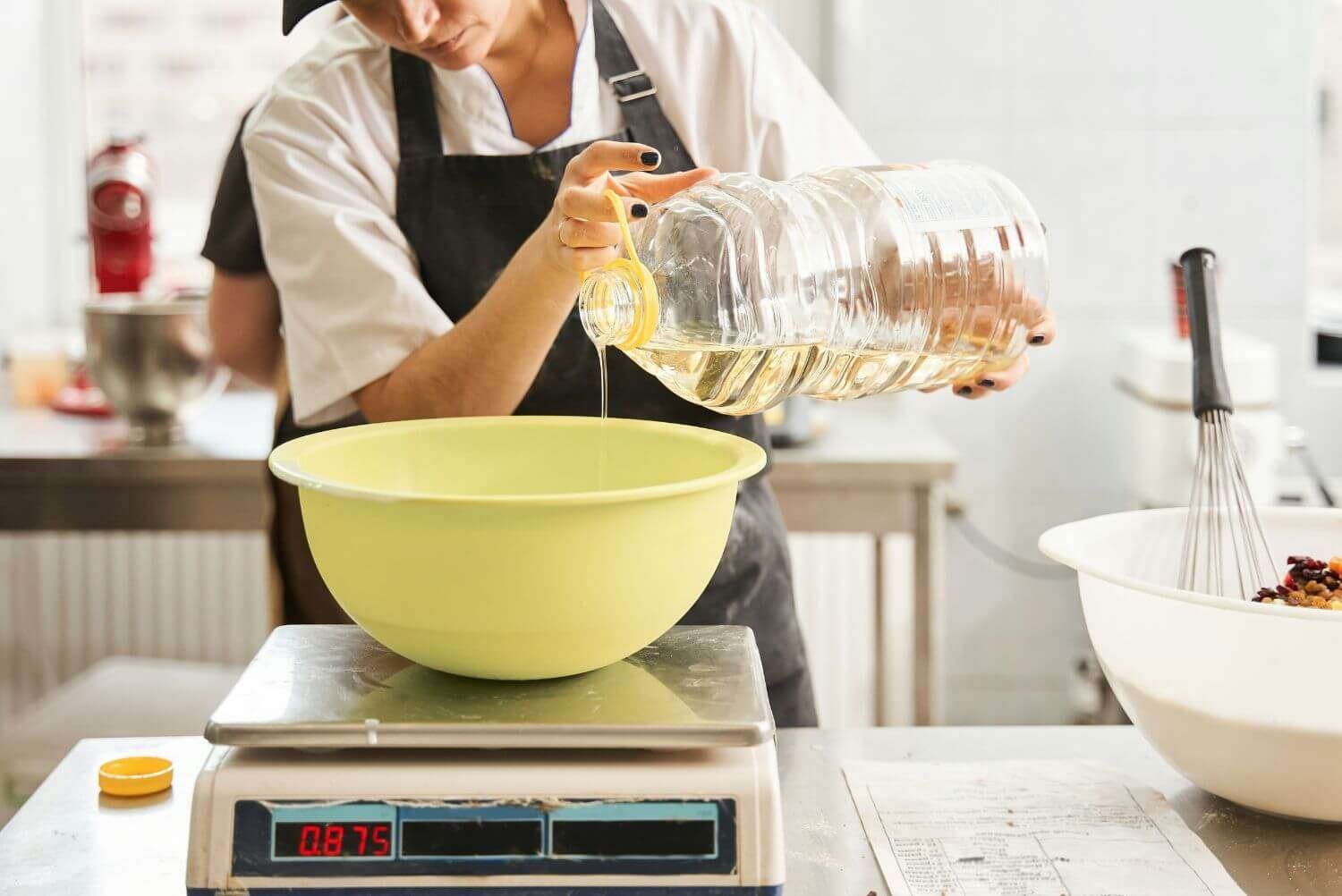
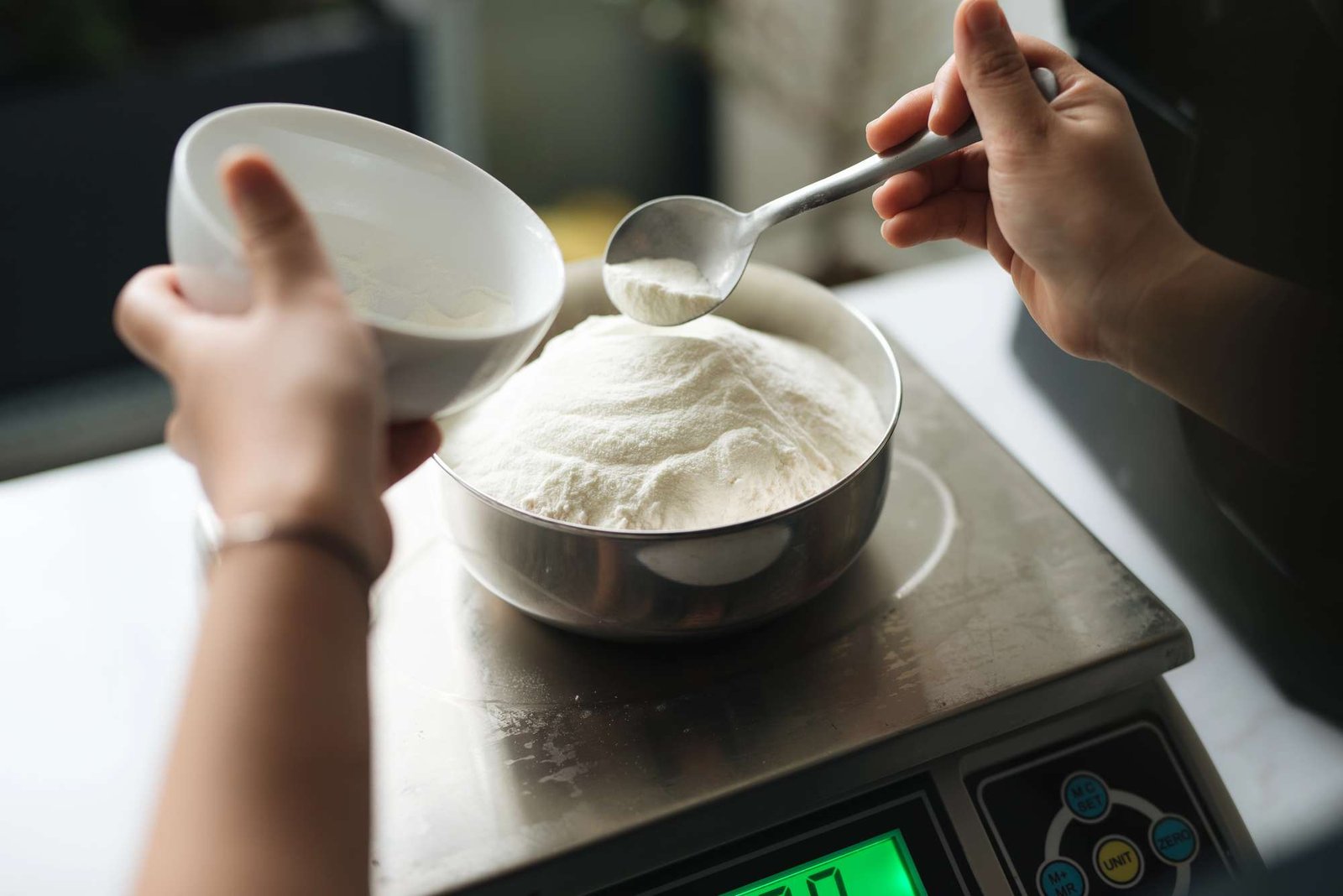
To maintain baking scale accuracy across various ingredients, it’s essential to follow best practices. For dry ingredients like flour or sugar, use a flat-bottomed container and gently spoon the ingredients onto the scale. Avoid compacting powders, as this can lead to overweighting. When measuring liquids, use a container with a pour spout to prevent spills and ensure precise amounts. For sticky ingredients like honey or molasses, try weighing the container first, then add the ingredient and subtract the initial weight. These techniques help maximise your baking scale accuracy and contribute to more consistent, delicious results.
How To Convert Volume-Based Recipes To Weight Measurements
Converting volume-based recipes to weight measurements can significantly improve baking scale accuracy. Start by creating a conversion chart for common ingredients used in your favourite recipes. For example, note that one cup of all-purpose flour typically weighs about 120-125 grams. When converting, measure each ingredient by volume, then weigh it on your scale to determine its specific weight. Record these measurements for future use. Over time, you’ll develop a personalised conversion guide that accounts for your specific ingredients and measuring style, leading to more precise and reproducible baking results.
Troubleshooting Common Issues With Baking Scales
Even with the best intentions, issues can arise that affect baking scale accuracy. If your scale seems inconsistent, first check the batteries and replace them if necessary. Ensure the scale is on a level surface and away from any vibrations or air currents that could affect readings. Regularly calibrate your scale using a known weight to maintain accuracy. If you’re working with very small amounts, consider investing in a scale with higher precision. Additionally, be aware of your scale’s minimum weight capacity – measurements below this threshold may not be accurate. By addressing these common issues, you can maintain optimal baking scale accuracy and achieve better baking results.
When to Use Measuring Cups (and How to Do It Right)
Situations Where Measuring Cups Might Be Preferable
While baking scale accuracy is crucial for many recipes, there are instances where measuring cups can be more convenient. For quick, small-batch recipes or when working with ingredients that don’t require precise measurements, cups may suffice. Recipes developed specifically using volume measurements, common in many cookbooks, often work well with cups. Additionally, when baking at high altitudes or in humid environments where ingredient weights can fluctuate, volume measurements might provide more consistent results.
Techniques For Improving Accuracy With Measuring Cups
To enhance accuracy when using measuring cups, which can impact overall baking scale accuracy, several techniques can be employed. Always use the correct cup size and level off dry ingredients with a straight edge. For liquids, place the cup on a flat surface and read at eye level. When measuring sticky ingredients like honey or molasses, lightly coat the cup with oil first. Sift flour before measuring to avoid compaction, and use the spoon-and-level method for dry goods. These techniques can significantly improve the precision of volume-based measurements.
Converting Between Volume And Weight Measurements
Understanding the relationship between volume and weight is essential for maintaining baking scale accuracy when switching between measurement systems. While conversions can vary depending on the ingredient, some general guidelines exist. For example, one cup of all-purpose flour typically weighs about 120-125 grams. Online conversion calculators and charts can be helpful tools. It’s important to note that weight measurements are generally more accurate, especially for ingredients like flour that can easily become compacted in cups.
Essential Tools For Precise Volume-Based Measuring
To maximise baking scale accuracy when using volume measurements, invest in high-quality tools. A set of nested measuring cups for dry ingredients and clear, graduated measuring cups for liquids are essential. Look for cups made of durable materials like stainless steel or tempered glass. Measuring spoons in various sizes is crucial for smaller amounts. A liquid measuring cup with a spout and clear markings improves accuracy for wet ingredients. While not strictly volume-based, a kitchen scale can be invaluable for cross-checking measurements and ensuring consistency in your baking.
When it comes to baking scale accuracy vs. measuring cups, the scale takes the cake (pun intended!). With its unparalleled precision and consistency, a baking scale is your ticket to culinary perfection. But don’t toss those measuring cups just yet – they still have their place in the kitchen. The key takeaway? Embrace the power of weight-based measurements, but know when to reach for those trusty cups. Armed with this knowledge, you’re now ready to embark on a baking adventure that’s bound to yield Instagram-worthy results.

About the Author
Kaylene Grieve, a passionate baker and culinary educator, carries on a rich family legacy in the world of pastries and confections that began with her grandfather’s successful bakery. With over two decades of experience in business and marketing, Kaylene combines her baking heritage with digital expertise as the founder of Bake Batter & Beyond. This comprehensive baking resource reflects her mission to make the joy and science of baking accessible to all.
Dedicated to empowering both novice and experienced bakers, Kaylene’s website offers practical knowledge and tools including measurement converters, substitution guides, troubleshooting tips, and baking rescue techniques. Her special focus on the intricate world of cake making, coupled with her unique blend of family tradition and modern savvy, has established Kaylene as a trusted voice in the baking community.
0 Comments